Char Dham Yatra 2026: Registration, Routes, Helicopter Costs & 10-Day Itinerary
Quick answer: Char Dham Yatra covers Yamunotri, Gangotri, Kedarnath, and Badrinath in Uttarakhand. The 2026 yatra opens in early May (Akshay Tritiya) and runs till Diwali. Online biometric registration on registrationandtouristcare.uk.gov.in is mandatory. Reach Haridwar/Rishikesh by train, then road or helicopter (₹75,000-90,000 full circuit). Budget ₹25,000-50,000 by road over 10-12 days. Carry warm clothes, ID proof, and a fitness certificate for Kedarnath.
The Char Dham Yatra in 2026 is on. The portals have opened in proper season order — Yamunotri and Gangotri first on 19 April, then Kedarnath on 22 April, and finally Badrinath on 23 April. Registration has been open since 6 March 2026 on the Uttarakhand Tourism portal, and helicopter slots have begun selling.
If the Char Dham is on your list for this season, this is the guide that walks you through it without the marketing fluff — official registration steps, the four shrines compared, the road versus helicopter trade-off, and a realistic budget you can actually plan around.
The four dhams, briefly
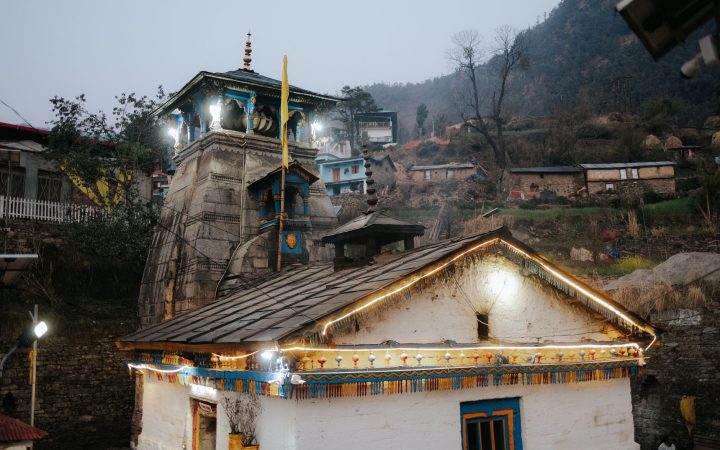
The “Char Dham” of Uttarakhand is the smaller circuit, distinct from the original “Char Dham” of India described by Adi Shankaracharya (Badrinath, Dwarka, Puri, Rameshwaram). The Uttarakhand version covers four high-Himalayan shrines opened only during summer:
- Yamunotri (3,293 m) — source of the Yamuna river, devoted to Goddess Yamuna. 6 km moderate trek from Janki Chatti.
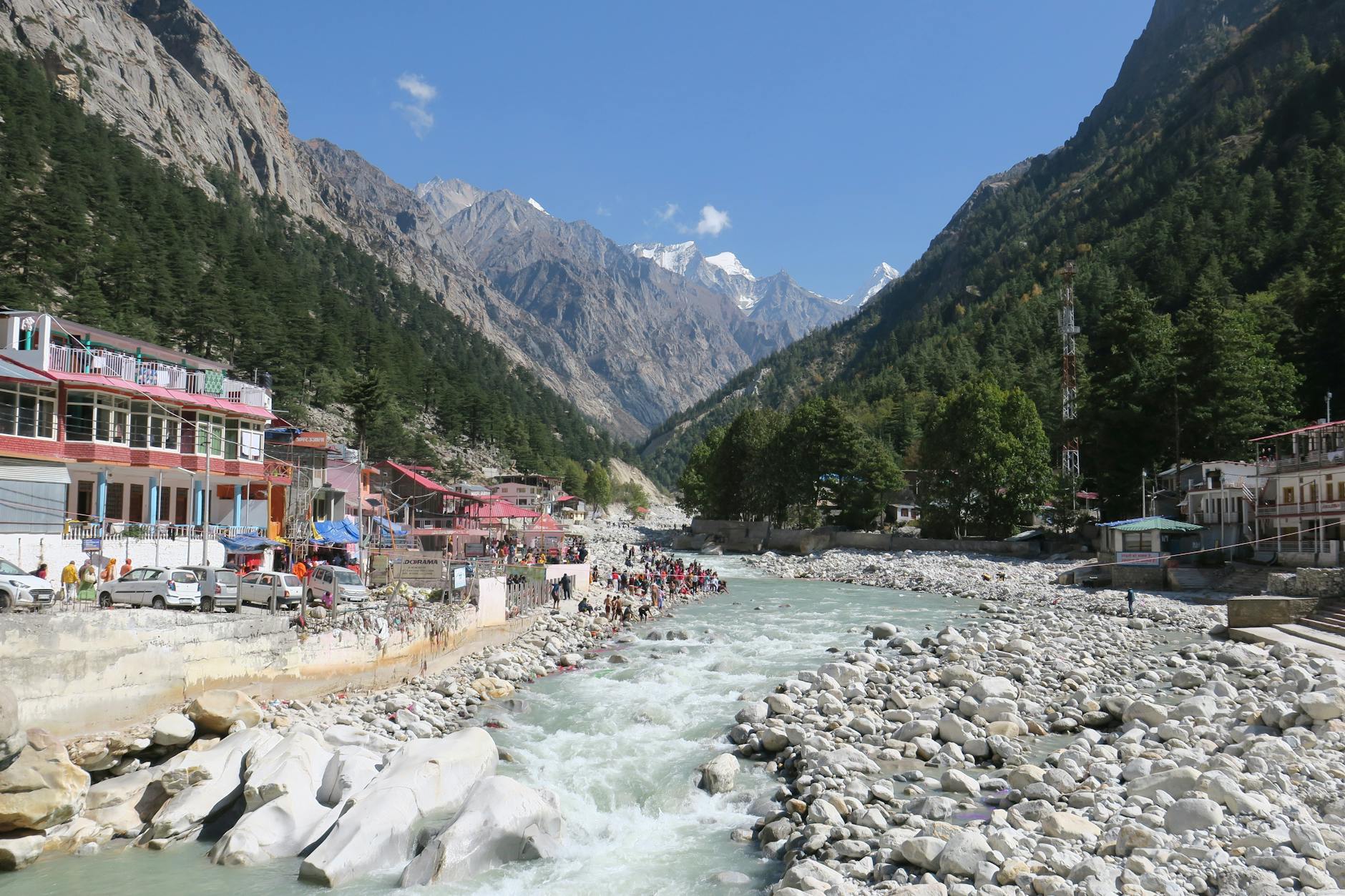
- Gangotri (3,100 m) — source temple of the Ganga, devoted to Goddess Ganga. Vehicular access right up to the shrine.
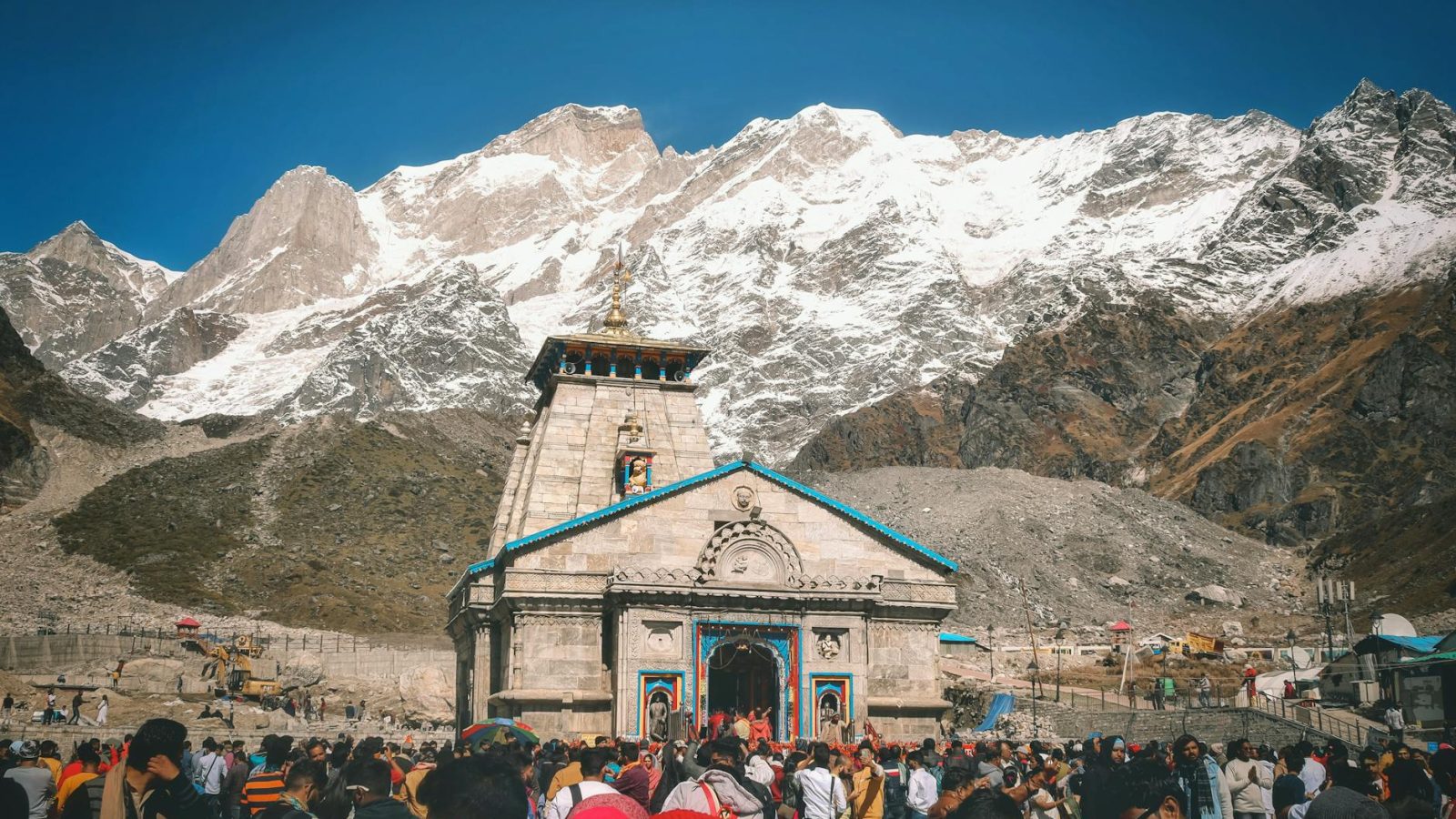
- Kedarnath (3,583 m) — one of the twelve Jyotirlingas, devoted to Lord Shiva. 16 km demanding trek from Gaurikund (or helicopter from Phata/Sersi/Guptkashi).
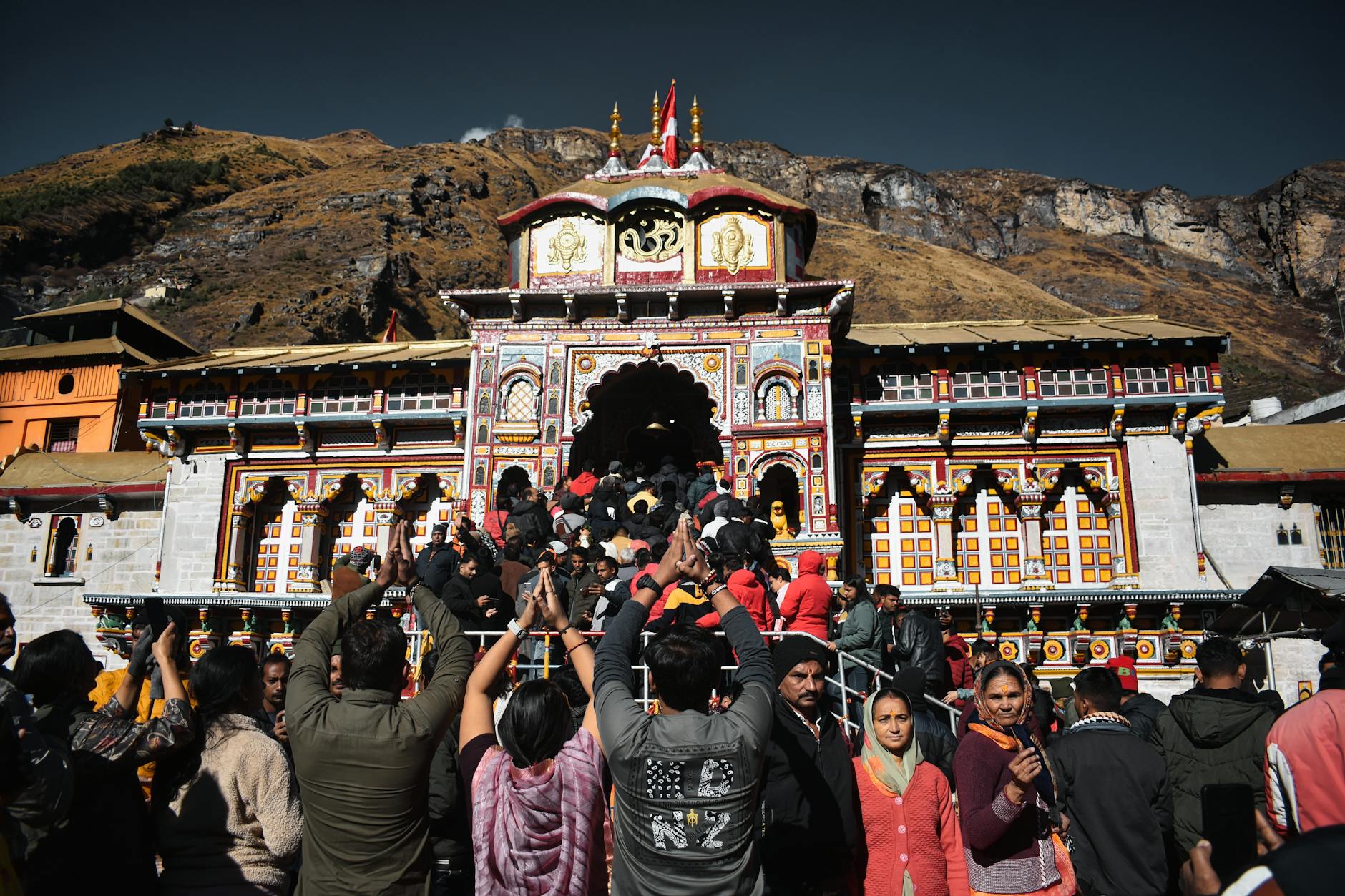
- Badrinath (3,133 m) — devoted to Lord Vishnu. Vehicular access right up to the shrine.
Registration — the 2026 process
Registration is mandatory and free. No yatri without a valid Char Dham registration is allowed past the entry checkposts at Rishikesh, Phata, Sonprayag, and the access roads to each shrine.
- Open the official portal registrationandtouristcare.uk.gov.in
- Choose Char Dham Yatra Registration.
- Create an account using your mobile number and verify the OTP.
- Add each pilgrim’s name, age, government ID number (Aadhaar / Voter / Passport), and the four shrines you intend to visit with dates.
- Upload a photo per pilgrim if asked.
- Submit and download the registration card. Save the QR code on your phone and print one copy.
You can also register at offline counters in Haridwar (Rahi Hotel), Rishikesh (Yatra Bus Stand), Joshimath, Sonprayag, Phata, Janki Chatti and Hina (near Gangotri). Carry the same ID proofs.
The road versus helicopter decision
The single biggest planning decision is whether you do the yatra by road or by helicopter — they are completely different trips.
By road — the classic 10–12 day yatra
The traditional and most affordable option. Start from Haridwar or Rishikesh, drive the loop through Yamunotri → Gangotri → Kedarnath → Badrinath, and return to Haridwar. Total road distance is around 1,500 km of mountain driving over 10–12 days.
Many yatris book a package through Uttarakhand Tourism (GMVN) which includes a vehicle, driver, accommodation in GMVN guest houses, and meals. GMVN’s 12-day basic package is in the ₹40,000–₹60,000 range per person depending on category. Private operators run similar packages from ₹45,000–₹90,000 per person.
If you self-drive, count on:
- Hired SUV with driver: ₹3,500–₹5,500 per day including fuel
- Hotels along the route: ₹1,500–₹4,000 per night for mid-range
- Pony or palki at Yamunotri and Kedarnath: ₹2,500–₹4,500 each, varies by year
- Food, parking, and entry: budget another ₹500–₹800 per day per head
By helicopter — the 4–6 day premium yatra
The shorter, much costlier option. Helicopters connect:
- Dehradun ↔ Kharsali (for Yamunotri)
- Harshil (for Gangotri)
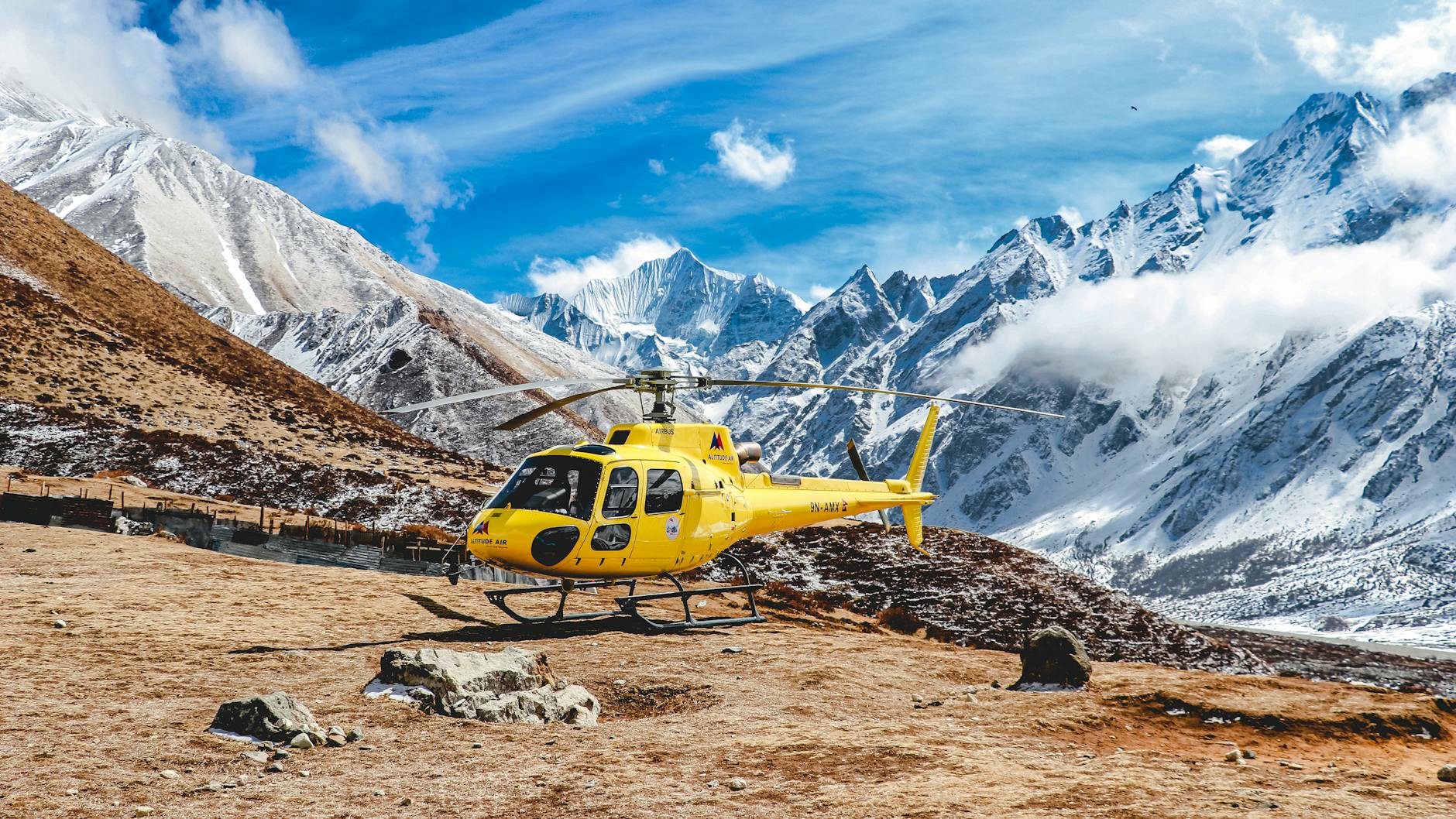
- Phata / Sersi / Guptkashi ↔ Kedarnath (via IRCTC HeliYatra portal)
- Badrinath helipad
2026 helicopter package prices range from ₹1,50,000 to ₹2,80,000 per person depending on the operator and inclusions. Premium “VIP” packages with private hotel transfers, separate darshan slots and meals can touch ₹2,40,000–₹2,80,000. Mid-range chopper-only itineraries with simpler hotels run ₹1,75,000–₹2,10,000.
Kedarnath specifically is managed exclusively through the IRCTC HeliYatra portal at heliyatra.irctc.co.in. Direct slots there cost ₹6,000–₹8,500 round trip per person for the Phata/Sersi route. These open in waves throughout the season and sell out within minutes — log in 5 minutes before the announced drop.
A realistic 10-day road itinerary
- Day 1. Arrive Haridwar / Rishikesh. Check in. Verify your registration QR. Evening Ganga Aarti at Har Ki Pauri. Sleep early.
- Day 2. Drive Rishikesh → Barkot (170 km, 7 hours). Light evening walk.
- Day 3. Drive Barkot → Janki Chatti (45 km). Trek up to Yamunotri (6 km, 4–5 hours one way). Darshan. Return to Janki Chatti or Barkot for the night.
- Day 4. Drive Barkot → Uttarkashi (90 km). Overnight rest.
- Day 5. Drive Uttarkashi → Gangotri (100 km, 4 hours). Darshan. Optional short walk to Gaumukh trek base. Return to Uttarkashi or stay at Harsil.
- Day 6. Drive Uttarkashi → Guptkashi (220 km, 9 hours). Long day. Stay at Guptkashi.
- Day 7. Drive Guptkashi → Sonprayag → Gaurikund (30 km). Start Kedarnath trek (16 km) early morning. Stay overnight at Kedarnath GMVN or private lodge. Evening aarti.
- Day 8. Morning darshan at Kedarnath. Trek down to Gaurikund. Drive to Chopta or Rudraprayag for the night.
- Day 9. Drive to Badrinath (160 km). Evening aarti at Badrinath Temple. Walk to Mana village if time permits.
- Day 10. Morning darshan. Drive back to Rishikesh / Haridwar via Joshimath (10 hours).
What you actually spend — three tiers
Budget — by road, basic GMVN stays (₹35,000–₹50,000)
Shared vehicle in a group, twin-sharing GMVN rooms, langar food at most stops, basic ponies where required. 10-12 days.
Mid-range — by road, mid-tier hotels (₹65,000–₹95,000)
Private SUV with driver, mid-range hotels along the route (Mussoorie / Uttarkashi / Guptkashi / Joshimath), comfortable meals, IRCTC HeliYatra to Kedarnath alone to skip the trek. 10 days.
Premium — full helicopter (₹1,75,000–₹2,80,000)
4–6 days. Multiple chopper sectors connecting all four shrines. Premium hotels, separate darshan windows, ground transport included. Best for elderly yatris or anyone with limited time.
What to pack for the Char Dham
- Layered clothing. Daytime can hit 20°C even at the shrines; predawn at Kedarnath can drop to 2–5°C. Bring a thermal base, fleece, and a windproof shell.
- Waterproof poncho and bag cover. The Char Dham route gets unpredictable rain even before monsoon.
- Sturdy walking shoes. Trekking shoes for Kedarnath, Yamunotri trek and Gaumukh side hike if planned.
- Walking stick. Inexpensive and rentable at the trek heads. Saves your knees on the descent.
- Light backpack. Keep main luggage at base hotels; carry only essentials on trek days.
- Medical: personal medication, Diamox or similar high-altitude medicine after talking to your doctor, basic painkiller, ORS, bandages.
- Documents: Char Dham registration print, original photo ID, three passport photos.
- Cash. ₹15,000–₹20,000 in small denominations. UPI works in Rishikesh and Haridwar but not reliably above Sonprayag.
- Power bank. Mountain hotels have erratic power.
Common questions answered
Can I do Char Dham without registration?
No. Since 2023, registration is enforced at multiple checkposts. Without a registration QR you will be turned back at Rishikesh or Sonprayag.
What is the weather like in May–June 2026?
Best season. Days are pleasant (10–22°C at the shrines), roads are mostly clear, and the rivers are full from snowmelt. By mid-July the monsoon arrives and the road landslide risk increases sharply — yatra continues but with significant disruption days.
Can elderly yatris do the road yatra?
Yes, but the Kedarnath leg is demanding even with ponies or palkis. Many families do the road yatra for three shrines and book the Kedarnath helicopter separately through IRCTC HeliYatra. That hybrid plan is the most common middle-path approach in 2026.
Can children do the Char Dham?
Children above 6 typically handle the road yatra fine. The Kedarnath trek is hard for small kids; helicopter or pony+palanquin is the safer plan.
Is e-pass / vehicle registration also required?
Yes. Apart from the pilgrim registration, your vehicle must also be registered for the Char Dham route at the same portal if you are self-driving. Hired vehicles are usually pre-registered by the operator.
The honest assessment
Char Dham 2026 is a strong year — the road infrastructure has improved every season since 2022, the helicopter network is more reliable than ever, and the IRCTC HeliYatra portal has reduced black-market reselling of Kedarnath slots. The yatra itself is what it has always been — physical, slow, intense, and worth the time it takes from your year.
Plan early. Register the moment your dates are firm. Pick the road option if you can afford the 10–12 days and want the traditional experience; pick the helicopter option if you cannot. Either way, do not skip Mana village beyond Badrinath — it is the last Indian village before the Tibet border, and one of the quietest moments of the yatra.
Sources: Uttarakhand Tourism official registration portal (registrationandtouristcare.uk.gov.in); IRCTC HeliYatra portal for Kedarnath (heliyatra.irctc.co.in); Garhwal Mandal Vikas Nigam (GMVN) yatra package list for 2026; standard published helicopter fares for the 2026 season. Fares and slot release windows change — verify on the official portals before booking.