Mahakaleshwar Ujjain 2026: Darshan, Bhasma Aarti, Timings & Travel Guide
Quick answer: Mahakaleshwar Temple in Ujjain houses one of the 12 Jyotirlingas. The famous Bhasma Aarti at 4 AM requires advance booking on shrimahakaleshwar.com (₹200, opens 7 days ahead); dhoti for men, saree for women is mandatory. Also visit Mahakal Lok Corridor, Kal Bhairav, and Harsiddhi Temple. Reach Ujjain via Indore airport (55 km) or direct trains from Mumbai, Delhi, Bhopal. Best months are October-March. Budget ₹6,000-12,000 for a 2-day trip.
Mahakaleshwar in Ujjain is one of the twelve Jyotirlingas of Lord Shiva, and the only one where Shiva is worshipped in a south-facing form. The temple draws lakhs of pilgrims every year, with the early-morning Bhasma Aarti as its signature ritual. This is a practical 2026 guide to planning the darshan — booking, timings, dress code, what to expect, and the rest of Ujjain worth seeing while you are there.
Getting to Ujjain
- By train: Ujjain Junction (UJN) is well-connected to Delhi, Mumbai, Indore, Bhopal, and Ahmedabad. From Indore, regular trains and shared taxis take 1.5–2 hours.
- By road: Indore to Ujjain is 55 km on a smooth state highway. From Bhopal, 190 km. From Delhi, 800 km (typically a 2-day drive or one overnight train).
- By air: Devi Ahilyabai Holkar Airport (IDR) in Indore is the nearest. Direct flights from Delhi, Mumbai, Bengaluru, Hyderabad, Pune.
The Bhasma Aarti — what it is and how to book
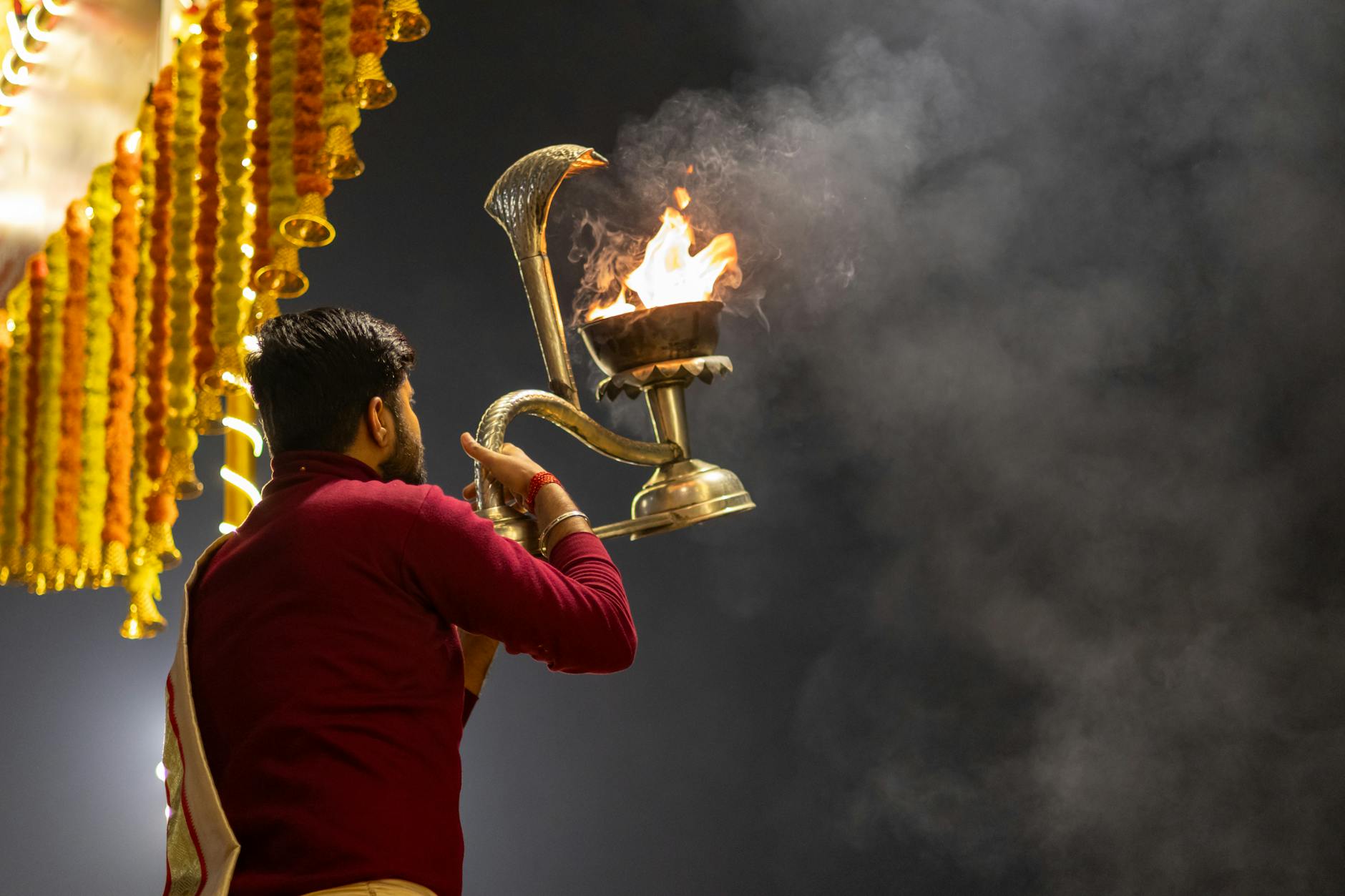
The Bhasma Aarti is the pre-dawn ritual at Mahakaleshwar in which the Shivalinga is bathed with sacred ash. It takes place between roughly 3:00 AM and 5:00 AM daily and is considered the most powerful darshan of the day.
Booking:
- Online via the official portal at shrimahakaleshwar.com
- Window opens roughly 30 days in advance. Bhasma Aarti slots fill quickly — log in at 12:00 AM IST on the release day for peak dates.
- Fee: ₹200 per person (subject to change)
- Documents at the gate: government photo ID + the booking confirmation print
The temple administration releases additional slots for festival days and Mondays of Shravan month, but they go in minutes.
Regular darshan timings
- Bhasma Aarti: 3:00 AM – 5:00 AM (booking required)
- Naivedya Aarti: 7:00 AM – 7:30 AM
- Mid-day Aarti: 10:30 AM – 11:15 AM
- Evening Aarti: 5:00 PM (varies in season)
- Shree Mahakal Aarti: 6:30 PM – 7:15 PM
- Closing Aarti: 10:30 PM
Regular darshan is open from 4 AM to 11 PM. Sthayi Sashtra (paid VIP) queue is available for ₹250 per person — significantly faster than the free queue, especially on Mondays.
Dress code
- For men entering the sanctum: traditional dhoti or sovala (a wrapped white cotton garment, available for rent at the temple for ₹50–₹100). Western clothes not permitted in the inner sanctum.
- For women: saree or full-sleeved suit. Western clothes are restricted in the sanctum.
- Bring socks for the wait on cold winter mornings.
Where to stay
- Around the temple: budget dharamshalas and basic hotels ₹600–₹2,000/night. Walking distance to the gate.
- Mid-range hotels (Hotel Avantika, Anjushree, Imperial Inn): ₹2,500–₹5,000. 10–15 minute walk or auto to temple.
- Premium (Hotel Ramaee Royal, Anantam Resorts on the Indore road): ₹5,000–₹10,000. Easier in summer.
A 1-day Ujjain itinerary
- 2:30 AM: Reach Mahakaleshwar gate for Bhasma Aarti (with booking).
- 5:30 AM: Finish darshan. Return to hotel, rest 2 hours.
- 9:00 AM: Breakfast at Sankat Mochan or Mahakal Restaurant.
- 10:30 AM: Visit Kal Bhairav Mandir (the protector deity of Ujjain — offering of madira is a unique tradition).
- 12:00 PM: Mangalnath Mandir, considered the Navel of the Earth in Hindu cosmology.
- 1:30 PM: Lunch.
- 3:00 PM: Ram Ghat for the river Shipra, Harsiddhi Temple (one of the 51 Shakti Peethas), Bade Ganeshji Ka Mandir.
- 5:30 PM: Sunset at Shipra Ghat.
- 7:00 PM: Vedh Shala (the old observatory of Raja Jai Singh — small museum, fascinating planetary clocks).
Practical notes
- Phones are not allowed in the sanctum at Mahakaleshwar. Locker facilities are available outside.
- Monday is the busiest day — wait times can stretch to 4–6 hours in summer.
- Shravan month (typically July–August) sees the highest visitor counts of the year.
- Photography is allowed in the outer courtyard but restricted in the sanctum.
The honest verdict
Mahakaleshwar Ujjain is one of the most rewarding Jyotirlinga visits in the country, particularly if you can secure a Bhasma Aarti slot. Plan around the booking window, dress correctly, and combine it with Kal Bhairav and Harsiddhi for a fuller day. The town itself is small enough to cover on foot or by short autos once you base yourself near the temple.
Related guides on PunyaPaths
- Amarnath Yatra 2026: Complete Registration, Routes & Helicopter Guide
- Haridwar Travel Guide 2026: Ghats, Ganga Aarti, Budget & 2-Day Itinerary
- Shirdi Sai Baba Darshan Guide 2026: Timings, Online Booking & Travel Tips
Sources: Shri Mahakaleshwar Temple Trust official portal (shrimahakaleshwar.com) for booking and timings; Ujjain Tourism information. Timings and fees vary — verify on the official portal before travel.
Best time to visit Mahakaleshwar
October to March is the comfortable window — pleasant 18–28°C weather, festivals like Maha Shivratri (February–March) and Kartik Mela (October–November) draw massive crowds. Shravan month (July–August) sees peak Kanwar Yatra pilgrims; queues can extend 6+ hours. Summer (April–June) is brutal in Ujjain (45°C+) but Bhasma Aarti slots are easier to book.
Common mistakes pilgrims make
Booking Bhasma Aarti on arrival day. The 4 AM Bhasma Aarti is the most coveted darshan in Ujjain. Slots open 30 days in advance on the Mahakal Lok official site and disappear within hours. Book it before flight tickets.
Skipping the Mahakal Lok corridor. The new 900 m promenade (inaugurated 2022) with 108 pillars and Shiva-themed sculptures deserves a 45-minute walk after darshan.
Wearing stitched lower wear (men). For Bhasma Aarti, men must wear dhoti (no pants/shorts), women must wear saree (no salwar kameez). Confirm with your booking confirmation slip.
Missing the Harsiddhi Mata temple. One of the 51 Shakti Peethas, 1 km from Mahakaleshwar — should be paired with the main darshan, not skipped.
Darshan options & timings
Temple is open 4 AM to 11 PM. Bhasma Aarti (₹200 online, men dhoti / women saree): 4 AM, advance booking only. Sarva Darshan (free): 1–4 hour wait. Premium darshan (₹250): faster queue. Sandhya Aarti: 7 PM. Shringar Darshan: 10 AM. Coconut, milk, and bilva leaves are popular offerings (bring or buy outside).
Where to stay in Ujjain
MP Tourism’s Shipra Residency (₹2,500–4,500) is closest to the temple. Anjushree, Imperial Inn, and Hotel Atharva are mid-range (₹2,200–4,500). Budget dharamshalas near Char Dham Mandir cost ₹400–1,000. Tirth-purohit (priest) family homestays offer authentic experience with morning rituals.
FAQs about Mahakaleshwar darshan
Why is Bhasma Aarti special? Mahakaleshwar is the only Jyotirlinga where the Shivalinga is bathed with ash (bhasma) at 4 AM. Witnessing this requires advance booking and dress code compliance.
How to reach Ujjain? Indore airport (IDR, 55 km, 1.5 hours) is the closest. Ujjain Junction railway station is 1.5 km from the temple. Direct trains from Mumbai, Delhi, Pune, Hyderabad.
Can I combine Ujjain + Omkareshwar? Yes — Omkareshwar (140 km, 3 hours by road) is another Jyotirlinga. A 3-day trip covers both. Indore is the convenient base for the loop.
Vegetarian food in Ujjain? Exclusively vegetarian temple zone with alcohol prohibition. Famous local dishes: poha-jalebi breakfast, sabudana khichdi, makka-roti, and ujjaini sweet shops like Shri Ram Mishtan Bhandar.
Is photography allowed inside? Mobile phones and cameras are not permitted inside the garbhagriha. Lockers available at the entrance.
Sample budget breakdown for Mahakaleshwar (2 nights)
Two pilgrims: Return flight Mumbai/Delhi to Indore: ₹6,000–10,000 per person. Indore–Ujjain taxi (round trip): ₹2,500 split. 2-night mid-range hotel in Ujjain: ₹3,000 per night. Local auto-rickshaws: ₹500 total. Meals (poha-jalebi + thalis): ₹400 per couple per day. Bhasma Aarti + Premium darshan: ₹450 per person. Realistic per-person 2-night cost: ₹9,500–14,500.