Haridwar Travel Guide 2026: Ghats, Ganga Aarti, Budget & 2-Day Itinerary
Quick answer: Haridwar is one of India’s seven sacred cities on the Ganges, ideal for a weekend pilgrimage. Catch the Ganga Aarti at Har Ki Pauri (6:30 PM, free, arrive by 5:30). Visit Mansa Devi and Chandi Devi via cable car (₹294 combo ticket). Best months are October-March (avoid monsoon flooding). Reach by Shatabdi/Vande Bharat from Delhi (4-5 hours, ₹600-1,500). Budget ₹4,000-8,000 for a 2-day trip including stay near Har Ki Pauri.
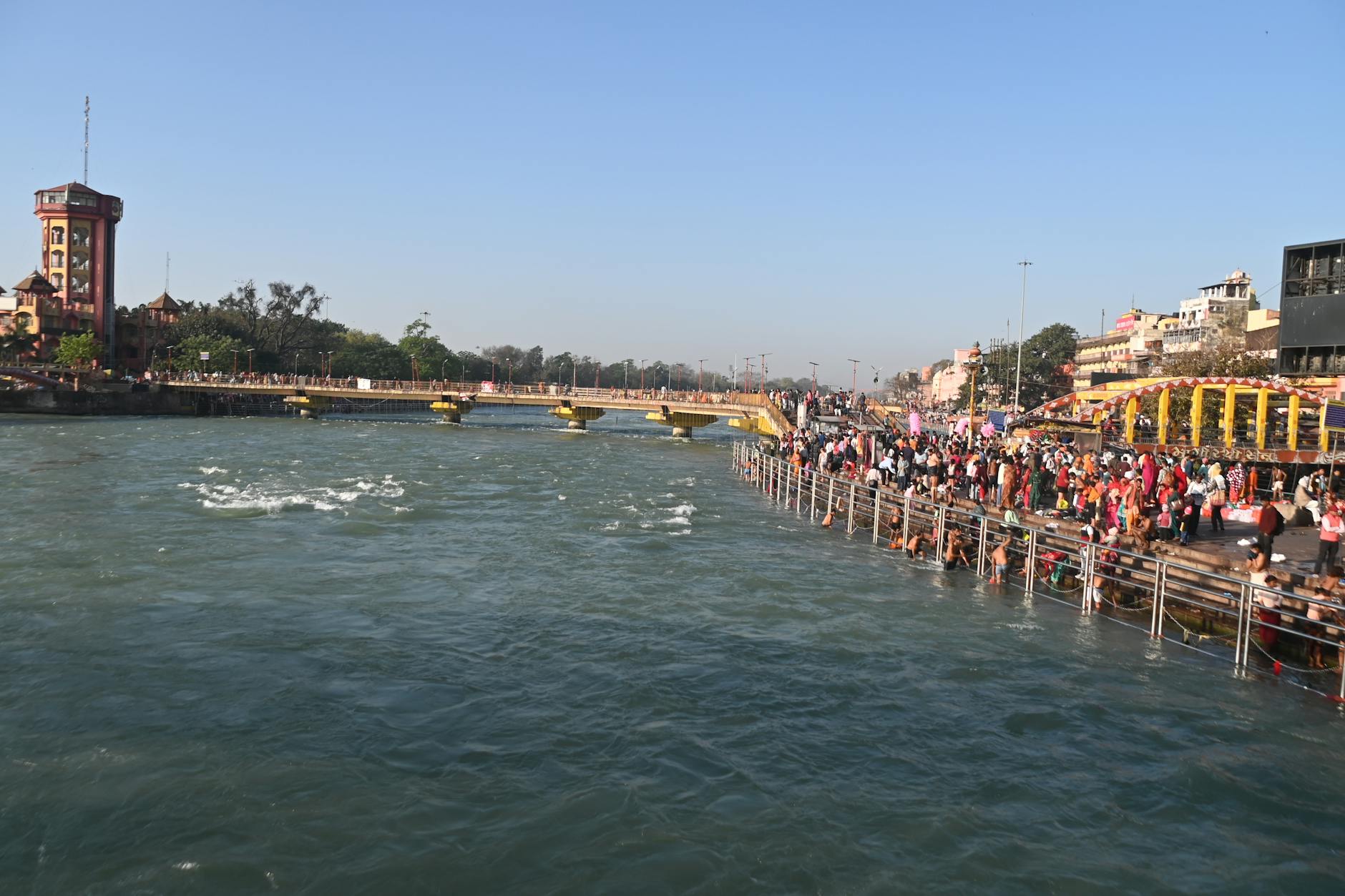
Haridwar in 2026 is one of the most accessible spiritual destinations from any major Indian city — under 5 hours from Delhi by road, well-connected by rail, and the gateway to the Char Dham route. This is a practical planning guide for a Haridwar trip in 2026, covering when to go, where to stay, the Ganga Aarti at Har Ki Pauri, and a 2-day itinerary that fits a weekend.
Getting to Haridwar
By train: Haridwar Junction (HW) is on the main Delhi–Dehradun line. From Delhi, options include the Shatabdi Express (4 hours, ₹650–₹1,200), Mussoorie Express, and Jan Shatabdi. From Mumbai and Kolkata, indirect routes via Delhi are most common.
By road: Delhi to Haridwar is 220 km via NH-334 — about 5 hours of driving. Volvo AC buses run from Kashmere Gate ISBT and Anand Vihar (₹500–₹900 one way). Self-drive route is straightforward except for festival weekends.
By air: Jolly Grant Airport (DED) in Dehradun is the nearest, 35 km from Haridwar. Direct flights from Delhi, Mumbai and Bengaluru. From DED, taxis to Haridwar cost ₹800–₹1,200.
When to visit
- October to March: Cool, pleasant weather (10–25°C). Best months for darshan and sightseeing.
- April to June: Hot (30–40°C) but the gateway period to Char Dham yatra — busiest tourist months.
- July to September: Monsoon — Ganga is in full flow, atmospheric for the aarti but slippery on the ghats.
- Kumbh Mela 2027 note: The next Purna Kumbh at Haridwar is scheduled for 2027 — book accommodations 6+ months in advance for that period.
Where to stay
Three main zones:
- Near Har Ki Pauri: walking distance to the ghat. Budget hotels and dharamshalas ₹800–₹2,500/night. Older buildings, narrow lanes, atmospheric but noisy.
- Bhupatwala / Jwalapur: mid-range hotels and resorts on the Rishikesh road. ₹2,000–₹5,000. Quieter, better road access.
- Ganga-front resorts (Aalia, Ganga Lahari, Haveli Hari Ganga): heritage stays with private ghats. ₹4,500–₹15,000.
The Ganga Aarti at Har Ki Pauri
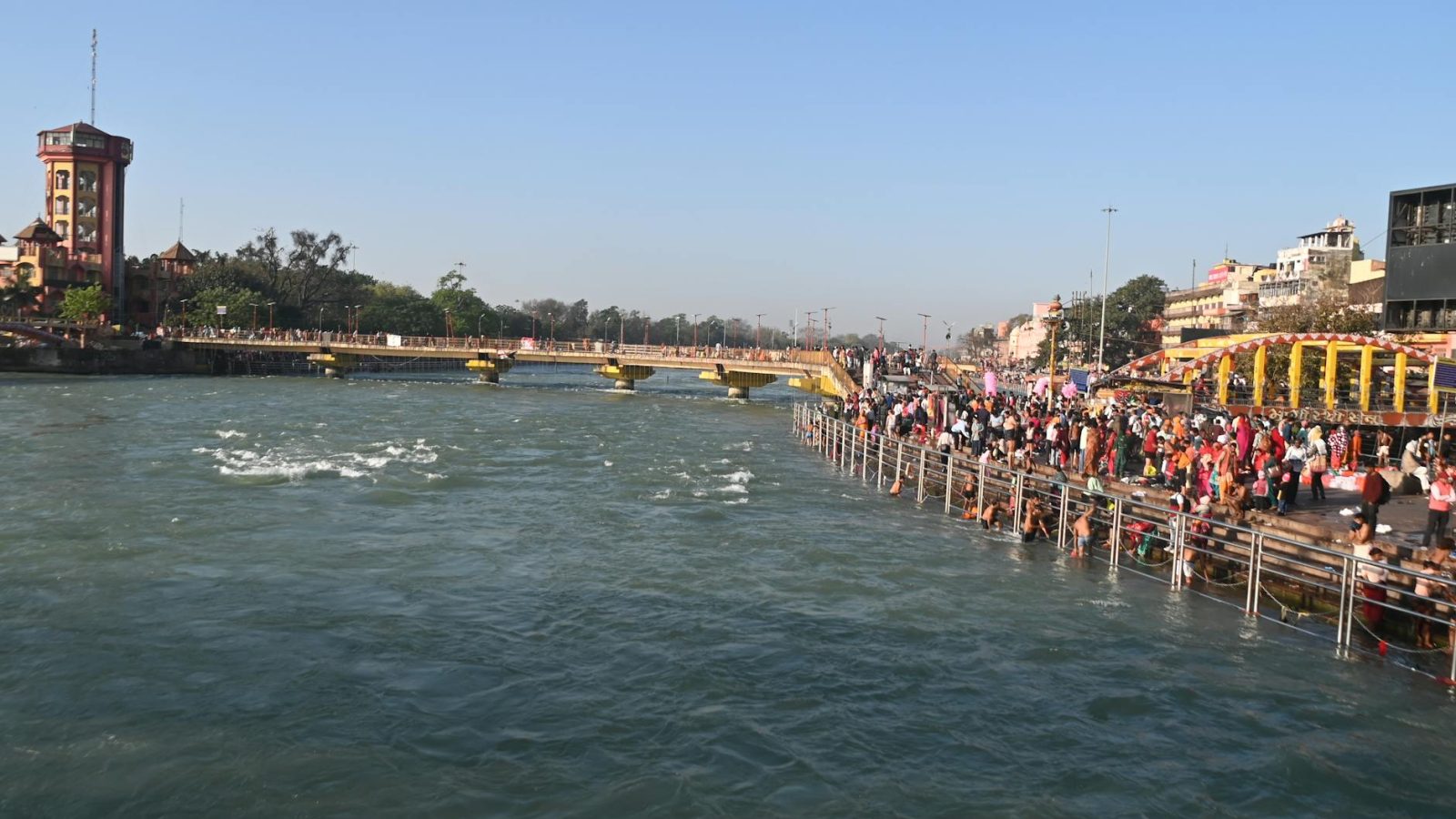
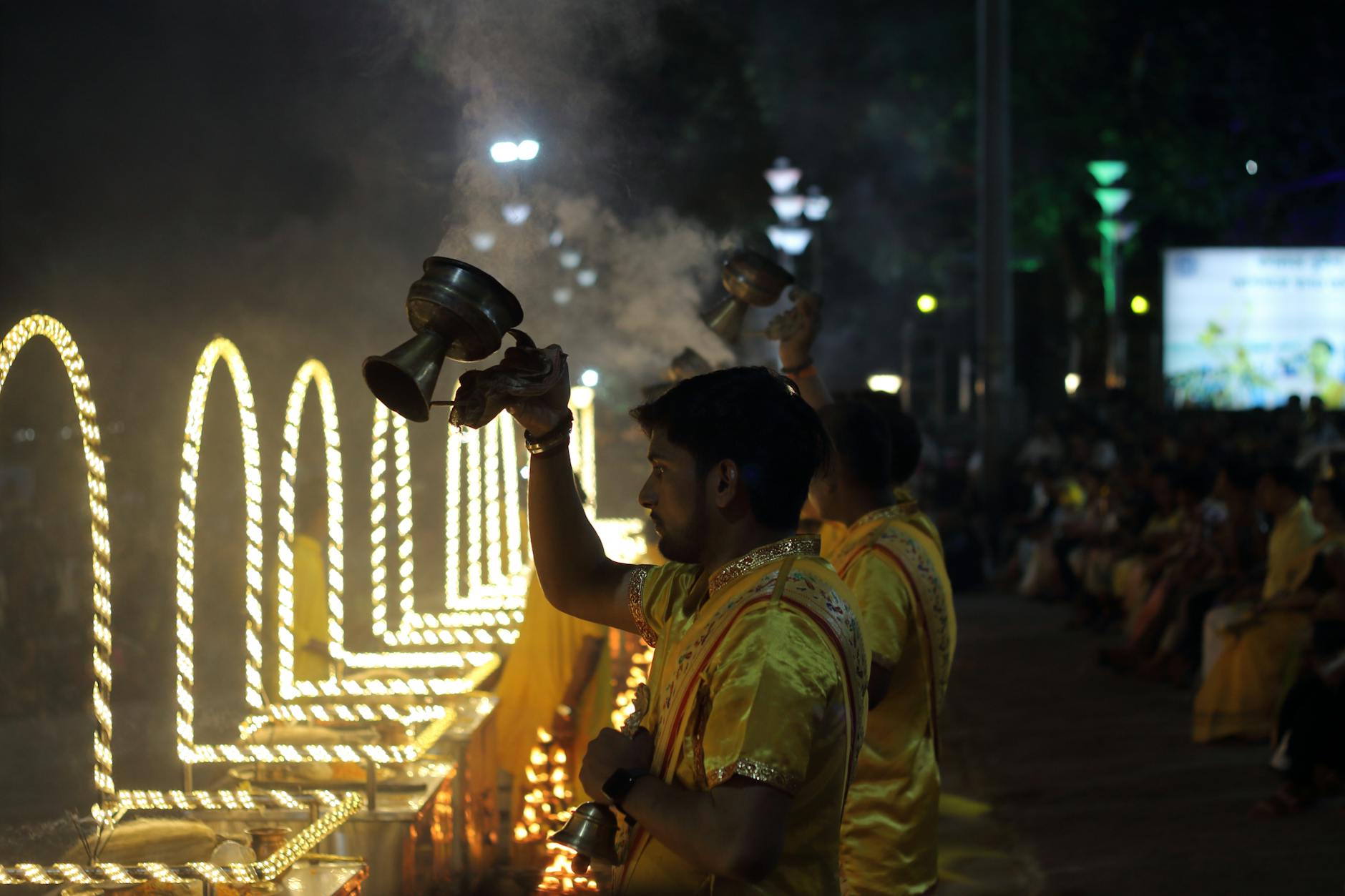
The flagship Haridwar experience. The aarti is held twice daily at Brahma Kund (the main ghat):
- Evening aarti: roughly 6:30 PM in summer, 5:30 PM in winter — the more famous slot, when the entire ghat lights up with diyas floating on the Ganga.
- Morning aarti: at sunrise — much smaller crowd, quieter.
Reach 45 minutes early in season for a decent spot. Stand on the steps facing the river or, for a slightly elevated view, the iron bridge above. Mobile phones are allowed; tripods need permission from the Ganga Sabha office.
A 2-day Haridwar itinerary
- Day 1: Morning train/road arrival. Check in. Lunch at Chotiwala or Hoshiyar Puri (legendary Haridwar thali spots). Afternoon at Mansa Devi temple (ropeway ₹120 round trip) for the hilltop view of the city. Evening aarti at Har Ki Pauri. Late dinner at Bhawana Chats for the local chaat scene.
- Day 2: Sunrise dip at Har Ki Pauri (purely optional). Breakfast at the dharamshala. Visit Chandi Devi temple (ropeway ₹165 round trip) on the opposite hill. Mid-afternoon drive to Rishikesh (45 minutes, 22 km) for a side trip — Lakshman Jhula, Ram Jhula, and Beatles Ashram. Return to Haridwar or continue on to Rishikesh.
Budget for 2 days
- Train Delhi return: ₹1,800
- Hotel 1 night mid-range: ₹2,500 (double room ÷ 2 = ₹1,250)
- Food at thali places + chaat: ₹600
- Ropeways (Mansa + Chandi): ₹285
- Local autos and shared taxis: ₹500
- Per-person total: ₹4,500–₹6,000
Premium version with Ganga-front heritage stay: ₹12,000–₹18,000 per person.
Practical notes
- Carry small change. UPI works at most established restaurants and ropeway counters but not at every flower-and-diya seller on the ghats.
- Footwear is removed at most temples and at the Har Ki Pauri steps. Wear easy-off slip-ons.
- Photography of the aarti itself is fine; flash photography of priests in close range is discouraged.
- Modest clothing is appreciated — shoulders covered for both men and women at temple visits.
- Drinking water: stick to sealed bottles. Most resorts have RO water.
The honest verdict
Haridwar in 2026 still does what it has always done — a slow, sensory, distinctly Indian weekend close enough to Delhi for a quick reset. The Ganga aarti is genuinely one of the most photographed experiences in India for a reason. Pair it with Rishikesh for a fuller 3-day trip, and book your hotel zone based on whether you want night-of-the-aarti energy or a quiet heritage stay set back from the crowds.
Related guides on PunyaPaths
- Amarnath Yatra 2026: Complete Registration, Routes & Helicopter Guide
- Mahakaleshwar Ujjain 2026: Darshan, Bhasma Aarti, Timings & Travel Guide
- Shirdi Sai Baba Darshan Guide 2026: Timings, Online Booking & Travel Tips
Sources: Indian Railways (irctc.co.in) fare data for Delhi–Haridwar routes; standard published timings of the Har Ki Pauri Ganga Aarti through the Ganga Sabha. Times and fares change — verify before travel.
Best time to visit Haridwar
October to March is the comfortable window — pleasant Ganga ghat weather, ideal for sunrise dips at Har Ki Pauri. Kanwar Yatra (July–August) sees 3–4 crore pilgrims clogging the city; book lodging 3+ months ahead or avoid entirely. Kumbh Mela (every 12 years, next in 2033) is unmatched in scale. Maha Shivratri and Ganga Dussehra bring large crowds — book darshan and stay early.
Common mistakes pilgrims make
Driving into the old town. Haridwar’s lanes around Har Ki Pauri are pedestrian-only after 4 PM. Park at the Birla Ghat parking (₹50–100) and walk 10 minutes.
Skipping Mansa Devi. The Shakti Peetha atop Bilwa Parvat (Shivalik foothills) is reached by ropeway (₹130 return) or 30-minute hike. Pair with Chandi Devi temple on the opposite hill for a complete Devi yatra.
Booking Ganga aarti seats only at Har Ki Pauri. The famous evening aarti has 5,000+ devotees; views are limited. Triveni Ghat (Rishikesh, 25 km) or Sapt Rishi Ghat (Haridwar) are calmer alternatives.
Buying Ganga jal at Har Ki Pauri shops. Vendors charge ₹50–100 per bottle for stale water. Collect fresh Ganga jal yourself at the ghat — bring an empty plastic bottle.
Ganga ghat aarti — what to expect
Evening Ganga Aarti at Har Ki Pauri runs around sunset (6 PM in winter, 7 PM in summer). Arrive 45 minutes early to claim a step seat. The aarti involves coordinated lamps, conch blowing, Sanskrit recitations, and floating diyas downstream. Photography and videography allowed; flash photography is discouraged near priests. Buying a diya leaf-boat (₹30) and floating it is the traditional participation.
Where to stay in Haridwar
Premium near Har Ki Pauri: Ganga Lahari, Haveli Hari Ganga (₹6,500–14,000 — heritage building on the Ganga). Mid-range: Hotel Ganga Azure, Hotel Le ROI (₹3,500–6,500). Budget dharamshalas like Bharat Mata Mandir Dharmashala or Rishikul Ayurvedic college guesthouse cost ₹400–1,500. Ashrams like Shantikunj (Patanjali area) offer subsidised retreat-style stays.
FAQs about Haridwar
Is the Ganga water safe for bathing? At Har Ki Pauri and the official sankalp ghats, yes — water is regularly tested. Avoid bathing downstream of the city where industrial discharge enters.
How to reach Haridwar? Direct trains from Delhi (Shatabdi, Mussoorie Express), Dehradun (45 km, 1 hour), Rishikesh (25 km, 40 minutes). Nearest airport is Dehradun (DED). New Delhi to Haridwar by Vande Bharat is 4.5 hours.
Can I combine Haridwar + Rishikesh? Standard combo: 1 night Haridwar + 2 nights Rishikesh, total 4 days. Both share a season and a religious culture.
Vegetarian food in Haridwar? Mandatory — Haridwar is alcohol- and meat-prohibition zone within city limits. Famous food: Chotiwala thali, Mathura ki kachori, Bhopal Singh ka rabri-aloo, halwa-paratha breakfast.
What is the dress code at the ghats? Modest cover-up (men: shorts or dhoti; women: salwar or saree) for the dip. Some pilgrims bring a separate set of clothes to change after the Ganga snan.
Sample budget breakdown for Haridwar (2 nights)
Two pilgrims: Return Vande Bharat Delhi–Haridwar: ₹1,200 per person. 2-night mid-range hotel: ₹3,500 per night. Auto-rickshaws: ₹500 total. Meals: ₹600 per couple per day. Mansa Devi ropeway + Chandi Devi: ₹260 per person each. Floating diya offering: ₹30 per person. Realistic per-person 2-night cost: ₹6,500–11,000.