Amarnath Yatra 2026: Complete Registration, Routes & Helicopter Guide
Quick answer: Amarnath Yatra 2026 runs from July to August (45-50 days). Online biometric registration is mandatory via jksasb.nic.in (opens April), with a compulsory health certificate from authorized doctors. Two routes: Pahalgam (48 km, 3-5 days, easier) or Baltal (14 km, 1-2 days, steeper). Helicopter service from Pahalgam/Baltal costs ₹2,800-4,000 one way. Reach Srinagar by flight or train (Banihal), then road to base camps. Budget ₹15,000-40,000 excluding flights.
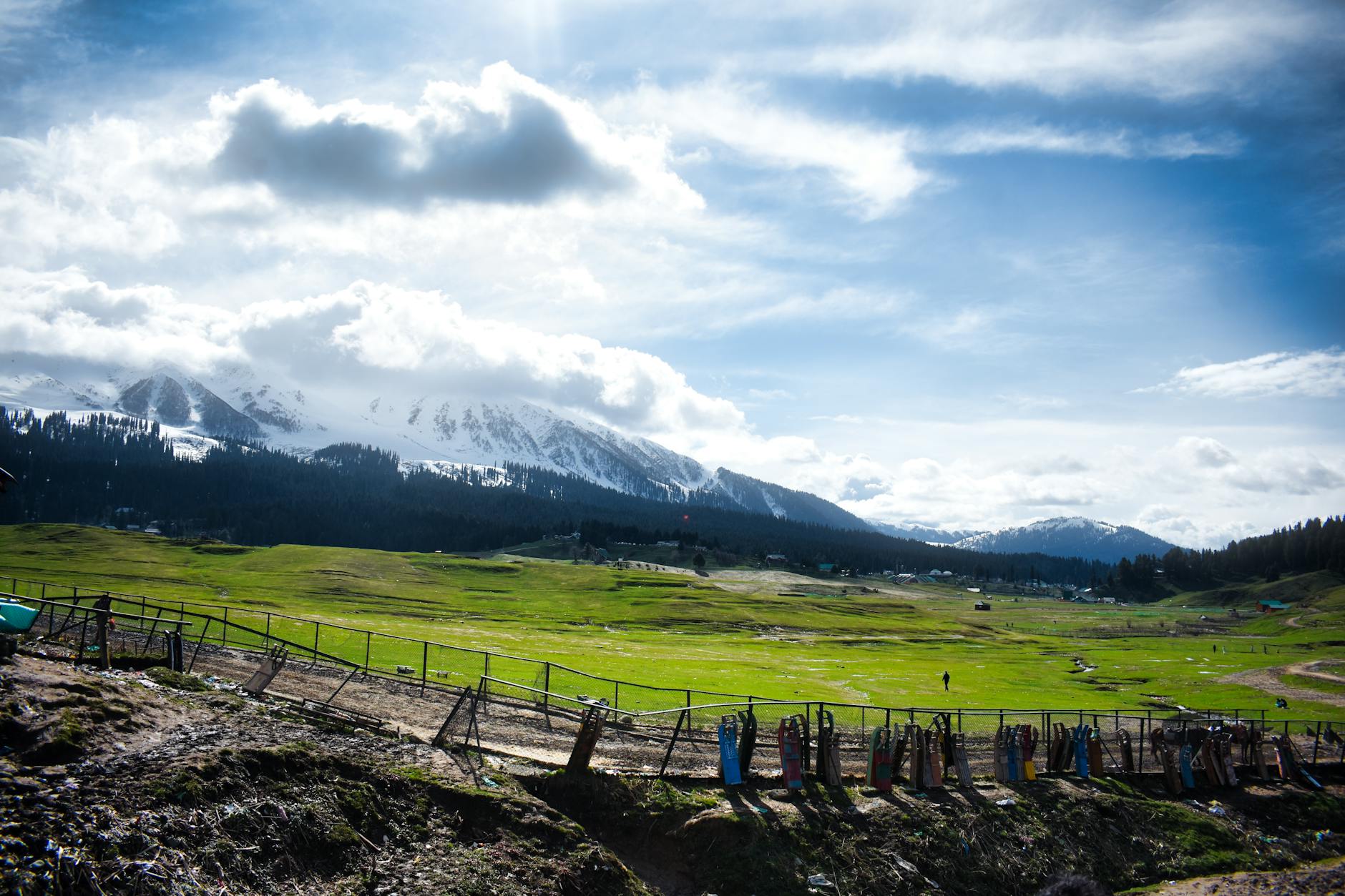
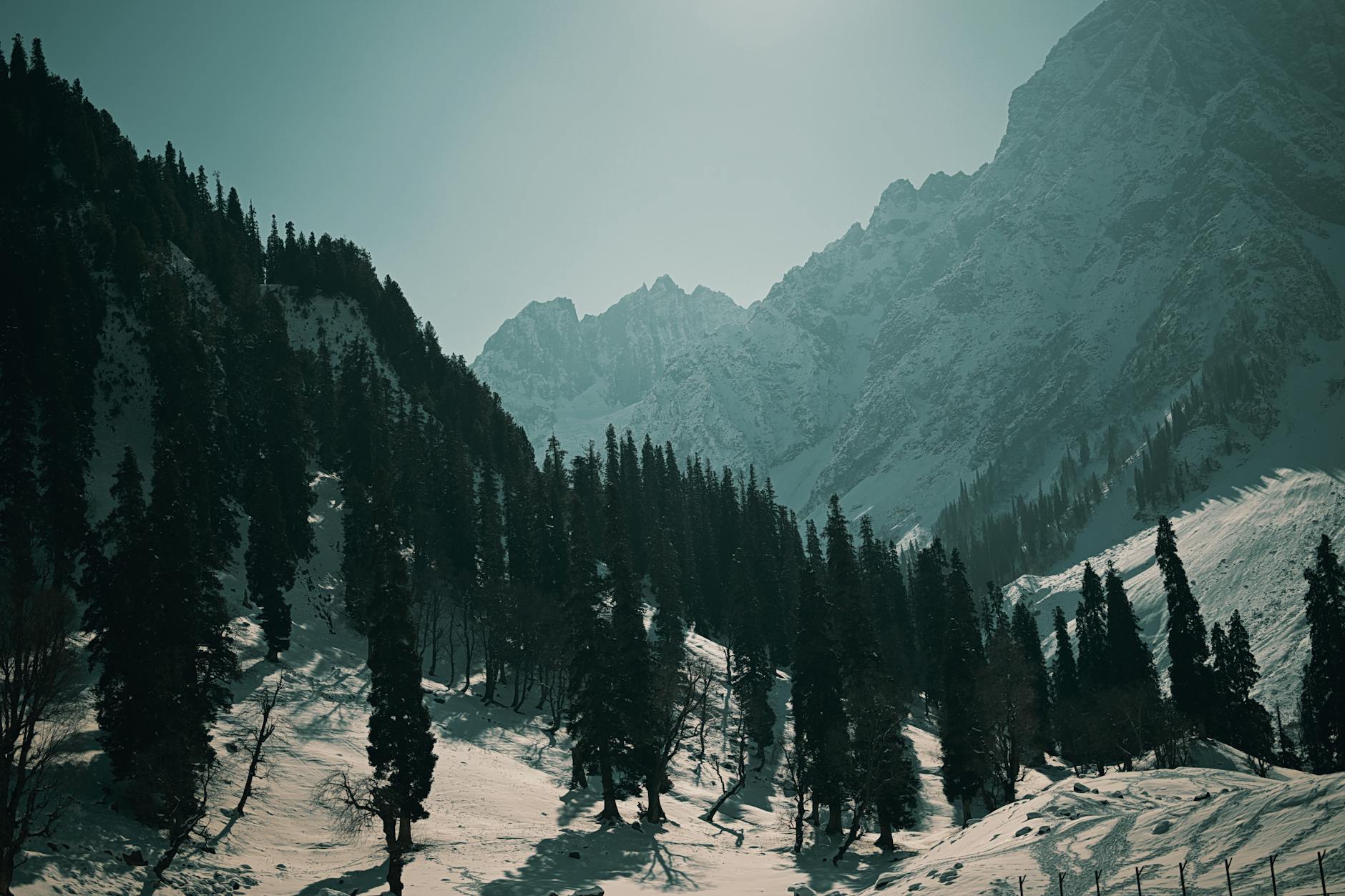
If you are planning the Amarnath Yatra in 2026, the pilgrimage to the holy ice lingam of Lord Shiva inside a cave 3,888 metres high in the Kashmir Himalayas, this is the planning guide that walks you through every step — from the day registration opened on 15 April to the morning you finally stand inside the cave.
This year the yatra runs for 38 days, from 3 July to 9 August 2026, and the Shri Amarnathji Shrine Board (SASB) is again accepting both online and offline registrations.
The yatra in numbers
Before you book anything, here are the figures every yatri needs to know up front.
- Yatra window: 3 July 2026 to 9 August 2026 (38 days)
- Registration started: 15 April 2026 (online and offline)
- Online registration fee: ₹220 per person
- Two routes: Baltal (14 km round trip) or Pahalgam / Chandanwari (36–48 km)
- Helicopter option: Baltal–Panchtarni from ₹3,250 one way; Pahalgam–Panchtarni from ₹4,900 one way
- Mandatory documents: Compulsory Health Certificate (CHC) issued after 8 April 2026, plus a government photo ID
- Altitude at holy cave: 3,888 metres / 12,756 feet
The official portal for every step is jksasb.nic.in. Bookmark it — you will return to it multiple times.
How registration works in 2026
SASB tightened the registration process this year, and you cannot just turn up at Baltal or Pahalgam and start walking. A valid registration permit is checked at multiple gates.
Online registration — the fastest path
Online slots are released day-wise per route. If you already know the date and route you want, finish this on the day a fresh window opens.
- Open jksasb.nic.in on a laptop (the mobile flow is also working but the form is long).
- Click Yatra Registration and accept the terms and conditions.
- Fill in your name, age, address, contact number, and emergency contact.
- Upload a passport-size photo and a scan of your CHC.
- Pick your route (Baltal or Pahalgam) and the date of yatra.
- Verify the OTP sent to the registered mobile number.
- Pay the ₹220 fee online and download your permit.
Carry a printed copy plus a saved PDF on your phone. Permits are scanned at access control gates and you may not have signal in the upper valleys.
Offline registration — at 556 designated banks
If you cannot use the portal, registration is also open at branches of State Bank of India, Punjab National Bank, ICICI Bank, Yes Bank, and Axis Bank across India. The branch list is published on the SASB website. You will need:
- One original government photo ID (Aadhaar / Voter ID / Passport / Driving Licence)
- The CHC, on the SASB-prescribed format, signed by an authorised medical officer after 8 April 2026
- Four passport-size photos
- Cash for the ₹220 fee
Offline registration takes roughly 20–30 minutes at the counter once your turn comes. Walk in mid-morning rather than at opening time — queues thin out by 11 a.m.
The Compulsory Health Certificate (CHC), explained
The CHC is the document most yatris underestimate, and the one that most often blocks an otherwise complete registration. SASB will not accept any certificate issued before 8 April 2026 or any certificate from a non-authorised doctor.
SASB has published the list of doctors and medical institutions across each state authorised to issue the CHC for 2026. In Rajasthan, for example, all district hospitals and several private chains are on the list. Check the list on the SASB portal under Authorised Doctors before you book a check-up.
What the doctor checks:
- Blood pressure and basic cardiac fitness
- History of asthma, COPD, or other respiratory illness
- Recent surgeries, pregnancy, or diabetic complications
- General mobility — can you walk on uneven terrain for hours?
SASB does not permit children under 13, adults over 70, or pregnant women beyond six weeks to register. If you are in one of those groups, plan a darshan at a different time or shrine.
Baltal or Pahalgam? A practical comparison
The biggest decision after registration is your route choice. They are completely different yatras.
Pahalgam route — the traditional one
This is the historical pilgrim path, longer but gentler in gradient. Yatris walk from Pahalgam to Chandanwari, then up through Pissu Top, Sheshnag, Panchtarni, and finally to the holy cave at Baba Barfani — roughly 36 to 48 kilometres total depending on the side-trails.
- Duration: 3 to 5 days one way
- Best for: First-time yatris, families with elders, people who want time to acclimatise
- Camps: Government camps at Chandanwari, Sheshnag, Panchtarni — these include medical aid posts and free langar
- Difficulty: Moderate. The gradient is steady, not vertical. The longer time on trail also helps with high-altitude adjustment.
Baltal route — the short, hard one
From Baltal base camp, the trail is only 14 km round trip to the cave and back. The catch is that it climbs steeply through Domail, Barari Marg, and into the Amarnath valley in a single day for most yatris.
- Duration: 1 to 2 days for the full round trip
- Best for: Fit, time-pressed yatris
- Trade-off: Less acclimatisation, which means a higher chance of altitude headaches or worse
- Difficulty: Hard. The early section out of Baltal is the steepest paid trek any first-timer is likely to attempt without training.
The short rule for picking: if you have walked a single Himalayan trek above 3,000 m in the last two years, Baltal is fine. If you have not, take Pahalgam.
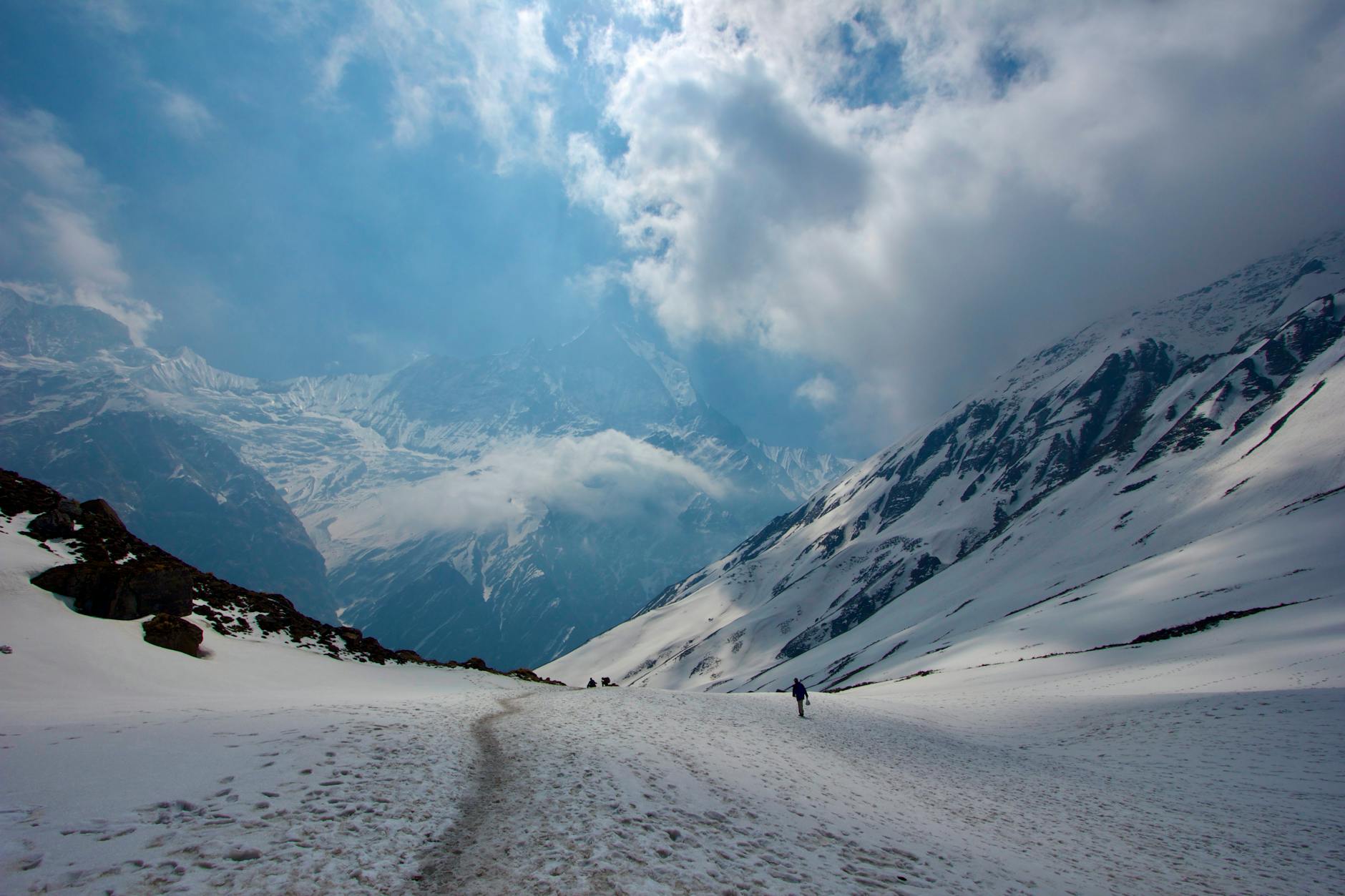
Helicopter booking — what 2026 costs
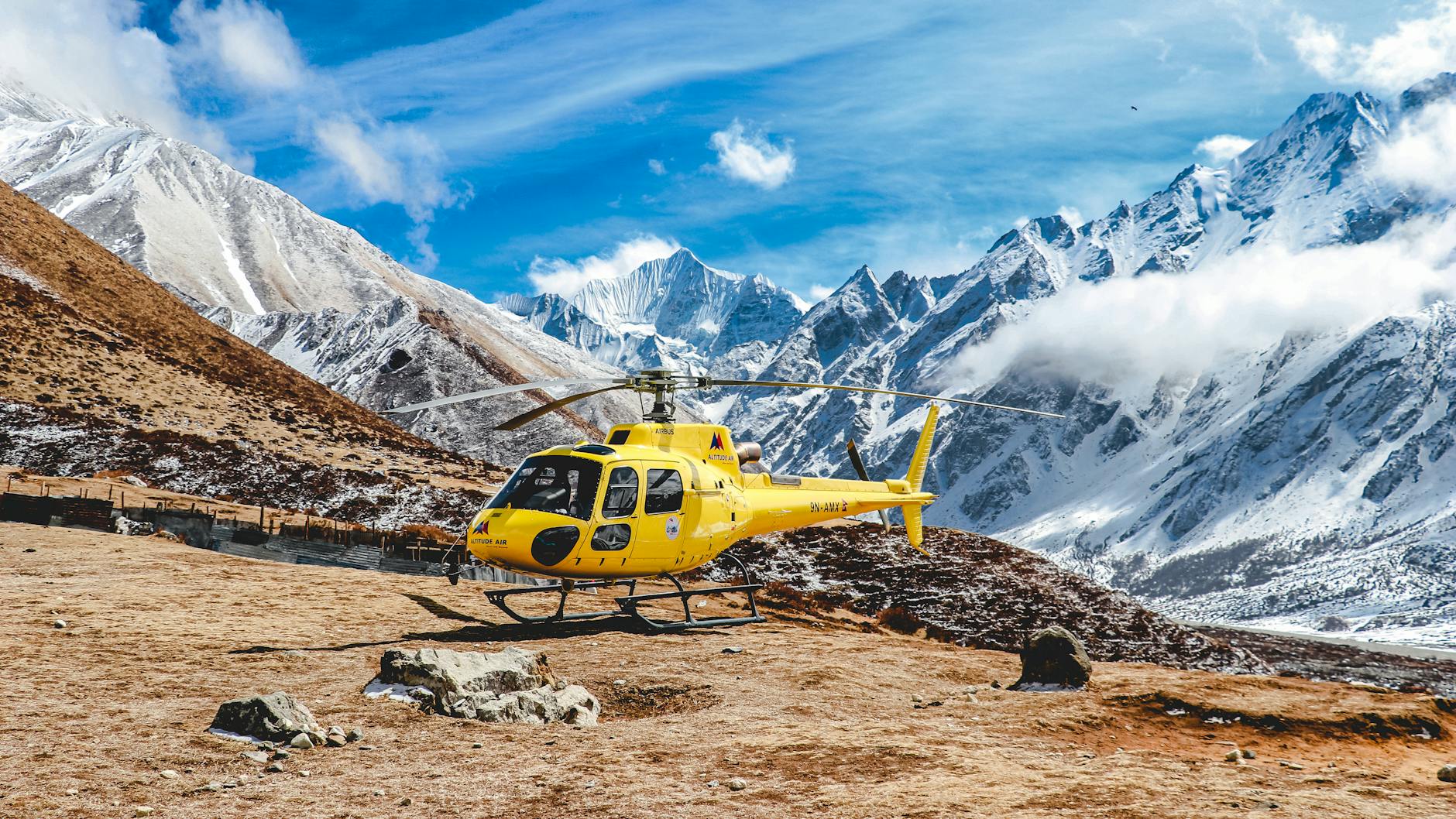
If you cannot walk or do not have the days, SASB-licensed helicopter operators run between the base camps and Panchtarni (the closest helipad to the cave). From Panchtarni you still have to walk roughly 6 km to the cave itself, so this is a partial shortcut, not a door-to-door taxi.
2026 published fares:
- Baltal ↔ Panchtarni: ₹3,250 one way / ₹6,500 round trip — flight time about 15–20 minutes
- Pahalgam ↔ Panchtarni: ₹4,900 one way / ₹9,800 round trip — flight time about 25–30 minutes
Helicopter slots open through the SASB portal in batches and sell out within minutes for prime morning windows (6 a.m. to 8 a.m.). If you want a specific date, log in five minutes before the slot release time announced by SASB and refresh hard.
A few practical notes:
- Helicopters do not fly in heavy cloud or rain. Build a buffer day into your plan, especially in late July when the monsoon is strongest in the Kashmir valley.
- Weight limit per yatri including hand luggage is usually 7–8 kg. No large duffels.
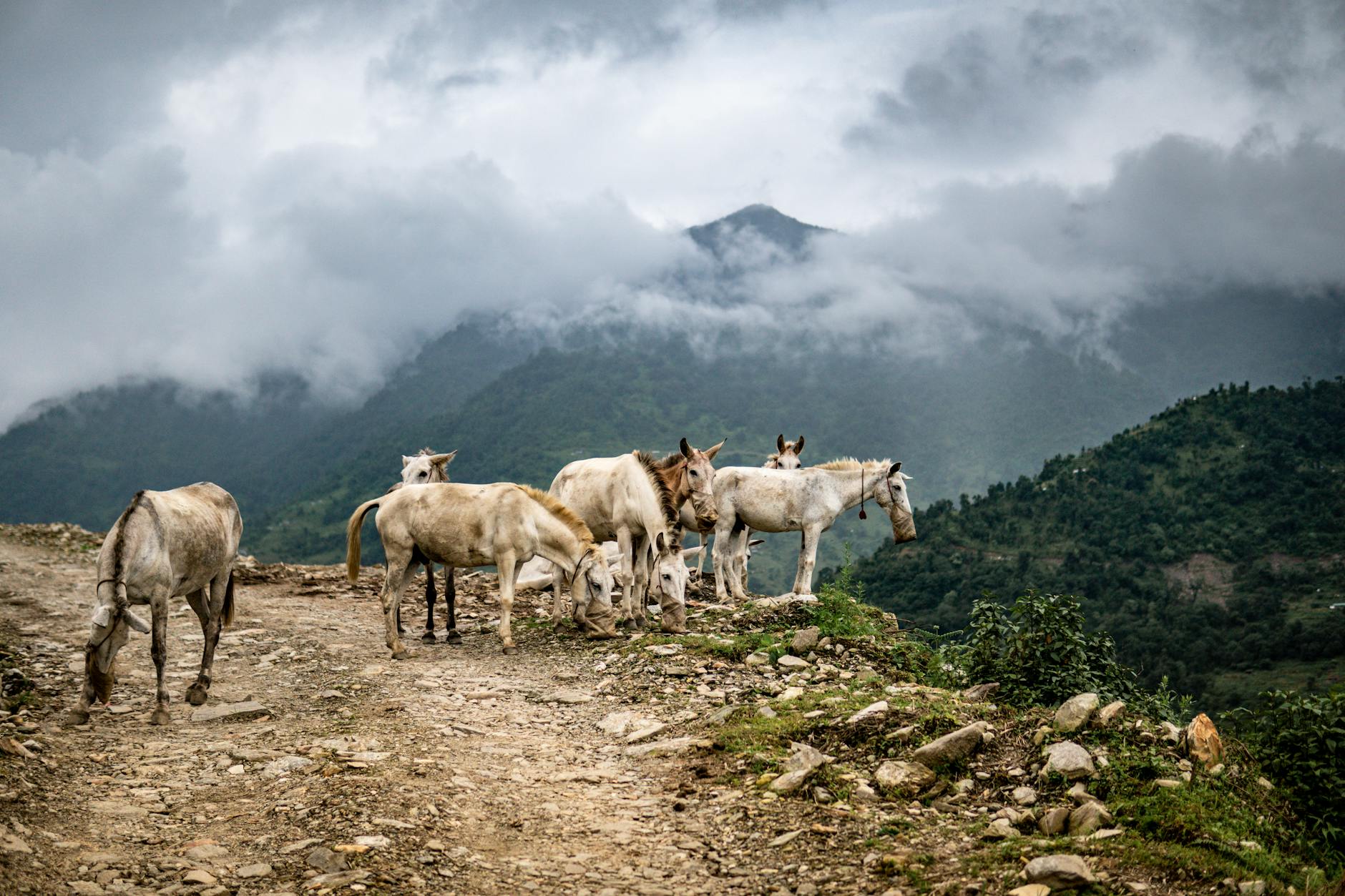
- From Panchtarni, ponies and palanquin (palki) services are available for the 6 km to the cave at fixed rates posted at the helipad.
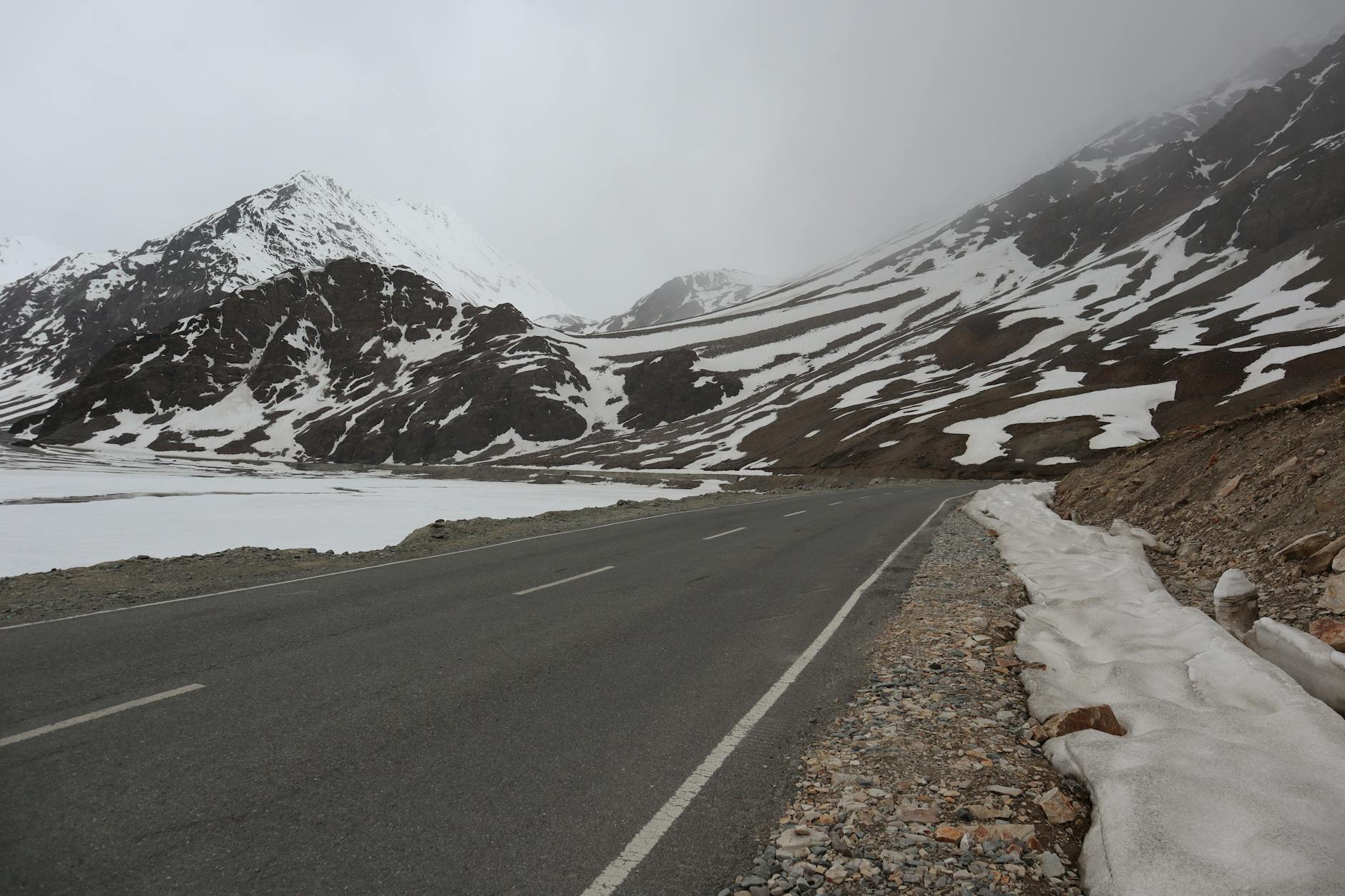
Getting to the base camps
Whichever route you choose, the journey starts with reaching Srinagar in Jammu & Kashmir, then moving to your chosen base.
If you fly
Srinagar International Airport (SXR) has direct flights from Delhi, Mumbai, Bengaluru, Ahmedabad, and a handful of other Indian metros. Round-trip fares for early July 2026 are running between ₹9,000 and ₹18,000 depending on how early you book. Book at least six weeks ahead — Amarnath season is peak demand.
If you take the train
Jammu Tawi (JAT) is the major railhead. From there, take a shared cab or pre-booked taxi to Pahalgam (about 8 hours via Anantnag) or to Baltal (about 12 hours via Srinagar and Sonamarg). Trains from Delhi, Jaipur, Ahmedabad, Mumbai and Kolkata all serve Jammu Tawi.
The Jammu–Baltal/Pahalgam leg
Yatra-season shared taxis run from Jammu’s Yatri Bhavan to both Baltal and Pahalgam. Fares vary year on year but a shared seat is typically ₹1,200–₹2,000. Private taxis are negotiable from ₹6,000 to ₹9,000 one way. Book through the J&K Tourism counter at Yatri Bhavan to avoid touts.
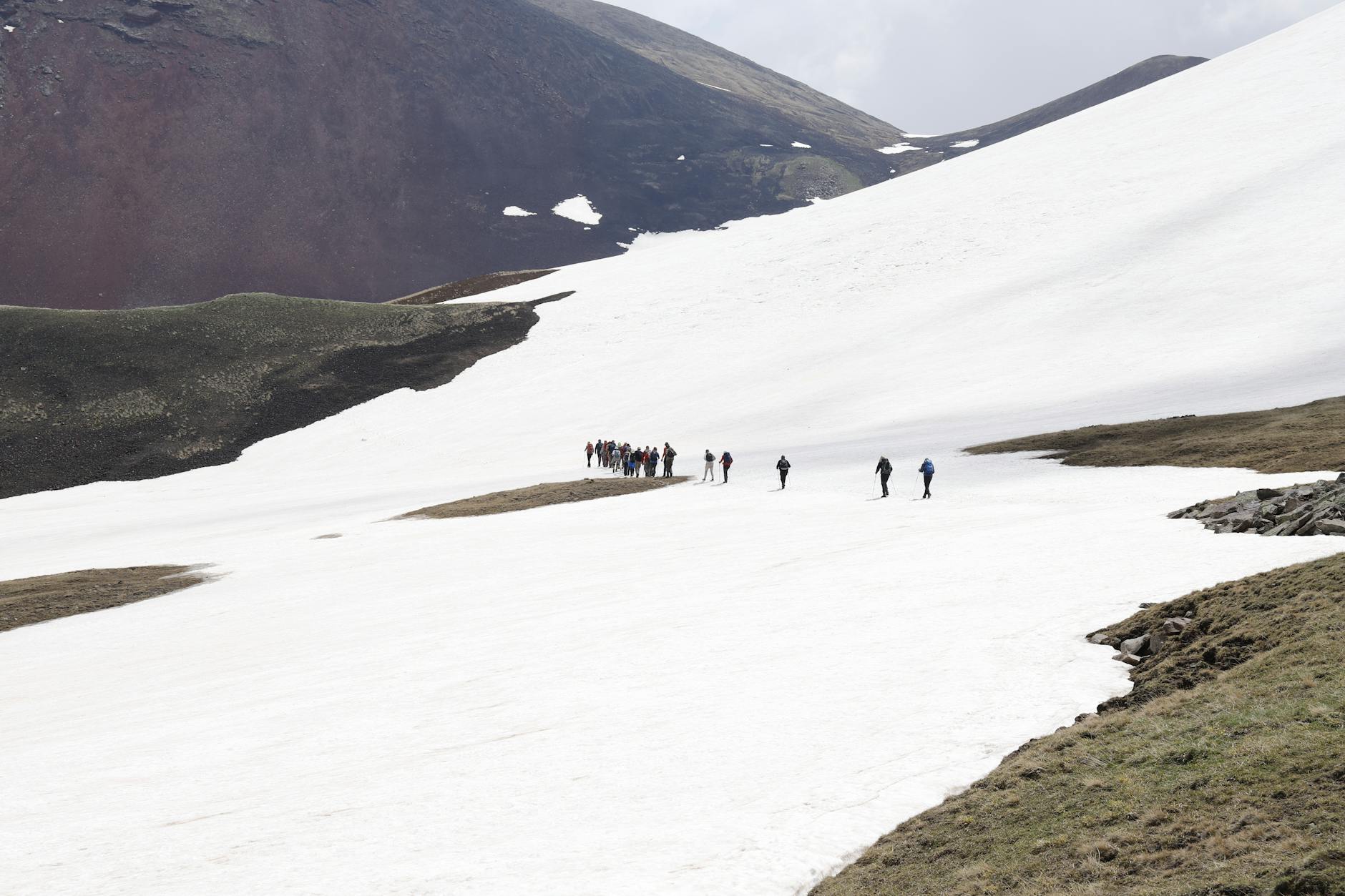
What to pack — the actual list
This is the packing list that works for both routes. Pack light. You will carry everything you bring.
- Footwear: One pair of broken-in waterproof trekking shoes with proper ankle support. Sneakers are not enough on the Pahalgam route. Carry one pair of camp slippers.
- Clothing: Two quick-dry T-shirts, two pairs of trekking trousers, thermal base layer, fleece mid-layer, and one fully waterproof shell jacket. Temperatures at the cave drop to 5–10 °C in early morning even in July.
- Rain protection: Poncho plus a rain cover for your backpack. The Kashmir monsoon arrives in the second half of July.
- Headlamp: Most yatris start walking before sunrise. A hand torch is awkward; use a headlamp.
- Trekking pole: Optional on Pahalgam, strongly recommended on Baltal.
- Documents: Printed permit, CHC photocopy, government photo ID, passport-size photos, and the SASB helpline numbers saved in your phone.
- Health kit: Diamox or another prescribed altitude-sickness medicine (talk to your doctor before, do not self-prescribe), basic painkiller, ORS sachets, BAND-AID, and anti-blister tape.
- Cash: Around ₹4,000–₹6,000 in small denominations. Card and UPI work in Srinagar, Pahalgam town, and Baltal base camp, but stop working once you are above the camps.
What to leave at home: jewellery, formal clothes, anything you would mind losing, and any unnecessary electronics. Power banks are useful but charging stations are basic.
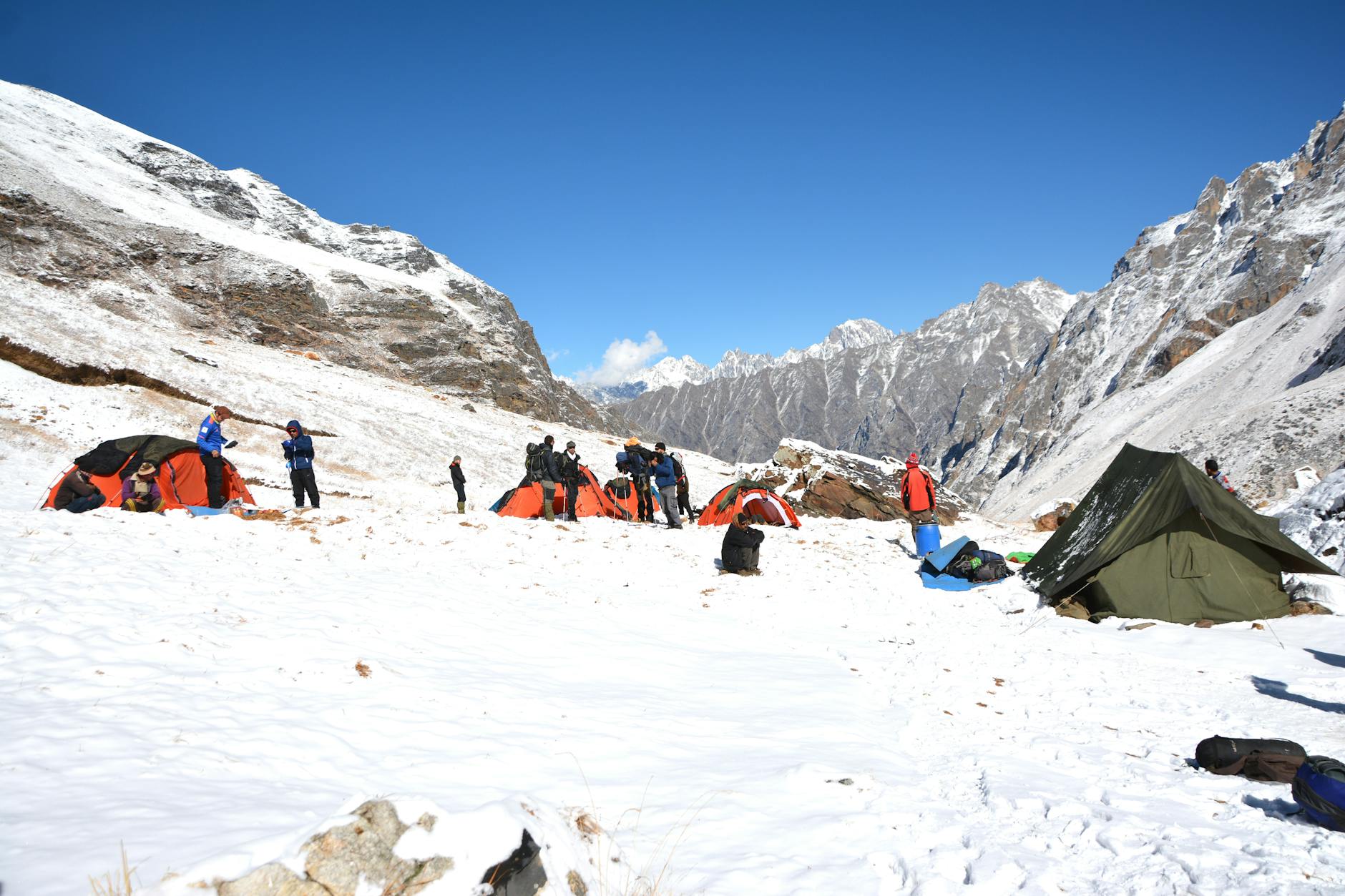
A realistic 6-day Pahalgam itinerary
This is the spread that lets a first-timer arrive, acclimatise, complete the darshan, and return without rushing the most demanding day.
- Day 1: Arrive Srinagar. Check in to a hotel near Dal Lake. Easy day. Drink water. Sleep early.
- Day 2: Srinagar to Pahalgam by road (3 hours). Check in to a Pahalgam guesthouse. Confirm pony / porter if needed. Light walk around Pahalgam in the afternoon.
- Day 3: Pahalgam to Chandanwari by shared cab (16 km, 45 minutes). Begin trek to Sheshnag (12 km, about 8 hours). Stay overnight at Sheshnag camp.
- Day 4: Sheshnag to Panchtarni (14 km, about 7 hours). Stay overnight at Panchtarni.
- Day 5: Early morning trek from Panchtarni to the holy cave (6 km). Darshan. Return to Panchtarni or Sheshnag for the night.
- Day 6: Trek back to Chandanwari. Cab to Pahalgam. Drive to Srinagar. Fly out.
For Baltal, the version of this itinerary compresses Day 3–5 into one extremely long day. Most fit yatris start the trek from Baltal at 3 a.m., reach the cave by mid-morning, and are back at Baltal by sunset.
Common mistakes to avoid
- Booking a CHC before 8 April 2026. It will be rejected. The 8 April rule is non-negotiable.
- Showing up without a printed permit. Phone signal is unreliable from Sonamarg onwards. A digital permit on a dead phone is the same as no permit.
- Trying to rush Baltal without high-altitude experience. The fastest way to end a yatra at the medical post is to charge up from Baltal at sunrise on Day 1.
- Carrying too much. If your bag is over 8 kg, you have packed too much. Repack the night before you fly.
- Underestimating the weather. Even in July, rain or snow on the upper trail can drop the temperature below 5 °C in 30 minutes.
Helplines and official sources
Save these numbers in your phone before you leave home. They are the official channels you actually want during the yatra:
- SASB helpline: +91 191 254 6315
- J&K Tourism control room (yatra season): published on the SASB website each year
- Police control room Srinagar: 100
- Emergency medical aid posts: signposted at every camp along both routes
For any update on weather closures, route changes, or registration windows, the only source you should trust is the official portal at jksasb.nic.in or its verified social handles.
Should you do the Amarnath Yatra in 2026?
If you are physically fit, have completed the CHC honestly, and have read this guide end to end, the answer is yes. The yatra is challenging but not extreme. The Pahalgam route in particular is comfortably done by anyone who can walk 12 km a day in moderate fitness.
If any of the following apply, postpone to a future year:
- You have an unresolved heart condition, severe asthma, or uncontrolled diabetes
- You have never walked above 2,500 m altitude
- You cannot block out 6 clear days for the trip
- You are travelling with children under 13 or adults over 70 — they are not eligible
For everyone else, register early, do the CHC properly, pick the right route, and treat the trek itself with respect. Har Har Mahadev.