Kenya Safari Trip 2026: e-Visa, Masai Mara & 8-Day Budget Guide
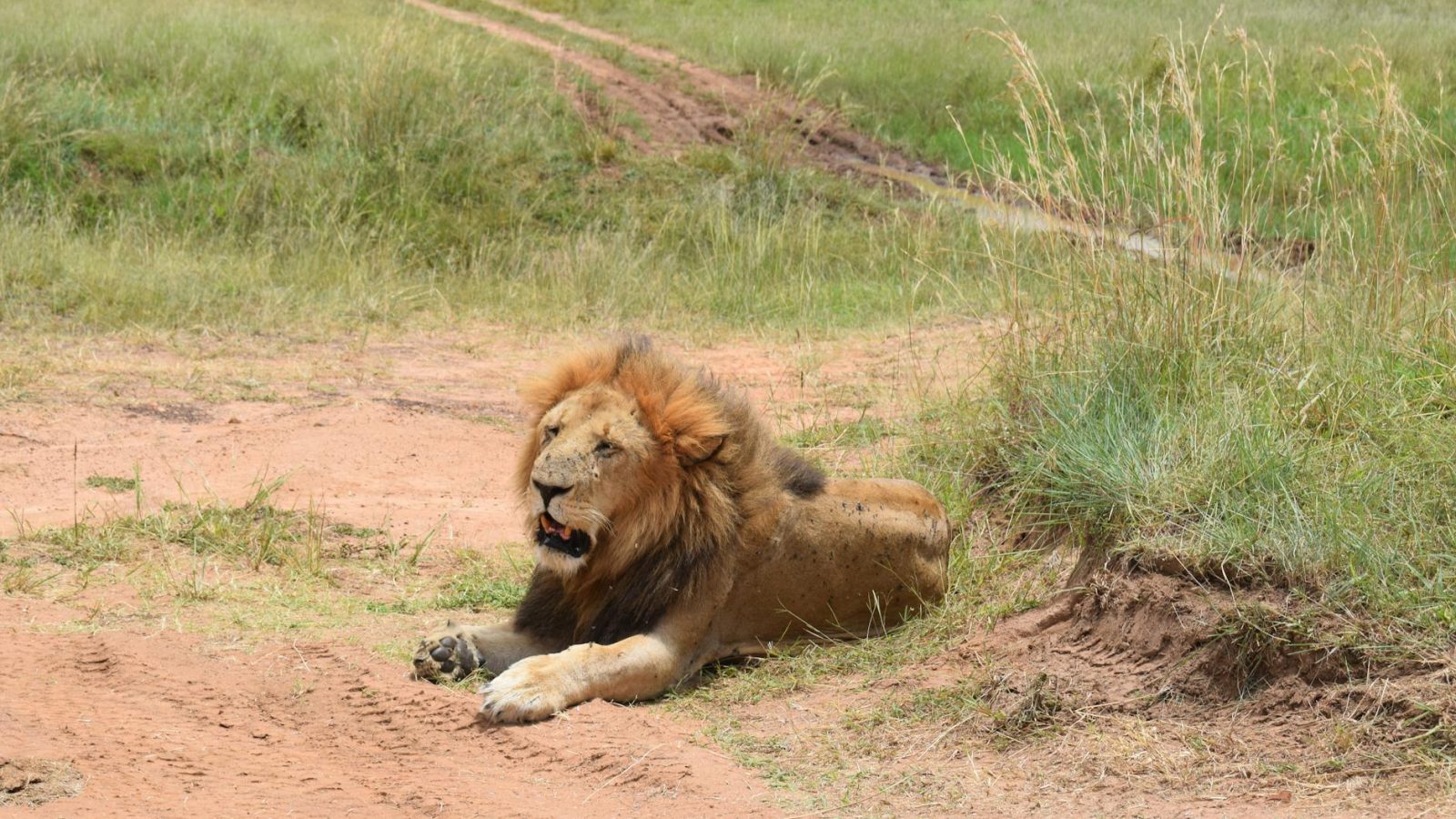
Quick answer: Kenya offers Indians an e-Visa (Electronic Travel Authorization) at $34 via etakenya.go.ke (3 working days). Peak Great Migration in Masai Mara runs July-October (river crossings); January-March is calving season. Fly into Nairobi (NBO) via Doha or Addis Ababa. A classic 7-day safari covers Masai Mara, Lake Nakuru, and Amboseli. Budget ₹2.2-3.2 lakh per person including flights, mid-tier lodges, and shared game drives. Yellow fever vaccine certificate is mandatory.
Kenya in 2026 is the best-value safari destination for Indian travellers — Masai Mara remains arguably the densest wildlife park in Africa, the e-visa is automated and quick, and direct flights from Mumbai cut what used to be a long-haul into a 6-hour trip.
The 2026 e-Visa (eTA)
Kenya switched in 2024 from traditional e-visa to an Electronic Travel Authorization (eTA) for all visitors.
- Portal: etakenya.go.ke
- Cost: $34 (approximately ₹2,900)
- Processing: 3 working days, often faster
- Documents: Passport, photo, hotel bookings, return ticket, itinerary
Flights from India
- Mumbai → Nairobi (NBO): Kenya Airways direct, 6 hours. Round-trip ₹40,000–₹70,000.
- Delhi → Nairobi: One-stop via Mumbai or Dubai. 9–11 hours. ₹45,000–₹78,000.
An 8-day Kenya safari itinerary
- Day 1: Land Nairobi. Giraffe Centre + David Sheldrick Elephant Orphanage in the afternoon.
- Day 2: Fly to Masai Mara (45 min, ₹15,000 per person, scenic). Afternoon game drive.
- Day 3–4: Full-day game drives in Masai Mara. Big Five sightings, optional Mara River hippo and croc viewing.
- Day 5: Fly to Lake Naivasha. Boat ride for hippos. Crescent Island walking safari.
- Day 6: Drive to Lake Nakuru (flamingos, rhinos). Stay overnight.
- Day 7: Drive back to Nairobi. Karen Blixen Museum, late lunch at Carnivore Restaurant.
- Day 8: Fly out.
Where to stay (lodge tiers)
- Budget camps in Masai Mara: Mara Sidai, Ashnil Mara. $150–$250/night per couple including 3 meals.
- Mid-range lodges: Ilkeliani, Fig Tree, Sentrim Mara. $300–$500/night.
- Premium tented camps: Mara Intrepids, Mara Serena, & Beyond Bateleur. $700–$2,500/night including game drives.
Costs in 2026
- Kenya safari operator package (8 days, mid-range): $1,800–$3,000 per person (₹1,50,000–₹2,50,000)
- Kenya Wildlife Service park fees: $80–$100/day per person (already in most packages)
- Masai Mara hot-air balloon: $475 per person (sunrise, includes champagne breakfast)
- Carnivore Nairobi all-you-can-eat: ₹4,500
8-day budget — tiers (per person)
- Budget: ₹1,30,000–₹1,80,000 — direct flight, group camps, shared safari vehicles
- Mid-range: ₹2,00,000–₹2,80,000 — mid-tier lodges, private vehicles for game drives
- Premium: ₹4,00,000+ — luxury tented camps, internal flights, hot-air balloon
The honest verdict
Kenya in 2026 is the destination that finally delivers on the safari fantasy without the African price ceiling — Mumbai direct flight, Masai Mara packed with wildlife, and 8 days that genuinely fit a single trip. Pre-book your safari operator before applying for the eTA (you need the itinerary). Pay extra for a Mara River crossing window (July–October migration) or a hot-air balloon morning.
Kenya safari insider hacks 2026
The Great Migration is technically July-October but the actual river crossings happen for only 3-5 days per year, unpredictably. Book a tracking-focused safari with a guide who can move you to crossings — Asilia Africa and Gamewatchers Safaris specialise in this. Skip the standard Masai Mara group tours (you sit packed with 8 strangers) — Kicheche Mara Camp or Mara Plains offer private vehicle inclusions for ₹15,000 more per day but completely change the experience.
Money saving on Kenya safari
Self-drive safaris are NOT recommended for first-timers but if you must, rent from Karen Country Lodge (Nairobi) for ₹8,500/day vs ₹12,500 at Avis. Bring binoculars from India (Nikon Aculon at ₹4,500) — renting at Mara entrance is ₹2,500 for 5 days. Tip generously — your spotting guide earns ₹600/day baseline; a ₹3,000 tip for excellent service is appreciated and remembered for return visits.
Related guides on PunyaPaths
- Morocco Trip 2026: Visa-Free, Marrakech to Sahara & Real Budget for Indians
- Mauritius Trip 2026: Visa-Free, 7-Day Itinerary & Honest Budget
- Amarnath Yatra 2026: Complete Registration, Routes & Helicopter Guide
Sources: Kenya eTA portal (etakenya.go.ke); Kenya Wildlife Service park fees; published 2026 safari operator rates.
Best time for a Kenya safari
The Great Migration peaks in July–October at Masai Mara — river crossings, predator action, packed lodges. December–February has dry conditions and excellent visibility but fewer wildebeest in the Mara (they’re back in Tanzania). The “short rains” (November) and “long rains” (April–May) make some camps inaccessible but cut prices in half — for repeat safari-goers this is the value sweet spot.
Common mistakes Indian travellers make
Booking the cheapest Masai Mara lodge. Many budget camps are 30–60 minutes outside the conservancy gates — you’ll lose 2 hours per day in commute. Pay 15–20% more for in-conservancy stays like Olare Motorogi or Mara North.
Carrying long lenses but skipping safari shoes. Open-side game drive vehicles get dusty and cold mornings drop to 12°C. Pack closed shoes, fleece, and a buff or scarf.
Doing one game drive a day. Two drives (6 AM and 4 PM) are when predators are active. Mid-day drives are mostly birds and dozing cats.
Skipping Lake Nakuru or Naivasha. Combining Masai Mara with one Rift Valley lake adds variety — flamingos, rhinos at Nakuru, boat safari at Naivasha.
Money, SIM & connectivity
Safaricom sells tourist SIMs at Nairobi airport for around ₹800 (8GB, 30 days). M-Pesa (mobile money) is dominant — many lodges accept it. Carry ₹15,000–20,000 in USD for tips ($5–10/day per guide), curio shopping, and emergency. ATMs in Nairobi, Nakuru, Mara gate exist; outer conservancies don’t.
Packing checklist for Kenya safari
Neutral safari clothing (khaki, olive — avoid bright colours and black/dark blue which attract tsetse flies), wide-brim hat, sunglasses, binoculars (8×42 ideal), zoom lens 200–600mm, fleece for early mornings, sturdy closed-toe shoes, malaria prophylaxis (consult doctor), and yellow-fever vaccination (compulsory for India entry on return).
FAQs about Kenya for Indian travellers
Is the Kenya e-Visa easy? Yes — apply at evisa.go.ke. Indians get a 90-day eTA, approval typically in 3 working days. Yellow Fever certificate is mandatory.
Vegetarian food on safari? Most lodges offer Indian and Indo-African vegetarian options. Carry a stash of theplas, namkeen, and instant noodles for game-drive snacks.
Self-drive vs guided? Always book a guide. The Masai Mara is huge, animal-spotting is a skill, and the radio network among guides is what gets you to leopard sightings.
Best Mara conservancy? Olare Motorogi (low vehicle density, walking safaris allowed), Mara North (mid-range value), or Naboisho (excellent leopard sightings).
Is malaria a real risk? Yes in Mara and Naivasha — start prophylaxis 2 days before entry and continue 4 weeks after return.
Sample budget breakdown for Kenya (8 nights)
Two travellers: Return flights Delhi/Mumbai to Nairobi (Kenya Airways or Ethiopian): ₹55,000–80,000 per person. Nairobi hotel (1 night transit): ₹6,000. Mara mid-range tented camp (5 nights, full board, two drives daily): ₹18,000–28,000 per person per night. Nakuru/Naivasha lodge (2 nights): ₹12,000 per night per person. Game-drive transfers and park fees: ₹15,000 per person combined. Tips: ₹6,000 per person. Realistic per-person cost for 8 nights: ₹2.20–3.20 lakh — Kenya is a premium safari destination.