Morocco Trip 2026: Visa-Free, Marrakech to Sahara & Real Budget for Indians
Quick answer: Morocco is visa-free for Indian passport holders for 90 days (effective since 2024). Best time is October-April (mild temperatures); avoid Sahara in summer (45°C+). No direct flights; connect via Doha, Dubai, or Istanbul to Casablanca (CMN). Classic 10-day loop: Marrakech (3 nights), Sahara desert camp (2 nights), Fez (2 nights), Chefchaouen (2 nights). Budget ₹1.4-2 lakh per person including flights and riad stays. Carry dirhams; bargain at souks.
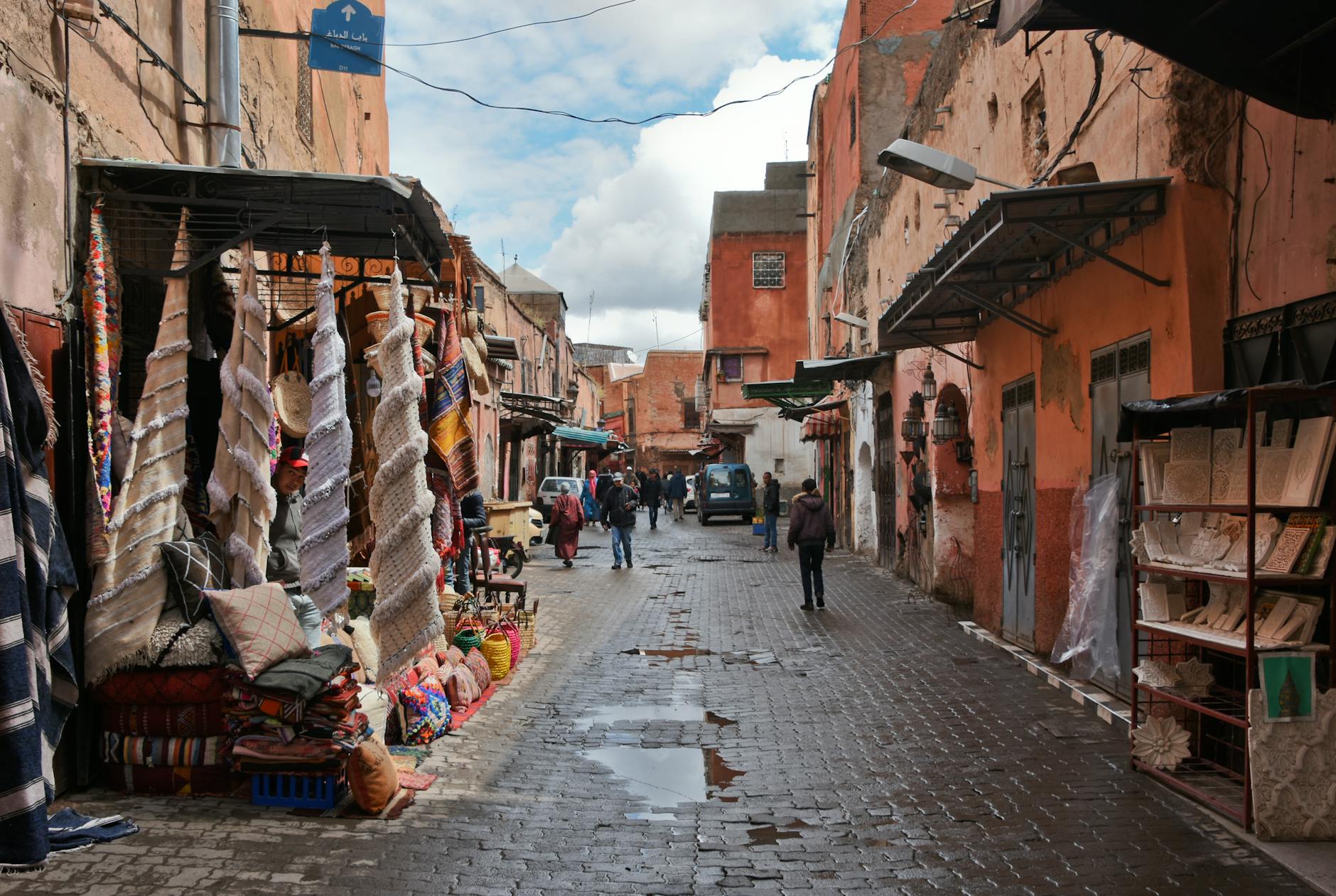
Morocco in 2026 is one of the most photogenic long-haul trips for Indians — Marrakech medinas, Fez tannery, the blue lanes of Chefchaouen, the Sahara at Merzouga, all visa-free.
The visa
Indians get 90 days visa-free entry to Morocco for tourism. Need: passport 6 months valid, return ticket, accommodation proof, sufficient funds.
Flights from India
- Delhi/Mumbai → Casablanca: One-stop via Doha (Qatar), Dubai (Emirates), Istanbul (Turkish). 12–15 hours. Round-trip ₹50,000–₹85,000.
A 10-day itinerary
- Day 1: Casablanca + Rabat
- Day 2: Train to Tangier → taxi to Chefchaouen (blue village)
- Day 3: Chefchaouen morning → drive to Fez
- Day 4: Fez medina (oldest in the world)
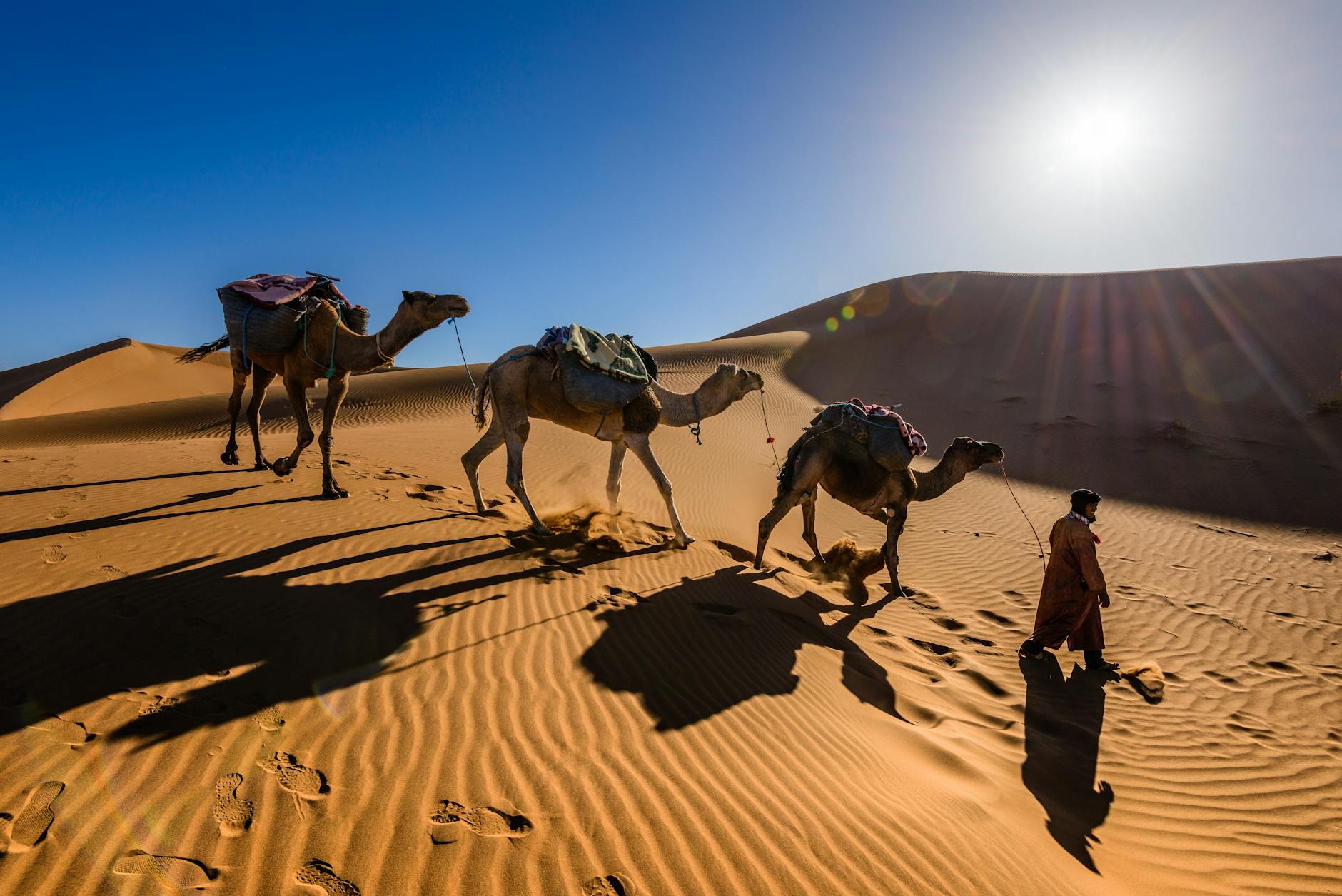
- Day 5–6: Drive to Sahara at Merzouga, camel trek to Berber camp, dunes overnight
- Day 7: Return via Dades Valley, overnight in Aït Benhaddou (UNESCO Berber village)
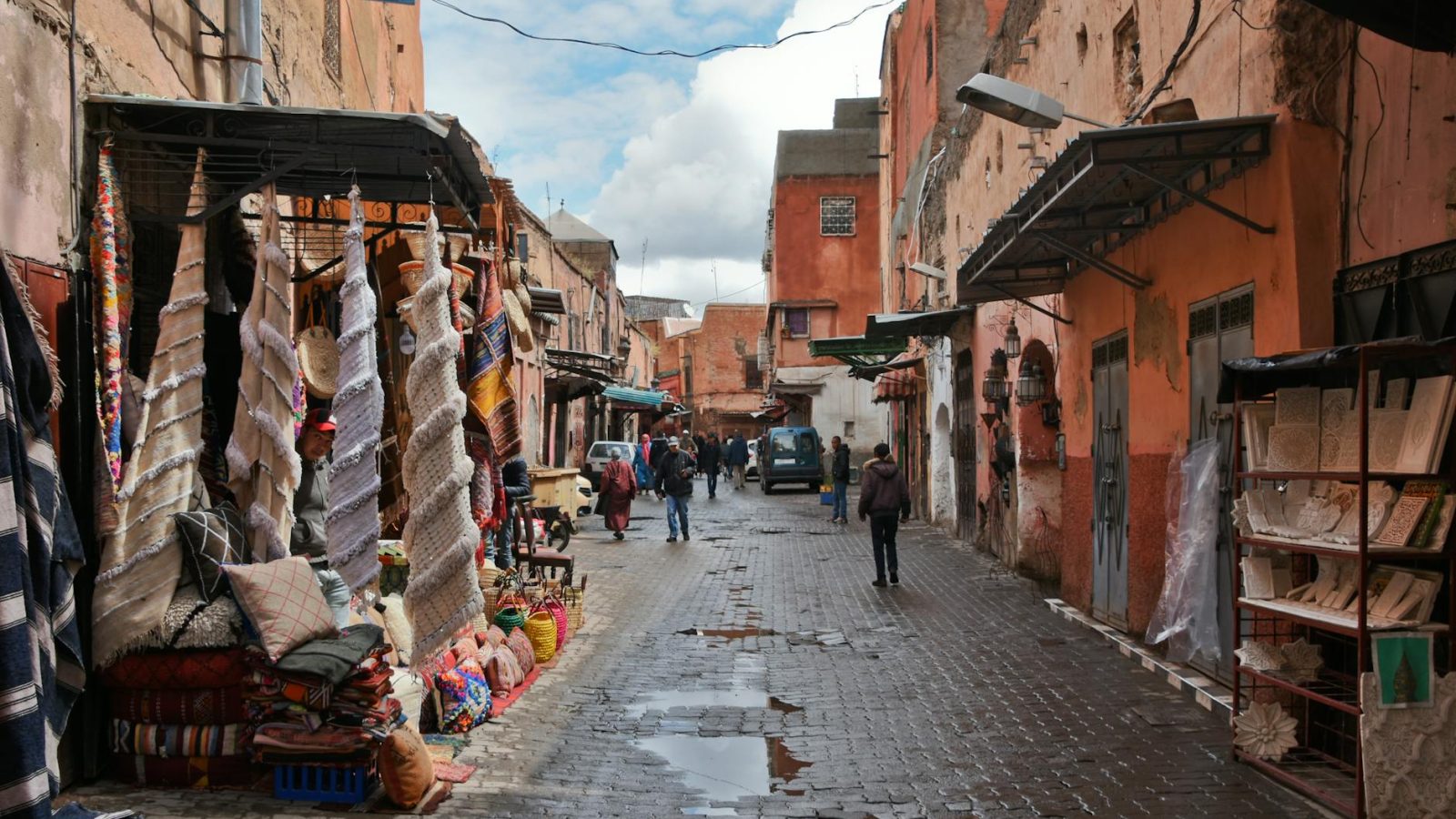
- Day 8–9: Marrakech — Bahia Palace, Saadian Tombs, Majorelle Garden, Jemaa el-Fnaa, hammam
- Day 10: Day trip to Essaouira or slow morning. Fly out.
Sahara trip — what to know
Camel trek at sunset, dinner with tagine and Gnawa music around a fire, tent overnight, sunrise return. 2026 prices: US $80–$150 (standard), US $200–$400 (luxury). Book through Marrakech or Fez operators.
Where to stay (riads vs hotels)
Stay in a riad (traditional Moroccan courtyard house) at least once. Marrakech riad: ₹3,500–₹15,000. Fez riad: ₹3,000–₹12,000. Sahara camp: ₹3,500–₹18,000.
Budget tiers (10 days)
- Budget: ₹1,00,000–₹1,30,000
- Mid-range: ₹1,50,000–₹2,00,000
- Premium: ₹3,00,000+
The honest verdict
Morocco in 2026 is the cheapest “exotic” long-haul Indian can plan — visa-free, distinctly different culture, and a price ceiling that does not hit Europe levels. The Sahara night is the photo every traveller brings home; the medinas of Fez are the surprise nobody talks about. Pair Marrakech + Sahara for a week, add Fez and Chefchaouen for the full 10-day arc.
Morocco budget hacks for Indians (2026)
The CTM bus from Casablanca to Marrakech is ₹650 with AC and assigned seats — Uber/Bolt the same route is ₹4,500. Always counter-bargain at souks — first quoted price in Marrakech medinas is 3-4x real value, target 25-40% of asking. Pre-pay your riad on arrival in local currency dirham (not euros) — saves 8-12% on the exchange. Free public hammams (Moroccan baths) cost ₹150 vs ₹3,800 at riad-branded hammams.
What honest Indian travellers say about Morocco
Fez tannery viewing from any rooftop café is FREE — touts charge ₹500-800 for “exclusive views” you can find by walking in any direction. Photography is technically restricted in Berber villages — always ask before clicking faces. Tipping in Morocco is essential and expected — ₹200 to riad staff, ₹100 to porters. Sahara desert tour booked locally in Marrakech is ₹6,500-8,500 — same tour booked online from India costs ₹15,000+.
Related guides on PunyaPaths
- Kenya Safari Trip 2026: e-Visa, Masai Mara & 8-Day Budget Guide
- Mauritius Trip 2026: Visa-Free, 7-Day Itinerary & Honest Budget
- Amarnath Yatra 2026: Complete Registration, Routes & Helicopter Guide
Sources: Embassy of the Kingdom of Morocco visa policy; aggregator fare data May 2026.
Best time to visit Morocco
October–April is the comfortable window. The Sahara (Merzouga) is unbearable from June to August (45°C+ in shade), and Marrakech becomes oppressive in summer. Chefchaouen and Fez are pleasant most of the year. December–February brings cold desert nights — pack layers if you’re doing Merzouga in winter.
Common mistakes Indian travellers make
Falling for the “free tour” scam in Fez medina. Locals approach saying the medina is closed or they’ll show you the way — they then demand large tips. Use Google Maps offline or hire a licensed guide through your riad.
Not negotiating in souks. Starting prices in Marrakech’s Djemaa el-Fna market are 3–4× the real price. Always counter at 30–40% of asking and walk away if needed.
Booking budget desert tours. The ₹3,000 group desert tour from Marrakech often means a rushed schedule, mediocre camp, and tourist-trap stops. Pay ₹6,000–8,000 for a 3-day tour with a proper Berber camp at Erg Chebbi.
Wearing shorts in Fez or Chefchaouen. Morocco is conservative outside the beach towns. Both men and women should cover shoulders and knees in old medinas, especially around mosques and madrasas.
Money, SIM & connectivity
Morocco uses the Moroccan Dirham (MAD) — closed currency, meaning you can’t get it in India. Withdraw at Casablanca/Marrakech airport ATMs on arrival. Maroc Telecom and Inwi sell tourist SIMs at the airport for around ₹1,200 (10GB, 30 days). Carry small notes (20, 50 MAD) for taxis and tips.
Packing checklist for Morocco
Scarf or shawl (women, for medinas and mosques), comfortable closed shoes for Fez’s slippery medina lanes, a warm jacket for desert nights, sunglasses and sunscreen, hand sanitiser, and a small headtorch for the Sahara camp.
FAQs about Morocco for Indian travellers
Is Morocco really visa-free for Indians? Yes, Indian passport holders get 90 days visa-free on arrival as of 2026. Just carry confirmed return ticket and accommodation booking.
Marrakech or Fez — which first? Most travellers start with Marrakech (easier airport, lighter introduction), then Fez (more intense medina experience). If you only have 5 days, pick one — they’re 7 hours apart by train.
Is the Sahara worth the detour? Absolutely yes — a night at Erg Chebbi dunes is the highlight for most travellers. Don’t substitute the Sahara with Zagora (closer but flat and less dramatic).
Vegetarian food in Morocco? Tajines come in vegetarian versions (vegetable tajine, kefta-free), couscous can be ordered without meat, and harira soup is vegetarian. Marrakech has a few Indian restaurants. Riad breakfasts are vegetarian by default.
How many days minimum for Morocco? 8–10 days for Marrakech + Fez + Chefchaouen + Sahara. Anything less and you’ll be exhausted from transit.
Sample budget breakdown for Morocco (9 nights)
A typical Marrakech–Fez–Chefchaouen–Sahara loop for two Indian travellers in 2026: Return flights Delhi/Mumbai to Casablanca (1-stop, Etihad or Qatar): ₹70,000–90,000 per person. Riad stays in Marrakech (mid-range): ₹4,500–7,000 per night. Fez riads: ₹4,000–6,500 per night. Chefchaouen guesthouse: ₹3,000–4,500 per night. 3-day Sahara tour with Erg Chebbi camp: ₹15,000–22,000 per person. Train Marrakech–Fez (first class): ₹2,500 per person. Private transfer Fez–Chefchaouen: ₹6,500 (split between 4). Meals: ₹1,800 per couple per day. Entry tickets (Bahia Palace, Madrasa Bou Inania, etc.): ₹3,000 per person combined. Realistic per-person cost for 9 nights: ₹1.40–1.85 lakh, excluding shopping.