Hampi UNESCO Trip 2026: Virupaksha, Vittala Chariot & Vijayanagara Ruins
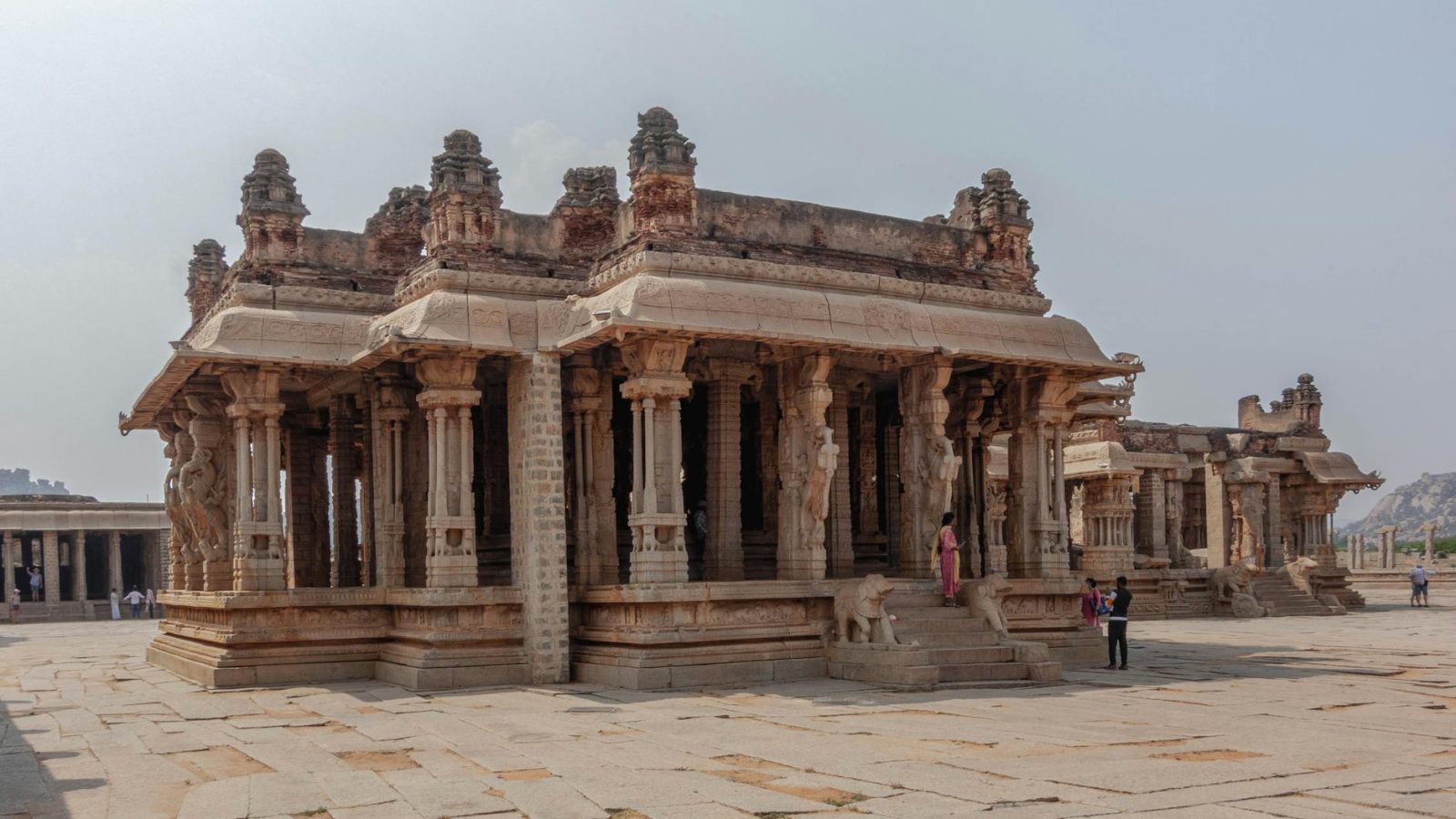
Quick answer: Hampi in Karnataka is a UNESCO-listed boulder kingdom where the Vijayanagara Empire’s ruins meet surreal landscape. Begin at the living Virupaksha Temple, marvel at the stone chariot inside Vittala Temple, watch sunset from Hemakuta Hill, and try a coracle ride on the Tungabhadra. Base yourself in Hospet (12km), the nearest railhead. October to February is most comfortable. Two days cover the highlights; three lets you boulder-hop properly.
Hampi is the kind of place that ruins other ruins for you. Once you have seen the stone chariot at Vittala temple framed by surreal boulder fields, climbed Matanga Hill at 5 am to watch the sun rise over what was once the world’s second-largest city, walked through Virupaksha temple where worship has continued unbroken for 1,300 years — most other archaeological sites in India start to feel like cardboard cutouts.
This guide is for the history-curious Indian traveller, for couples wanting a 3-4 day off-the-grid trip from Bengaluru or Hyderabad, and for photographers who love texture and scale. It’s not for those who need plush five-star comforts (Hampi has limited luxury) or who want a typical temple-darshan-only pilgrimage.
Getting there
Hampi has no airport. The nearest are Hubli (HBX), 150 km / 3 hours, Bengaluru (BLR) 340 km / 6.5 hours, and Hyderabad (HYD) 380 km / 7 hours. Vidyanagar (VDY) inside Jindal Steel township is closer (40 km) but has very limited flights.
Hospet (HPT) railway station is 13 km from Hampi and is the main rail entry point. The Hampi Express from Bengaluru (Yesvantpur) is the most popular train — overnight, 9 hours, Rs 350 sleeper, Rs 950 3AC. From Hyderabad, the Tungabhadra Express takes 11 hours. Hampi-Hospet auto costs Rs 200-300.
By road from Bengaluru, the drive via NH-48 and SH-19 takes about 6.5 hours. Self-drives are common. KSRTC Airavat sleeper bus runs from Bengaluru Majestic to Hospet (Rs 800-1,200, 8 hours).
Day-by-day itinerary (4 days)
Day 1 — Arrival and Sacred Centre. Reach Hampi by noon. Check in at Hampi Bazaar side or across the river at Sanapur/Virupapur Gaddi. After lunch, explore the Sacred Centre — Virupaksha temple (the only continuously functioning temple in Hampi, dedicated to Shiva-Virupaksha), Hampi Bazaar street, Hemakuta hill complex (excellent for sunset, smaller temples scattered across the hill). The 50-foot Krishna temple and underground Shiva temple are nearby. Sunset from Hemakuta is unmissable — boulders glow orange, no entry fee.
Day 2 — Royal Centre and Vittala. Start early — 6 am at Matanga Hill for sunrise. The 30-minute climb up uneven stone steps is steep but rewarding; you see the entire boulder-strewn landscape light up. Breakfast back at hotel. Then take the electric vehicle (Rs 30) or walk 2 km to Vittala temple complex — home to the iconic stone chariot (now on the Rs 50 note), the musical pillars (lightly tapped, they produce notes — though striking them is now banned to preserve), and the Mahamandapa. After lunch, explore the Royal Centre — Lotus Mahal, Elephant Stables, Mahanavami Dibba, Pushkarani stepped tank, Queen’s Bath, Hazara Rama temple. Total Rs 40 single-entry ticket covers Vittala, Lotus Mahal and Elephant Stables for 24 hours.
Day 3 — Anegundi and across the river. Take a coracle (round wicker boat) across the Tungabhadra from Hampi to the Virupapur Gaddi side — Rs 100 per head, the coracle ride itself is a Hampi must. Then visit Anegundi village (the older, original Vijayanagara capital, mentioned in the Ramayana as Kishkindha). Sites: Anjaneya Hill (Hanuman temple, 575 steps, beautiful sunset), Pampa Sarovar, Durga temple, ancient ruins along the river. Many people also rent bicycles (Rs 200 a day) or scooters (Rs 400 a day) to cover Anegundi properly.
Day 4 — Sunrise at Hanuman temple and exit. Cross river again at 5:30 am for Anjaneya Hill sunrise (or do Matanga again if you skipped Day 2). Return for breakfast and check-out. Last visit to Hampi Bazaar for shopping. Drive/train back to Hospet by lunch, onward connection by afternoon-evening.
Where to stay
Hampi has two sides — Hampi Bazaar (south, dry, temple-side, mostly Indian tourists and pilgrims) and Virupapur Gaddi/Sanapur (north of river, lush green, more bohemian, mostly foreigners). Strict zoning now restricts new construction near monuments, so options are limited.
Hampi Bazaar side: Hyatt Place Hampi (Rs 7,500-12,000, the only large-scale modern hotel), Hampi Boulders Resort (Rs 6,500-10,000), Kishkinda Heritage Resort (Rs 5,500-8,000). Budget guesthouses in Hampi village proper at Rs 800-2,000.
Across the river (Virupapur Gaddi): Mowgli Resorts, Hampi’s Boulders (different from above), Shanthi Guest House and Goan Corner — riverside bamboo huts and cottages at Rs 1,800-4,500. Note: the coracle stops at sunset, so plan around timings if staying across.
Common mistakes
- Coming in summer (April-June). Hampi sits in a rocky valley that heats up to 42°C. Stones radiate heat. Plan for October-February only.
- Trying to walk between sites. The total area is 26 sq km. Without a scooter, cycle or auto, you exhaust yourself by Day 2.
- Missing sunrise/sunset on the hills. Day-time photographs are flat. The boulders look magical only at golden hour.
- Booking a hotel without checking river-side. If you stay across the river and miss the last coracle (around 6 pm in winter), you are stranded for the night.
- Not carrying water and snacks. Vittala area, Anegundi and Matanga have no shops. Days are long and walks are dehydrating.
Vegetarian food
Hampi is officially a no-meat, no-alcohol zone within the temple precincts — so Hampi Bazaar restaurants are almost all vegetarian. Mango Tree Restaurant (long-standing favourite, banana-leaf thali Rs 200) is the local institution. Funky Monkey across the river does Israeli, Italian and Indian vegetarian for Rs 200-400. Laughing Buddha (riverside) is a backpacker classic with pancakes, hummus and dosa. Try the Kingfisher juice stalls (the fruit, not the beer) for fresh sugarcane and lime sodas. Hospet town has more options including non-vegetarian for those wanting variety after 3 days of vegetarian — Hotel Malligi has a decent veg-non-veg menu. Local Karnataka food: jowar roti with brinjal-tomato curry, palya, ragi mudde, and South Indian filter coffee at Rs 30 in any local cafe.
Money, SIM and connectivity
Jio and Airtel work fine in Hampi Bazaar. Across the river, signals can be patchy — sometimes only Jio works. 4G stable, no 5G yet. ATMs are only in Hospet town; Hampi has just 1-2 that often run out. Carry Rs 6,000-8,000 cash. UPI works at restaurants and most guesthouses on the Bazaar side, less reliable across the river. Kannada is the local language but most tourist-area people speak English; Hindi is understood at hotels.
Packing checklist
- Quality walking shoes with grip (boulders are slippery in places)
- Sun hat, sunglasses, sunscreen SPF 50
- Light cotton clothes plus one warm layer for early-morning hill climbs
- Reusable 1-litre water bottle
- Headlamp or torch (sunrise climbs in dark)
- Camera with wide-angle and telephoto lens
- Small first-aid kit, anti-diarrhoea tablets
- Cash in small denominations for entry tickets, autos, coracle
FAQs
How many days for Hampi? Minimum 3 nights / 4 days for a proper visit. 2 nights feels rushed. 5-6 nights for those who want to explore Anegundi, Daroji bear sanctuary and Tungabhadra dam too.
Is Hampi a UNESCO site? Yes, declared a World Heritage Site in 1986. The “Group of Monuments at Hampi” covers 1,600+ surviving remains.
Can I climb the boulders? Yes — bouldering and rock climbing are popular activities. Mowgli Boulders and a few local guides arrange beginner-friendly sessions for Rs 1,500-2,500.
Is Hampi safe for solo women travellers? Yes, including the across-river bohemian section. Stick to recognised guesthouses and avoid isolated ruins after sunset.
Is alcohol available? Banned within the Hampi heritage zone. Available in Hospet town hotels.
Are guides needed? Strongly recommended for at least the first day. ASI-licensed guides charge Rs 1,200-2,000 for a half-day. They make a huge difference at Vittala and the Royal Centre.
Sample budget breakdown (per person, 4 days, mid-range)
- Train from Bengaluru to Hospet (return, 3AC): Rs 1,900
- Hotels (3 nights, mid-range, shared): Rs 5,500
- Scooter rental (3 days): Rs 1,200
- Coracle, electric vehicle, autos: Rs 600
- Monument entries, single combined ticket: Rs 200
- Food (4 days): Rs 2,500
- Guide (1 full day): Rs 1,000 (shared between 2)
- Shopping, miscellaneous: Rs 1,000
- Buffer: Rs 1,000
- Total: approximately Rs 14,900 per person