Vietnam 2026: 90-Day e-Visa, 10-Day Itinerary & a Real Budget from India
Quick answer: Vietnam offers Indians a 90-day e-visa at $25 via evisa.gov.vn (3-5 working days). Best time is November-April (dry, cool). No direct flights from India; connect via Bangkok, Kuala Lumpur, or Singapore. Classic 10-day route: Hanoi to Ha Long Bay to Hoi An to Ho Chi Minh City. Budget travelers can do it in ₹55,000; mid-range ₹1-1.5 lakh; luxury ₹2.5 lakh+. Carry USD for tips and small purchases.
Vietnam in 2026 is one of the most underrated international trips an Indian can plan. The e-visa is online, costs $25 (around ₹2,150), is valid for 90 days, and lets you enter through 83 airports, seaports, and land borders. The country itself stretches 1,650 km from the misty north to the Mekong delta in the south — and for once, that variety is genuinely navigable in 10 days without rushing.
This is a planning guide for a 10-day Vietnam trip from India in 2026. The e-visa step by step, the north-to-south route every first-timer should follow, what each city actually costs, and how to avoid the small mistakes that drain your budget.
Why 2026 is a strong year for Vietnam
Vietnam’s e-visa was extended from 30 days to 90 days in August 2023, and in 2026 the system has settled in completely. Multiple-entry options exist now too, which makes Vietnam an easy base for a side hop to Cambodia or Laos. International flight capacity from India has roughly tripled since 2023 — there are direct flights now from Delhi and Mumbai, and one-stop fares from every metro have dropped sharply.
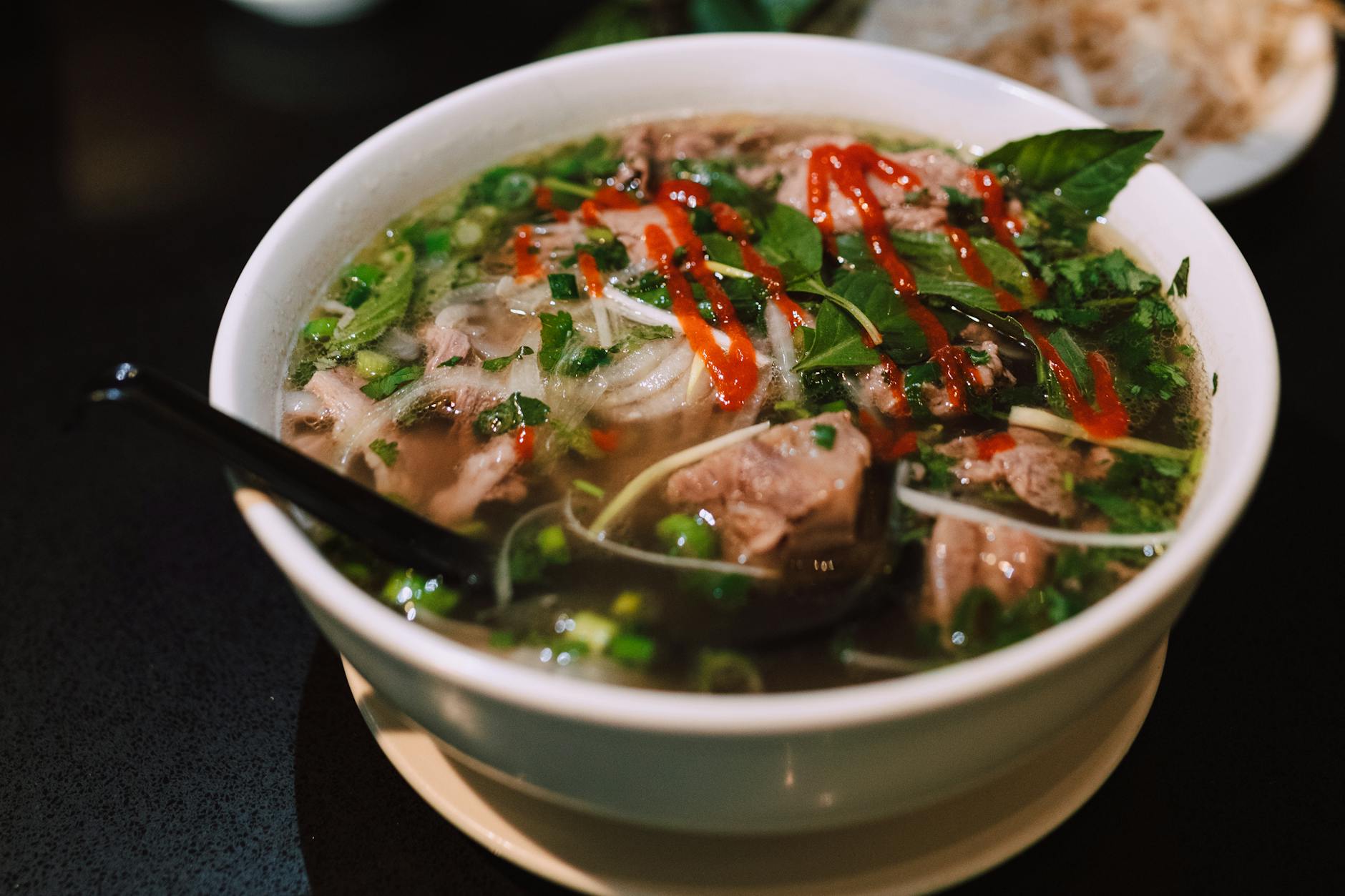
The other thing Vietnam has going for it: it remains one of the few places in South-East Asia where your rupee still buys real value. A clean private double room runs around ₹2,000 in Hanoi and Da Nang. Phở at a local stall is ₹130. A Ha Long Bay overnight cruise that would cost ₹40,000 in Maldives runs ₹12,000–₹16,000 here.
The Vietnam e-visa, step by step
The only legitimate portal is evisa.gov.vn. There is no longer a paper visa-on-arrival except in rare cases. Apply at least 5 days before you fly.
- Open evisa.gov.vn on a laptop with stable internet. The portal is finicky on mobile.
- Select For Foreigners → e-Visa Issuance.
- Upload a passport-sized photo (white background, JPEG under 2 MB) and a scan of your passport bio page.
- Fill in personal details, planned entry and exit dates, port of entry (e.g. Noi Bai Airport, Hanoi), and Vietnam address (hotel for first night is fine).
- Choose Single entry ($25) or Multiple entry ($50).
- Pay using an international debit or credit card. Note the registration number from the confirmation email — you will need it to download the visa.
- Wait 3 working days. Return to the portal, enter your registration number and check the result. Download the PDF, print one copy and save another on phone.
The fee is non-refundable even if the visa is denied. Double-check every field before paying.
Other entry requirements
- Passport with at least 6 months validity beyond your planned arrival date and 2 blank pages
- Return / onward flight ticket (rarely asked but technically required)
- Hotel booking for the first night (also rarely asked)
Flights from India in 2026
- Delhi (DEL) → Hanoi (HAN): Direct on Vietjet and IndiGo. 5 hours 15 minutes. Round-trip ₹18,000–₹28,000.
- Mumbai (BOM) → Hanoi: Direct on Vietjet. 5 hours 30 minutes. Round-trip ₹19,000–₹30,000.
- Delhi / Mumbai / Kolkata → Ho Chi Minh City (SGN): Direct or one-stop via Bangkok or Kuala Lumpur. Round-trip ₹17,000–₹29,000.
- Bengaluru / Chennai / Hyderabad → Hanoi or Saigon: Best one-stop options on AirAsia, Thai, and Singapore. Add ₹3,000–₹6,000 over direct.
The smartest play: fly into one end of Vietnam and out of the other. Booking Delhi–Hanoi outbound and Saigon–Delhi inbound (or the reverse) costs the same as a return to one city, and saves you the boring backtrack flight at the end.
Internal Vietnamese flights are very cheap. Hanoi–Da Nang or Da Nang–Saigon on Vietjet, Bamboo Airways, or Vietnam Airlines runs $25–$60 (₹2,150–₹5,200) one way booked 2–3 weeks ahead.
The 10-day north-to-south route
This is the route every first-timer should consider. It moves in one direction, hits the four most distinctive Vietnam experiences, and never makes you travel for more than 2 hours in a day between sights.
- Days 1–3: Hanoi — Old Quarter, French colonial streets, street food, lake walks
- Days 4–5: Ha Long Bay — 2-day, 1-night overnight cruise from Hanoi
- Days 6–8: Da Nang & Hoi An — Beach, lanterns, the Old Town
- Days 9–10: Ho Chi Minh City + Mekong Delta day — South energy, war history, river boats
Between cities you take internal flights (Hanoi–Da Nang, Da Nang–Saigon). The total ground travel time on this route over 10 days adds up to about 10 hours of flight plus 4 hours of taxi transfers. That is reasonable.
Days 1–3 in Hanoi — what to actually do
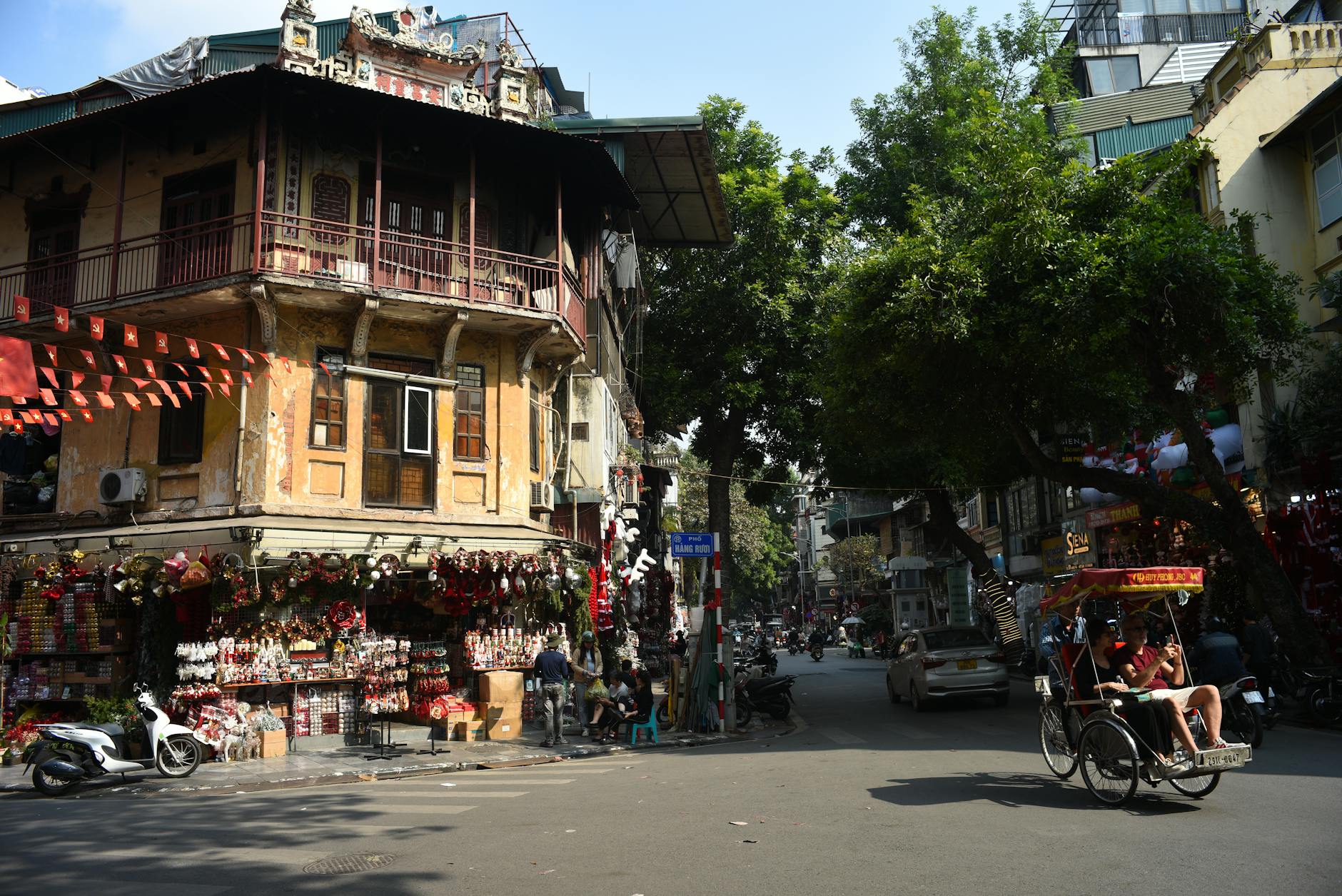
Hanoi is dense, dignified, and quietly chaotic. Skip the Hanoi day-tour buses and walk.
- Day 1. Land morning. Taxi to Old Quarter hotel (45 min, around ₹600 by Grab). Late breakfast: a bún chả at Bún Chả Tuyết. Walk Hoan Kiem Lake. Train Street experience at the slot when trains pass (4 p.m. and 7 p.m., 17 Phùng Hưng or the famous Hai Bà Trưng segment). Beer at a Bia Hơi corner for 25,000 VND (₹85).
- Day 2. Morning at the Temple of Literature (entry 30,000 VND / ₹105). Lunch: Phở Bát Đàn or Phở Gia Truyền. Afternoon at the Ho Chi Minh Mausoleum complex (closed Mondays and Fridays). Sunset walk in the French Quarter. Dinner: Cha Ca La Vong.
- Day 3. Cooking class in the morning at Apron Up or Hidden Hanoi (around 1,000,000 VND / ₹3,500, 4 hours including a market visit). Free afternoon for souvenir shopping in the Old Quarter — 36 Streets has streets named after the goods they once sold (Silk Street, Tin Street, etc.). Evening water puppet show at Thang Long Theatre (100,000 VND / ₹350).
Where to stay in Hanoi
Pick the Old Quarter (Hoan Kiem / Hang Bo / Ma May) for a first stay. Mid-range hotels with breakfast run ₹2,500–₹4,500 a night. Premium boutique stays at Hanoi La Siesta or Apricot start at ₹7,000.
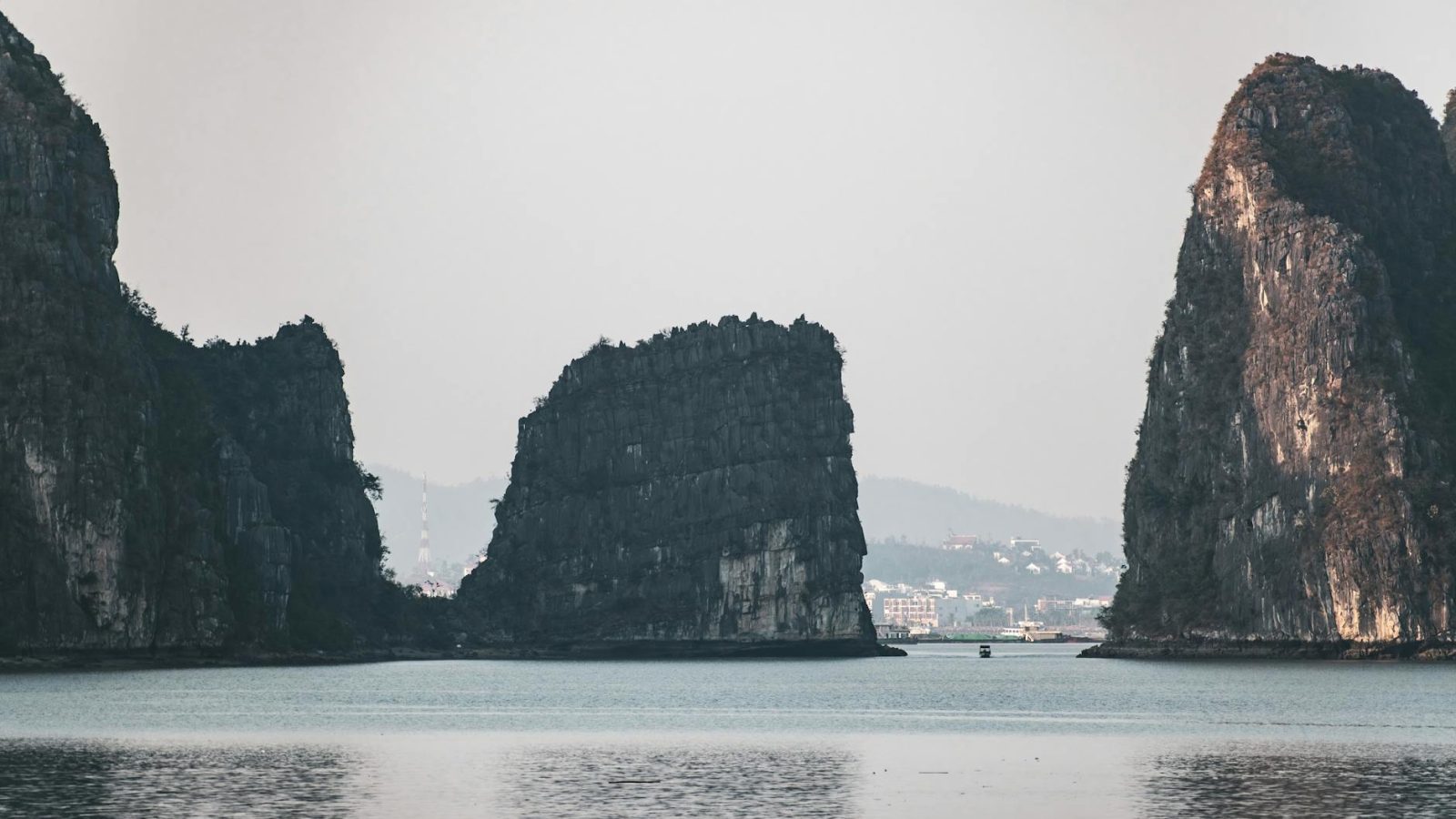
Days 4–5: Ha Long Bay overnight cruise
Pre-book this from a reputable operator before you fly. The bay is too important to gamble on a budget cruise. Read recent reviews — operators rotate quality.
What you pay (2026):
- Budget 1-night cruise (3-star): ₹6,000–₹9,000 per person — fine but no frills
- Mid-range 1-night (4-star like Indochina Junk, Bhaya Premium, Halong Hidden Charm): ₹10,000–₹16,000 — the sweet spot
- Premium 1-night (Paradise, Stellar of the Seas, Heritage Bình Chuẩn): ₹18,000–₹30,000
Most cruises include the bus transfer from Hanoi (around 2 hours each way), all meals, kayaking or a bamboo boat ride, a cave visit (Sung Sot or Thiên Cảnh Sơn), and a sunset Tai Chi session. Aim for cruises that overnight in Bai Tu Long Bay rather than the main Ha Long Bay — quieter, cleaner, the same scenery.
Days 6–8: Da Nang and Hoi An
Fly Hanoi–Da Nang in the morning. Spend the next three days in this central coast region, which packs the most variety of any zone in Vietnam.
Da Nang base
Da Nang is the modern city — beach hotels, big bridges, easier infrastructure. Stay here if you want a beach with your trip. My Khe Beach hotels are 5 minutes’ walk from the sand.
Hoi An base
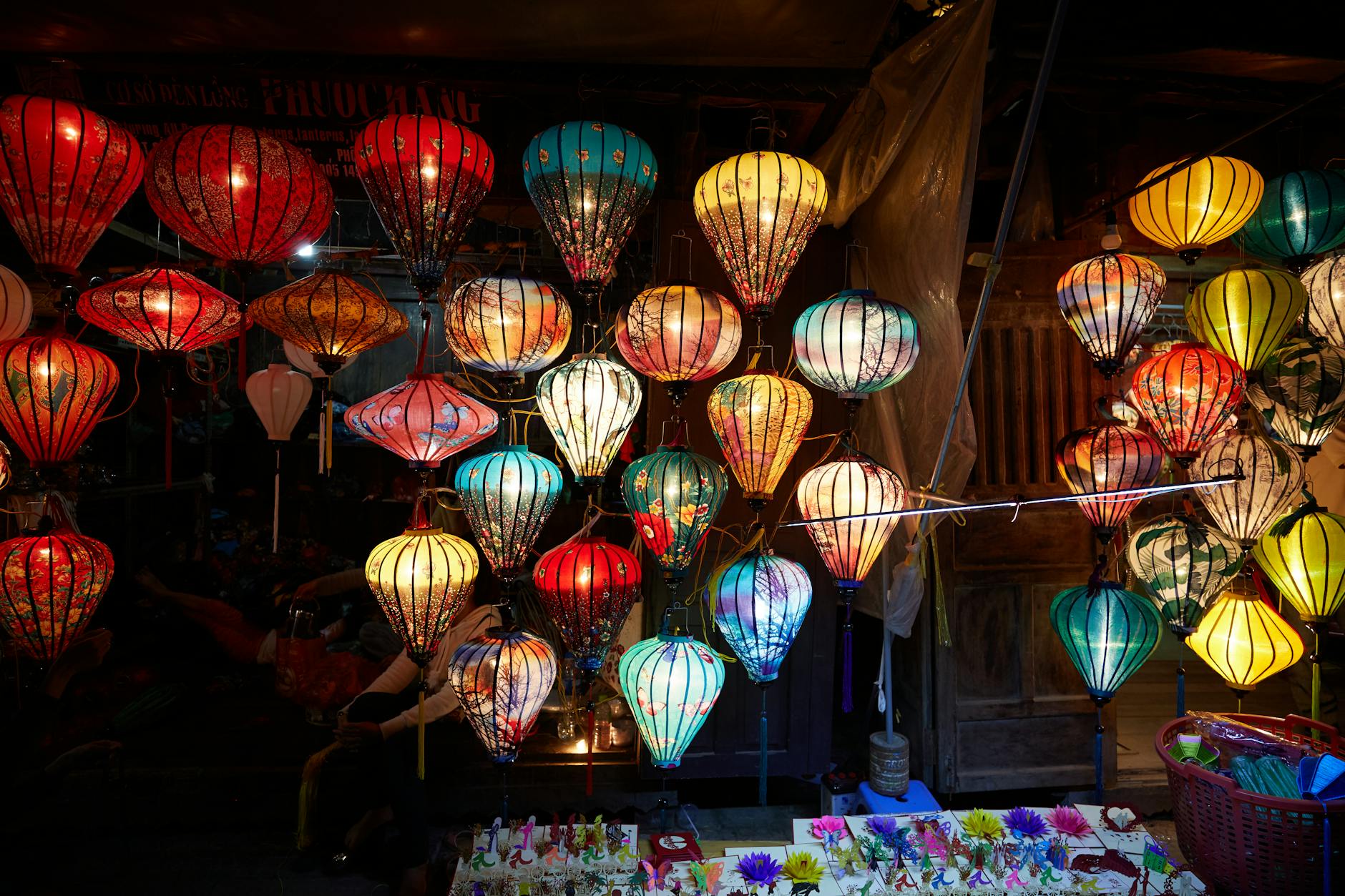
Hoi An is the heritage town — a Unesco-listed Old Town with lantern-lit streets, riverside cafés, and the most photogenic evening walk in Vietnam. Stay here if you want romance and slow days. 30-minute taxi from Da Nang airport.
The smart hybrid: 2 nights in Hoi An, 1 night in Da Nang.
- Day 6. Fly Hanoi–Da Nang. Transfer to Hoi An. Late lunch at Bánh Mì Phượng or Bánh Mì Madam Khánh (the bánh mì wars — try both). Afternoon: rent a bicycle (₹150 per day) and ride to An Bang Beach. Evening lantern walk in the Old Town.
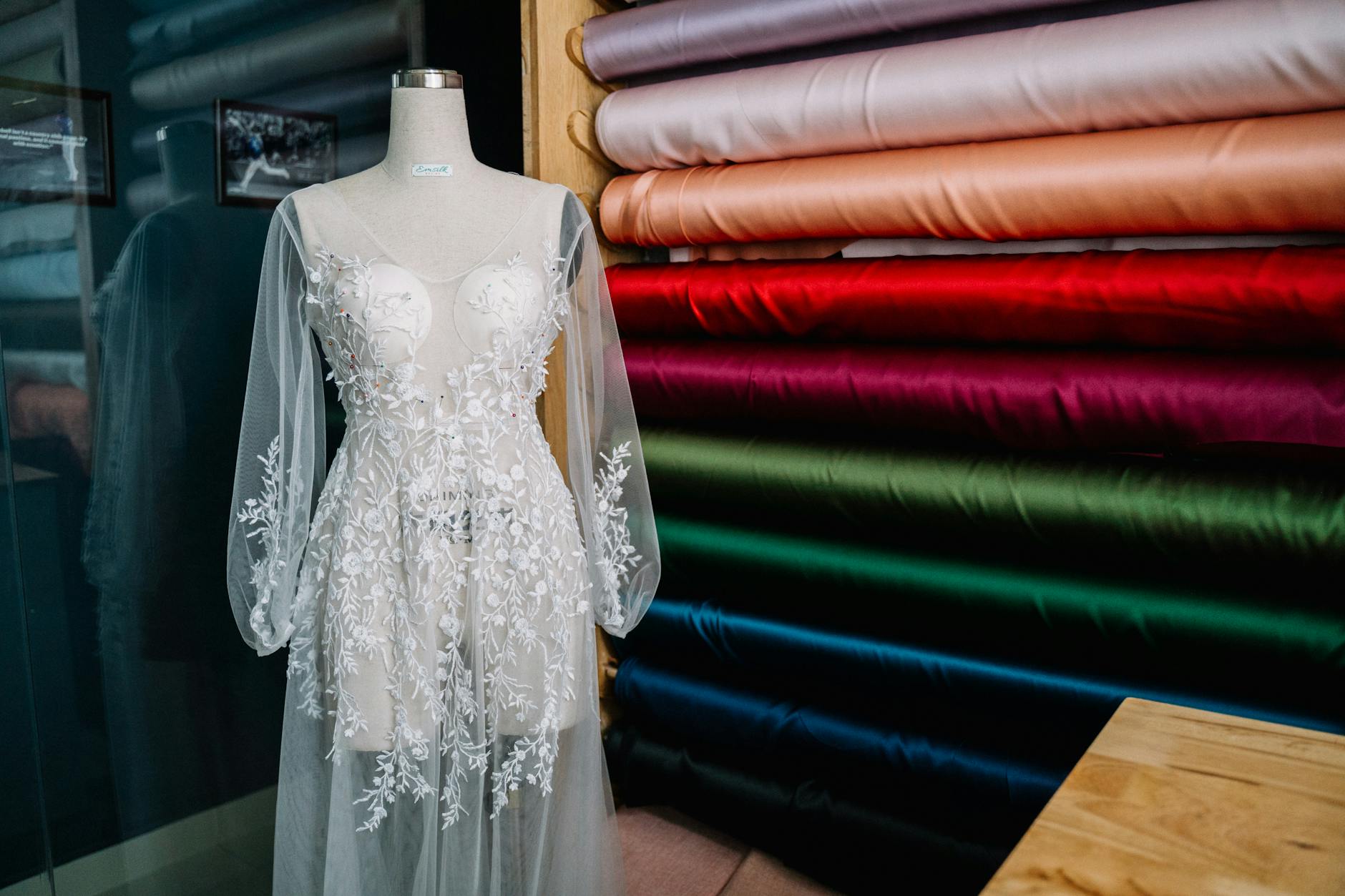
- Day 7. Tailoring morning in Hoi An — the town is famous for 24-hour custom shirts and suits (₹1,500–₹4,000 for a quality shirt; pick from BeBe, Yaly, or Kimmy). Cooking class at Red Bridge or Morning Glory. Hoi An lantern lighting on the Thu Bon River after sunset (a small wooden lantern with candle costs 20,000 VND / ₹70).
- Day 8. Transfer to Da Nang (30 minutes). Marble Mountains in the morning (entry 40,000 VND / ₹140). Lunch at Madame Lan riverside. Afternoon at the Golden Hands Bridge / Ba Na Hills (entry plus cable car 850,000 VND / ₹3,000 — fairly touristy but the photos are real). Or skip and just enjoy My Khe Beach.
Days 9–10: Ho Chi Minh City + Mekong Delta
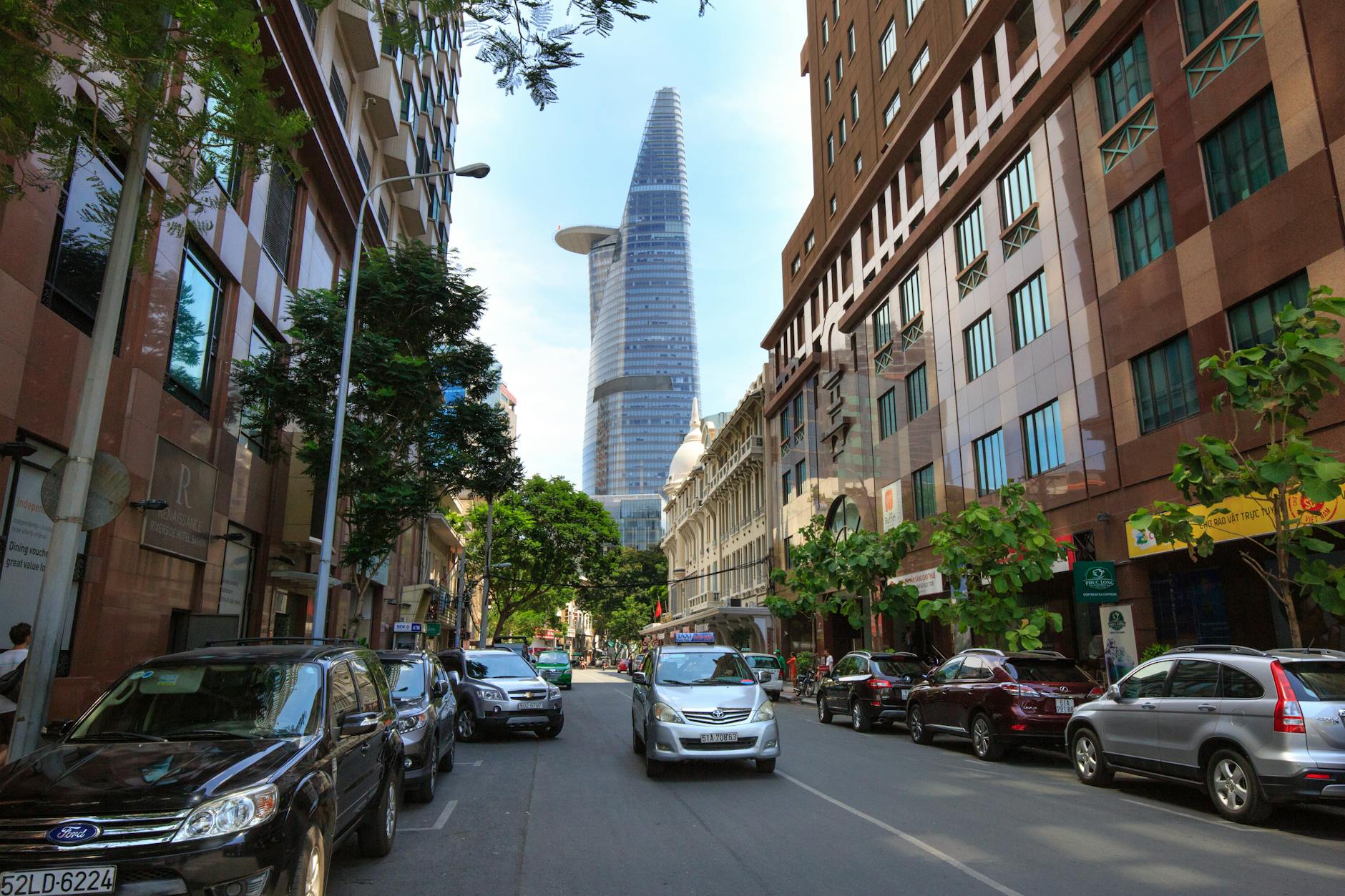
Fly Da Nang–Saigon in the morning of Day 9. Ho Chi Minh City (still informally called Saigon) is the bigger, busier, more capitalist counterpart to Hanoi. Two days is enough to hit the highlights.
- Day 9. War Remnants Museum (40,000 VND / ₹140) — one of the most thoughtfully presented war museums in Asia. Lunch in District 1. Walk to Independence Palace (40,000 VND), Notre Dame Basilica (under restoration), and Saigon Central Post Office. Sunset rooftop at Saigon Saigon Bar (Caravelle Hotel) or Chill Skybar.
- Day 10. Mekong Delta day tour (book through your hotel or Klook, around ₹2,500–₹3,500). Visit Cai Be floating market, take a sampan boat through coconut groves, eat lunch in Ben Tre. Return by 6 p.m. Late dinner. Fly out at night or next morning.
Alternative Day 10: Cu Chi Tunnels half-day (₹1,500), then free afternoon for shopping at Ben Thanh Market.
What it costs — Vietnam 2026 prices
- Phở or Bánh Mì at a local stall: 30,000–60,000 VND (₹105–₹210)
- Café meal: 80,000–150,000 VND (₹280–₹525)
- Restaurant dinner main: 150,000–350,000 VND (₹525–₹1,225)
- Vietnamese egg coffee (try it): 35,000–60,000 VND (₹120–₹210)
- Bia Hơi (street draft beer): 10,000–25,000 VND (₹35–₹88)
- Grab car short ride: 30,000–80,000 VND (₹105–₹280)
- Cyclo ride in Hanoi or Saigon: 100,000–200,000 VND (₹350–₹700) — negotiate first
- Internal flight (Hanoi–Da Nang, Da Nang–Saigon): $25–$60 one way (₹2,150–₹5,200)
- Ha Long mid-range cruise: ₹10,000–₹16,000 per person
- Hoi An tailored shirt: ₹1,500–₹4,000 depending on fabric
- Tourist SIM (10–15GB): 200,000 VND (₹700)
The 10-day budget — three tiers
Budget (₹55,000–₹70,000 per person)
Hanoi-in / Saigon-out flight (₹22,000) + budget hotels ₹1,500/night for 9 nights (₹13,500) + street food + cafe meals (₹6,000) + 1 mid-range Ha Long cruise (₹10,000) + 2 internal flights (₹6,000) + Hoi An cooking class + Mekong tour + sights (₹5,000) + e-visa + SIM + extras (₹3,000). Total ₹65,500.
Mid-range (₹85,000–₹1,15,000 per person)
Direct flight (₹25,000) + boutique hotels ₹3,500/night (₹31,500) + restaurants + cafes (₹10,000) + premium Ha Long cruise (₹14,000) + flights (₹8,000) + cooking class + cyclo + cruise add-ons + Mekong full-day (₹10,000) + extras (₹6,000). Total ₹1,04,500.
Premium (₹1,75,000–₹2,50,000 per person)
Premium economy flight (₹40,000) + 4-star and boutique hotels ₹7,000–₹10,000/night (₹80,000) + premium dining 60% of meals (₹25,000) + Paradise or Heritage cruise (₹25,000) + Vietnam Airlines internal flights with extra leg (₹12,000) + private guide days + tailored suit + spa (₹25,000) + extras (₹8,000). Total ₹2,15,000.
What to avoid
- Vietnam Dong scams. The 500,000 VND note and 20,000 VND note look similar in dim taxi light. Always count change in daylight or under the cab’s interior light.
- “Free” cyclo rides. If a cyclo driver offers a “free” sample ride, it never is. Agree the price before you sit.
- Booking Ha Long Bay at the dock. The on-the-spot deals are budget operators with low safety standards. Book at least a week ahead through a verified operator.
- Drinking the tap water. Even ice in tourist places is fine, but tap water itself is not. Brushing teeth with bottled is the safer call for the first three days.
- The “fixed price” taxi at Noi Bai or Tan Son Nhat airports. Use Grab from inside the airport. The metered taxi monopolies overcharge 2–3x for the same ride.
The honest verdict
If you have ten days and ₹70,000–₹1,00,000, Vietnam in 2026 gives you more variety per rupee than almost any other international trip from India. Misty mountains and Halong limestone in the north, lantern-lit heritage in the centre, war history and Mekong waterways in the south — and a single e-visa covers all of it.
Pick the north-to-south flow, book the Ha Long cruise early, fly between cities instead of taking the overnight train (which is romantic in theory and tiring in practice), and lean into the slow café culture wherever you go. Vietnam rewards the traveller who slows down.
Related guides on PunyaPaths
- Vietnam: an honest messy travel guide
- Enriching experiences in Vietnam — beyond the standard list
- Thailand 2026: 60-day visa-free + 7-day itinerary
- Bali for Indian travellers 2026
Sources: Vietnam Immigration Department official e-visa portal (evisa.gov.vn); Vietnam Tourism Board entry policy updates 2026; aggregator fare data for India ↔ Hanoi / Saigon, May 2026; standard published rates for Ha Long Bay cruises and internal Vietjet / Vietnam Airlines flights. Fees and policies change — verify on the official portal before booking.