Rishikesh Travel Guide 2026: Yoga, Rafting, Lakshman Jhula & 3-Day Itinerary
Quick answer: Rishikesh is best visited October-March (cool dry season) or April-June for rafting peak. The town is 250 km from Delhi (5 hours by road, 4.5 hours by Vande Bharat). Plan 2-3 nights covering Triveni Ghat aarti, Lakshman Jhula, Beatles Ashram, white-water rafting on the Ganga, and yoga at Parmarth Niketan. Per-person cost: ₹8,500-14,000.
Rishikesh in 2026 has settled into its dual identity — the world’s yoga capital for international visitors, and the weekend Ganga escape for Delhi-NCR Indians. This is a practical 3-day trip guide — where to stay, what to do, the best ghats for the aarti, river rafting tips, and a budget that fits ₹6,000 per person.
Getting to Rishikesh
- By train: Rishikesh has its own station (RKSH) but limited connections. Better: take Haridwar Junction (HW), then taxi/bus to Rishikesh (45 min, ₹350 shared / ₹800 private taxi).
- By road: Delhi to Rishikesh is 240 km via NH-58. 5.5 hours. Volvo AC buses ₹500–₹900.
- By air: Jolly Grant Airport (DED) in Dehradun is 35 km. From DED, taxi to Rishikesh ₹600–₹900.
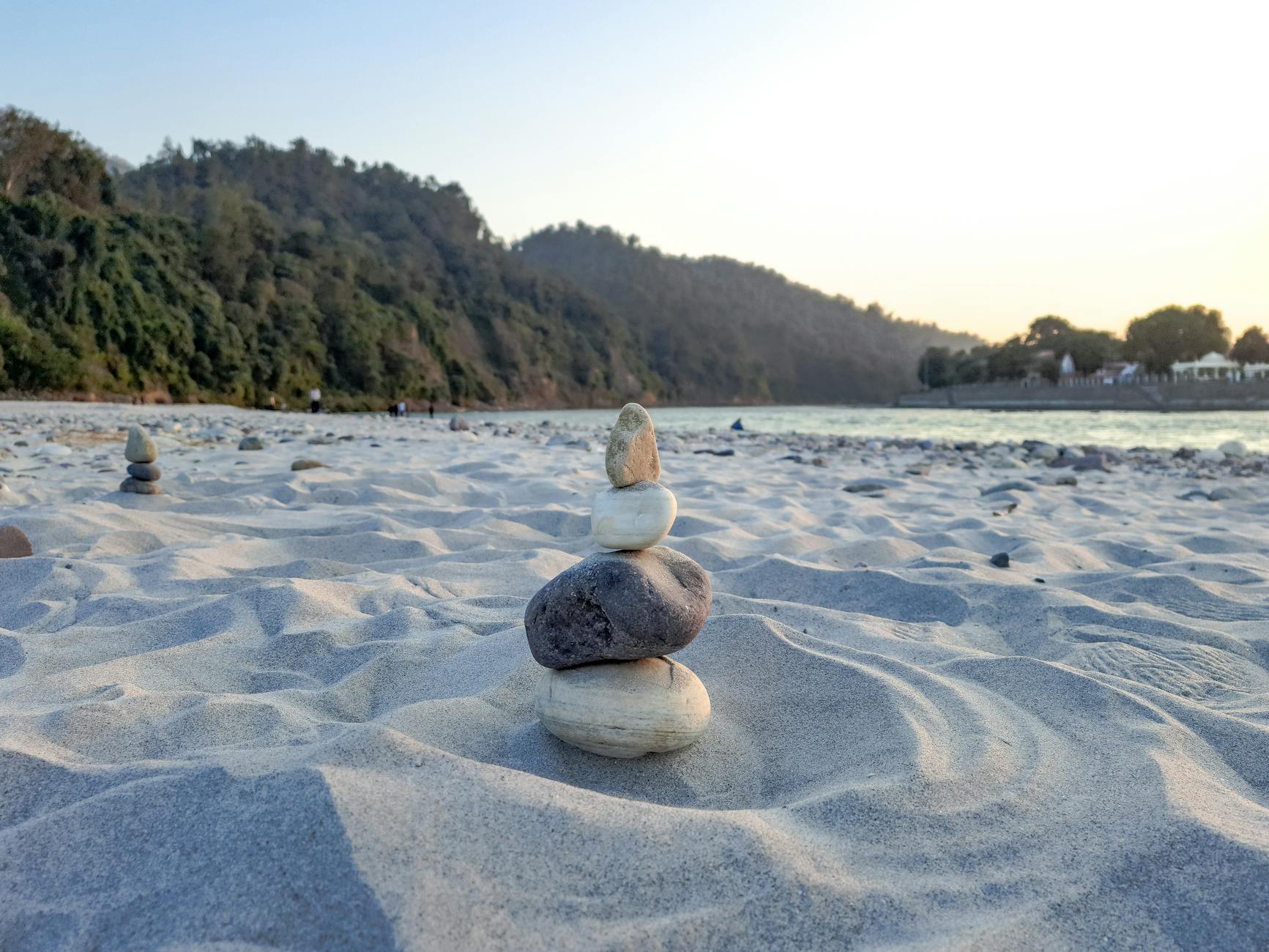
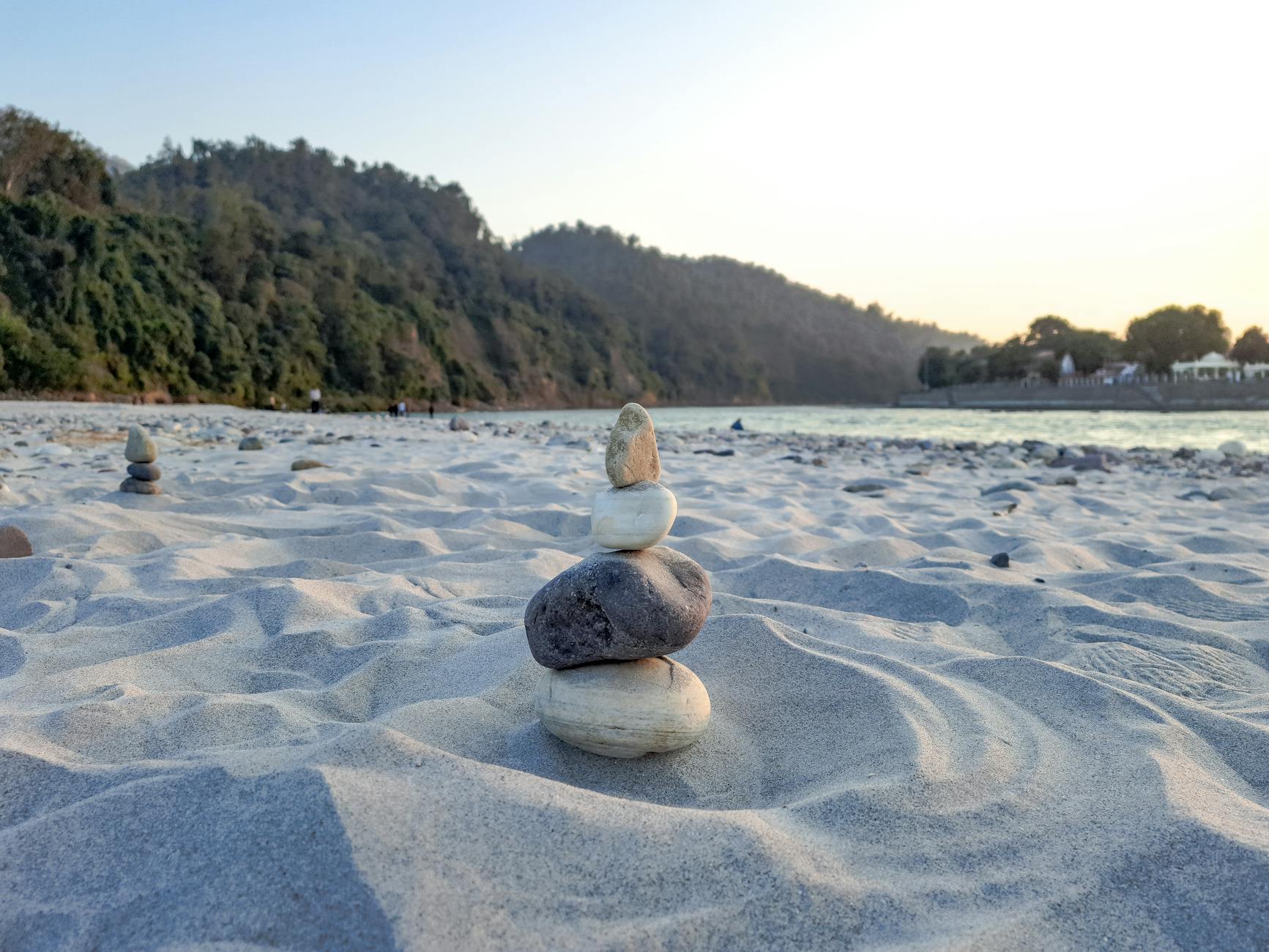
Where to stay — pick a side of the Ganga
The river splits Rishikesh into two distinct zones.
- East bank (Tapovan / Laxman Jhula): the backpacker / international yogi side. Riverside cafés, German Bakery scene, Beatles Ashram. Hostels from ₹500. Budget riverside guesthouses ₹1,200–₹3,000.
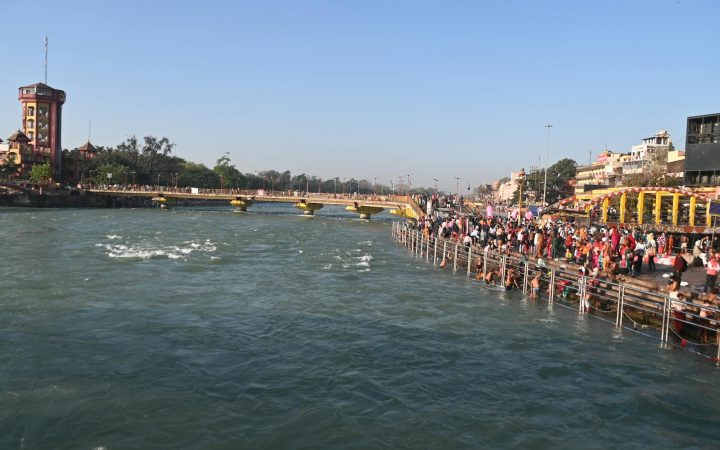
- West bank (Triveni Ghat / Swargashram): the traditional pilgrim side. Bigger temples, the Triveni Ghat aarti, Indian middle-class crowd. Mid-range hotels ₹1,500–₹4,500.
- Outside town (Aalia, Ananda, Atali Ganga): premium retreat resorts ₹6,000–₹40,000.
A 3-day Rishikesh itinerary
- Day 1 — Arrival + east bank walk. Reach Rishikesh by noon. Check in to a Tapovan riverside café-stay. Lunch at Pyramid Cafe or Little Buddha Cafe. Cross Lakshman Jhula or Ram Jhula. Visit the famous Beatles Ashram (Maharishi Mahesh Yogi’s ashram, entry ₹150). Sunset Ganga Aarti at Parmarth Niketan on the west bank.
- Day 2 — White-water rafting. 16 km Grade III rafting from Shivpuri to Rishikesh, the classic stretch. Pre-book through a registered operator at ₹600–₹1,200 per person. Roughly 2.5 hours on the water. Lunch on a Ganga-side beach. Afternoon: yoga drop-in class at Anand Prakash or Tattvaa Yogashala (₹500–₹1,200).
- Day 3 — Slow Rishikesh. Sunrise at Triveni Ghat. Visit Neelkanth Mahadev Temple (32 km, 1.5 hours by taxi — a famous Shiva temple in the hills). Return for lunch. Late afternoon: Vashishta Cave (sage Vashishta meditation cave, 15 km out). Evening Ganga Aarti at Triveni Ghat or Parmarth Niketan. Travel out.
Things to know in 2026
- Rishikesh has been a vegetarian-only, alcohol-free town since 1956. Don’t try to bring or order otherwise.
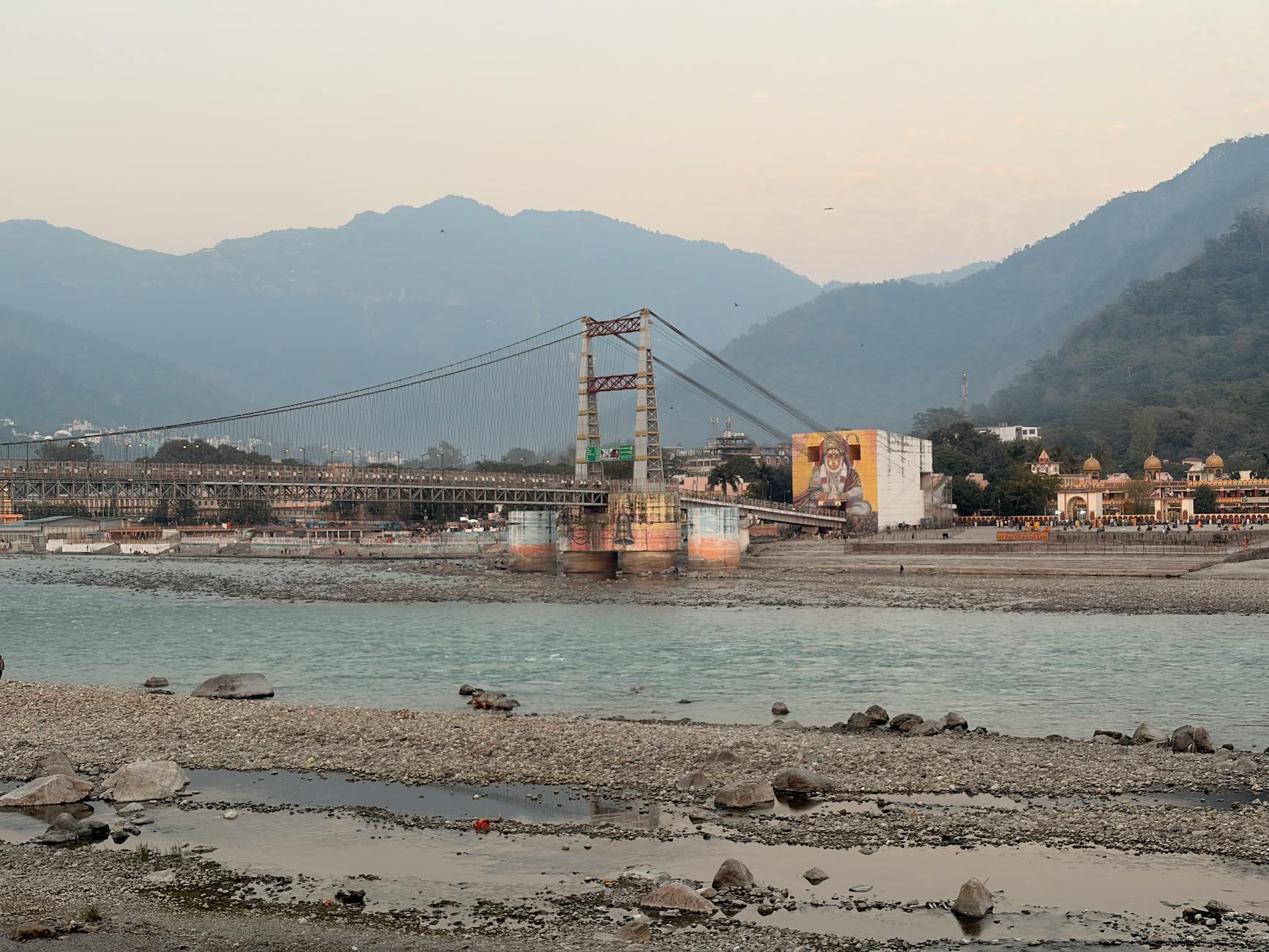
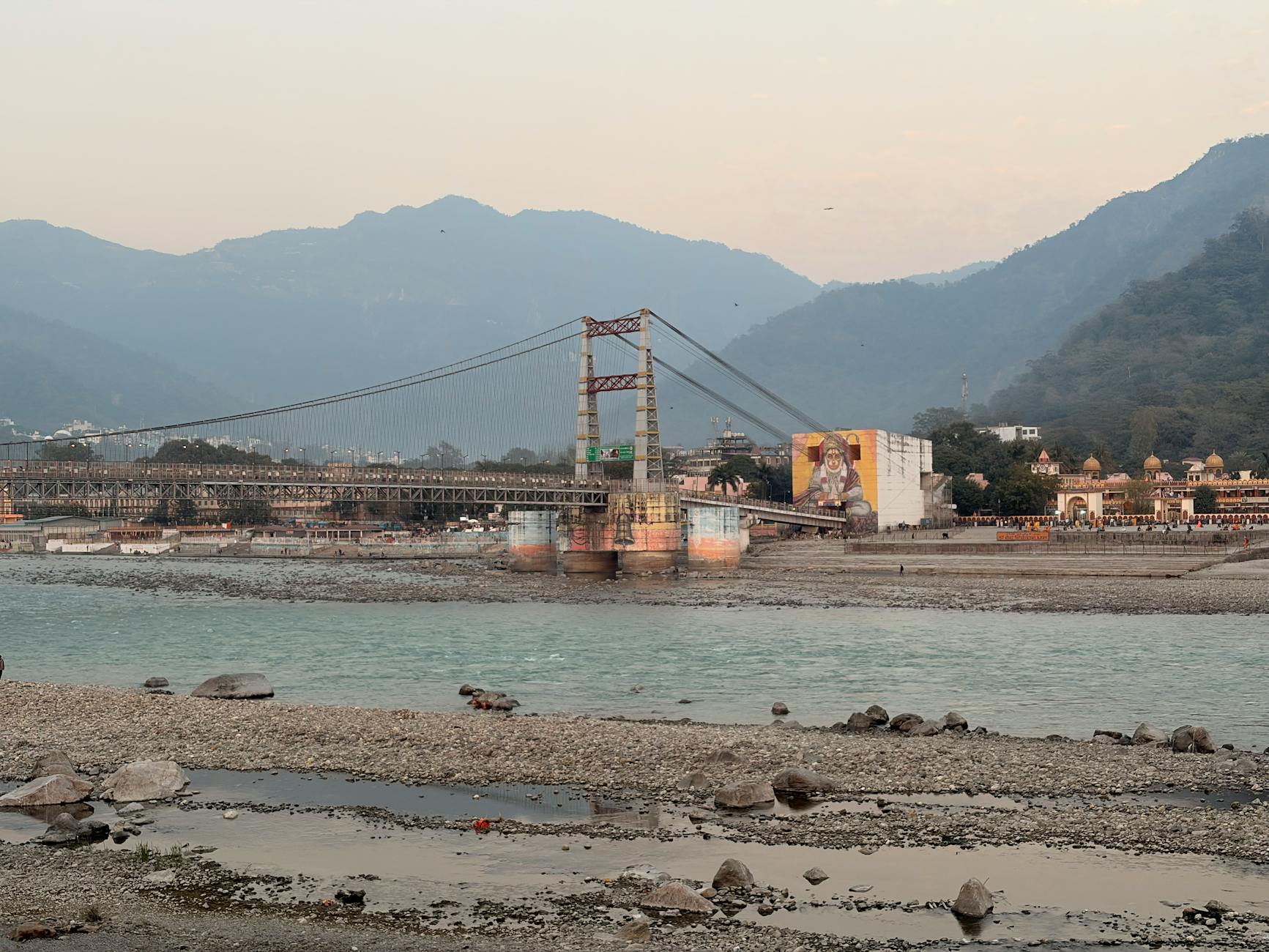
- The Lakshman Jhula bridge has been closed to two-wheeler traffic since 2019 — only pedestrian. The Bajrang Setu (new vehicular bridge) opened nearby for cars.
- River rafting season: roughly mid-September to end-June. Closed monsoon mid-June to mid-September.
- Best months: October–March (cool, river is calm), April–early June (warmer, peak rafting), avoid July–August (monsoon, river too rough).
3-day budget (per person)
- Train Haridwar return: ₹1,800
- Shared taxi Haridwar–Rishikesh round trip: ₹700
- 2 nights guesthouse: ₹2,400 (twin share ÷ 2)
- Cafés + dhabas food: ₹1,500
- Rafting: ₹900
- 1 yoga class + Beatles Ashram: ₹650
- Local autos + extras: ₹500
- Total: ₹6,000–₹8,500
The honest verdict
Rishikesh in 2026 still does what it has done for decades — yoga, rafting, the Ganga aarti, and the cafés overlooking the river. The trick is picking your bank correctly. East bank for younger travellers and international crowd; west bank for the temple-and-ghat experience. Pair Rishikesh with Haridwar for a fuller 3-day weekend trip from Delhi.
Related guides on PunyaPaths
- Amarnath Yatra 2026: Complete Registration, Routes & Helicopter Guide
- Haridwar Travel Guide 2026: Ghats, Ganga Aarti, Budget & 2-Day Itinerary
- Mahakaleshwar Ujjain 2026: Darshan, Bhasma Aarti, Timings & Travel Guide
Best time to visit Rishikesh
October to March is peak season — crisp Himalayan air, low river flow ideal for yoga retreats, comfortable rafting (water levels safe). Summer (April–June) is the rafting peak with full Ganga flow but daytime heat hits 38°C. Monsoon (July–September) shuts down rafting because of dangerous currents — only spiritual visitors come then. International Yoga Festival happens every year in early March.
Common mistakes travellers make
Booking grade IV rafting on day 1. The 16 km Shivpuri–Rishikesh stretch (grade III) is the right starter. The 26 km Marine Drive–Rishikesh (grade IV) needs prior experience.
Eating outside the ashram-friendly stretch. Rishikesh’s old town between Ram Jhula and Lakshman Jhula is strictly vegetarian and alcohol-free. Walking 4 km north for “non-veg restaurants” defeats the purpose of being here.
Skipping Triveni Ghat Aarti for Parmarth Niketan only. Both ghats hold evening Ganga Aarti — Parmarth is the famous one, but Triveni Ghat (closer to the main town) is more intimate and less touristy.
Riding scooters without helmets. Uttarakhand traffic police actively fine. Helmet is mandatory; carry a copy of your driving licence.
Where to stay in Rishikesh
Ashram stays (Parmarth Niketan, Phool Chatti, Sivananda) are ₹1,500–3,500/night with morning yoga and meals included. Riverside boutique hotels in Tapovan or Lakshman Jhula area run ₹3,500–8,000. Camping resorts in Shivpuri (15 km upstream) bundle rafting + bonfire + stay for ₹4,500–6,500 per person for 2 nights.
FAQs about Rishikesh
How many days do I need in Rishikesh? 2–3 nights for the basics (rafting + 2 ghats + Beatles Ashram + Neelkanth temple). 7–14 days if you’re doing a yoga teacher training or ashram stay.
Is rafting safe for beginners? Yes — grade III rapids with licensed operators (Goa Adventure, Red Chilli Adventure, Outdoor Edge) are safe for ages 12+. Always insist on life jackets and helmets, no exceptions.
Vegetarian food and alcohol policy? Rishikesh municipality is fully vegetarian and alcohol-prohibition. No meat, no eggs in some areas, no alcohol on sale anywhere within the city limits.
Which yoga school is genuine? Parmarth Niketan and Sivananda Ashram are the established names. For 200-hour TTC, Anand Prakash and Rishikul Yogshala have Yoga Alliance accreditation. Avoid “instant certificate” sellers along the main road.
Can I combine Rishikesh + Haridwar? Easily — they’re 25 km apart. 2 nights Rishikesh + 1 night Haridwar is the standard week-long itinerary.
Sample budget breakdown for Rishikesh (3 nights)
Two travellers from Delhi: Volvo or train Delhi–Rishikesh return: ₹2,000 per person. Boutique riverside stay: ₹4,500 per night. Rafting (Shivpuri 16 km): ₹800 per person. Beatles Ashram entry: ₹150 per person. Meals at ashram or local cafes (German Bakery, Little Buddha Café): ₹1,200 per couple per day. Yoga class drop-in: ₹300 per session. Realistic per-person 3-night cost: ₹8,500–14,000.