Cambodia Angkor Wat 2026: Visa, Siem Reap & 6-Day Itinerary for Indians
Quick answer: Cambodia is open to Indians in 2026 with a USD 30 + USD 6 e-visa (around ₹3,200) via evisa.gov.kh, processed in 3 days. There are no direct flights from India; routing via Bangkok or Singapore costs ₹26,000-34,000 return. Stay 3 nights in Siem Reap with a 3-day Angkor pass (USD 62 / ₹5,200), add Phnom Penh for 2 nights. Best months are November to February. Budget: ₹1.4 lakh per person for a 6-day trip.
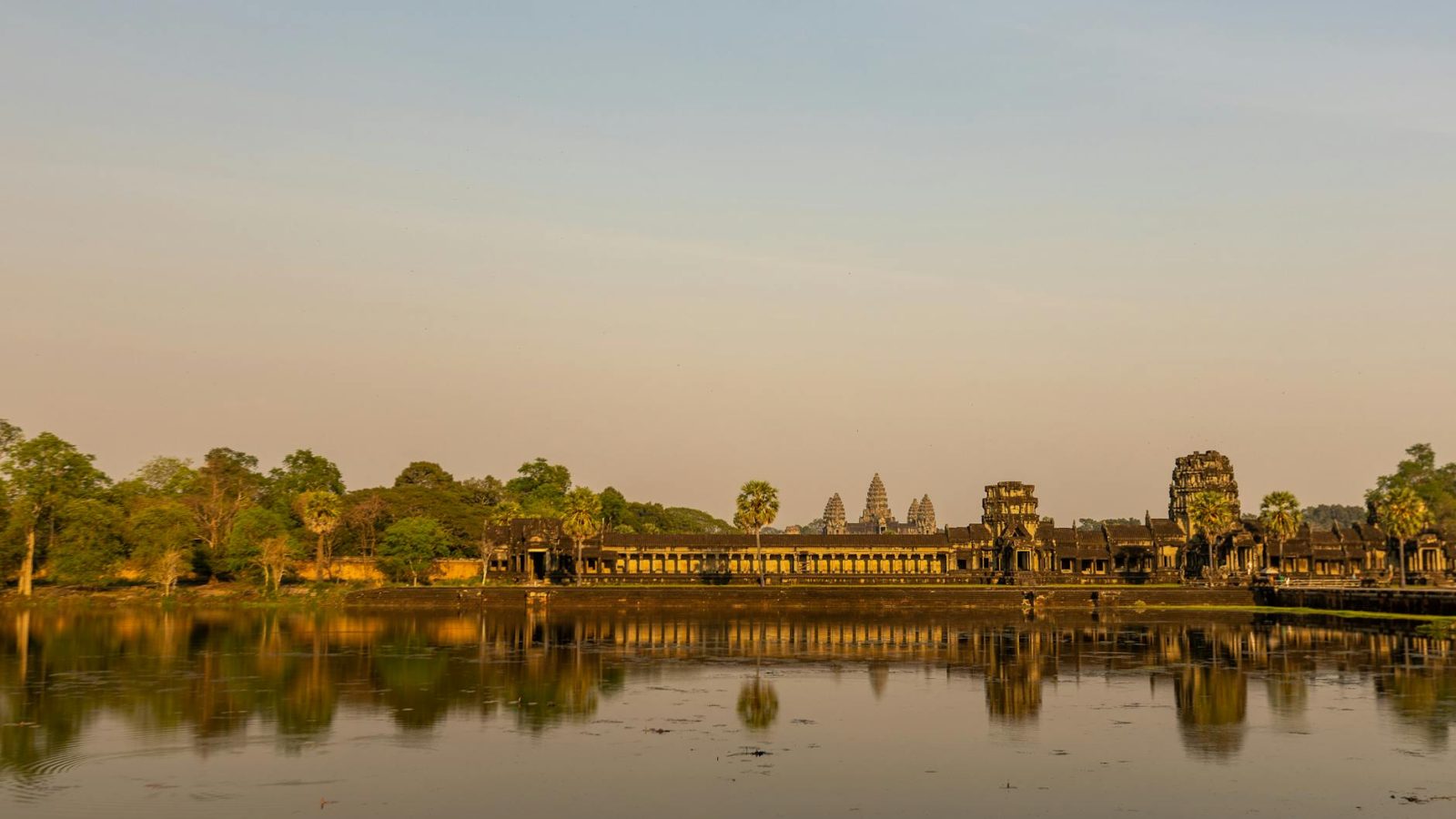
Angkor Wat is the biggest religious structure on earth and the only world heritage site that fits on a national flag. For Indians, Cambodia is a strange mix of familiar and foreign. The temples are Hindu (Vishnu, Shiva, Hanuman everywhere), the Sanskrit inscriptions are readable, and yet you eat fish amok with chopsticks. The country is also remarkably cheap and visa-on-arrival friendly.
This guide is for first-time international travellers, couples, and families with teenagers who want history without backpacker grit. It is not for people who want beaches first (skip Sihanoukville unless you have 9+ days) or for those expecting Bangkok-style nightlife. Best months are November to February when humidity drops below 70%. June-September is monsoon, cheaper but temples flood.
Visa, flights and getting there
Cambodia e-visa for Indians costs USD 30 plus USD 6 processing through the official portal (evisa.gov.kh). That’s roughly ₹3,000-3,200 total in 2026. Processing takes 3 working days. Carry one printout of the e-visa to immigration. Visa-on-arrival also exists at Siem Reap (REP) and Phnom Penh (PNH) airports for USD 35 cash but the queue is brutal.
No direct flights from India to Cambodia in 2026. Common routings: Delhi/Mumbai/Bengaluru via Bangkok (BKK) on Thai AirAsia or Vietjet, total airfare ₹26,000-34,000 return. Singapore via Scoot is another option at ₹28,000-38,000. Vietnam Airlines via Ho Chi Minh costs around ₹30,000 and is best if you combine Cambodia with Vietnam.
From REP airport, Grab and PassApp taxis to Siem Reap town (10km) cost USD 8-10. Tuk-tuks USD 5-6.
6-day itinerary: Siem Reap focus with Phnom Penh add
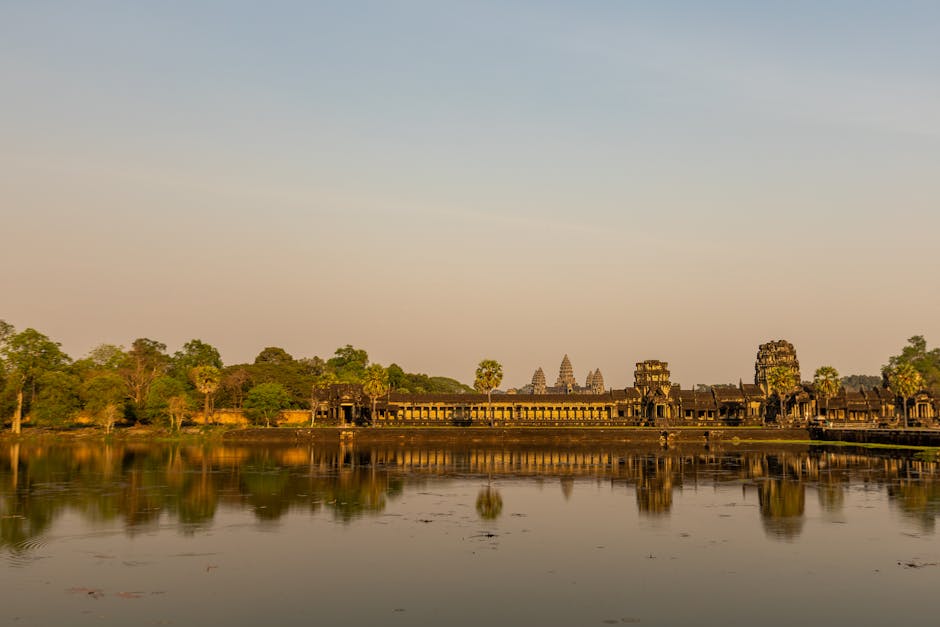
Day 1 (Siem Reap arrival): Land by afternoon. Check into hotel, walk Pub Street for dinner. Try the night market for first impressions. Buy your Angkor pass at the official ticket centre (Angkor Enterprise Office, 4km from town) by 5 PM next-day pickup. 3-day pass is USD 62 (₹5,200), 1-day USD 37, 7-day USD 72.
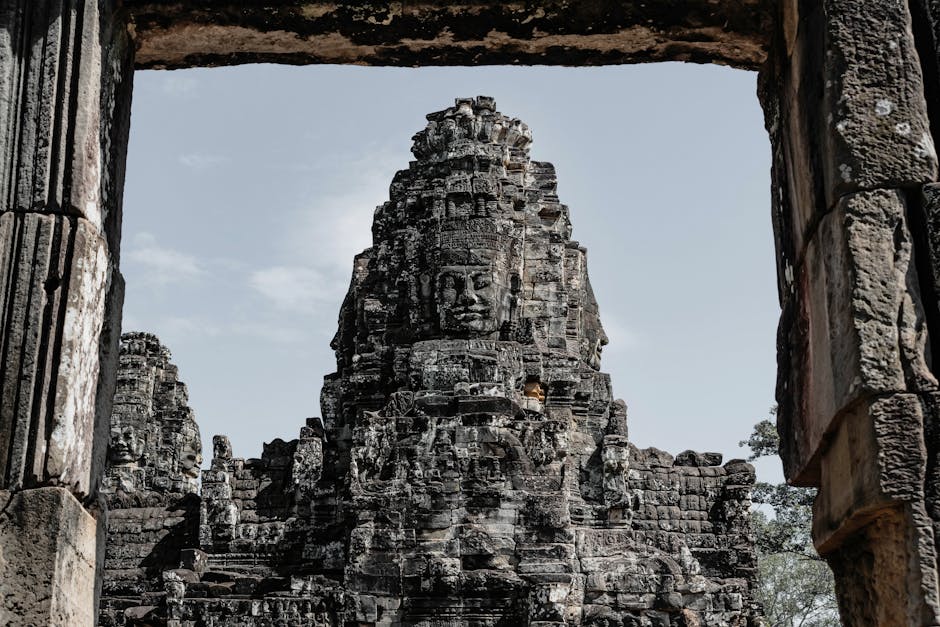
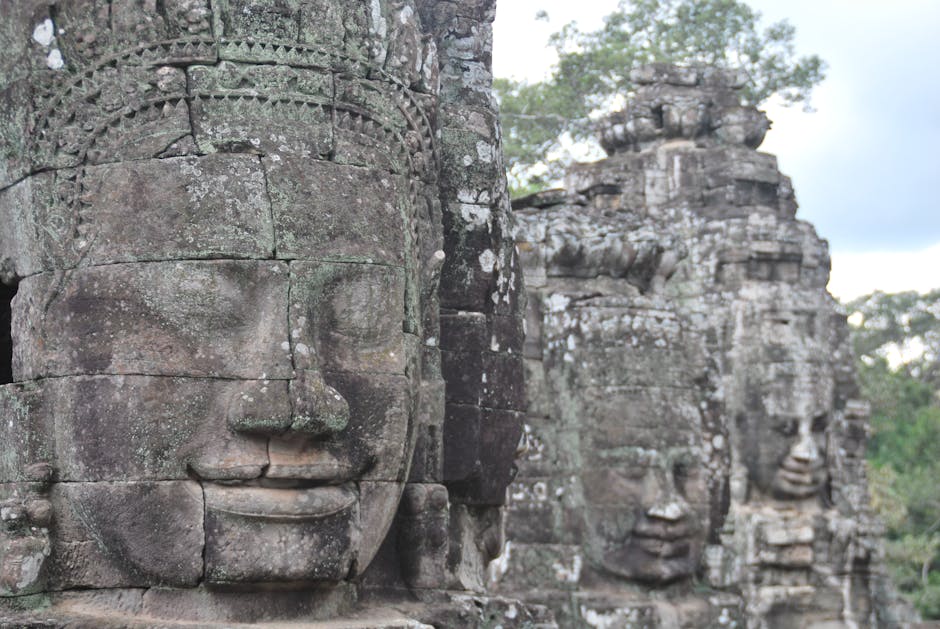
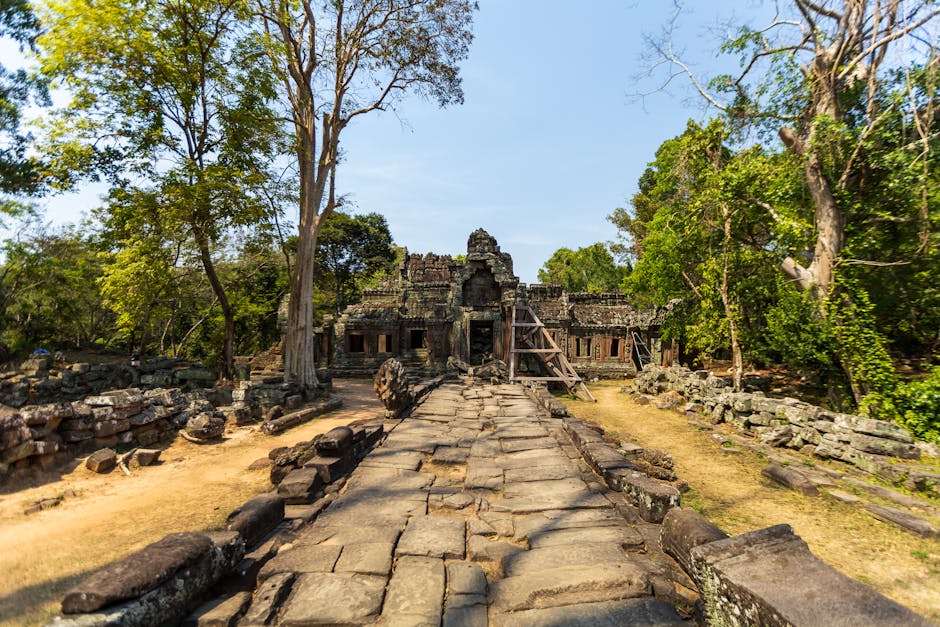
Day 2 (Angkor small circuit + sunrise): 4.30 AM start. Reach Angkor Wat west gate by 5 AM for sunrise. Continue through Ta Prohm (the Tomb Raider tree temple), Bayon (200 stone faces), Baphuon, Elephant Terrace. Lunch at one of the small khmer restaurants near Bayon. Back to hotel by 4 PM. Cost: tuk-tuk hire USD 18 for the day.
Day 3 (Angkor grand circuit): Banteay Srei (the pink sandstone temple), Banteay Samre, Pre Rup, East Mebon. This is the day you understand why archaeologists give their life to this place. Half-day tuk-tuk USD 25 (further sites).
Day 4 (Tonle Sap and Kompong Phluk): Skip the touristy Chong Kneas floating village. Drive 30km to Kompong Phluk stilted village. Boat tour costs USD 20 per person. The flooded forest in October-November is otherworldly. Evening Apsara dance dinner show at Koulen II Restaurant USD 12.
Day 5 (Siem Reap to Phnom Penh): 6-hour bus on Giant Ibis or Mekong Express (USD 15, comfortable AC). Or flight Cambodia Angkor Air USD 60. Check into Phnom Penh hotel. Evening Sisowath Quay walk and dinner.
Day 6 (Phnom Penh): Royal Palace and Silver Pagoda morning (USD 10 entry). Tuol Sleng Genocide Museum and Choeung Ek killing fields in the afternoon (heavy but essential). Night flight back home via Bangkok.
Where to stay and prices
Siem Reap is full of fantastic hotels at Indian middle-class budgets. Pavillon d’Orient Boutique Hotel runs USD 55 (₹4,600) including breakfast. Park Hyatt Siem Reap is the premium pick at USD 220+. Mid-range: Memoire d’Angkor Boutique at USD 45, Lub d Cambodia hostel USD 12-15 for private rooms. The famous Raffles Grand Hotel d’Angkor starts at USD 280.
Phnom Penh: Sun & Moon Urban Hotel USD 50, Plantation Urban Resort USD 75, Rosewood Phnom Penh USD 220 for splurge.
Common mistakes Indian travellers make
- Buying 1-day Angkor pass: Big mistake. The complex covers 400 square km. You need a minimum 2-day pass. The 3-day pass is best value and lets you skip the crowds.
- Wearing shorts and sleeveless to Angkor Wat upper level: Bakan (the top tier) requires knees and shoulders covered. Security turns people back. Carry a thin shawl.
- Drinking tap water: Cambodian tap is not safe even in hotels. Buy 1.5L Vital water bottles at USD 0.5 each.
- Skipping the war and genocide museums: Some Indian families avoid Tuol Sleng calling it “depressing for kids”. It’s exactly why you should go. Cambodia’s modern history matters.
- Using INR exchange counters: Carry USD cash. Cambodia runs on dollars. ATMs dispense both USD and Riel. Riel is used only for change under USD 1.
Vegetarian food (yes, it exists)
Cambodian food is mostly meat-heavy but Siem Reap has a strong veg scene because of Indian, Thai and Western tourists. Chamkar Vegetarian Restaurant on The Lane is the gold standard, mains USD 4-6. Vibe Cafe on Sok San Road does vegan smoothies and Buddha bowls. For Indian food: Curry Walla on Pub Street (proper North Indian thali USD 8), Maharajah Indian Restaurant for Jain options. Try khmer vegetarian dishes like nom banh chok with veg curry, samlor machu pkong with vegetables, mok trei replaced with mok pkar (pumpkin). Phnom Penh’s Sesame Noodle Bar and Backyard Cafe are excellent veg options.
Money, SIM and connectivity
Cambodia is a dual-currency country. Carry crisp USD bills. Don’t accept torn dollars; even small tears are rejected. Smart Tourist SIM at REP airport costs USD 5 for 7 days unlimited data, works on 4G everywhere except deep Tonle Sap. Cellcard is the other option. Most hotels have decent WiFi. ATM withdrawal fee is USD 4-5 per transaction. Inform your Indian bank about international use to avoid blocks.
Packing checklist
- Cotton full-sleeve shirt for temple visits
- Light trousers (no shorts above knee for inner sanctums)
- Walking shoes (Angkor involves 8-10km daily on foot)
- Hat or cap, polarised sunglasses
- Reef-safe sunscreen
- Power adapter type A/C (Cambodia uses 230V, two-pin)
- Mosquito repellent (Tonle Sap is humid)
- Small backpack with rain cover
- Empty water bottle (refill at hotels)
- Cash USD in small bills (lots of USD 1, USD 5)
FAQs
Is Cambodia safe for solo Indian women? Generally yes. Siem Reap is tourist-friendly. Phnom Penh requires more caution after dark. Petty theft on tuk-tuks happens.
Can I cover Cambodia in 4 days? Only Siem Reap. Skip Phnom Penh. Land Day 1, full Angkor Day 2-3, Tonle Sap Day 4 evening flight.
Should I combine with Vietnam? Strongly recommended. Phnom Penh to Ho Chi Minh is 6 hours by bus (USD 18) or 1 hour flight. A combined 10-day trip is excellent value.
What’s the temple dress code exactly? Shoulders covered, pants/skirt below knee. Hats off inside temple. Shoes off at inner sanctums only.
Is Bayon Temple Buddhist or Hindu? Built as Mahayana Buddhist by Jayavarman VII, later modified with Hindu elements, then Buddhist again. The faces are debated as either Avalokiteshvara or the king himself.
Best time for Angkor Wat sunrise photo? February has the cleanest skies. December is also good but crowded. Avoid May (haze) and July-September (cloudy).
Sample budget for 2 travellers (6 days)
- Flights Mumbai-Siem Reap return via BKK: ₹62,000
- E-visa x 2: ₹6,400
- Hotels (5 nights mid-range): ₹26,000
- Angkor 3-day pass x 2: ₹10,400
- Tuk-tuk hire 3 days: ₹4,400
- Tonle Sap tour: ₹3,400
- Siem Reap-Phnom Penh bus + transfers: ₹3,200
- Food (all meals, 2 people): ₹16,000
- Royal Palace, museums entries: ₹2,800
- SIM, tips, shopping buffer: ₹6,000
- Total: ₹1,40,600 for couple, approx ₹70,300 per person