Bhutan Trip 2026: SDF Fee, Permit, 7-Day Itinerary & Real Budget
Quick answer: Bhutan is visa-free for Indians, but a Sustainable Development Fee (SDF) of ₹1,200/night/adult applies, paid online via bhutan.travel. Best time is March-May (rhododendrons) or September-November (clear Himalayan views). Fly Druk Air or Bhutan Airlines from Delhi, Kolkata, Bagdogra, Guwahati to Paro (PBH), or drive via Phuentsholing. Classic 7-day loop: Paro to Thimphu to Punakha to Tiger’s Nest hike (4-5 hours). Budget ₹55,000-80,000 per person including SDF and hotels.
Bhutan in 2026 is the most distinctive Himalayan trip an Indian can plan — visa-free for Indians (Aadhaar/Voter ID works), but with a daily Sustainable Development Fee (SDF) introduced in 2022 that fundamentally changed who visits and how. This guide walks you through the actual cost, the 7-day classic route, and the planning specifics.
The 2026 SDF and permit
Indians do not need a passport visa, but everyone needs an Entry Permit and pays the SDF for each day in Bhutan.
- SDF for Indian nationals: Rs 1,200 per person per day. Children 6–12: Rs 600/day. Below 6: free.
- Entry Permit: Apply online at immi.gov.bt through a Bhutanese tour operator (recommended) or independently for Paro / Thimphu only.
- Documents: Aadhaar with photo or Voter ID, recent photo, hotel booking. Passport recommended but not mandatory for Indians.
- Multi-day permits covering Punakha, Bumthang, Phobjikha need an extra route permit issued at Thimphu.
Getting to Bhutan
- By air: Druk Air / Bhutan Airlines from Delhi, Kolkata, Bagdogra, Guwahati to Paro (PBH). Round-trip ₹18,000–₹35,000.
- By road: Cross at Phuentsholing (Indo-Bhutan border via Hasimara railhead). 6-hour drive from Bagdogra/Siliguri.
A 7-day Bhutan itinerary
- Day 1: Land Paro. Drive to Thimphu (1.5 hours).
- Day 2: Thimphu — Buddha Dordenma (giant statue), Tashichho Dzong, Memorial Chorten, Folk Heritage Museum.
- Day 3: Drive to Punakha (3 hours, via Dochula Pass 108 chortens). Punakha Dzong, suspension bridge.
- Day 4: Punakha — Chimi Lhakhang (the fertility temple), Khamsum Yulley Chorten hike.
- Day 5: Drive back to Paro. Rinpung Dzong, Kyichu Lhakhang.
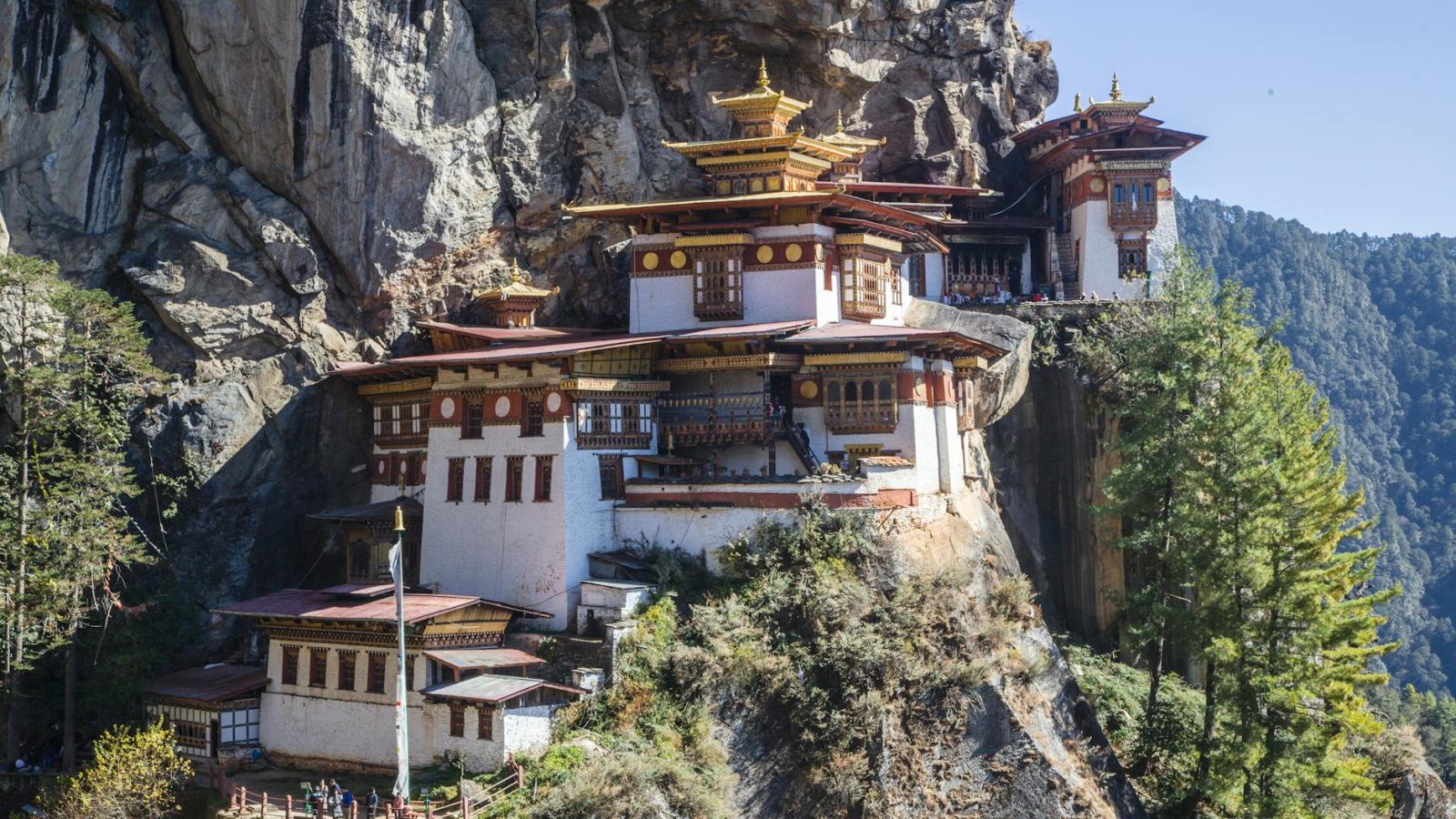
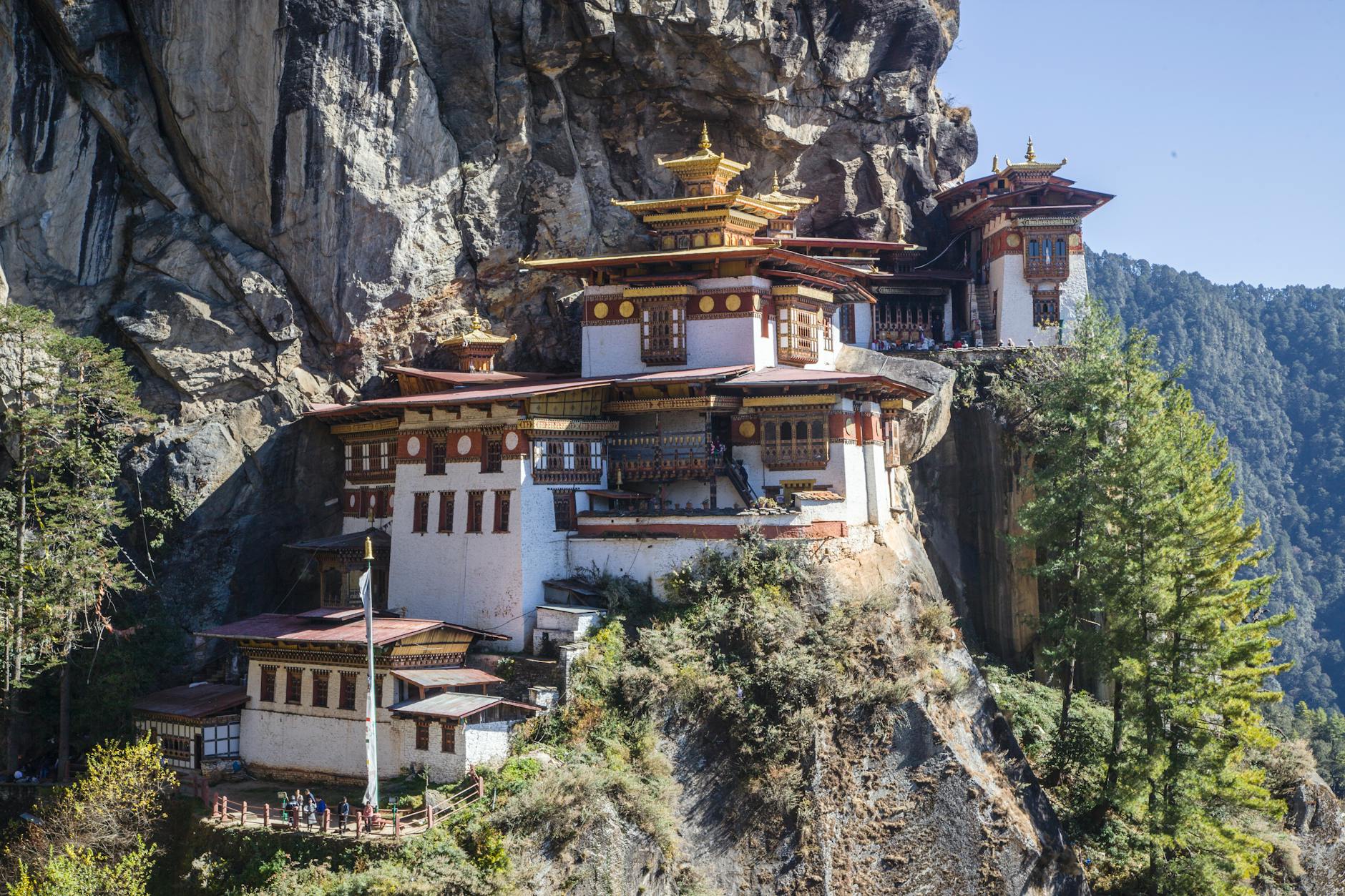
- Day 6: Tiger’s Nest (Taktsang Monastery) hike — 5–6 hours round trip, 900m elevation. The iconic Bhutan photo.
- Day 7: Fly out.
Costs in 2026 (per person)
- SDF for 7 days: Rs 8,400
- Round-trip flight: ₹22,000
- Hotel (mid-tier, 6 nights): ₹15,000–₹25,000
- Private car with driver (7 days): ₹6,000 per person (group of 4)
- Meals (typically included in hotels): nominal
- Tiger’s Nest entry + horse rental: ₹2,500
7-day budget — tiers
- Budget: ₹55,000–₹70,000 — 3-star hotels, group tour
- Mid-range: ₹85,000–₹1,15,000 — 4-star + traditional inns + private guide
- Premium: ₹2,00,000+ — Amankora / Six Senses (Bhutan’s luxury chain)
The honest verdict
Bhutan in 2026 is a “fewer tourists, higher experience” destination by design. The SDF has reduced numbers but the country, monasteries, and the Tiger’s Nest hike are intact. Plan with a Bhutanese operator to handle the permits and route logistics, and budget for one premium night to experience the real Bhutanese hospitality.
Bhutan insider tips Indians often miss
Druk Air Delhi-Paro fares fluctuate wildly — book through their direct site (drukair.com.bt) rather than aggregators to save ₹3,000-5,000 per ticket. The SDF fee of ₹1,200/night for Indians is non-refundable but you can request it be waived for transit-only visits under 24 hours. Tashichho Dzong in Thimphu is FREE to enter after 5 PM weekdays — the famous golden interior. Avoid the Crystal Mall Hotel Thimphu (overpriced for what you get) — Hotel Galingkha or Wangchuk Hotel Resort offer 40% better value.
Punakha valley honest tips
The Punakha Dzong is at the confluence of two rivers but locals tell you the best photo angle is from the suspension bridge 500m upstream — not from the standard tourist viewpoint. Chimi Lhakhang (the fertility temple) gives blessings using wooden phalluses — many Indian families uncomfortable with the imagery, decide in advance. Khamsum Yulley Namgyel Chorten requires a moderate 90-minute trek but the panoramic Punakha valley view from top is unmatched.
Related guides on PunyaPaths
- Sri Lanka Trip 2026: Visa-Free, 8-Day Itinerary & Real Budget for Indians
- Nepal Trip 2026: Visa, Kathmandu to Pokhara & 7-Day Budget Guide
Sources: Department of Immigration Bhutan (immi.gov.bt); standard 2026 SDF and operator rates.
Best time to visit Bhutan
Two main windows: March–May (spring rhododendrons, jacaranda) and September–November (clear skies, festival season — Thimphu Tshechu, Paro Tshechu). Winter (December–February) is cold but Punakha and Phuentsholing stay mild and SDF rates often drop. Avoid monsoon (June–August) — Bhutan’s mountain roads close to landslides.
Common mistakes Indian travellers make
Driving without SDF. The Sustainable Development Fee (₹1,200/day for Indians in 2026) is mandatory — you must book through an authorised Bhutanese tour operator.
Skipping Tiger’s Nest Monastery. Taktsang is the iconic Bhutan moment. Allow 5–6 hours round-trip hike from Paro. Start at 7 AM to beat clouds and crowds.
Eating only at hotel restaurants. Local restaurants in Thimphu (Babesa Village Restaurant) and Paro (Mountain Café) are cheaper and serve authentic ema datshi, kewa datshi, momos, and red rice meals.
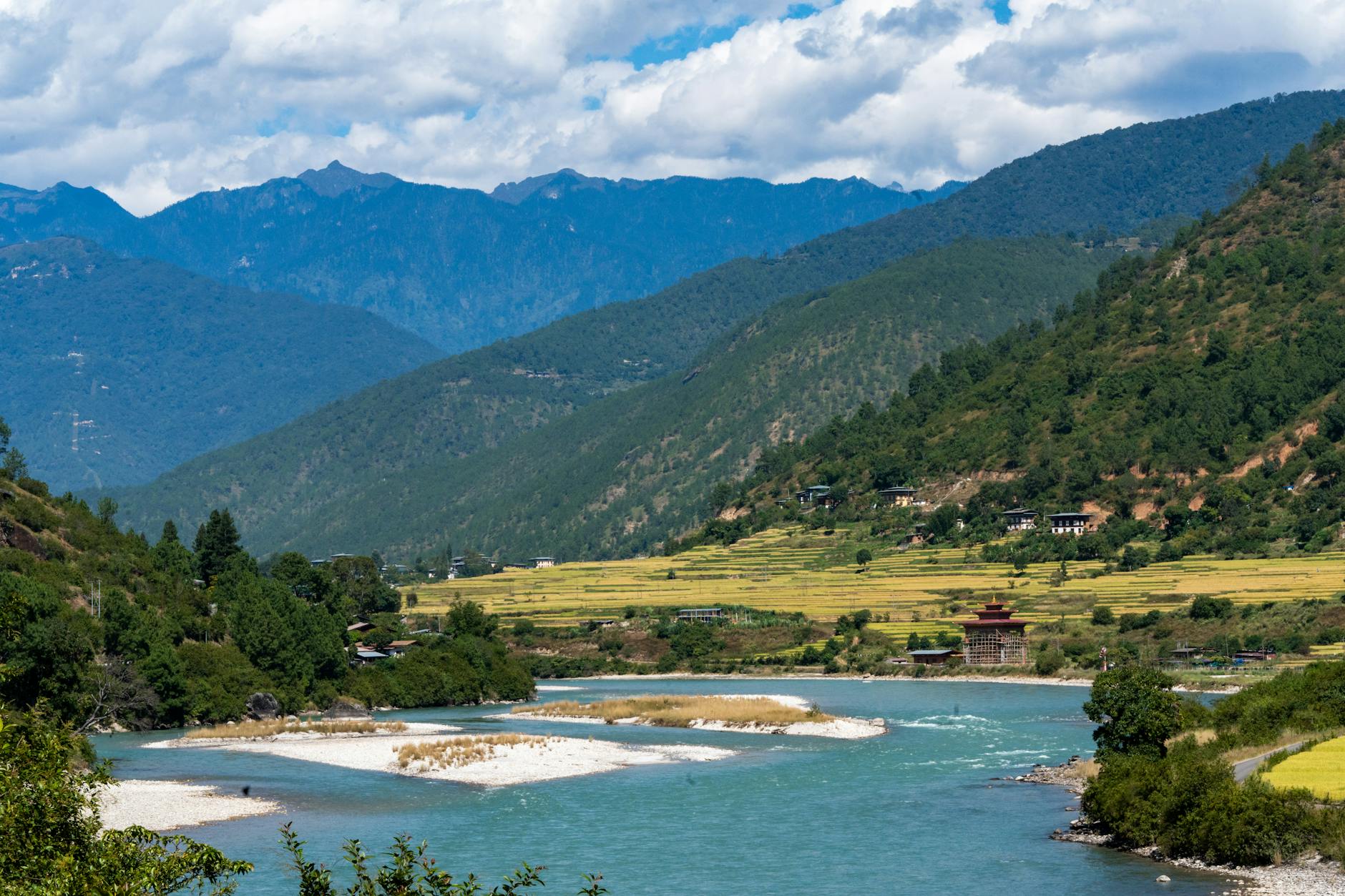
Missing the Punakha Dzong. The fortress at the confluence of Pho Chhu and Mo Chhu rivers is the most photogenic dzong in Bhutan.
Money, SIM & connectivity
Indian Rupees are widely accepted (except ₹500 and ₹2,000 notes — those aren’t legal tender in Bhutan as of 2026). B-Mobile and TashiCell sell tourist SIMs at Paro airport for around ₹300 (5GB, 14 days). Wi-Fi is available in most hotels in Thimphu and Paro; remote homestays in Bumthang are off-grid.
Packing checklist for Bhutan
Layered clothing (mornings cold even in June), proper trekking shoes for Tiger’s Nest, modest clothing for dzong visits (cover shoulders, knees, remove hats), a light raincoat, sunglasses, sunscreen, hand sanitiser, and small denomination INR notes (₹100, ₹200) for tips.
FAQs about Bhutan for Indian travellers
Do Indians need a visa for Bhutan? No visa, but a permit and SDF (Sustainable Development Fee) of ₹1,200 per person per night are mandatory. Book through a Bhutan-registered tour operator.
Best route — Paro entry or Phuentsholing entry? Paro by Druk Air flight is the comfortable option (₹16,000–22,000 from Delhi). Phuentsholing by road from Bagdogra is budget-friendly but adds two driving days.
Vegetarian food in Bhutan? Plenty — ema datshi (chilli cheese stew), kewa datshi (potato cheese), red rice, momos, suja (butter tea), and Indian options at most hotels.
How many days minimum? 5 nights minimum for Paro + Thimphu + Punakha. Add Bumthang for a deeper 7–8 night trip with central valleys.
Is the Tiger’s Nest hike difficult? Moderate — 4 km uphill at altitude (3,120 m at the monastery). Healthy adults can do it comfortably.
Sample budget breakdown for Bhutan (5 nights)
Two Indian travellers: Druk Air return Delhi–Paro: ₹18,000–22,000 per person. SDF: ₹6,000 per person for 5 nights. Hotel (3-star, half-board): ₹4,500–7,500 per night. Tour operator car + driver + guide (mandatory): ₹3,500 per day total. Meals not in package: ₹600 per person per day. Realistic per-person cost for 5 nights: ₹50,000–75,000.