Leh Ladakh 2026: Permits, Routes, 7-Day Itinerary & Honest Budget
Quick answer: Leh Ladakh is best visited May-September when roads (Manali-Leh, Srinagar-Leh) are open. Fly into Leh (IXL) and rest 24-36 hours to acclimatize against altitude sickness (Diamox optional). Inner Line Permits are mandatory for Nubra, Pangong, Tso Moriri (apply online on lahdclehpermit.in, ₹500). Classic 7-day loop: Leh-Nubra-Pangong-Leh. Budget ₹35,000-50,000 per person including flights, shared cabs, homestays. Carry cash; ATMs run dry frequently.
Leh Ladakh in 2026 has settled into a more controlled, regulated form — Inner Line Permits are now electronic, the Atal Tunnel keeps Manali–Leh accessible longer, and new Zanskar roads open routes for return travellers.
Getting to Leh
- By air: Direct flights from Delhi (1h20m), Mumbai (one-stop), Chandigarh. Delhi round-trip ₹8,000–₹16,000.
- Road from Manali (490 km): via Atal Tunnel, Sissu, Sarchu, Tanglang La (5,328m). Open mid-May to mid-Oct. 2 days.
- Road from Srinagar (420 km): via Zoji La, Drass, Kargil. Open early May to late Oct.
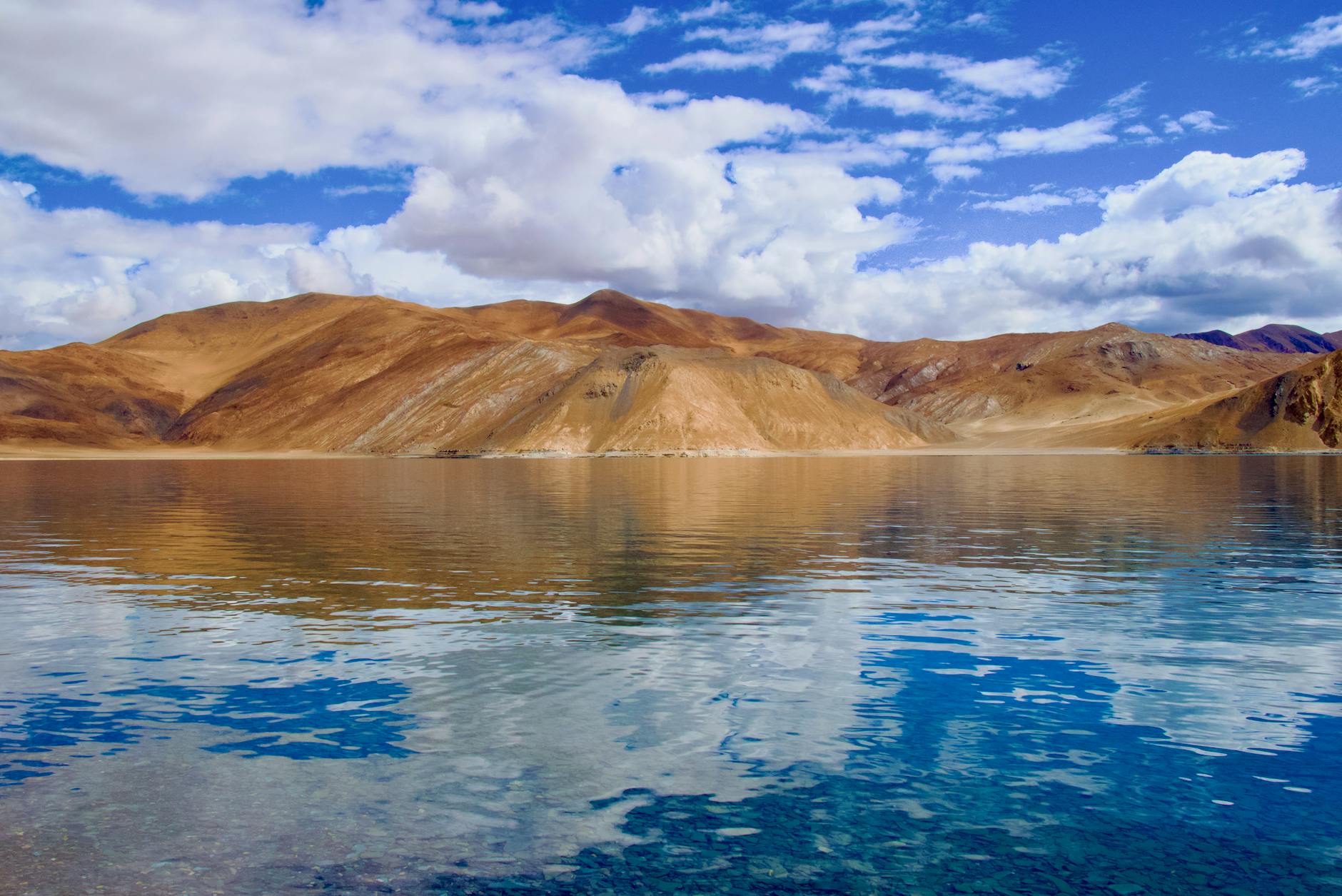
Inner Line Permit (ILP) — 2026
Mandatory for Pangong Tso, Nubra Valley, Tso Moriri. Apply online at lahdclehpermit.in. ₹400–₹600 per person + environmental fee. Carry 3 photocopies — checked at multiple checkposts.
Acclimatisation rule
Leh sits at 3,500m. Day 1: rest, water, no exertion. Day 2: light walking in Leh only. Day 3: cleared for higher altitude excursions.
A 7-day itinerary
- Day 1: Land Leh. Rest.
- Day 2: Leh sights — Shanti Stupa, Leh Palace, Magnetic Hill
- Day 3: Drive to Nubra via Khardung La. Diskit Monastery, Hunder camel ride at sunset.
- Day 4: Drive to Pangong Tso via Shyok village. Overnight tented camp.
- Day 5: Return to Leh via Chang La. Hemis + Thiksey Monastery.
- Day 6: Tso Moriri (or Sangam + Alchi Monastery as easier option)
- Day 7: Fly out.
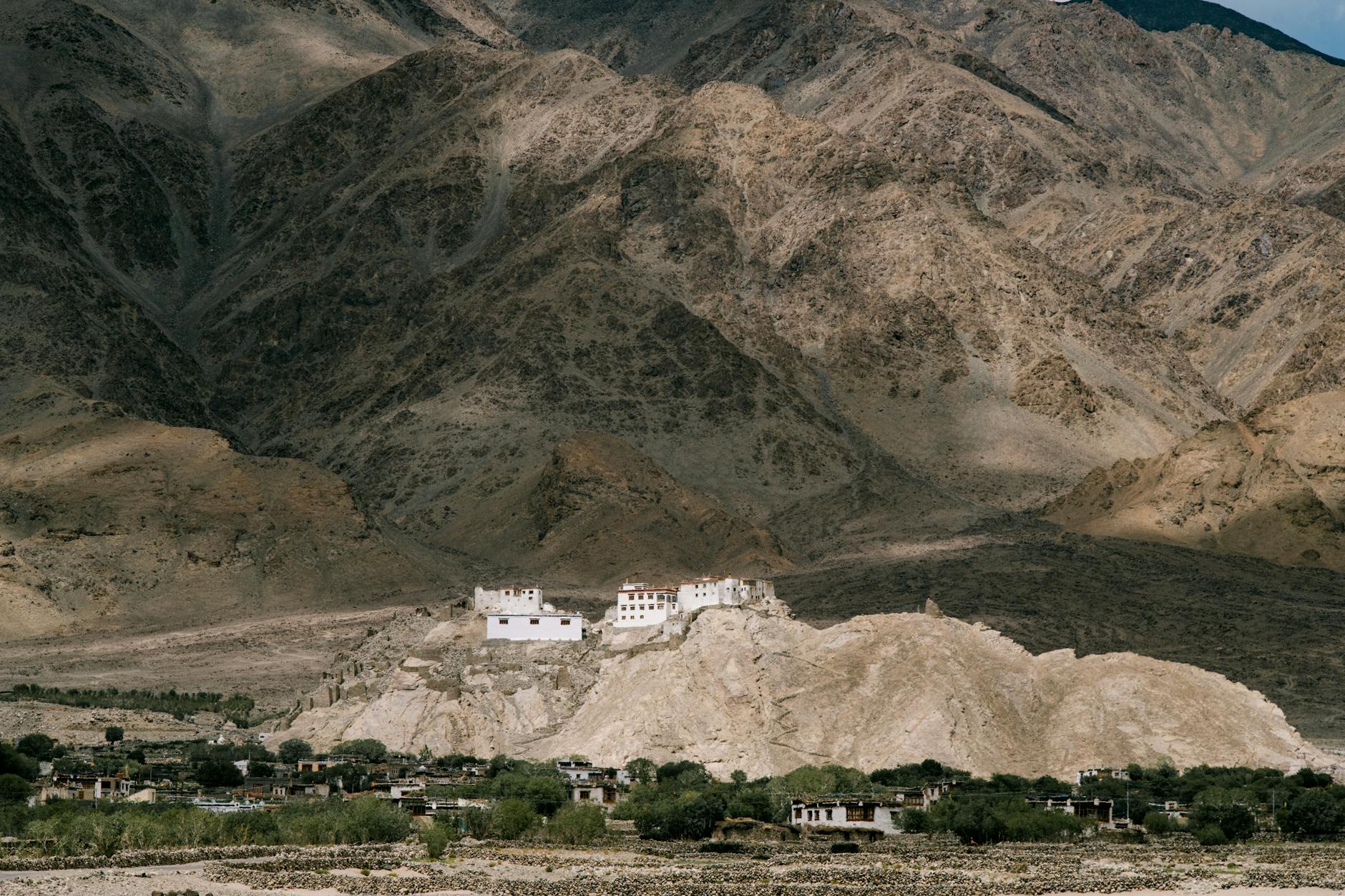
Costs in 2026
- Delhi–Leh return: ₹10,000–₹14,000
- Innova/SUV with driver per day: ₹6,500–₹9,500
- Royal Enfield rental: ₹1,800–₹2,500/day
- Permits + entries: ₹1,500–₹2,000
- Meals (thukpa, momos, café): ₹500–₹800/day
Budget tiers (7 days)
- Budget: ₹35,000–₹45,000 — guesthouses, shared SUV, local food
- Mid-range: ₹55,000–₹80,000 — mid-tier hotels, private Innova split between 4
- Premium: ₹1,20,000+ — Stok Palace, dedicated SUV, helicopter return option
Things to know
- Best months: June–September. May/Oct shoulder. Nov–Apr: most camps closed.
- Cash matters. ATMs in Leh break frequently. Carry ₹15,000–₹20,000.
- UPI works in Leh town, not above Nubra/Pangong.
- Phone: BSNL and Jio postpaid only — prepaid SIMs from outside J&K do not work.
The honest verdict
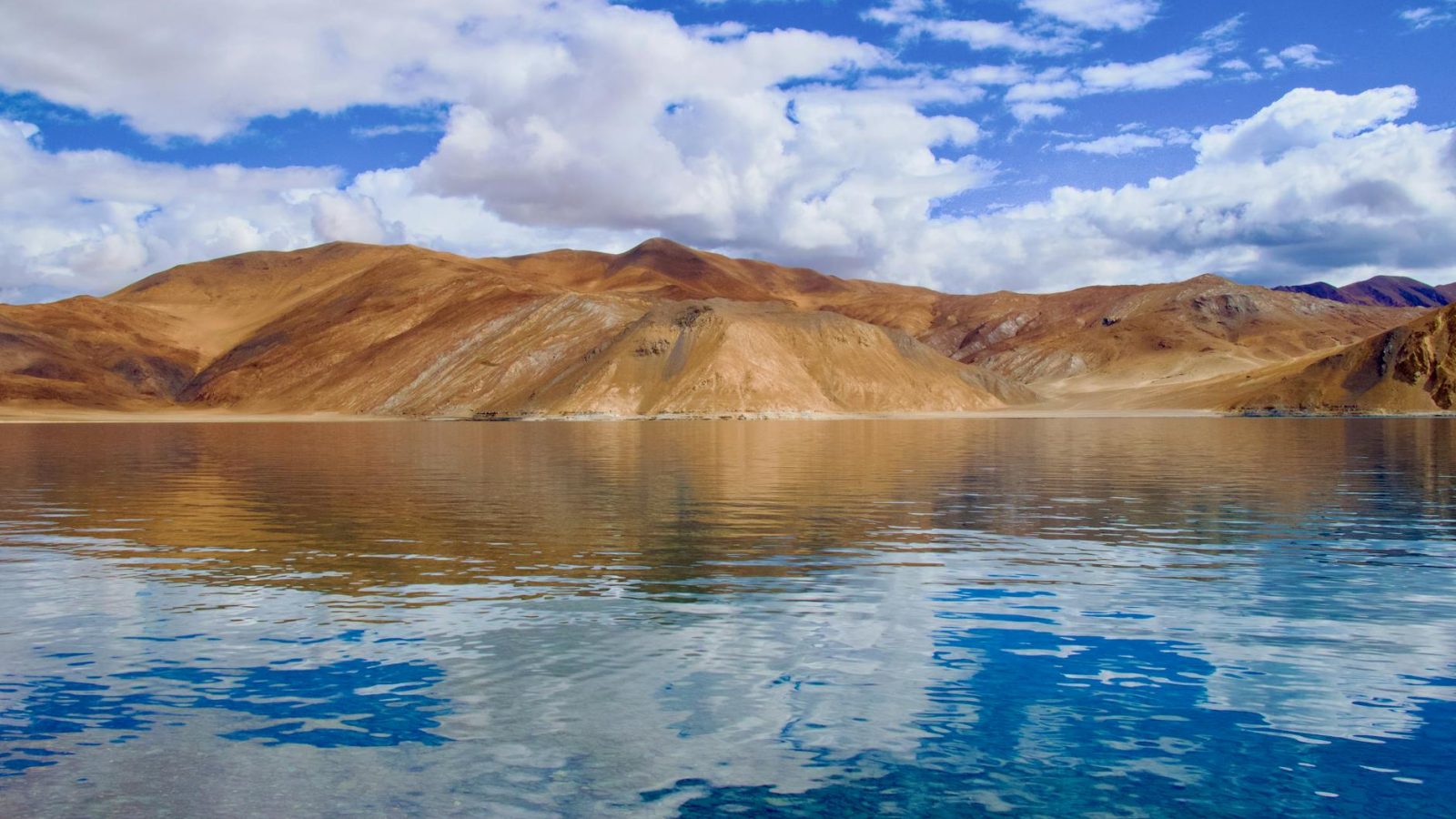
Leh Ladakh in 2026 is still one of the most distinctive landscapes you can drive through on this planet — the Karakoram, Pangong-mirror-blue, the moonscape of Tso Moriri. Plan for acclimatisation, book your bike or SUV ahead of June, carry printed permits, and treat the altitude with respect.
Leh Ladakh 2026 honest acclimatization rules
The first 48 hours at Leh airport (10,500 ft) are critical — most Indian travellers ignore this and get severe AMS. Stay at sea-level for 24 hours before flying. Diamox 250mg twice daily starting 2 days before reaching altitude reduces AMS risk by 60% — consult your doctor first. The famous “Magnetic Hill” is actually an optical illusion — don’t waste a day specifically driving for this; it’s on the route anyway.
Pangong Lake camping tips
Camp at Spangmik village (not the standard tourist camp area) — same lake views, ₹3,500 less per night. Skip the famous “3 Idiots Point” chair — it’s a photo trap with ₹500 per person fee. Visit Tso Moriri instead of returning to Leh directly from Pangong — adds 2 days but you skip the touristy returns and get a more remote experience. Carry ₹15,000 cash per couple — Pangong has zero ATMs.
Related guides on PunyaPaths
- Amarnath Yatra 2026: Complete Registration, Routes & Helicopter Guide
- Haridwar Travel Guide 2026: Ghats, Ganga Aarti, Budget & 2-Day Itinerary
- Mahakaleshwar Ujjain 2026: Darshan, Bhasma Aarti, Timings & Travel Guide
Sources: LAHDC Leh permit portal (lahdclehpermit.in); IndiGo Delhi–Leh fares May 2026.
Best time to visit Leh Ladakh
The main road season is mid-May to October. Pangong Lake is accessible May–September; the Manali–Leh and Srinagar–Leh highways open mid-May and close by late October. July–August is peak monsoon in mainland India but Ladakh remains dry — that’s why it’s the most popular slot for Indians. September–October has fewer crowds and crisp clear skies. Winter (December–March) is for hardy chadar-trek enthusiasts only.
Common mistakes Indian travellers make
Skipping the acclimatisation day. Leh sits at 11,500 ft. Fly in and rest the first 24 hours — no sightseeing, no shower, no alcohol. Travellers who push activity on day 1 routinely end up on oxygen at the hospital.
Booking Pangong on day 2. Pangong is at 14,270 ft. Save it for day 4 or 5 after Nubra, when your body has adjusted.
Not carrying enough cash. ATMs in Leh work but Nubra, Pangong, and Tso Moriri have zero ATMs. Withdraw ₹15,000–20,000 in Leh before heading out.
Driving on Indian licences without permits. Foreign-registered rentals and non-Ladakh-registered bikes are restricted from inner-line areas. Hire local taxis or rent from registered Leh agencies.
Money, SIM & connectivity
Only postpaid connections work in Ladakh (Jio, Airtel, BSNL). Prepaid SIMs from outside J&K and Ladakh do NOT work. If you’re prepaid, get a BSNL postpaid roaming activated, or buy a local BSNL postpaid at Leh. Carry power banks — Nubra and Pangong have limited electricity hours.
Packing checklist for Leh Ladakh
Heavy down jacket (Pangong nights drop to 5°C even in July), thermal innerwear, sunglasses (UV is intense at altitude), sunscreen SPF 50+, lip balm, Diamox (consult doctor), trekking shoes, ID copies (Aadhaar + permits), and 4–5 litres water capacity.
FAQs about Leh Ladakh for Indian travellers
Do Indians need a permit for Ladakh? Inner Line Permits (ILP) are required for Nubra, Pangong, Tso Moriri, and Dah-Hanu. Apply online at lahdclehpermit.in or through your hotel — ₹400–600 per person including fees.
How many days minimum for Leh Ladakh? 7 nights is the comfortable minimum: 2 in Leh (acclimatisation + monasteries), 2 in Nubra, 1 in Pangong, plus buffer days for weather.
Is Ladakh safe for solo travellers? Extremely safe — low crime, friendly locals, well-organised tourism infrastructure. AMS (Acute Mountain Sickness) is the real risk; check with your doctor before going.
Vegetarian food in Ladakh? Pure-veg Indian and Tibetan options widely available — thukpa, momos (veg), thenthuk, butter tea (acquired taste), and standard north Indian thalis. Leh has Punjabi dhabas, South Indian restaurants, and bakeries.
Drive vs fly to Leh? First-time visitors should fly in (₹6,000–12,000 from Delhi) and rest 24 hours. The Manali–Leh road is spectacular but the elevation gain causes severe AMS for the unprepared.
Sample budget breakdown for Leh Ladakh (7 nights)
Two travellers from Delhi/Mumbai: Return flight to Leh: ₹12,000–18,000 per person. Leh hotels (3-star): ₹3,500–5,500 per night. Nubra camp/guesthouse: ₹3,000–5,000 per night. Pangong tented camp: ₹4,000–6,500 per night. 7-day taxi (Innova, with driver): ₹35,000–45,000 total, split between 4 = ~₹10,000 per person. Permits: ₹600 per person. Meals: ₹1,500 per couple per day. Realistic per-person cost for 7 nights: ₹35,000–50,000 — among the best-value high-altitude trips in India.