Coorg Coffee Estate Trip 2026: Madikeri, Plantations & Real Budget Guide
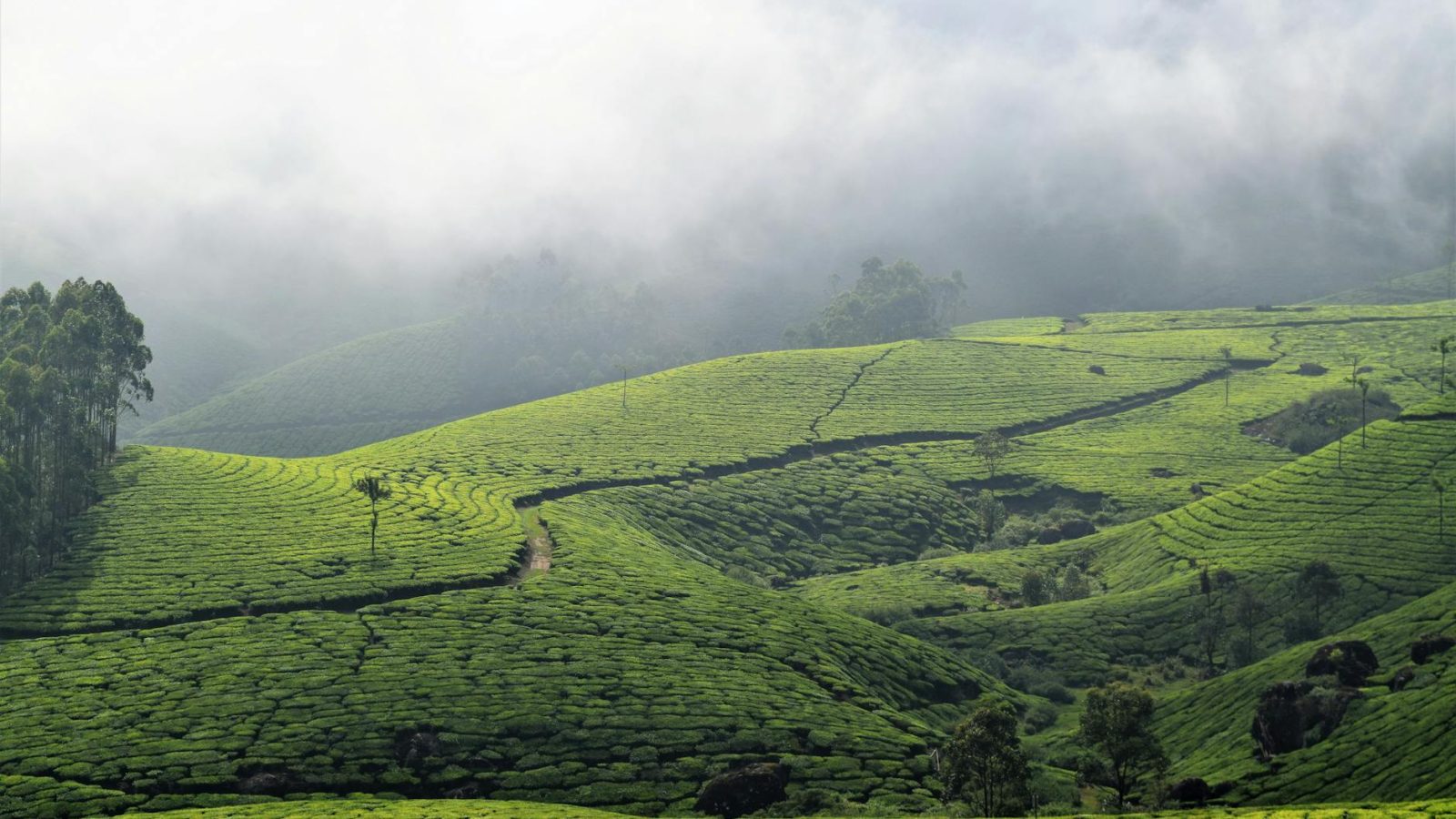
Quick answer: Coorg, Karnataka’s coffee country, blends fragrant plantations with misty hills and waterfalls. Base yourself in Madikeri to explore Abbey Falls, Raja’s Seat sunset, and Dubare Elephant Camp on the Cauvery. Visit September to February for cool weather and harvest aroma. A 3-night couple trip from Bangalore costs around Rs 45,000 including a plantation homestay, jeep safari, and meals featuring Pandi curry and Kadambuttu.
Coorg is the only place in India where the entire local economy smells of coffee. From the moment you cross the Karnataka-Kerala border, the air changes. Plantations stretch across both sides of the road, oranges grow under the shade of robusta and arabica, and you start understanding why Coorgi families have never wanted to leave. It is not as cold as Munnar, not as touristy as Ooty, and the food has its own identity.
This guide is for couples, family weekenders from South India, and Bangalore residents looking for 3-night escapes. It is not for serious hikers (Coorg has decent trails but nothing like Himachal) or budget hostel-only travellers (Coorg is plantation-stay country, expect mid-range pricing). Sweet spot months are September to February. Monsoon is moody and beautiful but waterfalls flood and roads slip.
Getting to Coorg
No airport in Coorg itself. Three approach options:
Bangalore (BLR) is 250km away, 5.5-6 hours by NH-275 via Mysuru and Hunsur. KSRTC airavat club class buses run Bangalore-Madikeri at ₹740 one way. Self-drive is the popular choice. Bangalore-Coorg highway taxi costs ₹4,500-5,500 one way.
Mangalore (IXE) is 135km, 4 hours via Sampaje Ghat. The ghat road is gorgeous but landslide-prone in monsoon. Mangalore flights from Mumbai are ₹3,800-5,200, from Delhi ₹5,800-7,500 in 2026.
Mysuru (MYQ) is 120km, the new Mysuru airport handles limited flights. The drive is the smoothest of three.
Train: Hassan and Mysuru are nearest. Mangalore Central is another option. From any station, prepaid taxi to Madikeri is mandatory.
5-day itinerary (Bangalore route)
Day 1 (Bangalore to Madikeri): Start by 6 AM. Lunch at Hotel Maurya in Hunsur. Reach Madikeri by 2 PM. Afternoon at Raja’s Seat (₹15 entry), evening sunset point. Dinner at Coorg Cuisine in Madikeri town for first taste of pandi curry (skip if vegetarian, try kadambuttu with veg curry).
Day 2 (Madikeri and around): Morning at Abbey Falls (₹15 entry, monsoon is spectacular but slippery). Madikeri Fort and Omkareshwara Temple. After lunch drive 30km to Talakaveri (the origin of river Cauvery), a quiet temple complex at 1,276m. Climb to Brahmagiri peak (250 steps from temple). Return for night halt.
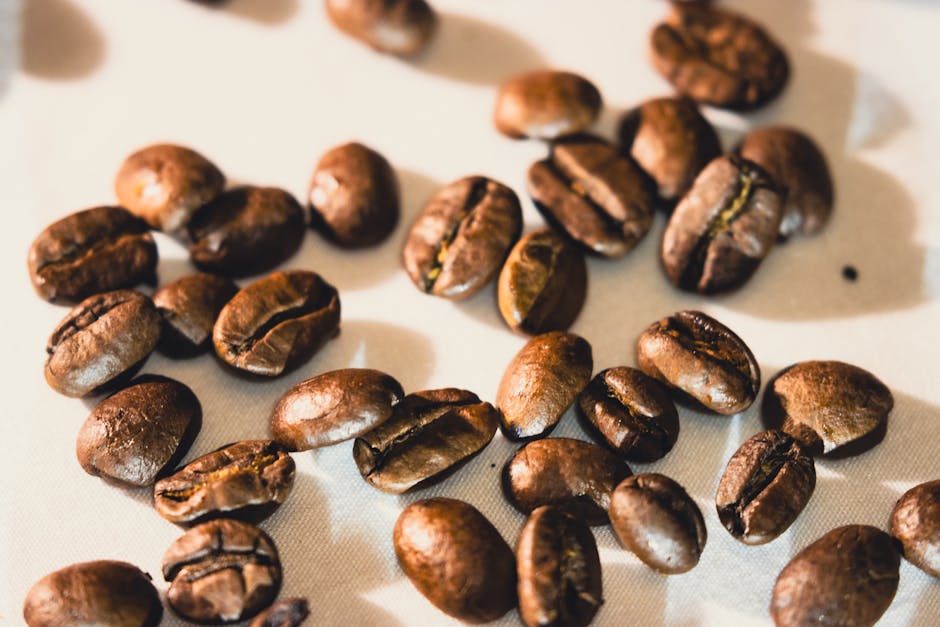
Day 3 (Coffee plantation immersion): Move from Madikeri to a homestay deep in plantations (Kabbinakad, Pollibetta or Ammathi area). Plantation walk with owner explaining arabica vs robusta, the shade-grown technique, harvest season (November-February). Lunch is usually Coorgi-style at the homestay.
Day 4 (Dubare and Nisargadhama): Drive to Dubare Elephant Camp (35km from Madikeri). Forest department ferry to camp ₹100, elephant interaction and bathing programme ₹450 per person, morning session 9-11 AM and evening 4.30-5.30 PM. Lunch at riverside Cauvery Spice Inn. Afternoon at Nisargadhama Bamboo Forest (₹50 entry) with hanging bridge over Cauvery.
Day 5 (Bylakuppe and back): Visit Namdroling Monastery (Golden Temple) at Bylakuppe, 35km from Madikeri. This is the largest Tibetan settlement outside Dharamsala. No entry fee. Drive back to Bangalore reaching by 7 PM.
Where to stay
Plantation homestays are the soul of Coorg. Old Kent Estate ₹6,500/night with all meals, Heaven on Earth Plantation Stay ₹4,800, Glenlorna Tea Estate Cottages ₹5,200. The Tamara Coorg is the luxury pick at ₹16,000-22,000. Evolve Back (Orange County) is the iconic resort at ₹18,500-28,000 in season.
Madikeri town hotels for travellers who want shops nearby: Heritage Resort Coorg ₹3,800, Coorg International ₹4,500, Hotel Mayura Valley View (KSTDC) ₹2,400, budget Coorg Backpackers Hostel ₹950 dorm.
Off-the-grid options near Virajpet: Mojo Plantation ₹8,500 all-inclusive, Coffee Acres ₹4,200, Ambatty Greens ₹3,800.
Common mistakes Indian travellers make
- Booking a town hotel and missing plantation stay: The whole point of Coorg is sleeping inside a coffee estate. Stay at least 2 nights at a working plantation.
- Not pre-booking Dubare elephant interaction: Capacity is 30 visitors per session. Walk-in tickets vanish by 7.30 AM.
- Driving on Sampaje Ghat at night: The Mangalore-Madikeri ghat is treacherous after dark. Plan arrival before 6 PM.
- Skipping the coffee processing tour: Most plantation homestays offer free walks but charge ₹300-500 for the processing demo.
- Buying coffee from highway shops: The bulk-packaged “Coorg Coffee” sold on the Bangalore highway is industrially blended. Buy directly from the estate you stay at.
Vegetarian food in Coorg
Coorgi cuisine is famous for pandi curry (pork) but the vegetarian side is rich too. Try kadambuttu (rice dumplings) with mushroom curry or vegetable bachalonu, paputtu, koli curry replaced with mushroom version. Coorg Cuisine restaurant in Madikeri has a separate veg menu. East End Hotel does excellent South Indian breakfasts (₹120 thali). For coffee shop experience visit The Plantation Trails Cafe in Pollibetta. Tibetan momos at Bylakuppe monastery cafes (₹90 a plate) are surprisingly authentic. Most plantation homestays announce the menu evening before and accommodate Jain requirements with notice.
Money, SIM and connectivity
Jio and Airtel work fine in Madikeri, Virajpet and along major roads. Plantation interiors have patchy signal. BSNL surprisingly covers more area. Most homestays have WiFi though speeds are modest. ATMs in Madikeri (SBI, Canara, HDFC) and Virajpet. Carry ₹8,000-10,000 cash for plantation tips, Dubare entries and roadside coffee shopping. UPI works at hotels but small estate-shops prefer cash.
Packing checklist
- Light woollen for evenings (temp drops to 15-18°C)
- Quick-dry pants for plantation walks
- Closed walking shoes with grip
- Rain poncho or compact umbrella
- Mosquito repellent (Odomos Plus)
- Hat for waterfall visits
- Power bank
- Sunscreen SPF 30
- Reusable cloth bag for coffee shopping
- Binoculars if you’re keen on birds (Coorg has 300+ species)
FAQs
Is Coorg good for kids? Yes. Dubare elephants and Nisargadhama hanging bridge are family favourites. Plantation stays often have play areas.
Is monsoon travel to Coorg risky? July-August has landslide closures on Sampaje Ghat. June and September are safer monsoon-edge months.
How much does an Iruppu Falls visit add? Iruppu is 50km south of Madikeri near Kutta. Half-day addition. Beautiful in monsoon, modest in summer.
Can I do Coorg in a weekend from Bangalore? 3 days minimum (Friday evening departure, Monday morning return). Anything less wastes the drive.
Are there off-roading or adventure activities? Coorg Cliffs and Adventure Camp offers river rafting on Barapole (₹1,500 per person), trekking to Tadiandamol peak (1,748m, the highest in Coorg, ₹2,500 with guide).
Where to buy genuine Coorg honey? Coorg Wild Honey at Madikeri’s Mahadevpet market, ₹450/500g jar. Avoid roadside “wild honey” claims without certification.
Sample budget for 2 travellers (5 days)
- Self-drive fuel + tolls Bangalore-Coorg return: ₹6,500
- Plantation homestay 3 nights with meals: ₹19,500
- Madikeri hotel 1 night: ₹3,800
- Entry fees (Abbey Falls, Dubare, Nisargadhama): ₹2,400
- Coffee plantation tour fees: ₹1,000
- Restaurant meals (4 lunches outside): ₹3,200
- Tadiandamol trek with guide (optional): ₹5,000
- Coffee, honey, chocolate shopping: ₹4,500
- Total: ₹45,900 for couple (excluding optional trek)