Switzerland for Indians 2026: Scenic Trains & Budget
Quick answer: Indians need a Schengen visa to visit Switzerland (apply via VFS, 15-day processing). The classic 8-10 day loop runs Zurich-Lucerne-Interlaken-Zermatt-Geneva, all connected by punctual Swiss Rail trains. Buy a Swiss Travel Pass (CHF 419 for 8 days) for unlimited trains, boats, buses, and most mountain railways. June to September brings green Alpine meadows; December to February delivers snow magic. Skies clear best in early mornings.
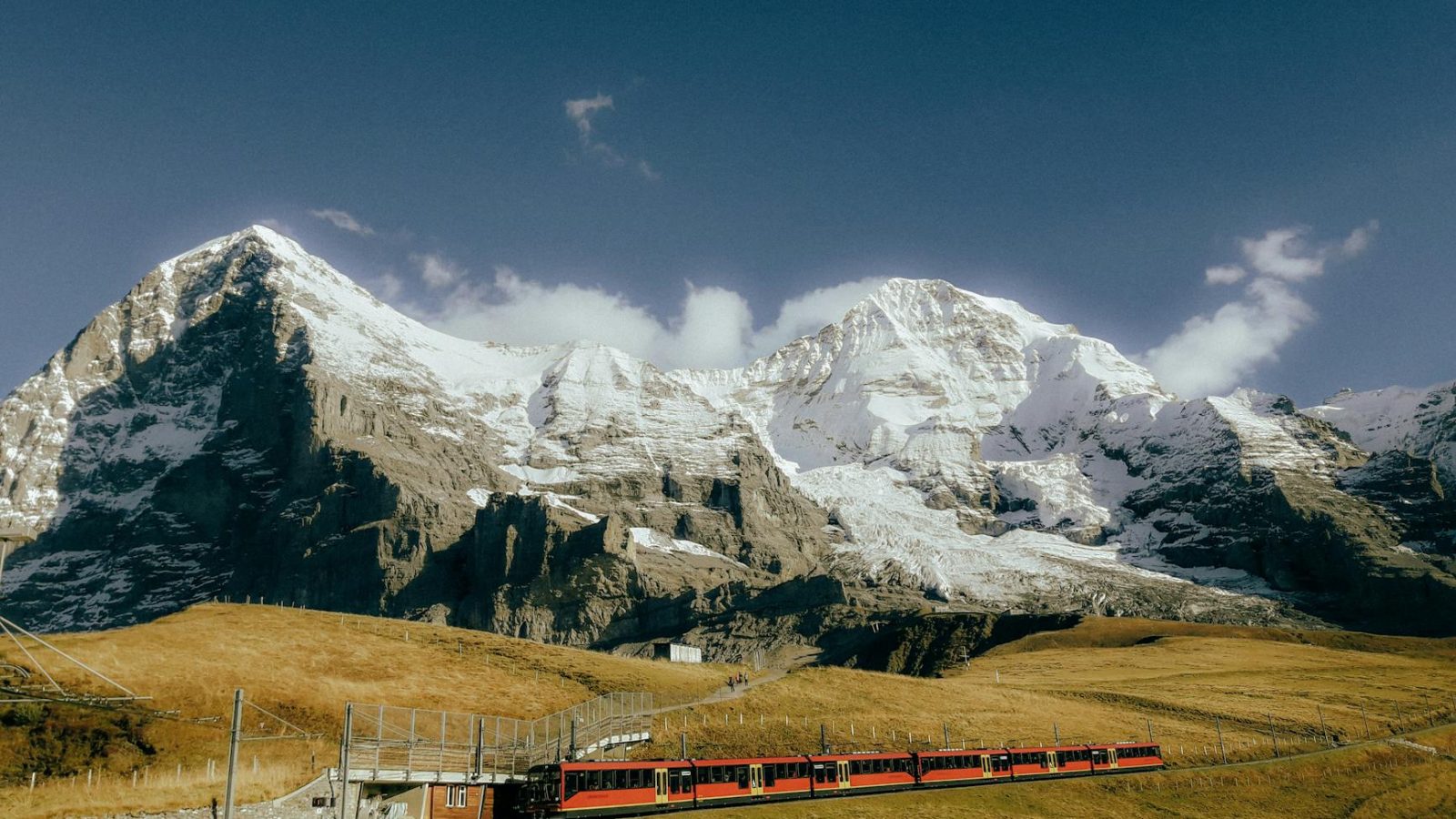
Switzerland still has a particular grip on the Indian imagination. Yash Chopra ran Bollywood film crews through these meadows for thirty years and the result is that even Indians who have never travelled abroad recognise the snow-capped peaks, red trains and chocolate-box villages on sight. The reality of visiting Switzerland in 2026 is that it lives up to every postcard, but at prices that will make you flinch at the supermarket. A simple sandwich costs CHF 12 (about INR 1,150). A Coke in a station vending machine is CHF 5. Coming prepared for this maths is half the battle.
The good news is that the Swiss Travel Pass system, the train network and the dense calendar of free things to see make Switzerland surprisingly doable for Indian travellers on a structured budget. An eight-day pass costs CHF 419 (about INR 39,200 in 2026) and covers virtually every train, boat and bus in the country plus most museum entries. The trains run on time, climb to mountain peaks, and turn the journey itself into the highlight.
Getting there
Schengen visa applications for Switzerland go through VFS Global centres in Delhi, Mumbai, Bengaluru, Chennai, Kolkata and a few others. The 2026 Schengen visa fee is EUR 90 (around INR 8,400) plus VFS service charge of INR 1,510. Documents needed include round-trip flights, hotel bookings for the entire stay, travel insurance covering EUR 30,000 medical, six months of bank statements showing minimum INR 1.5 lakh balance, ITRs and salary slips. Processing officially takes 15 working days but can stretch to 30 in peak season.
Direct flights from Mumbai (BOM) and Delhi (DEL) to Zurich (ZRH) operate on Swiss International and Air India, return fares INR 72,000 to 88,000 in 2026 shoulder seasons. One-stop options via Doha, Dubai or Frankfurt on Qatar Airways, Emirates and Lufthansa start at INR 58,000. Flight time direct is around 9 hours.
Day-by-day itinerary
Day 1-2 Zurich: Arrive at ZRH, train to Zurich HB in 10 minutes (CHF 7). Walk Bahnhofstrasse, the old town Niederdorf, Lake Zurich promenade. Day 2: day trip to Rhine Falls in Schaffhausen, the largest waterfall in Europe, free entry to the viewing terraces.
Day 3 Lucerne: Train Zurich to Lucerne, 50 minutes. Walk the Chapel Bridge (Kapellbrucke), the lion monument, take the lake boat one hour each way (Swiss Pass covers it). Evening: Mount Rigi half-day round trip by cogwheel train.
Day 4-6 Interlaken: Train Lucerne to Interlaken via the Golden Pass route, 2 hours of pure scenery. This is the base for Jungfrau. Day 5: Jungfraujoch trip, the famous “Top of Europe” at 3,454 metres. The full ticket from Interlaken with the Swiss Travel Pass discount is CHF 152 (INR 14,300). Day 6: Schilthorn or Harder Kulm for cheaper alternative peak views, plus paragliding option from Beatenberg at CHF 180.
Day 7-8 Zermatt: Train Interlaken to Zermatt via Visp, 3 hours. Zermatt is car-free, only electric vehicles. Gornergrat railway up to 3,089 metres for the Matterhorn view, CHF 132 (Swiss Pass gives 50% off). Pair this with Italy if you want to extend to Schengen Italy.
Day 9-10 Geneva: Train Zermatt to Geneva, 3.5 hours. UN headquarters tour, Jet d’Eau fountain, old town. Day trip to Lausanne or Chamonix Mont-Blanc (France day trip – Schengen visa allows multi-entry). Fly out from GVA.
Where to stay
Swiss hotel prices in 2026 are steep. In Zurich, B2 Boutique Hotel is INR 14,800 per night, Ibis Zurich City West at INR 9,400. Lucerne has Hotel Wilden Mann at INR 16,500 and Cascada at INR 11,200. Interlaken is the cheapest base with Backpackers Villa Sonnenhof at INR 4,800 for dorm beds and Hotel Interlaken at INR 12,400 for doubles. Zermatt is the most expensive – Hotel Bahnhof at INR 11,000 is the budget option, Grand Hotel Zermatterhof at INR 38,000 is the splurge.
Airbnbs work out marginally cheaper but with strict cleaning fees. Self-cater breakfasts and lunches with Coop and Migros supermarket runs to cut costs – a bread, cheese and fruit picnic costs CHF 12 versus a restaurant meal at CHF 28-35.
Common mistakes
- Buying the Swiss Travel Pass for too long. Most Indian itineraries fit an 8-day pass. Buying 15-day means paying CHF 130 extra for nothing.
- Going to Jungfraujoch on a cloudy day. The visibility makes or breaks the CHF 152 experience. Check webcam at jungfrau.ch the same morning.
- Not booking seat reservations for scenic trains. The Glacier Express and Bernina Express need reservations separately even if you have a Swiss Pass.
- Eating at train stations and tourist spots. Step two blocks away and prices drop 30%.
- Carrying only euros. Switzerland uses Swiss Francs (CHF) – some places accept euros but with terrible exchange rates.
Vegetarian food
Switzerland has decent vegetarian options but at painful prices. Hiltl in Zurich, the world’s oldest vegetarian restaurant (since 1898), has a buffet at CHF 5.50 per 100 grams – a normal plate works out to CHF 28 (around INR 2,600). Tibits is the chain version with branches in Zurich, Lucerne and Bern, same pay-by-weight system.
Indian restaurants are everywhere – Maharaja in Zurich, Bombay in Interlaken, Spice of India in Lucerne, all serving thali and dal-roti meals at CHF 22-28 (INR 2,000-2,600). For self-catering, Coop and Migros sell breads, cheese, salad packs, fruits, and microwave-ready dal-rice packets. Indian dry snacks from a backpack are essential for train rides where station food is unreasonable.
Money, SIM and connectivity
Currency is Swiss Franc (CHF), exchange rate in early 2026 is roughly INR 95 per CHF. Cards work everywhere – Visa and Mastercard especially. ATMs charge CHF 5-7 per withdrawal. Notify your bank before travel.
For SIM, eSIM options like Airalo are best – 5GB for 15 days at USD 9. Swisscom prepaid tourist SIMs cost CHF 30 for 14 days unlimited. Hotel WiFi is universal and good. Train WiFi is patchy in tunnel sections.
Packing checklist
- Layered clothing – mountain weather changes hourly
- Waterproof jacket and trousers
- Sturdy walking shoes with grip
- Sunglasses and high-SPF sunscreen (snow glare at altitude)
- Universal adapter (Switzerland uses Type J, not standard Europe)
- Reusable water bottle – tap water is excellent and free
- Cash wallet and a separate card wallet
FAQs
When is the best time to visit? June to early September for green meadows and clear hikes. December to February for skiing. April-May and October are shoulder seasons with lower prices.
How expensive is Switzerland really? Plan for INR 8,000-12,000 per person per day excluding hotels, including transport on the Swiss Pass, two meals out, and one paid activity. Hotels add another INR 8,000-15,000.
Is the Swiss Travel Pass worth it? Yes if you are doing 4+ destinations. The 8-day pass at CHF 419 covers what would cost CHF 600+ in point-to-point tickets plus museum entries.
Can children use the same pass? Children under 16 travel free with parents on the Swiss Family Card, which is free to request when buying parent passes.
Do I need to know German or French? No. English is widely spoken at hotels, restaurants and train stations across all four Swiss language regions.
Is paragliding safe at Interlaken? Generally yes – companies like Skywings and Paragliding Interlaken have decades of operation. Tandem flights only for tourists.
Sample budget breakdown (10 days, per person)
- Flights (Mumbai-Zurich return): INR 78,000
- Schengen visa, insurance, VFS: INR 12,500
- Hotels (mid-range, 9 nights): INR 1,12,000
- Swiss Travel Pass 8-day: INR 39,200
- Jungfrau and other peaks: INR 22,500
- Food (mix of self-catering and restaurants): INR 36,000
- Miscellaneous: INR 8,000
- Total: INR 3,08,200 per person