Pandharpur Wari Yatra 2026: Vithoba Temple, Ashadhi Ekadashi & Palkhi
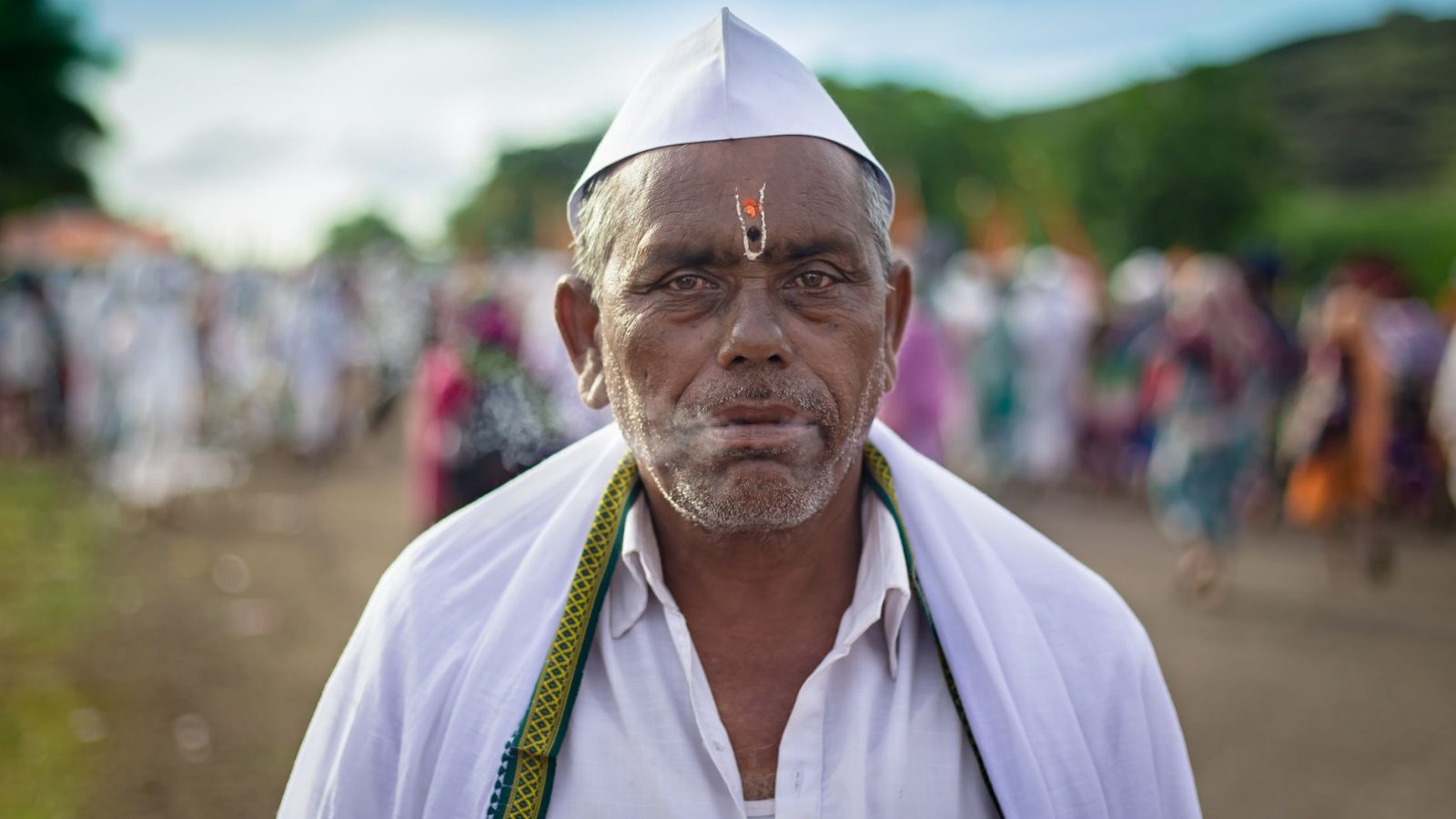
Quick answer: Pandharpur Wari is Maharashtra’s grandest pilgrimage, where lakhs of warkaris walk for 21 days to Vitthal’s temple beside the Chandrabhaga river. The two main palkhi processions begin at Dehu (Sant Tukaram) and Alandi (Sant Dnyaneshwar) and converge for Ashadhi Ekadashi in late June or early July. Join even a single day of walking and bhajan singing for a profound experience. Carry light cotton clothes, sturdy chappals, and rain gear.
The Pandharpur Wari is unlike any other Hindu pilgrimage. It is not a single-day darshan trip; it is a 700-year-old walking pilgrimage where 8-15 lakh Warkaris (devotees of Vithoba) walk 250 kilometres from Dehu and Alandi to Pandharpur, singing abhangas of Tukaram and Dnyaneshwar, sleeping in fields, sharing meals with strangers. The footfall on Ashadhi Ekadashi day at Pandharpur regularly crosses 20 lakh.
This guide is for the Maharashtrian devotee planning their first Wari, for the non-Maharashtrian curious about Bhakti tradition, and for the cultural traveller who has heard about the Palkhi but doesn’t know where to start. It is not a luxury trip — Wari is, by its nature, equalising and physical. If you want comfort, this isn’t it. If you want to understand grassroots Hindu devotion, there is nothing like it.
Getting there
Pandharpur is in Solapur district of Maharashtra. The nearest airport is Pune (PNQ), 200 km / 4.5 hours by road, or Solapur (SSE) which has limited flights, 70 km / 1.5 hours away. From Mumbai (BOM), it is 410 km / 7-8 hours.
By train, Pandharpur (PVR) station sits on the Kurduwadi-Miraj line. The Bhima Express from Pune, Solapur, Latur and Mumbai serves it directly. Pune-Pandharpur takes 5 hours (Rs 220 sleeper, Rs 600 3AC).
For the Wari itself in 2026 — Ashadhi Ekadashi falls on Sunday, 5 July 2026. The two main palkhis (palanquins) start from Dehu (Sant Tukaram, leaves around mid-June) and Alandi (Sant Dnyaneshwar, leaves around mid-June). Both reach Pandharpur 21 days later, in time for Ekadashi.
Day-by-day itinerary (5 days during peak Wari period)
Day 1 — Pune base. Reach Pune by afternoon. Visit Dehu (35 km) for Sant Tukaram Samadhi temple and the original Vitthal-Rukmini idol. The Tukaram Palkhi sets off from here. If timing matches, you can witness the send-off ceremony with traditional dindi formations. Return to Pune for night halt.
Day 2 — Alandi. 20 km from Pune. Sant Dnyaneshwar Samadhi temple is here — the saint took live samadhi at age 21 in 1296. The Mauli Palkhi sets off from Alandi. Watch the elaborate sendoff with thousands of Warkaris dressed in white, carrying tulsi vrindavans on their heads, singing “Pundalik Varadey Hari Vitthal.” Both palkhis converge for a brief meeting in Pune, then continue separately to Pandharpur.
Day 3 — Join the Wari (optional). If you are fit and committed, join the walking dindi for one full day. Most non-regular Warkaris join the last 3-day stretch from Wakhri to Pandharpur (around 20 km). Wear comfortable cotton clothes, sturdy chappals, carry water and ORS. The dindi will absorb you — meals are shared, sleeping is in any field or temple courtyard. Or, watch from a distance: hire a car along the highway parallel to the walking route between Saswad-Jejuri-Loni Bhapkar area.
Day 4 — Travel to Pandharpur. If joining the Wari, you walk. If not, take a taxi (Rs 5,500 from Pune) or train. Pandharpur is overflowing on Ekadashi eve — accommodation is impossible without a 4-month advance booking. Many sleep in temple corridors, dharamshalas, or fields with the Warkaris.
Day 5 — Ashadhi Ekadashi darshan. The Mahapuja at Vithoba temple starts at midnight. The Chief Minister of Maharashtra traditionally performs the first puja. Public darshan begins at 4 am. Queue is 6-10 hours long even with VIP passes. Most Warkaris are content with mukh darshan (face-glimpse) from the corridor — touching the deity’s feet is reserved for the early morning slot which is reserved months ahead. Bath at Chandrabhaga River (Bhima river’s local name) before darshan. Leave by evening to avoid the post-festival exit jam.
Where to stay
Pandharpur accommodation during Wari is tough. Hotel Shri Sai Palace, Hotel Sri Krishna Inn and Hotel Sapphire range Rs 2,000-4,500 in normal months but jump to Rs 8,000-15,000 in Ashadhi week — and they all sell out by April. Devasthanam runs basic dharamshalas at Rs 200-600 per night.
Better strategy: stay in Solapur (70 km) at any standard hotel and drive in for the day. Solapur has Park Plaza, Hotel Surya Executive and many budget options at Rs 2,000-4,500. For Pune base before-after, Hotel Surya Villa (Rs 3,500-5,000) and many other mid-range choices.
Common mistakes
- Going on Ashadhi Ekadashi without booking. Hotels, trains, even buses are jammed. Either book 4 months ahead or come a week before/after when it’s manageable.
- Wearing fancy clothes to the Wari. The Wari is white-cotton, tulsi-mala, simple chappals. Synthetic, jewellery, expensive cameras stand out and are inappropriate.
- Joining the walking dindi without fitness. 20-25 km a day in July heat with rain showers is taxing. Train at least a month with daily 5-10 km walks if you plan to join even a partial section.
- Missing the bath at Chandrabhaga. The dip in the river before Vithoba darshan is part of the tradition. Bring a change of clothes.
- Treating the Warkaris as tourists. They are devotees, not a parade. Don’t shove cameras in faces. Ask before photographing.
Vegetarian food
Pandharpur is overwhelmingly vegetarian and satvik. During Wari, hundreds of free annadanam camps are set up by trusts and individuals along the route — you get pithla-bhakri, varan-bhaat, kheer for free. Hotel Saraswati and Annapurna Bhojnalay near the temple do Maharashtrian thalis for Rs 100-200 with bhakri, zunka, koshimbir, varan, pickled lemon and shrikhand. Try local pedhas at Bhuribavajee Pedha shop near the temple (Rs 350/kg). Solapur is famous for shenga chutney (groundnut chutney) — buy a packet to take home. Filter coffee is rare here; cutting chai is the standard beverage. Fast on Ekadashi means sabudana khichdi, varai bhaat, batata bhaji, fruit — easily available everywhere.
Money, SIM and connectivity
Jio and Airtel work well in Pandharpur town. Coverage is patchy in the rural stretches of the Wari route. UPI is accepted in most shops in town. ATMs of SBI and PNB are around the temple, but they run out by evening during Ekadashi week. Carry Rs 5,000-8,000 cash. Marathi is the dominant language — Hindi works at hotels, less so at temple-area shops. Carry a small Marathi phrasebook for older devotees who only speak the regional tongue.
Packing checklist
- White or light-coloured cotton clothes (kurta-pyjama or sari)
- Sturdy walking sandals — Crocs or Bata sandals work
- Two large quick-dry towels
- Light raincoat (monsoon timing)
- ORS sachets, anti-diarrhoea tablets
- Refillable water bottle
- Tulsi mala if you have one (purchasable in town for Rs 50-200)
- Small puja kit
- Cash in small denominations
FAQs
When is Ashadhi Ekadashi 2026? Sunday, 5 July 2026.
Can non-Hindus enter the Vithoba temple? Officially yes, though signs around the temple sometimes restrict the inner sanctum to Hindus. Most non-Hindu travellers do mukh darshan from the corridor.
Is it possible to just see the Wari without joining? Yes. Drive to one of the day-halt villages like Saswad, Lonand, Phaltan or Natepute — the dindis arrive around afternoon and the evening kirtan in the village square is open to all.
Are foreigners welcome? Yes, but the experience is deeply Marathi and assumes basic familiarity with the tradition.
Best time other than Ashadhi? Kartik Ekadashi (November) is the smaller second peak — quieter, but still about 8-10 lakh devotees.
Is the temple open year-round? Yes, open daily 5 am-11:30 am and 4 pm-11 pm.
Sample budget breakdown (per person, 5 days, mid-range)
- Train from Pune to Pandharpur (return, 3AC): Rs 1,200
- Hotels (4 nights, mid-range, shared, off-peak rate): Rs 4,500
- Local transport: Rs 1,000
- Food (5 days, including free annadanam options): Rs 1,500
- Temple offerings, dakshina, prasad: Rs 800
- Tulsi mala, pedhas, souvenirs: Rs 600
- Buffer: Rs 700
- Total: approximately Rs 10,300 per person (much higher during Ashadhi peak — budget Rs 20,000+)