
Unlocking Your Inner Compass: Navigating Life with Spiritual Wisdom
Hey there, fellow traveler on this wild journey called life! Have you ever found yourself at a crossroads, feeling a little adrift, wondering which way to turn? Or perhaps you’ve been caught in a whirlwind of daily demands, yearning for a deeper sense of purpose and peace? I know I certainly have. Life, with all its beautiful complexities, can sometimes feel like trying to sail a ship without a rudder in a storm. We’re constantly bombarded with external advice, societal expectations, and the ever-present hum of digital noise, making it incredibly difficult to hear our own inner voice.
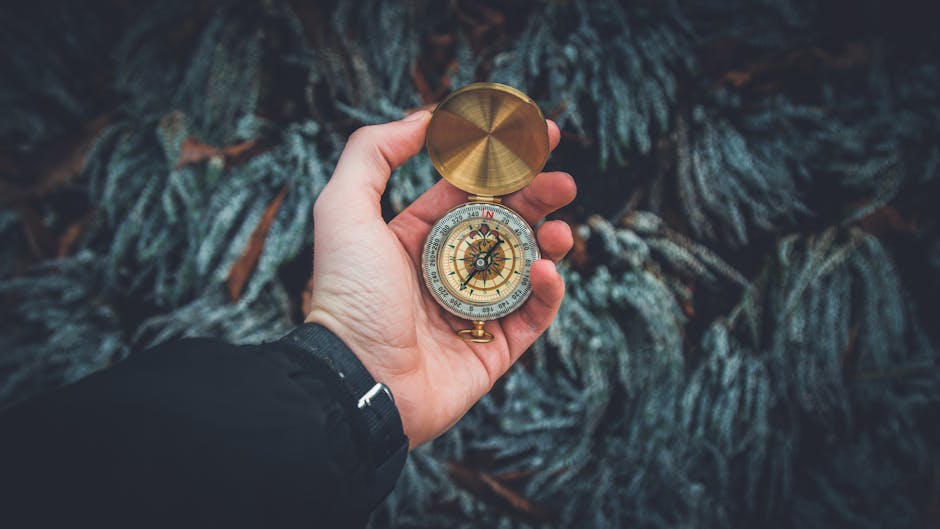
Photo by Valentin Antonucci on Pexels
For a long time, I thought ‘spiritual wisdom’ was something reserved for monks on mountaintops or gurus in ashrams. It seemed lofty, perhaps a bit out of reach for someone like me, juggling deadlines, family life, and the occasional existential crisis over what to have for dinner. But over the years, I’ve come to realize something profound: integrating core spiritual principles into our lives isn’t about escaping reality or adopting a new religion. It’s about developing an incredibly powerful internal guidance system—an ‘inner compass’—that helps us make more conscious choices, find genuine purpose, and cultivate a deep, abiding inner peace, regardless of our specific faith, background, or the chaos swirling around us.
This isn’t about rigid dogma; it’s about universal truths that resonate with the human experience. It’s about waking up to the incredible power we hold within to navigate life with grace and intention. So, let’s explore how we can tap into this profound wellspring of wisdom together.
Mindfulness for Life: Anchoring in the Present Moment
One of the first and most transformative spiritual principles I truly embraced was mindfulness. Before that, my mind was a constant time-traveler – either replaying past regrets or fast-forwarding to future worries. I was physically present, but mentally, I was everywhere but ‘here.’ It felt like living life on autopilot, missing so much of the richness that was unfolding right in front of me.
Mindfulness, at its heart, is simply paying attention to the present moment without judgment. It sounds deceptively simple, doesn’t it? But its impact is monumental. I remember a particularly stressful period at work when I felt overwhelmed. I decided to try a simple mindfulness exercise: focusing entirely on my breathing for just five minutes. Those five minutes didn’t make my deadlines disappear, but they created a tiny pocket of calm amidst the storm. It was like hitting a reset button for my nervous system. I realized that while I couldn’t control the external pressure, I could control my reaction to it by intentionally bringing my awareness back to the now.
This practice isn’t about clearing your mind completely (good luck with that!). It’s about noticing thoughts, feelings, and sensations as they arise, and gently bringing your attention back to an anchor, like your breath. It allows us to observe our thoughts rather than being consumed by them. This conscious living helps us respond thoughtfully instead of reacting impulsively, which is a cornerstone of spiritual guidance.
Practical Takeaway:
- Start with just 5 minutes a day. Focus on your breath, your senses, or even a simple task like washing dishes. Notice the water, the scent of the soap, the texture of the sponge.
- When you find your mind wandering (and it will!), gently guide it back. No judgment, just gentle redirection.
The Ripple Effect: Understanding Karma and Purpose

Explore a colorful abstract maze with surreal lighting, ideal for backgrounds or creative projects. (Photo by Steve A Johnson)
The concept of karma often gets a bad rap, sometimes misunderstood as a cosmic punishment system. But for me, understanding karma became less about reward and punishment, and more about the interconnectedness of all things—the universal law of cause and effect. It’s the simple truth that our actions, thoughts, and words create ripples that extend far beyond what we can immediately perceive.
I once had a difficult encounter with a colleague where I reacted defensively and spoke harshly. Immediately, I felt a knot in my stomach. The interaction left a sour taste, not just for them, but for me. Later that day, I reflected on it and realized my words had created a negative atmosphere, which then affected my own mood and productivity. The ‘karma’ wasn’t some external force; it was the immediate, internal consequence of my own unskillful action. This realization was a huge step in my self-discovery journey.
This understanding of karma also deeply connects to our sense of purpose. When we realize that our every action contributes to the fabric of existence, it naturally leads us to ask: What kind of fabric do I want to weave? How can my actions contribute positively to the world around me? This isn’t about grand gestures; it’s about the small, daily choices – a kind word, an act of kindness, choosing integrity over convenience. This is where karma and purpose beautifully intertwine, guiding us towards conscious living and personal growth spirituality.
Practical Takeaway:
- Before acting or speaking, pause and ask: “What ripple will this create?”
- Reflect on past interactions. How did your actions impact others and yourself? What did you learn?
- Identify one small way you can bring more kindness or integrity into your day.
Self-Discovery Journey: Unearthing Your True Self
We spend so much of our lives trying to fit in, to meet expectations, to be who we think we ‘should’ be. But spiritual wisdom invites us to embark on a profound journey inward – a self-discovery journey to unearth who we truly are beneath all the layers of conditioning. For me, this journey began with asking myself some uncomfortable questions: What are my deepest values? What truly brings me joy, not just fleeting pleasure? What fears are holding me back?
I used to define myself by my job title, my relationships, or my achievements. When a major life change shifted some of those external markers, I felt completely lost. It was unsettling, but also incredibly liberating. It forced me to look beyond the surface and ask, “Who am I, really, without all of that?” This process of shedding what no longer serves us, of peeling back the layers of societal expectations, is crucial for developing that robust inner compass. It’s about aligning with our authentic self, which is the source of our truest spiritual guidance.
This isn’t a one-time event; it’s an ongoing exploration. It involves introspection, perhaps journaling, quiet contemplation, and sometimes, bravely facing aspects of ourselves we’d rather ignore. But it’s in this honest self-reflection that we begin to understand our unique strengths, our passions, and our deepest desires, which then inform our choices and lead us toward a life of greater fulfillment and inner peace.
Practical Takeaway:
- Dedicate time for quiet reflection. Journaling can be a powerful tool for exploring your thoughts and feelings.
- Ask yourself: “What truly matters to me?” “What brings me alive?” “What beliefs about myself are holding me back?”
- Pay attention to what energizes you and what drains you. These are clues to your authentic self.
Cultivating Inner Peace Amidst Daily Challenges
Let’s be real: life throws curveballs. There will always be challenges, anxieties, and moments of discomfort. Spiritual wisdom doesn’t promise a life free of problems, but it offers powerful inner peace techniques to navigate them with greater equanimity. It’s about finding a calm center within, even when the external world is in turmoil.
For me, this hit home during a particularly difficult family crisis. My initial reaction was panic and despair. But because I had been practicing mindfulness and self-awareness, I was able to catch myself. Instead of being swept away by the emotional storm, I could observe my feelings, acknowledge them, and then consciously choose my response. I leaned into practices like deep breathing and connecting with nature, which helped ground me. It wasn’t about ignoring the pain, but about creating space around it, preventing it from consuming me entirely.
These inner peace techniques are like building resilience muscles. They include practices like gratitude, forgiveness (of self and others), compassion, and letting go of what we cannot control. They help us cultivate a sense of trust in life’s unfolding and understand that growth often comes from navigating difficulties. This is the essence of universal spiritual principles at play in our daily lives.
Practical Takeaway:
- Practice gratitude daily. Even in tough times, find one small thing to be thankful for.
- Experiment with simple breathing exercises when you feel overwhelmed.
- When faced with a challenge, ask: “What can I learn from this?” or “What is within my control here?”
Your Inner Compass: A Lifelong Journey
So, there you have it. Unlocking your inner compass isn’t about finding a magic formula or escaping reality. It’s about consciously integrating these universal spiritual principles—mindfulness, understanding karma, embarking on a self-discovery journey, and cultivating inner peace—into the fabric of your everyday life. It’s a journey, not a destination, filled with learning, unlearning, and continuous refinement.
This internal guidance system empowers us to make choices aligned with our deepest values, to respond to life with wisdom and compassion, and to find a profound sense of purpose and peace right where we are, amidst all the beautiful messiness of being human. It’s about trusting that you already hold the wisdom you need within you, just waiting to be awakened.
What does ‘spiritual wisdom’ mean to you in your daily life? How do you currently tap into your inner guidance? What’s one small step you can take today to strengthen your inner compass?