Table of Contents
Why Sustainable Tourism Matters in the Himalayas
The Indian Himalayas—stretching across Himachal Pradesh, Uttarakhand, and beyond—have long been a magnet for trekkers, spiritual seekers, and nature lovers. Towering peaks, alpine meadows, and ancient temples dot a landscape that feels untouched by time. But appearances can be deceiving.
In recent years, unchecked tourism has begun to scar these fragile high-altitude ecosystems. Plastic waste litters trails, water sources are strained, and wildlife habitats are shrinking. Climate change is accelerating glacier melt, threatening the region’s fragile hydrology. In this context, **sustainable tourism isn’t just a buzzword—it’s a necessity**.
The good news? Across Himachal Pradesh and Uttarakhand, local communities are stepping up. From zero-waste villages to community-run homestays and conservation cooperatives, grassroots initiatives are redefining what responsible travel looks like in the mountains.
As someone who’s spent years trekking through these valleys, I’ve seen both the damage and the hope. And what’s emerging isn’t just about preserving nature—it’s about empowering people.
Eco-Lodges and Green Stays in Himachal Pradesh
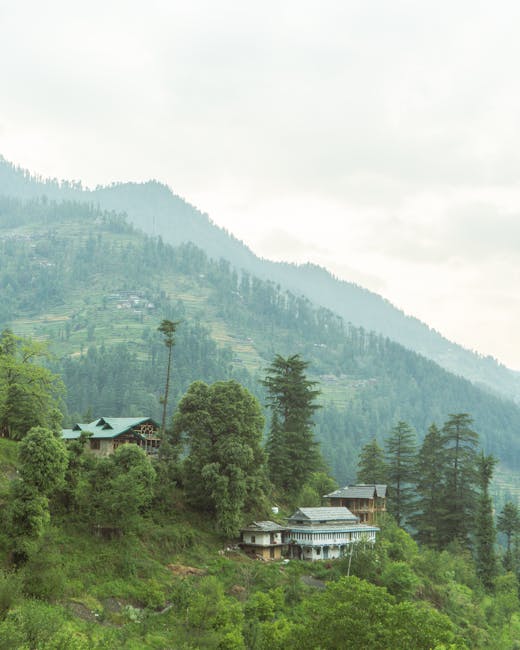
In the Kullu Valley and Spiti region of Himachal Pradesh, a quiet revolution is underway. Traditional stone-and-wood homes are being transformed into eco-lodges that blend heritage with sustainability.
Take the village of **Gramphul** in Kullu, for example. Here, a group of women formed a self-help group to launch eco-friendly homestays powered by solar energy, using composting toilets and rainwater harvesting. Guests dine on organic meals grown in kitchen gardens, and every stay contributes to local education and waste management.
Further north, in **Kibber**, one of the world’s highest villages, the Snow Leopard Conservancy India Trust partners with families to run eco-homestays. These stays not only provide income but also fund wildlife monitoring and anti-poaching patrols. As a guest, you might wake up to a Himalayan wolf’s howl or spot a snow leopard’s tracks—experiences made possible because conservation is woven into tourism.
These initiatives follow strict eco-principles:
- No single-use plastics—all toiletries are refillable or homemade.
- Local sourcing—food, crafts, and materials come from within 20 km.
- Energy efficiency—solar heaters and passive solar architecture reduce dependence on fossil fuels.
The result? A tourism model that doesn’t just minimize harm—it gives back.
Community-Led Conservation in Uttarakhand
If Himachal is pioneering eco-infrastructure, Uttarakhand is leading in community stewardship.
In the **Kedarnath Wildlife Sanctuary**, the aftermath of the 2013 floods left villages devastated—and ecosystems in crisis. But from that tragedy emerged a powerful movement. In **Gaurikund** and **Rambara**, villagers formed eco-development committees to manage tourism sustainably.
One standout example is the **Green Kedarnath Initiative**, supported by local NGOs and the forest department. It trains youth as eco-guides, runs waste segregation drives, and promotes off-season trekking to reduce peak-season pressure. Trails are now lined with biodegradable waste bins, and porters carry down trash alongside supplies.
Meanwhile, in the lesser-known **Askot region**, the **Munsiyari Bhotiya community** is conserving the Himalayan musk deer through community reserves. They’ve banned grazing in certain zones and patrol forest corridors to prevent poaching. Tourists can now book guided walks to learn about traditional conservation ethics—like the “jharad” system of sacred groves.
As the National Geographic has highlighted, these local-led models are more effective than top-down enforcement because they align ecological goals with cultural values.
The Role of Local Guides and Homestays
One of the most transformative shifts in Himalayan tourism is the rise of **local guides and homestays**. Instead of foreign-led expeditions or chain-run hotels, travelers are now choosing immersive, community-based experiences.
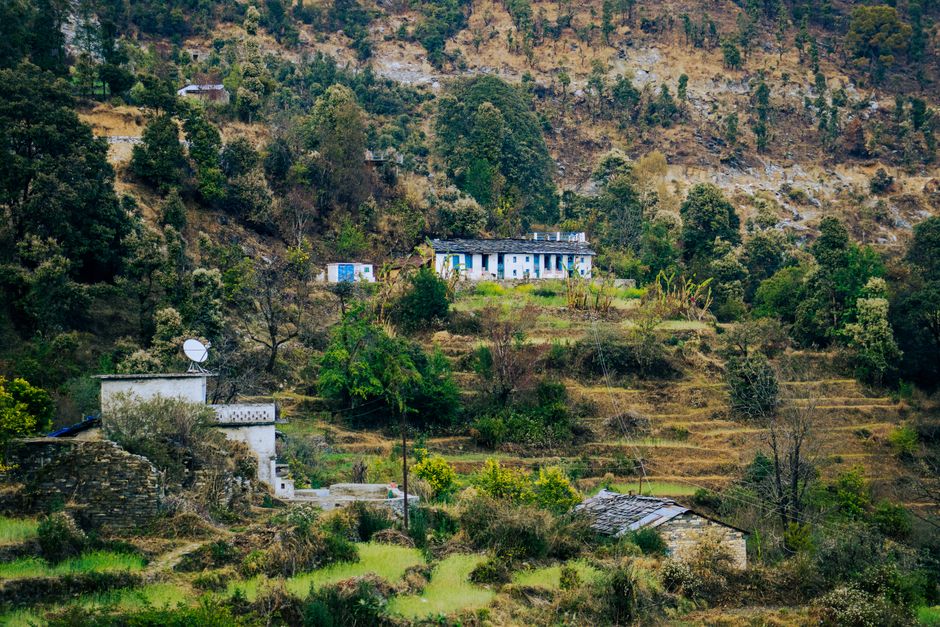
In **Dharamshala**, the Tashi Pathways initiative trains Tibetan youth as cultural guides, offering walking tours that blend history, spirituality, and sustainability. Similarly, in **Pithoragarh**, the Homestay Network connects visitors with families in remote hamlets, fostering cross-cultural exchange while generating income.
These aren’t just accommodations—they’re invitations into a way of life. You might help bake baati bread in a wood-fired oven, join a morning prayer, or learn to stitch wool from locally reared sheep.
By staying with families, tourists support local economies directly. No middlemen. No leakages. And the stories you carry home? They’re richer, deeper, and more human.
For more insights on mindful travel in India’s mountain regions, explore our guide on Himalayan Pilgrimage Trails.
Challenges and Opportunities Ahead
Despite progress, challenges remain. Infrastructure gaps, seasonal tourism, and policy inconsistencies make scaling difficult. Some areas still lack waste processing units, and unregulated adventure tour operators often bypass local regulations.
Yet, the momentum is building. The Himachal Pradesh government has introduced a Green Tourism Policy, incentivizing eco-certifications. Uttarakhand has launched the Eco-Tourism Mission 2030, aiming to involve 10,000 local households in sustainable tourism.
Technology is helping too. Apps like Trash Tracker and EcoDurga allow tourists to log waste collection and earn rewards. Drones are being used to monitor forest cover changes in real time.
But the real opportunity lies in shifting mindsets—both among travelers and locals. Sustainable tourism isn’t about sacrifice; it’s about connection. It’s understanding that when you tread lightly, the mountains respond with generosity.
Conclusion
The Himalayas are more than a destination—they’re a living, breathing entity shaped by centuries of harmony between people and nature. Today, that balance is being tested. But in the villages of Himachal Pradesh and Uttarakhand, a new story is unfolding.
One where tourism doesn’t exploit but uplifts. Where conservation is not enforced from outside but nurtured from within. Where every guest becomes a steward.
If you plan to visit, ask yourself: Will my presence leave a trace? Choose homestays over hotels, local guides over franchises, and low-impact trails over crowded peaks. Because the future of the Himalayas isn’t just in the hands of governments or NGOs—it’s in yours.
FAQ
What is sustainable tourism in the Himalayas?
Sustainable tourism in the Himalayas focuses on minimizing environmental impact, supporting local communities, and preserving cultural heritage. It includes practices like eco-stays, waste reduction, using local guides, and respecting wildlife habitats. The goal is to ensure that tourism benefits both travelers and host communities without degrading natural resources.
Which regions in India are leading in eco-friendly mountain tourism?
Himachal Pradesh (especially Spiti, Kullu, and Dharamshala) and Uttarakhand (including Munsiyari, Kedarnath, and Pithoragarh) are at the forefront. These regions host community-run homestays, eco-lodges, and conservation programs that integrate tourism with environmental protection and local livelihoods.
How can travelers support sustainable tourism in the Himalayas?
Travelers can support sustainability by choosing community-based accommodations, avoiding single-use plastics, hiring local guides, participating in clean-up drives, and respecting cultural norms. Opting for off-season travel and low-impact activities like trekking or birdwatching also helps reduce pressure on fragile ecosystems.
Are there certifications for eco-friendly stays in the Indian Himalayas?
Yes, initiatives like the Ecotourism Society of India and state-level programs offer eco-certifications for lodges and tour operators. The Himachal Pradesh Green Tourism Policy includes a rating system based on energy use, waste management, and community engagement. Travelers should look for verified eco-labels when booking stays.