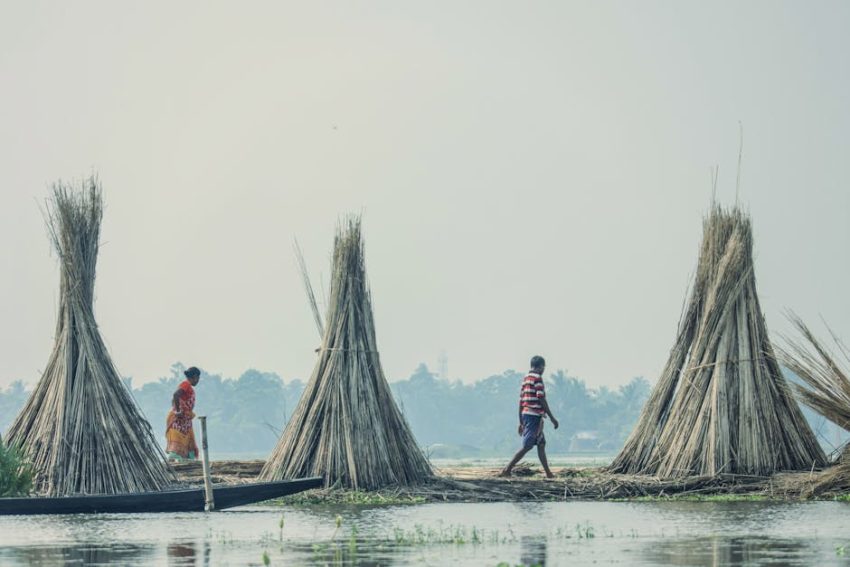
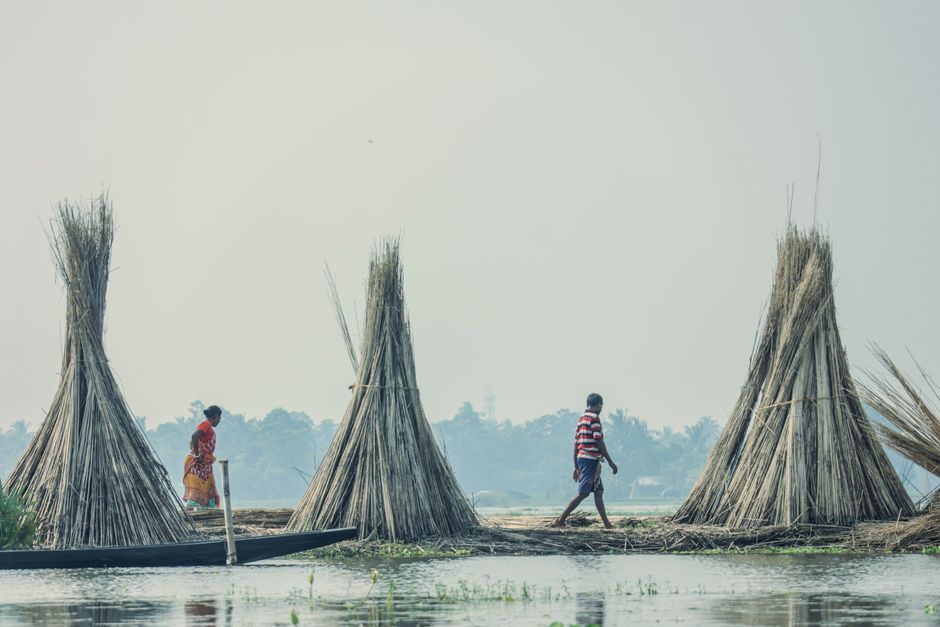
Photo by Sayak Mondal on Pexels
Unveiling India’s Soul: The Magic of Slow Travel
Forget the whirlwind tours, the frantic tick-box itineraries, and the selfie sticks at overcrowded monuments. Imagine, instead, sipping chai with a local artisan, learning ancient weaving techniques, or waking up to the sound of temple bells in a village untouched by mass tourism. This, my friends, is the heart of slow travel, and nowhere does it unfold with more vibrant magic than in India’s hidden gems.
India, a land of kaleidoscopic diversity, often conjures images of bustling Delhi, the majestic Taj Mahal, or the serene backwaters of Kerala. While these iconic sights are undoubtedly breathtaking, the true essence of this incredible country often lies beyond the well-trodden paths. Slow travel in India isn’t just a trend; it’s a philosophy, an invitation to peel back the layers, to connect, to learn, and to truly live like a local. It’s about embracing the rhythm of a place, fostering sustainable tourism, and creating authentic, unforgettable encounters that linger long after your journey ends.
Why Slow Travel is Your Ticket to Authentic India
In a world that constantly rushes, slow travel offers a profound antidote. It allows for deeper cultural immersion, moving beyond superficial observations to genuine understanding. You’re not just seeing India; you’re experiencing it. This approach fosters sustainable tourism by directing economic benefits to smaller communities, encouraging responsible tourism practices, and minimizing your environmental footprint. And the personal rewards? Priceless. From unexpected friendships to profound moments of self-discovery, slow travel unlocks a different kind of adventure.
Offbeat Indian Destinations for the Discerning Slow Traveler
1. Mawlynnong & Dawki, Meghalaya: India’s Cleanest Village & Emerald Waters
Nestled in the lush hills of Meghalaya, Mawlynnong proudly holds the title of ‘Asia’s Cleanest Village.’ This isn’t just a gimmick; it’s a way of life. Imagine a village where bamboo dustbins are everywhere, and every resident participates in keeping their surroundings pristine. But Mawlynnong offers more than just cleanliness; it’s a window into the unique Khasi culture, a matrilineal society where children take their mother’s surname. Just a short drive away, Dawki mesmerizes with its crystal-clear Umngot River, where boats appear to float on air.
Things to Do:
- Walk the Living Root Bridges: Marvel at these incredible natural wonders, formed over centuries by guiding the roots of rubber fig trees. The trek to Riwai’s living root bridge is particularly rewarding.
- Village Walks: Explore Mawlynnong on foot, observing daily life, interacting with locals, and appreciating their sustainable practices.
- Boating in Dawki: Glide across the impossibly clear waters of the Umngot River, feeling like you’re suspended in mid-air.
- Khasi Cuisine: Savor authentic Khasi dishes like Jadoh (rice and meat mixture) and Tungrymbai (fermented soybean dish).
Practical Tips:
- Best Time to Visit: October to April (pleasant weather, post-monsoon clarity for Dawki).
- How to Get There: Fly to Guwahati (Assam), then a scenic 4-5 hour taxi ride to Mawlynnong/Dawki. Buses are also available but less frequent.
- Budget Tips: Homestays are abundant and offer affordable, authentic experiences. Food is reasonably priced.
2. Orchha, Madhya Pradesh: A Riverside Kingdom Frozen in Time
Step back in time in Orchha, a small town on the banks of the Betwa River, dotted with magnificent palaces, temples, and cenotaphs that whisper tales of Bundela Rajput kings. Unlike the bustling crowds of Khajuraho, Orchha offers a serene, unhurried exploration of its rich history and architectural grandeur. It’s a place where history feels alive, and every stone has a story.
Things to Do:
- Explore Orchha Fort Complex: Wander through the Jahangir Mahal, Raj Mahal, and Raja Ram Temple, admiring intricate frescoes and stunning architecture.
- Betwa River Rafting/Boating: Enjoy a peaceful ride on the Betwa, especially at sunset, offering breathtaking views of the chhatris (cenotaphs) along the riverbank.
- Sound and Light Show: A captivating evening show at the fort brings the history of Orchha to life.
- Village Life: Take leisurely walks through the surrounding villages, observing local crafts and daily routines.
Practical Tips:
- Best Time to Visit: October to March (cooler, dry weather).
- How to Get There: The nearest railway station is Jhansi (15 km), well-connected to major Indian cities. Taxis and auto-rickshaws are readily available from Jhansi.
- Budget Tips: Guesthouses and smaller hotels offer excellent value. Many attractions are walkable, saving on transport costs.
3. Gavi, Kerala: Pristine Wilderness in the Periyar Tiger Reserve
While Kerala’s backwaters are famous, Gavi offers a completely different, offbeat Kerala experience. Located deep within the Periyar Tiger Reserve, Gavi is an ecotourism project managed by the Kerala Forest Development Corporation (KFDC). It’s a paradise for nature lovers and those seeking tranquility away from the usual tourist bustle, offering a truly immersive travel experience in the heart of the Western Ghats.
Things to Do:
- Jungle Trekking & Safari: Embark on guided treks through dense forests, with opportunities for wildlife spotting (elephants, sambar deer, gaur, and various bird species). Jeep safaris are also available.
- Boating on Gavi Lake: Enjoy a peaceful rowboat or pedal boat ride, soaking in the serene surroundings.
- Bird Watching: Gavi is a birdwatcher’s paradise, home to over 260 species of birds.
- Plantation Visits: Explore tea and cardamom plantations, learning about their cultivation.
Practical Tips:
- Best Time to Visit: September to May (pleasant weather, wildlife sightings are good).
- How to Get There: Entry to Gavi is restricted. You need to pre-book accommodation with KFDC or an authorized tour operator. The nearest major town is Vandiperiyar or Thekkady, from where KFDC vehicles transport visitors.
- Budget Tips: Stays are typically package-based (including food and activities) and offer good value for an eco-tourism experience.
Embracing the Slow Travel Ethos: Practical Tips for Immersive Journeys
- Stay Longer: Instead of rushing through multiple destinations, choose one or two and dedicate more time to each. This allows you to settle in, understand the local rhythm, and build connections.
- Choose Local Accommodation: Opt for homestays, guesthouses, or small, locally-owned hotels. This puts money directly into the community and offers invaluable insights into local life.
- Eat Local: Venture beyond tourist restaurants. Explore street food, small eateries, and local markets. Don’t be afraid to try new flavors and ask for recommendations.
- Learn Basic Phrases: A few words in the local language (even just ‘hello,’ ‘thank you,’ ‘please’) can open doors and show respect.
- Use Local Transport: Take trains, buses, or auto-rickshaws. It’s not just cost-effective; it’s a fantastic way to observe daily life and interact with locals.
- Engage with Communities: Participate in local workshops, volunteer for a day, or simply strike up conversations. Be curious, respectful, and open to learning.
- Minimize Your Footprint: Carry a reusable water bottle, refuse single-use plastics, and respect local customs and environments.
Cultural Insights and Authentic Encounters
Slow travel in India is a masterclass in cultural exchange. You might find yourself invited for a home-cooked meal by a family in Mawlynnong, discussing ancient legends with a temple priest in Orchha, or spotting a rare bird with a local guide in Gavi who knows every rustle of the forest. These are the moments that truly define an authentic India experience. It’s about understanding the nuances of Indian hospitality, the intricate tapestry of its traditions, and the profound wisdom that often resides in its simplest forms of life. Responsible tourism isn’t just about preserving; it’s about participating respectfully in this vibrant cultural exchange.
Conclusion: Your Journey to a Deeper India Awaits
India is not just a destination; it’s an experience that awakens the senses and nourishes the soul. By embracing the art of slow travel, you move beyond being a mere spectator and become an active participant in its living story. You’ll discover hidden gems, forge genuine connections, and carry home not just souvenirs, but a heart full of authentic memories and a profound understanding of this incredible nation. So, pack your bags, open your mind, and prepare to uncover the true magic of India, one unhurried step at a time.