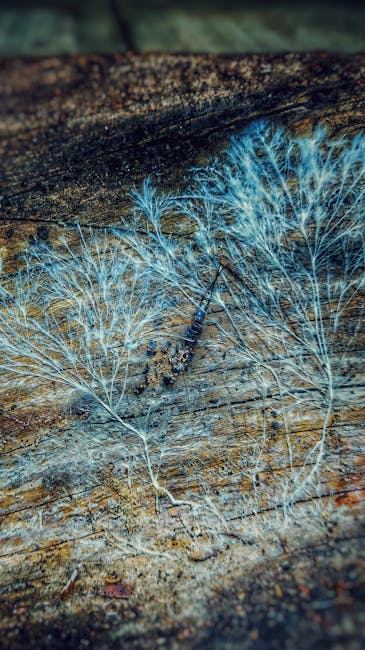
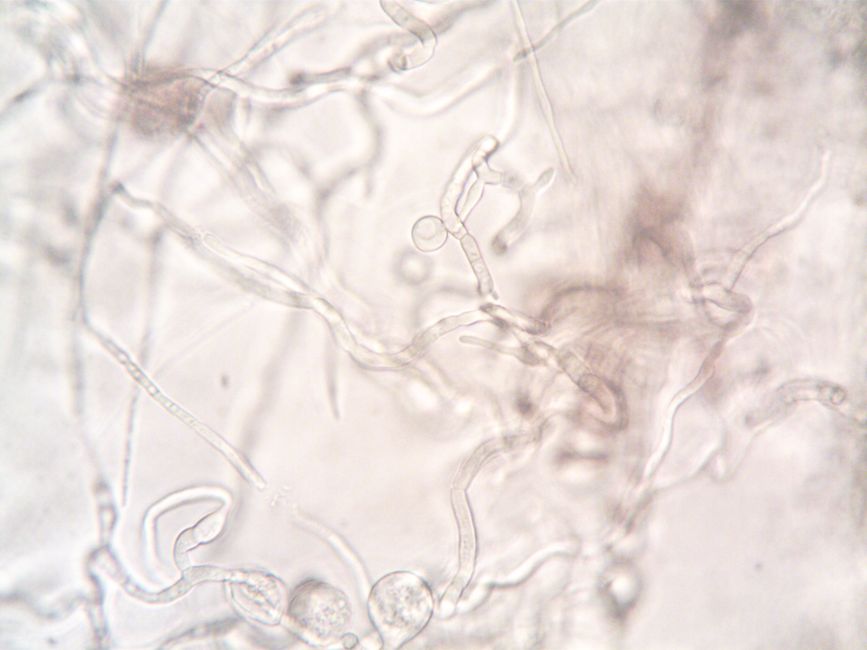
I crouched in the damp dirt under a stand of Corsican pines, poking at a mushroom that cracked like burnt paper. It smelled like wet walnuts and something deeper—like the back of your grandma’s basement after a long rain. Not truffle hunting, even though the guy at the market swore they were hiding down there, giggling under the roots if you just knew how to listen. Nah. I wasn’t after the mushroom. I wanted the threads—the mycelium. That slimy, sprawling web snaking under the whole forest, stitching trees together like some fungal nervous system. People call it the Wood Wide Web. Cute name. But that makes it sound clean. Neat. Digital. This thing? It’s messy. It’s old. It’s alive.
I didn’t plan this trip. No color-coded spreadsheets or influencer-packed tours. Came on a hunch—like most of the best things do. That the travel worth keeping isn’t in brochures or Instagram posts. It’s in the quiet stuff. The things that slip through the cracks. And if you want to know how the world really holds together, you look down. Way down.
I’d read about Dr. Suzanne Simard years ago—her work in the BC woods, where Douglas firs and birch trees aren’t just standing there competing for light. They’re talking. Sharing food. Sending distress signals. And the wires? Fungi. Mycorrhizal threads stretching for miles under roots, under stone, under silence. Old trees feeding saplings. Sick ones calling out. All of it moving through this invisible network like blood through veins.
I wanted to feel that—not just read the headline and feel clever. So I started chasing places where the world felt thin. Where the line between what you see and what’s hidden started to blur.
Like Yakushima. That soggy island in Japan where the air’s so thick your clothes never dry. I signed up for a forest bath—yeah, laugh if you want. Showed up half-joking, left half-believing. The guide, Keiko, maybe sixty, said almost nothing the whole time. Then she knelt, scraped back the muck with a trowel. Underneath: white threads, fine as spider silk, tough as sinew. ‘This,’ she whispered, ‘is how cedars talk. They remember drought. Pass water like soup.’
Made me think of Oaxaca. That time I stumbled into a homestay burning up, too weak to speak. By dusk, a bowl on my windowsill—steaming, bitter tea. No note. No check-in. Just… done. Like kindness traded root to root.
It’s easy to romanticize the forest. But I started spotting it in cities too—in the cracks, in the grime.
Budapest. One freezing January, I wandered into a shut-down Cold War tunnel. Bricks crumbling, paint peeling. And still—mushrooms. Ochre shelves pushing through concrete, glowing in my headlamp. Not rats. Not vines. Fungi. Taking back what was never really gone.
That’s when it hit me: real travel doesn’t happen on the shiny paths. Not on the guided tours. It moves underground. Like that jazz bar in New Orleans where a sax player taught me a phrase between songs. Or the Kathmandu hostel where a guy handed me his inhaler without a word when I wheezed through the door. No receipt. No ‘stay in touch.’ Just pass it on.
Mycelium doesn’t care if you believe in it. It grows anyway. In silence. In the dark. In the forgotten.
The closest I’ve come to touching that—really feeling it—was outside Paro, Bhutan.
A farmer, maybe mid-sixties, face like sun-cracked leather, waved me over for shing mushrooms. Little spring knobs near pine roots. We climbed for hours, slipping through rhododendron thickets, past barley terraces carved into the hills. When he found a patch, he didn’t clean it out. Left half. ‘Take all,’ he said, ‘and the forest forgets your name next year.’
Later, over thick butter tea—salty, creamy, tastes like dirt and comfort—he told me the elders say mushrooms aren’t just food. They’re messengers. If the right one shows up, the land remembers you were kind.
Made me think of the woman in Istanbul who corrected my Turkish every morning—‘Not çay, not chai’—with a smirk and a nod. Or the bus driver in Vietnam who waited ten extra minutes so I wouldn’t miss my turn. Not required. Just… could.
These aren’t transactions. They’re transfers. Like carbon. Like nitrogen. Like something moving through a web you can’t see but feel in your gut.
That night, I looked up the Wood Wide Web again. Not the Wikipedia page. The idea. How mycelium stretches across continents. How spores ride wind, fur, boot treads. How a mushroom in Norway might carry whispers from one in Patagonia—not through flights, but time, soil, and stubborn, quiet growth.
We’re like that too. Every trip leaves spores. Don’t know where they land. Or when they’ll sprout. Or if they’ll rot unseen.
Next week, I’m heading to Tasmania. Gonna walk the Mycelium Trail in the Southwest Wilderness—yeah, they named a trail after fungus. Rangers teach folks about rot. Symbiosis. How roots actually listen. How nothing disappears—just changes form.
Maybe that’s the travel I want now. Not ticking off landmarks. But tuning in. Not staring at the mushroom, but feeling the miles of thread beneath it.
‘Cause the deepest trips don’t always take you far. Sometimes they just help you feel the old connections—still there, still humming, still holding.
You walk into a forest and think: I know this place.
And maybe you do. Through a story. A silence. A thread stitched through someone else’s memory.
What if we traveled like mycelium? Slow. Persistent. Generous in the dark.
Dunno. But I’m walking to find out.
You ever have a trip like that? Where you didn’t do much—just sat, listened, drifted—and came back different?
Yeah. Me too.
Turns out, the ground was talking all along. We just forgot how to listen.