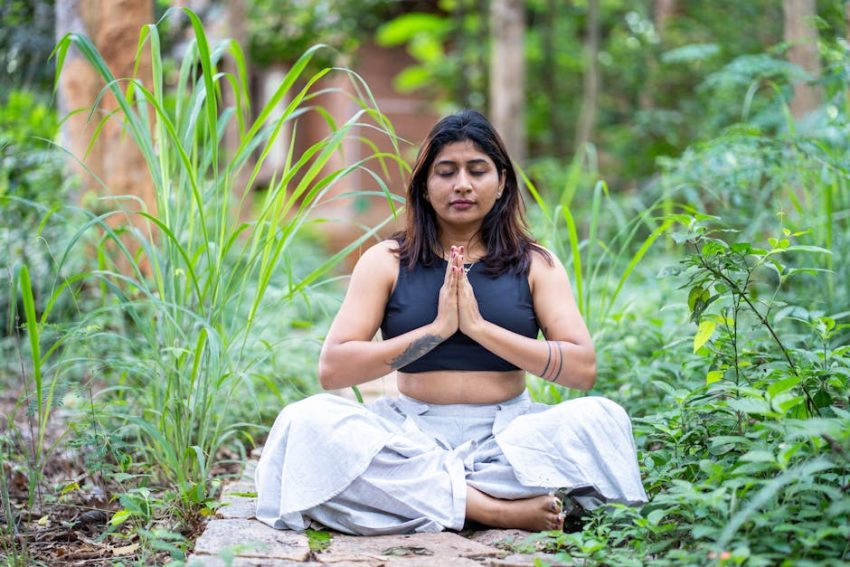
The Practice of Radical Acceptance: Embracing Life as It Is
In a world that glorifies control—planning, striving, and resisting discomfort—radical acceptance emerges as a quiet revolution of the soul. It is not resignation, nor is it passive surrender. Rather, radical acceptance is a courageous, conscious choice to stop fighting reality and to meet life exactly as it is, with openness and grace. By relinquishing resistance to pain, change, and uncertainty, we unlock a profound doorway to inner peace and spiritual freedom.
What Is Radical Acceptance?
Radical acceptance, a concept popularized in Dialectical Behavior Therapy (DBT) by Dr. Marsha Linehan, goes beyond mere tolerance. It means fully acknowledging the truth of the present moment—without judgment, denial, or attempts to manipulate it. This includes accepting:
- Our emotions, even the painful ones like grief, anger, or fear
- Life circumstances we cannot change—loss, illness, injustice
- The unpredictability of the future and the impermanence of all things
It does not imply approval. You can accept that a loved one has passed away without approving of their death. Acceptance is about seeing clearly, not condoning.
The Cost of Resistance
We are conditioned from childhood to resist discomfort. We’re taught to push through pain, fix problems, and “get over” difficult emotions. But resistance often intensifies suffering. Consider these truths:
- Emotional resistance prolongs pain. Fighting sadness often leads to depression; resisting anger can turn it inward as self-criticism.
- Denial creates inner conflict. When we refuse to acknowledge reality, we split ourselves—part of us knows the truth, while another tries to suppress it.
- Striving for control breeds anxiety. The illusion that we can manage every outcome leads to chronic tension and fear of failure.
As Buddhist philosophy teaches, suffering arises not from pain itself, but from our attachment to how we wish things were. Dukkha, often translated as suffering, stems from resistance to the way things are.
The Liberation in Letting Go
Radical acceptance is not weakness—it is wisdom in action. When we stop warring against reality, energy once spent on resistance is freed for healing, growth, and presence. This surrender is the essence of spiritual maturity.
- Peace is found in the present. The mind resists the now because it clings to the past or fears the future. Acceptance anchors us in the only moment we ever truly have.
- Compassion deepens. When we accept our own pain, we become more tender toward others’ struggles. There is no room for judgment when we know what it means to suffer and still love life.
- Clarity emerges. Without the fog of denial or resistance, we see our situation clearly—and from that clarity, wise action becomes possible.
Acceptance does not mean inaction. On the contrary, it allows us to respond from a place of grounded awareness rather than reactive fear.
How to Practice Radical Acceptance
This is not a one-time decision but a daily practice. Here are steps to cultivate it:
- Notice resistance. Pay attention to moments when you tense up—against an emotion, a situation, or someone’s behavior. Name it: “I am resisting this.”
- Pause and breathe. Create space between stimulus and response. A few conscious breaths can interrupt the cycle of reactivity.
- Speak kindly to yourself. Use affirmations like: “This is hard, and it’s okay that it’s hard. I can be with this.”
- Lean into the experience. Instead of pushing pain away, allow it to be there. Imagine it as a wave—you don’t fight the ocean; you learn to float.
- Ask: What is needed now? From acceptance, compassionate action often arises naturally—whether it’s setting a boundary, seeking help, or simply resting.
Spiritual Freedom Through Surrender
Many spiritual traditions echo the call to radical acceptance. In Taoism, the concept of Wu Wei—effortless action—urges us to align with the natural flow of life rather than force outcomes. In Christianity, Jesus’ prayer in Gethsemane—”Not my will, but Yours be done”—is a profound act of surrender. In mindfulness and Zen, the invitation is simply to “be with” whatever arises.
When we stop insisting that life conform to our expectations, we discover a deeper freedom: the freedom to be present, to love without conditions, and to trust the unfolding of existence—even when it’s painful.
Frequently Asked Questions
1. Isn’t radical acceptance just giving up?
No. Radical acceptance is not passivity or defeat. It is the opposite of giving up—it’s fully engaging with reality as it is, so you can respond wisely. You cannot change what you deny. Acceptance is the first step toward empowered action.
2. How do I accept something deeply unjust or painful?
Acceptance does not mean approval. You can accept that an injustice occurred while still working to correct it. Acceptance allows you to face the truth without being paralyzed by rage or despair, so your efforts for change come from clarity, not reactivity.
3. What if I keep resisting, even when I try to accept?
Resistance is natural. The key is not to resist your resistance. Acknowledge it with kindness: “It’s okay that I’m struggling to accept this. Healing takes time.” Compassion for your own struggle is part of the process.
4. Can radical acceptance improve relationships?
Absolutely. When you stop trying to change others and accept them as they are—flaws and all—you create space for authentic connection. This doesn’t mean tolerating harm, but responding from love rather than frustration. Boundaries can be set with compassion when rooted in acceptance.