Photo by MART PRODUCTION on Pexels
The Ultimate Guide to Mindful Travel: Finding Peace and Purpose on Your Journeys
In our hyper-connected, fast-paced world, travel often becomes another item on a checklist—a whirlwind of sights, selfies, and souvenirs. But what if travel could be more? What if it could be a pathway to deeper self-discovery, a balm for the soul, and a profound connection to the world around us? Welcome to the realm of mindful travel, where every journey, whether a bustling city break or a serene nature retreat, transforms into a deeply enriching and restorative experience.
Mindful travel isn’t about exotic destinations or luxurious resorts; it’s about shifting our perspective. It’s about being fully present, engaging all our senses, and approaching each moment with curiosity and openness. It’s about quality over quantity, connection over consumption, and reflection over rushing. This guide will explore how mindful practices can elevate your adventures, offering actionable tips and destination suggestions where mindfulness can be particularly cultivated, focusing on slow travel, digital detox, and cultural immersion.
What is Mindful Travel?
At its core, mindful travel is about intentionality. It’s about consciously choosing to engage with your environment, culture, and inner self. It’s about savoring a moment, rather than just documenting it. Imagine walking through a vibrant market, not just seeing the stalls, but truly hearing the cacophony of voices, smelling the spices, feeling the texture of the fabrics, and tasting the local delicacies. That’s mindfulness in action.
This approach naturally intertwines with sustainable tourism and ethical travel, as being present often leads to a greater appreciation for local communities and ecosystems, fostering a desire to protect them.
Cultivating Mindfulness on Your Journey: Practical Tips
No matter where you go, these practices can transform your experience:
-
Embrace Slow Travel:
Instead of hopping from city to city, choose one or two destinations and delve deep. Spend more time in one place to truly understand its rhythm, meet locals, and discover hidden gems. This reduces travel stress and allows for genuine immersion.
-
Digital Detox:
Designate specific times (or even entire days) to disconnect from your devices. Leave your phone in the hotel, turn off notifications, and resist the urge to constantly scroll. Use this time to observe, read, write in a journal, or simply be.
-
Engage Your Senses:
Consciously pay attention to what you see, hear, smell, taste, and feel. Close your eyes and listen to the sounds of a new city. Savor each bite of a local meal. Feel the warmth of the sun on your skin. These simple acts ground you in the present.
-
Daily Mindfulness Practice:
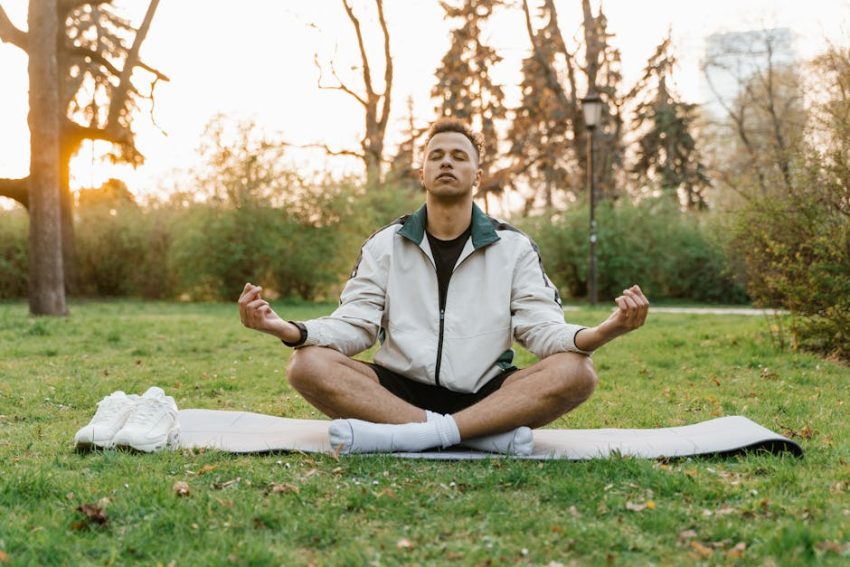
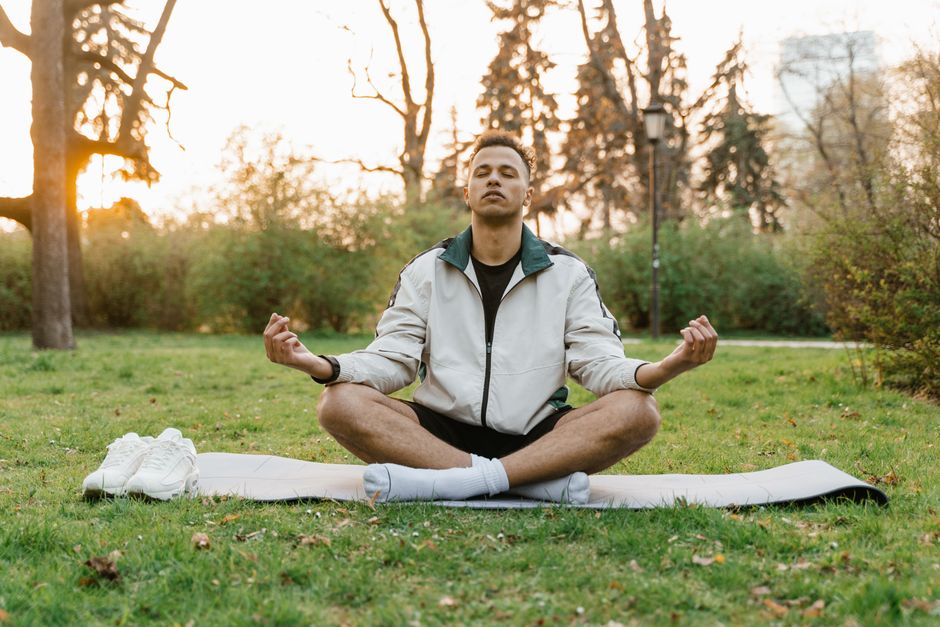
Even 10-15 minutes of meditation or deep breathing each morning can set a mindful tone for your day. Reflect on your intentions for the day and practice gratitude.
-
Journaling:
Document your experiences, not just what you did, but how you felt, what surprised you, and what you learned. This helps process your journey and deepen self-awareness.
-
Walk, Don’t Ride:
Whenever possible, explore on foot. Walking allows you to notice details you’d miss from a vehicle, interact with street life, and connect more intimately with your surroundings.
-
Learn a Few Local Phrases:
Even a simple ‘hello,’ ‘thank you,’ and ‘please’ in the local language can open doors to authentic interactions and show respect for the culture.
Mindful Destinations: Where to Find Your Peace and Purpose
While mindfulness can be practiced anywhere, certain destinations lend themselves beautifully to this kind of wellness travel and purposeful travel.
Indian Spiritual Havens:
-
Rishikesh, Uttarakhand: The Yoga Capital of the World
Nestled in the Himalayan foothills along the sacred Ganges River, Rishikesh is synonymous with Indian spiritual travel. It’s a prime destination for yoga, meditation, and Ayurveda. The air hums with spiritual energy, especially during the Ganga Aarti ceremony at Parmarth Niketan Ashram at sunset. The serene ashrams offer courses in yoga and philosophy, and the surrounding nature provides ample opportunities for reflection.
- Best Time to Visit: February to May and September to November for pleasant weather.
- How to Get There: Fly to Dehradun (DED), then a scenic 45-minute taxi ride. Or take a train to Haridwar, followed by a local bus or taxi.
- Budget Tips: Stay in ashrams for affordable accommodation and food. Many yoga classes are donation-based.
- Cultural Insight: Participate in a satsang (spiritual discourse) or volunteer at a local ashram to truly immerse yourself in the spiritual fabric of the town.
-
Leh-Ladakh, Jammu & Kashmir: Land of High Passes and Monasteries
The stark, majestic landscapes of Ladakh, dotted with ancient Buddhist monasteries clinging to mountainsides, offer a profound sense of peace and isolation. The high altitude and raw beauty naturally encourage introspection. Spend time trekking, visiting monasteries like Thiksey and Hemis, and observing the simple, resilient life of the Ladakhi people.
- Best Time to Visit: June to September when roads are open and weather is mild.
- How to Get There: Fly directly to Leh (IXL). Roads from Manali and Srinagar are open only seasonally.
- Budget Tips: Guesthouses are plentiful and affordable. Eat at local dhabas. Public transport is limited, so shared taxis are common.
- Cultural Insight: Attend a morning prayer session at a monastery. Observe the monks chanting and spinning prayer wheels—it’s a deeply meditative experience.
Global Mindful Destinations:
-
Kyoto, Japan: Zen Gardens and Ancient Traditions
Kyoto, with its exquisite Zen gardens, ancient temples, and tea ceremonies, is a masterclass in mindfulness. The meticulous attention to detail in its traditional arts and architecture fosters a sense of calm and appreciation. Practice ‘forest bathing’ in the bamboo groves of Arashiyama, participate in a traditional tea ceremony, or simply sit in contemplation in a Zen rock garden.
- Best Time to Visit: Spring (March-May) for cherry blossoms or Autumn (Sept-Nov) for vibrant foliage.
- How to Get There: Fly into Kansai International Airport (KIX) or Osaka Itami Airport (ITM), then take a train to Kyoto. Japan’s rail system is excellent.
- Budget Tips: Look for traditional ryokans or guesthouses. Use a Japan Rail Pass if exploring multiple regions. Eat at local eateries for authentic, affordable meals.
- Cultural Insight: Engage in a ‘sado’ (tea ceremony) to understand the profound philosophy of ‘ichi-go ichi-e’ (one time, one meeting), emphasizing the preciousness of each moment.
-
Bhutan: The Land of Gross National Happiness
Bhutan, the only carbon-negative country in the world, famously prioritizes Gross National Happiness over Gross National Product. This commitment to well-being is palpable in its pristine landscapes, vibrant Buddhist culture, and the peaceful demeanor of its people. Trek through untouched valleys, visit stunning monasteries like Tiger’s Nest, and immerse yourself in a culture where spirituality and environmental conservation are deeply intertwined.
- Best Time to Visit: March-May and September-November offer the best weather for trekking and festivals.
- How to Get There: Fly into Paro International Airport (PBH). All tours must be booked through a licensed Bhutanese tour operator, and a daily sustainable development fee is charged.
- Budget Tips: The daily tariff (approx. $200-250 USD) covers accommodation, food, guides, and transport, making it an all-inclusive experience. While seemingly high, it ensures sustainable tourism and a high-quality experience.
- Cultural Insight: Engage with your local guide about Bhutan’s unique philosophy of GNH. Visit a local farm or school to understand daily life beyond the tourist trail.
Conclusion: Your Journey to Inner Peace Begins Now
Mindful travel isn’t a trend; it’s a profound way to engage with the world and ourselves. By embracing slow travel, practicing a digital detox travel, and seeking genuine cultural immersion, we can transform any vacation into a meaningful pilgrimage. Whether you’re seeking the spiritual solace of Rishikesh, the majestic quietude of Ladakh, the serene elegance of Kyoto, or the holistic well-being of Bhutan, remember that the true destination is always within. So, pack your bags, open your mind, and embark on a journey that promises not just sights, but profound insights, not just memories, but lasting peace and purpose.
Happy mindful travels!