The Cost of Travel in Mauritius: My 2026 Budget Breakdown
How to Reach?
I flew into Mauritius in early 2026 and honestly it wasn’t the smoothest trip I’ve done. I took a direct flight from Mumbai on Air Mauritius which took about 6 hours. Cost me around ₹28,000 round trip because I booked it three months in advance. If you’re coming from Delhi or Bangalore, expect to pay between ₹32,000 to ₹45,000 depending on the season.
The airport is small but actually pretty efficient. Immigration took me 25 minutes which wasn’t bad. Don’t forget to fill out the arrival form online before you land – it saves time. Taxis from the airport to most places cost between ₹2,500 to ₹4,000. I took one to Grand Baie and it was ₹3,200. Seriously, skip the official taxi counter if you can and use the rideshare apps that work there. Uber operates in limited areas but local apps like Yugo are cheaper.
If you’re coming from Europe or Africa, flights are more frequent but prices jump like crazy during December to February. I met a guy who paid ₹85,000 from London in peak season. Book early or you’ll get screwed.
The flight itself was fine. Seats were tight but the crew was nice. They served decent food which surprised me. Just don’t expect much legroom if you’re tall like me.
Where to Stay?
I stayed in three different places because I wanted to see different sides of the island. First I booked a small guesthouse in Grand Baie for ₹2,800 per night. The room was clean, had AC, and the owner made killer coffee every morning. The bed was comfortable enough but the wifi sucked. Like really bad. I couldn’t even load Instagram half the time.
Then I moved to a small apartment in Flic en Flac for ₹3,500 a night. This was my favorite spot. It had a kitchenette so I could cook some meals and save money. The beach was literally 8 minutes walk away. The downside? The shower pressure was terrible and there were ants in the bathroom. Not a deal breaker but annoying.
For the last part of my trip I splurged a bit and stayed at a mid-range hotel in Belle Mare for ₹6,200 per night. The pool was nice and the beach was beautiful but I felt it wasn’t worth the extra cash. The staff was friendly though. They actually seemed to care if you were happy or not.
If you’re on a tight budget like I was, look for guesthouses run by local families. They’re usually ₹2,000 to ₹4,000 per night and include breakfast. Hotels charge way more for the same quality. I saw some basic rooms going for ₹1,800 but they looked pretty rough. Clean and comfortable places start around ₹2,500-3,000.
Don’t stay in Port Louis unless you have to. It’s noisy, polluted, and not near any good beaches. I made that mistake for one night and regretted it immediately.
What to Eat?
The food was one of the best parts of my trip, but not everything was great. The local street food is cheap and tasty if you know where to go. My favorite was the dholl puri from street vendors. It’s basically a flatbread stuffed with split peas and served with sauces. Costs about ₹35-50 each. I ate this for lunch multiple times because it was filling and delicious.
Seafood is everywhere but it’s not always cheap. Fresh grilled fish with rice and salad ran me around ₹650-900 at local places. I had some amazing octopus curry at a small restaurant in Chamarel that cost ₹750. Worth every rupee. The portions were huge too.
The tourist restaurants are a different story. They charge double for the same food and it’s often not as good. I tried one near the beach in Grand Baie and the chicken was dry, the service was slow, and I paid ₹1,800 for a meal that wasn’t even that tasty. Never again.
Breakfast at my guesthouses was usually bread, butter, jam, and fruits. Nothing fancy but it did the job. I bought mangoes and pineapples from roadside sellers for ₹80-120 per kilo. The pineapples were so sweet. Seriously some of the best I’ve had.
Don’t miss the alouda – it’s a milky drink with basil seeds. Tastes weird at first but I got addicted. Costs about ₹60. Also try the gateaux piments which are spicy chili fritters. They’re addictive but can destroy your stomach if you’re not used to spice.
I did get food poisoning once. Ate some dodgy street food late at night and spent the next day in bed. Learn from my mistake – stick to busy vendors with lots of locals.
Best Time to Visit
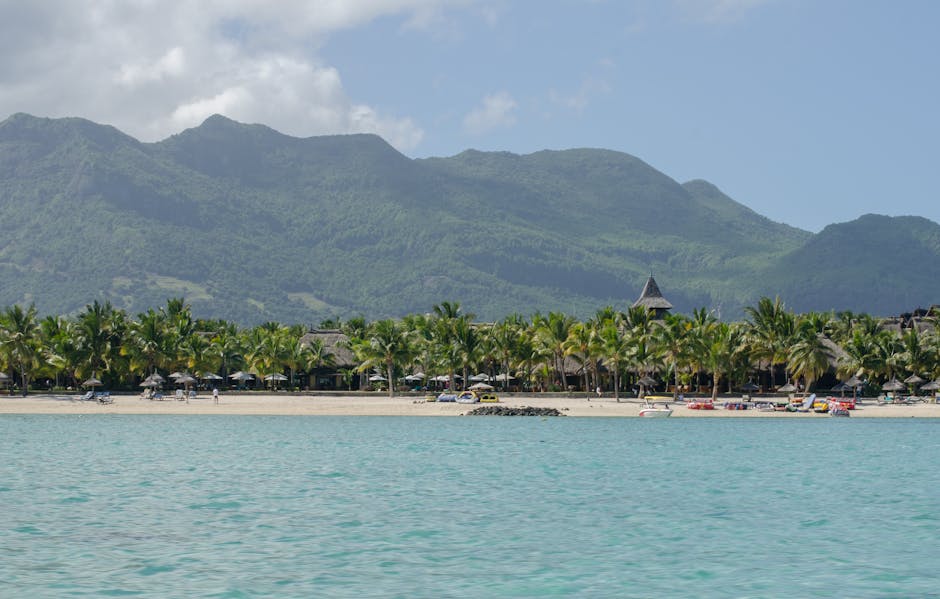
I went in February 2026 and it was hot and humid. Like really humid. Temperatures were around 30-33°C most days. It rained almost every afternoon but the showers were short. The water was perfect for swimming though.
If you hate humidity, don’t come between December and April. That’s the wet season. I dealt with it because flights were cheaper and there were fewer tourists. The beaches weren’t crowded which was nice.
The cooler months are May to November. That’s when most people visit. Weather is drier and temperatures drop to 24-28°C. But prices for everything go up – hotels, flights, activities. I met a couple who came in July and paid almost double what I did for their hotel.
Cyclones are a real thing between November and April. There wasn’t one when I was there but the possibility is always in the back of your mind. The locals don’t seem too worried though.
To be fair, any time is decent if you just want to chill on the beach. But if you want to do outdoor stuff like hiking, go in the cooler months.
Budget (Indian Rupees)
This is the part everyone asks me about. I spent 18 days in Mauritius and my total budget came to ₹1,48,000 including flights. That’s about ₹8,200 per day. Not super cheap but definitely doable.
Flights: ₹28,000
Accommodation: ₹62,000 (average ₹3,450 per night)
Food: ₹28,000 (I cooked some meals and ate local a lot)
Transport: ₹12,000 (I rented a car for 10 days at ₹1,900 per day including fuel)
Activities: ₹11,000 (snorkeling, boat trips, entrance fees)
Misc (SIM card, tips, souvenirs): ₹7,000
You can definitely do it cheaper. The snippet I read before going said clean rooms for $30 (about ₹2,500), car for $23 (₹1,900), and meals for $1 (₹85). I found that accurate if you stay away from tourist traps.
If you stay in one place, cook your own food, and use buses instead of renting a car, you could probably do the whole trip for under ₹90,000 excluding flights. But you’d miss a lot.
Tipping is important here. Local wages are low so I tipped 10-15% everywhere. It wasn’t much but it mattered to them.
The most expensive thing was the car rental. Fuel isn’t cheap either. Public buses are very cheap (₹40-120 per ride) but they’re slow and don’t go everywhere.
Tips for First-Timers
Pack mosquito repellent. The mosquitoes here are aggressive at dusk. I got bitten so many times.
Rent a car if you can. The island is small but public transport takes forever. Driving is on the left and the roads are mostly good. Just be careful in the mountains – they’re narrow and winding.
Learn a few French words. Many locals speak French or Creole. English works in tourist areas but not everywhere. “Bonjour” and “merci” will get you far.
Don’t leave valuables on the beach. I didn’t have anything stolen but I heard stories. Mauritius is safe but not completely crime-free.
Bring cash. Not everywhere accepts cards, especially small shops and street vendors. ATMs are easy to find but they charge fees.
The tap water isn’t great. I drank bottled water the whole time. It adds up but better than being sick.
The sun is brutal. Even on cloudy days I got burned. Use high SPF and reapply often. I learned this the hard way.
Bargain at markets but not at restaurants. The fixed price places get annoyed if you try to haggle.
If you’re into water sports, book them directly with local operators instead of through your hotel. You’ll save a ton. I paid ₹2,800 for a snorkeling trip that my hotel wanted ₹4,500 for.
Be prepared for the sales people on beaches. They won’t leave you alone. Just say “non merci” firmly and keep walking. It gets tiring after a while.
FAQ
Is Mauritius expensive for Indians?
It depends. It’s more expensive than Southeast Asia but cheaper than Europe. If you eat local food and stay in guesthouses, it’s totally doable on a normal budget. The beach resorts are where it gets pricey.
Do I need a visa?
Indians get visa on arrival for 60 days. Just make sure your passport is valid for 6 months and bring proof of return ticket and accommodation.
Is it safe?
Mostly yes. I walked around alone at night in tourist areas without issues. Just use normal sense – don’t flash expensive stuff and be careful in Port Louis at night.
Can I drink tap water?
I wouldn’t. Bottled water is cheap and widely available. My stomach was grateful I didn’t risk it.
What’s the best way to get around?
Rent a car for flexibility. Buses are cheap but unreliable. Taxis are expensive for long distances.
Are the beaches really that good?
Some are. Flic en Flac and Belle Mare are beautiful with clear water. Others are rocky or crowded with seaweed. It’s not all perfect but the good ones are worth it.
Should I go if I’m on a tight budget?
Yes, but plan carefully. Skip the fancy stuff and focus on beaches, local food, and free hikes. The natural beauty doesn’t cost money.
Is the food spicy?
Some of it is. They love their chili. Always ask if it’s spicy before ordering. I made that mistake once and couldn’t taste anything for two days.
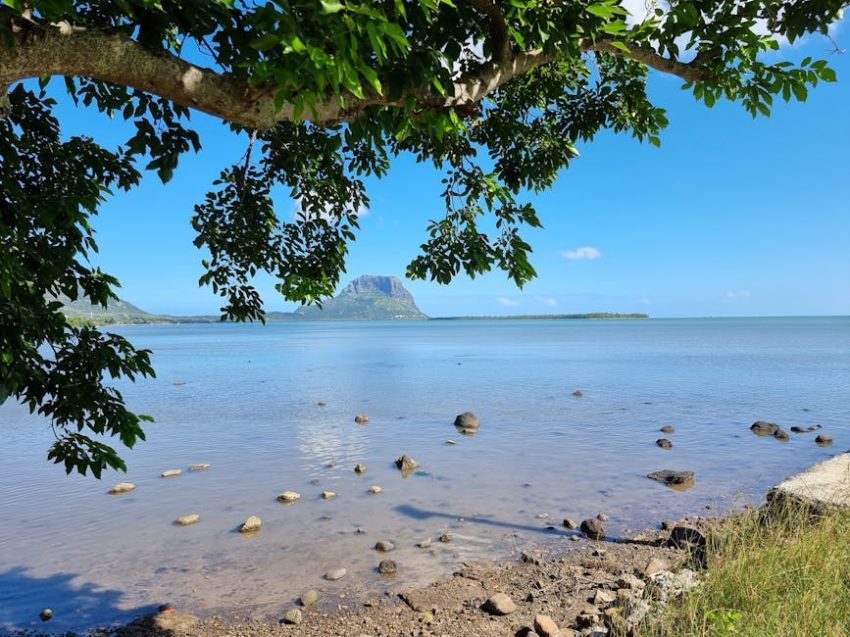
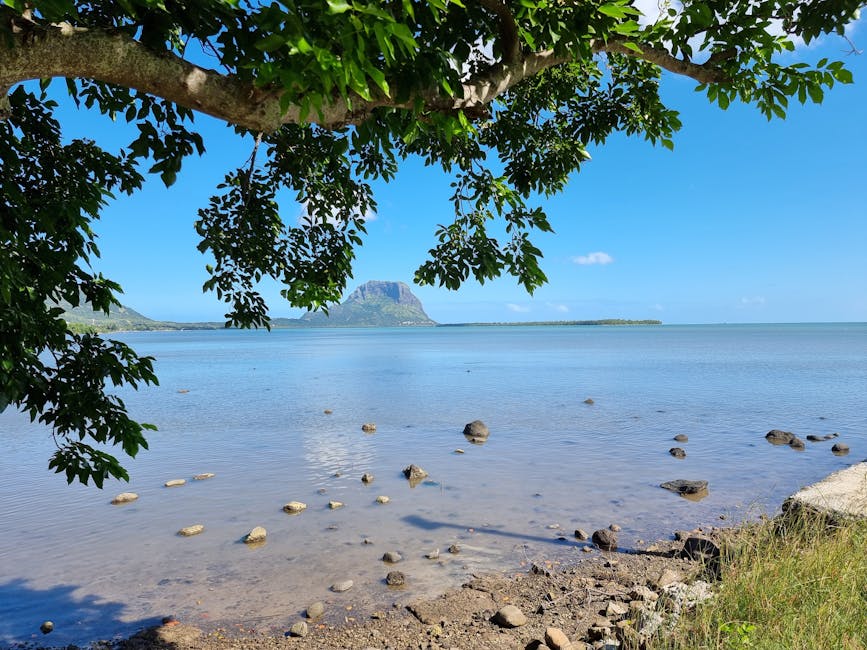
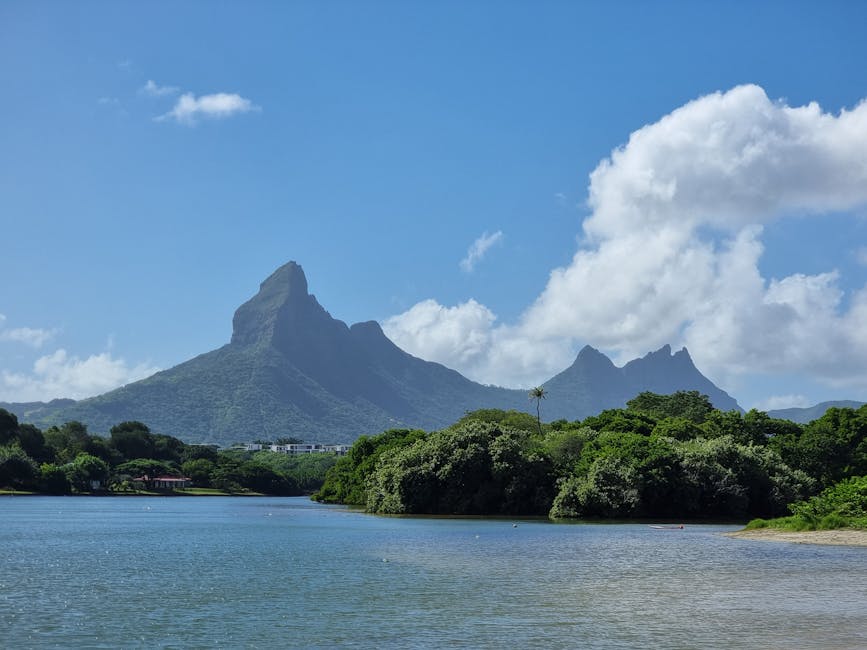
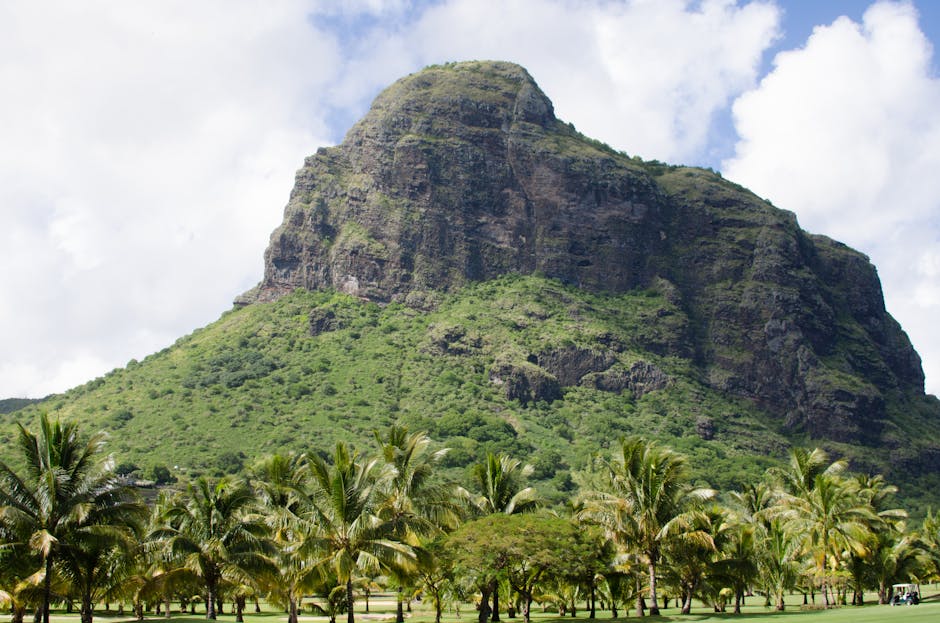
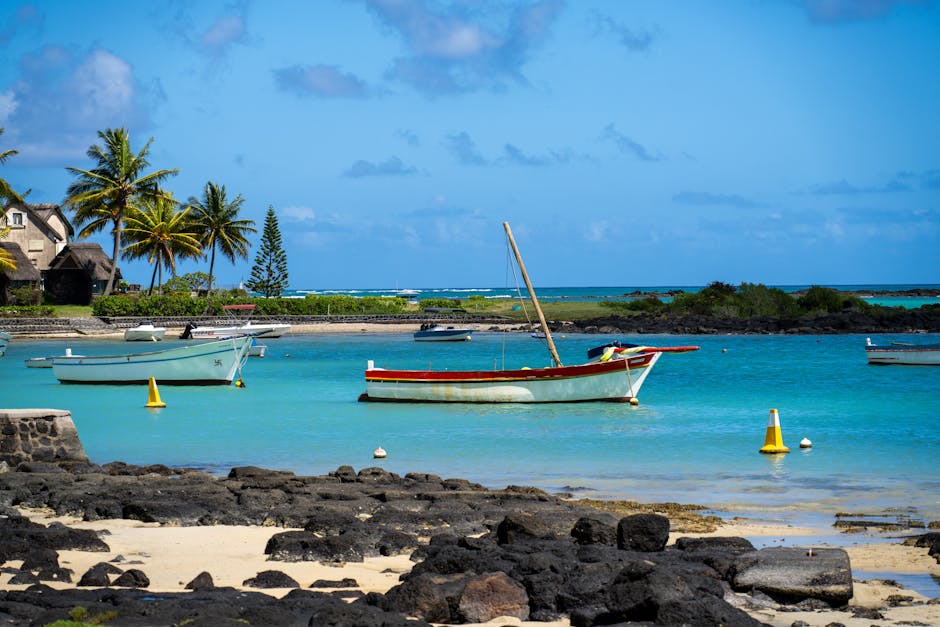
I won’t lie – Mauritius isn’t perfect. The tourist areas feel overdeveloped, some beaches have too much seaweed, and prices can surprise you if you’re not careful. But the good parts are really good. The water is that clear turquoise color you see in pictures. The mountains are dramatic. And when you find a quiet spot with no one around, it’s pretty special.
My trip cost me more than I originally planned but I don’t regret it. Just be smarter than I was with the car rental and tourist restaurants. Stick to local spots and you’ll have an amazing time without breaking the bank.
(Word count: 1,378)
plan your trip
Disclosure: This post contains affiliate links. If you book through them, we may earn a small commission at no extra cost to you.