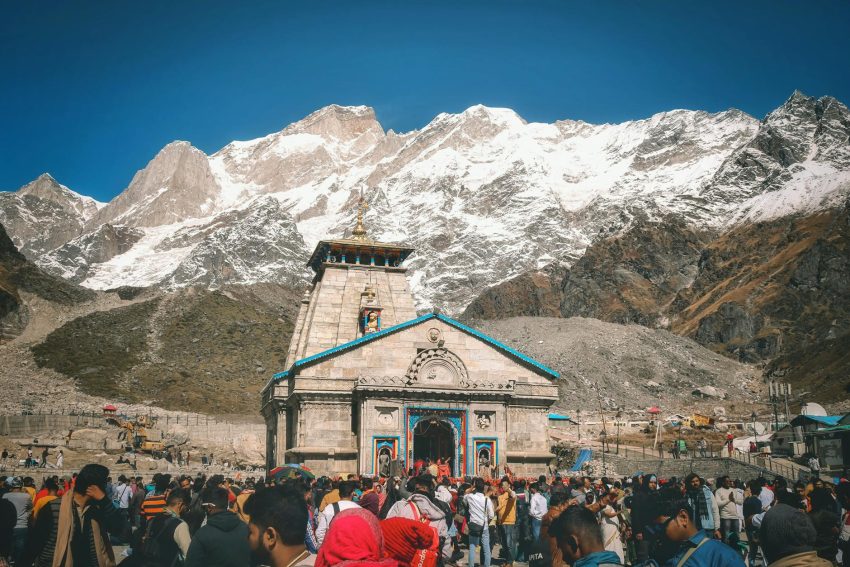
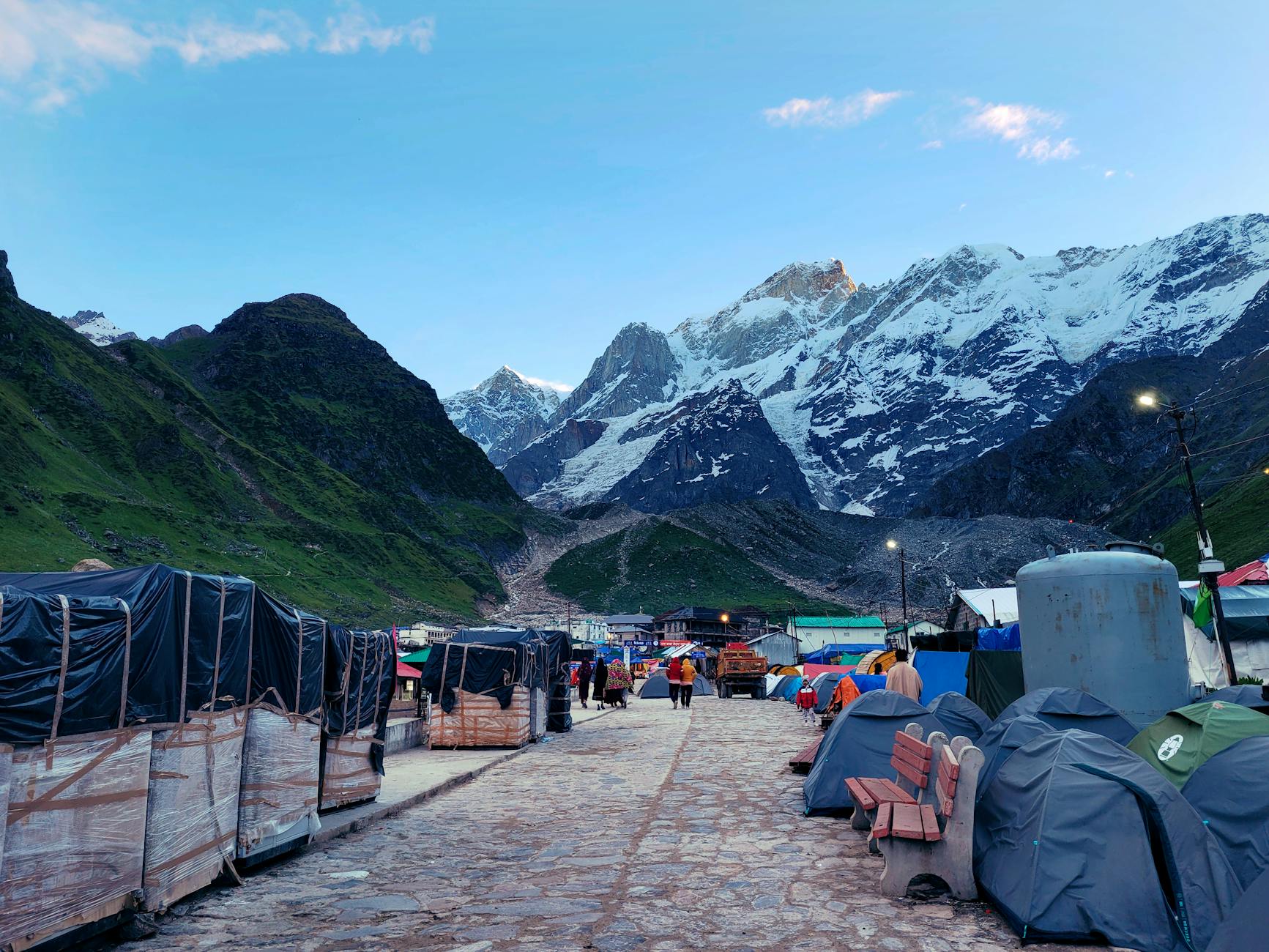
Dude. Kedarnath is something else entirely. Not gonna lie, I thought it was just another temple. But standing there at nearly 12,000 feet, looking up at those snow peaks, something shifts in your head. The 16km trek from Gaurikund? Brutal. No sugarcoating it. But also? Worth every step. You see pilgrims in their 60s and 70s making that climb. Some crying, some praying, some just putting one foot in front of the other. And then you realize this isn’t Instagram content. This is faith. Real faith. The kind that doesn’t need filters.
Why It Hits Different
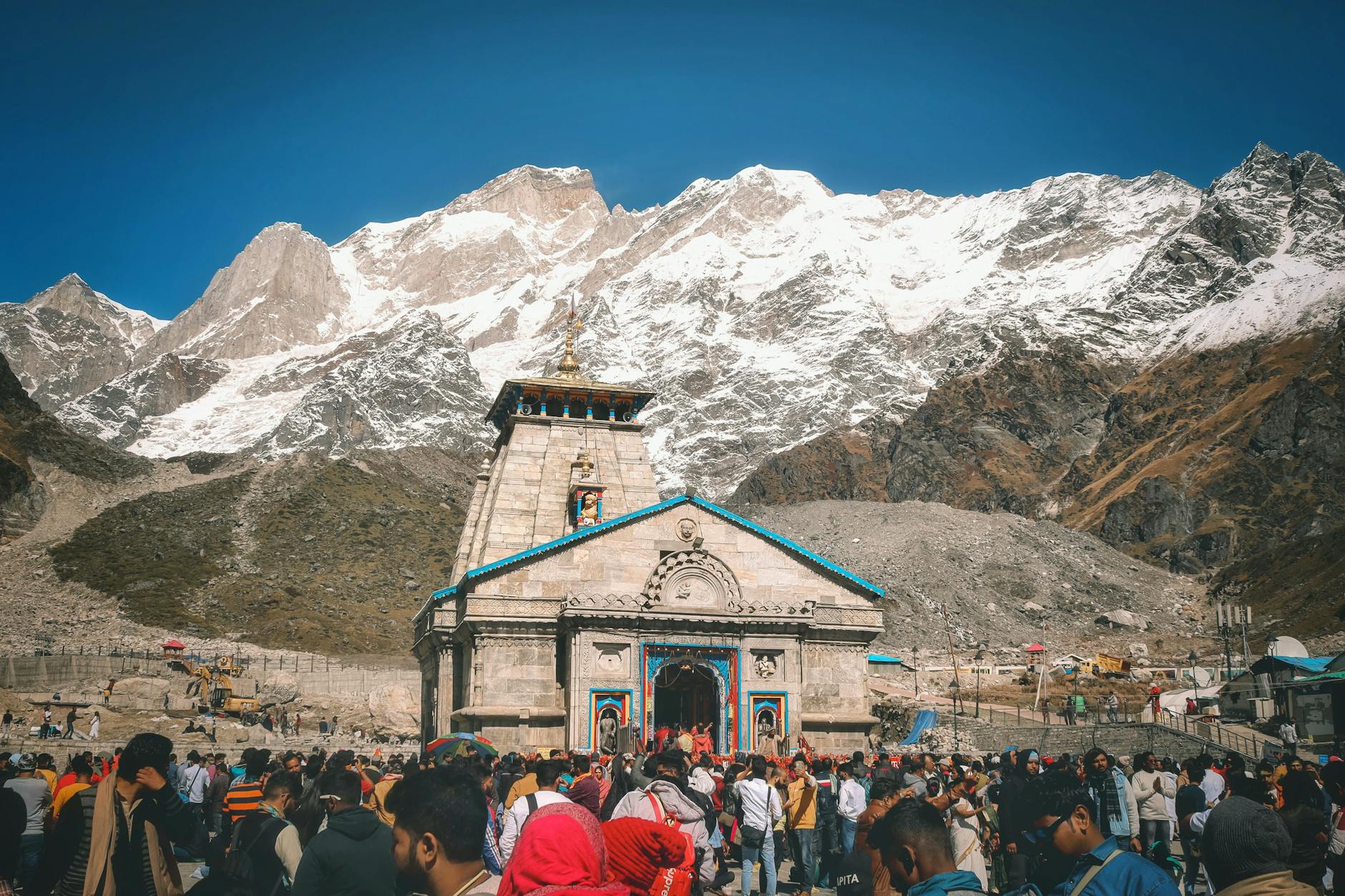
Kedarnath isn’t a vacation. It’s a test. Of your body mostly, but also your patience and your will. That’s exactly why people go. There’s something about struggling for something spiritual that hits different than just showing up at a temple downstairs. The helicopter exists if trekking sounds insane. Costs more but saves your knees. Both feel rewarding in different ways. I trudged up. Took me two days with overnight at Linchauli. Met people from everywhere – Gujarat, Punjab, Maharashtra, even some NRIs who flew in just for this.
Getting There
From Delhi, you can take a bus to Rishikesh, then another to Sonprayag. Total journey? Maybe 18-20 hours by road. Or fly to Dehradun, then taxi to Sonprayag. That’s faster but costs more. Registration is mandatory now. You do it online at registrationandtourism.uttarakhand.gov.in. Takes two minutes if servers aren’t crashing. During peak season May-June, they absolutely will crash. So register early. Like really early.
Getting Around
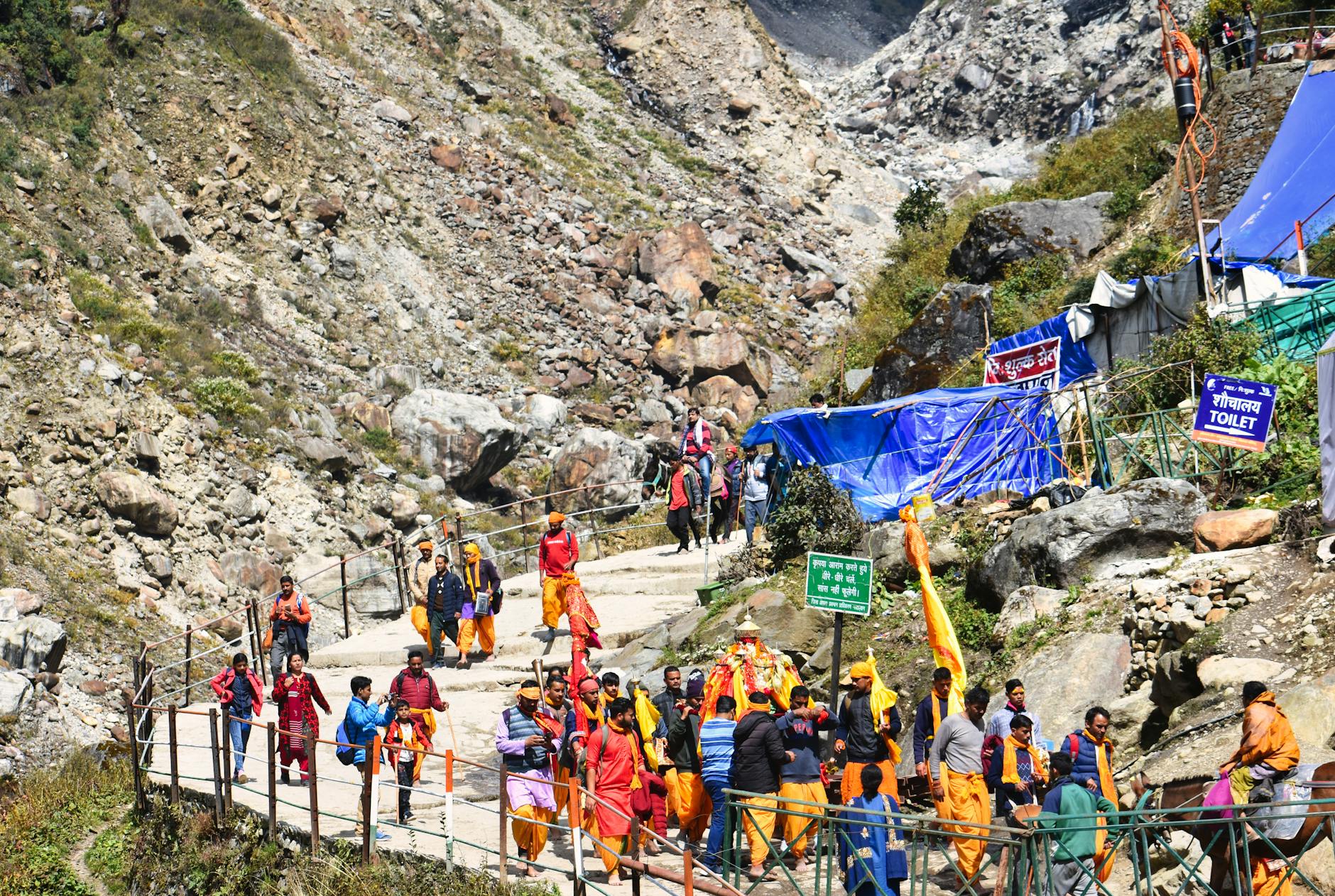
Gaurikund to Kedarnath is 16km. First bit is steep. Then flattens a little. Then steep again. You can walk, ride a mule, or take a palki carried by porters. Mules cost like INR 3000-4000 one way. Palki more. Walking is free but costs you your legs. Stay overnight at Linchauli or Bhimbali if you can’t make it in one go. Guest houses exist. Basic. Don’t expect room service.
Where to Crash
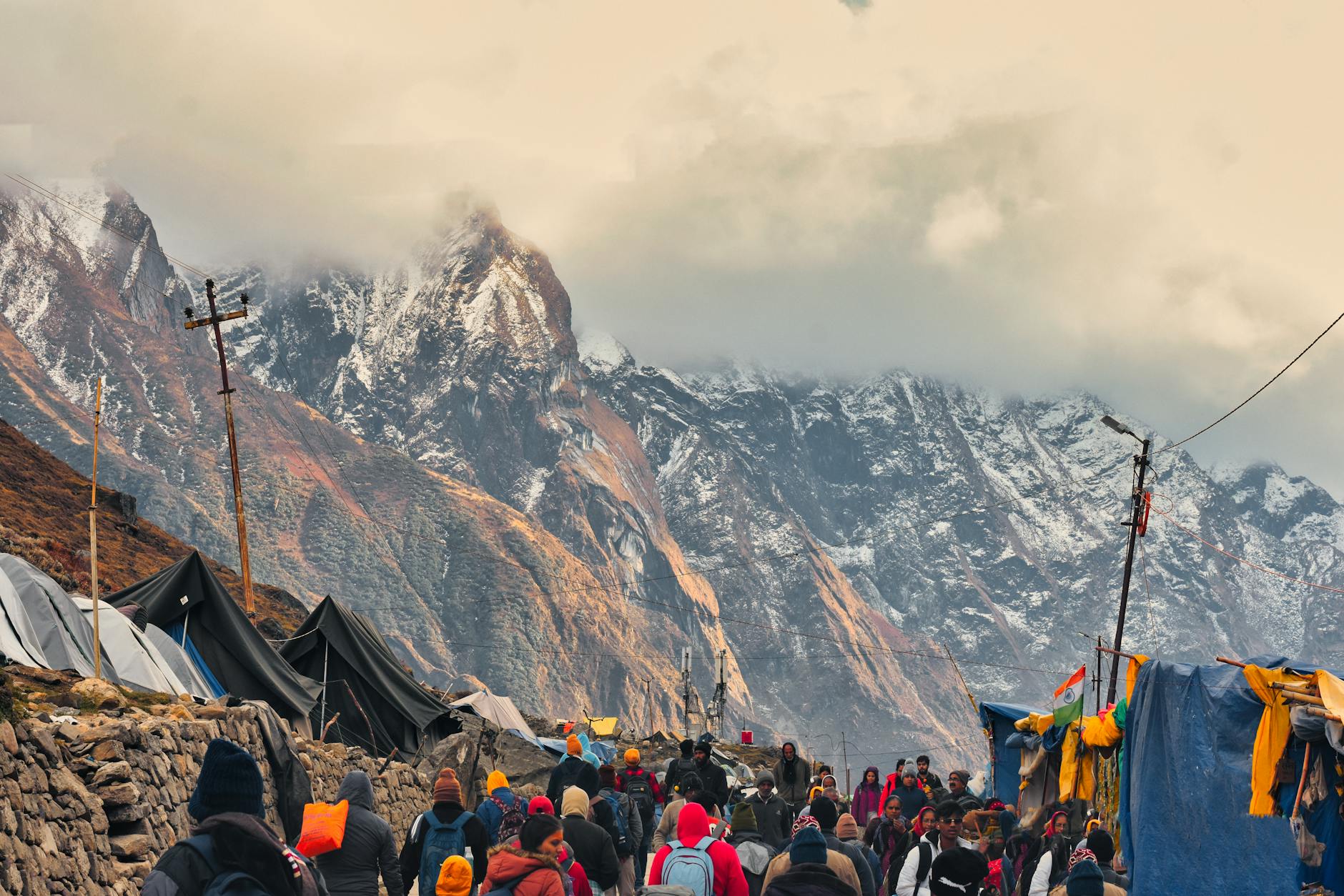
GMVN guest houses are cheapest. Book through their site. Private hotels cost more but have better beds. Tent options too – basic but functional. Hot water costs extra in most places. Electricity is sporadic. Carry power banks.
Eats
Langars serve free food to everyone. Dal, rice, roti, sabzi. Simple. Hot. Exactly what you need after hours of trekking in cold. Outside langars, tea stalls at base camps sell chai, maggi, biscuits. Nothing fancy. Mid-trek there are some shops selling glucose biscuits and water. Carry your own snacks – dry fruits, energy bars, chocolates. Hot water fills your bottle at langars. No restaurants up there. Just community kitchens run by faith.
Spots That Matter
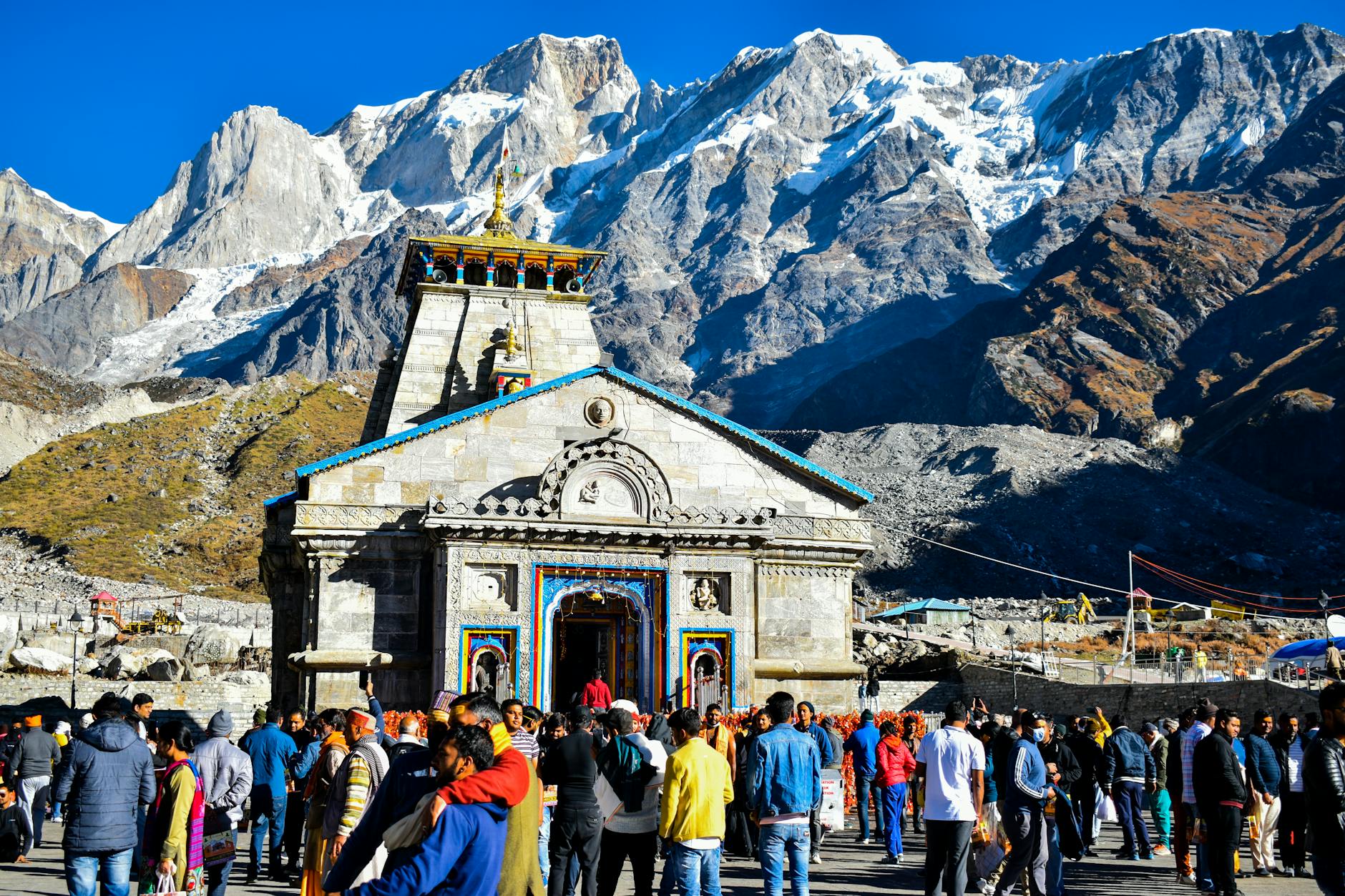
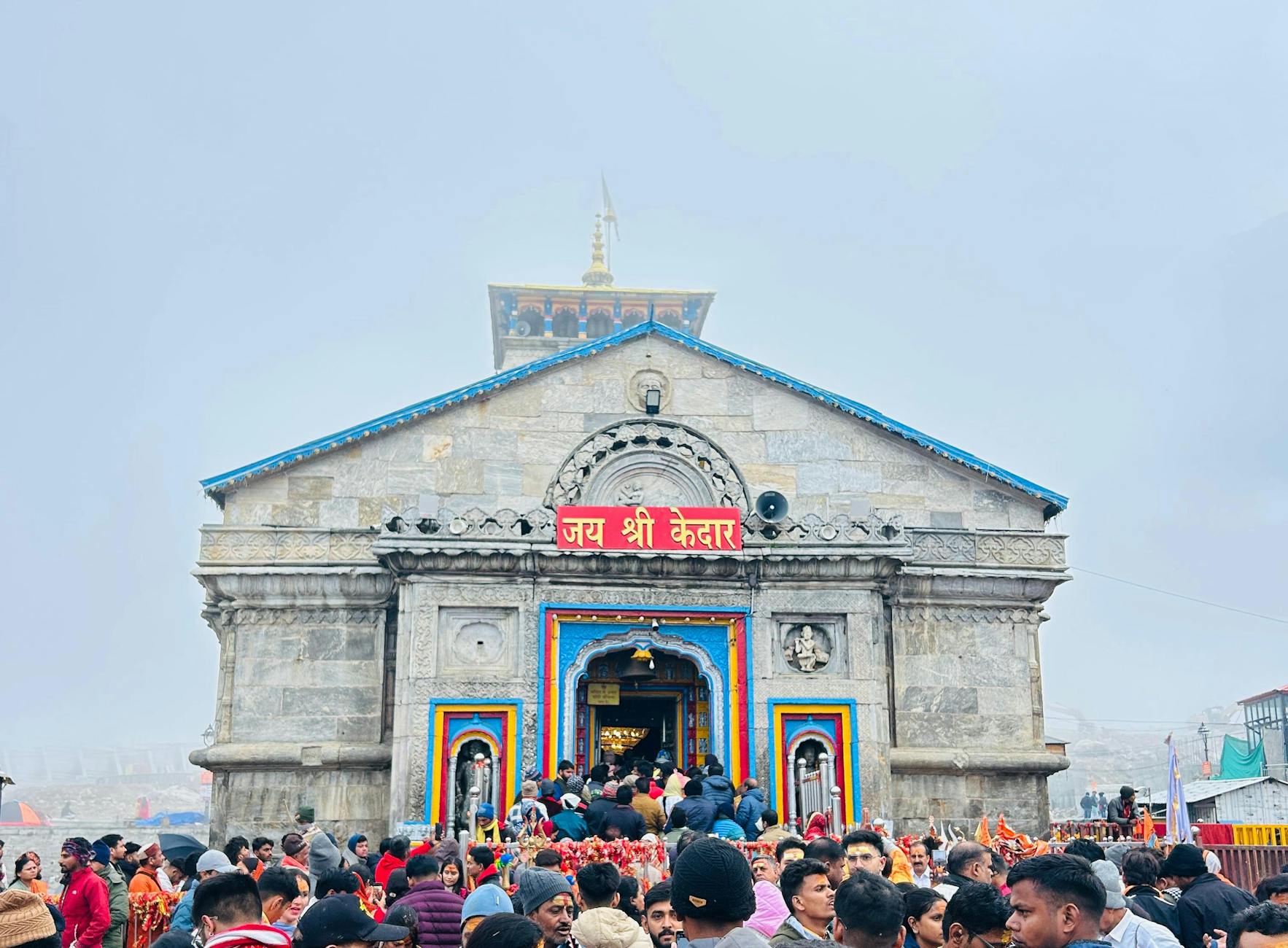
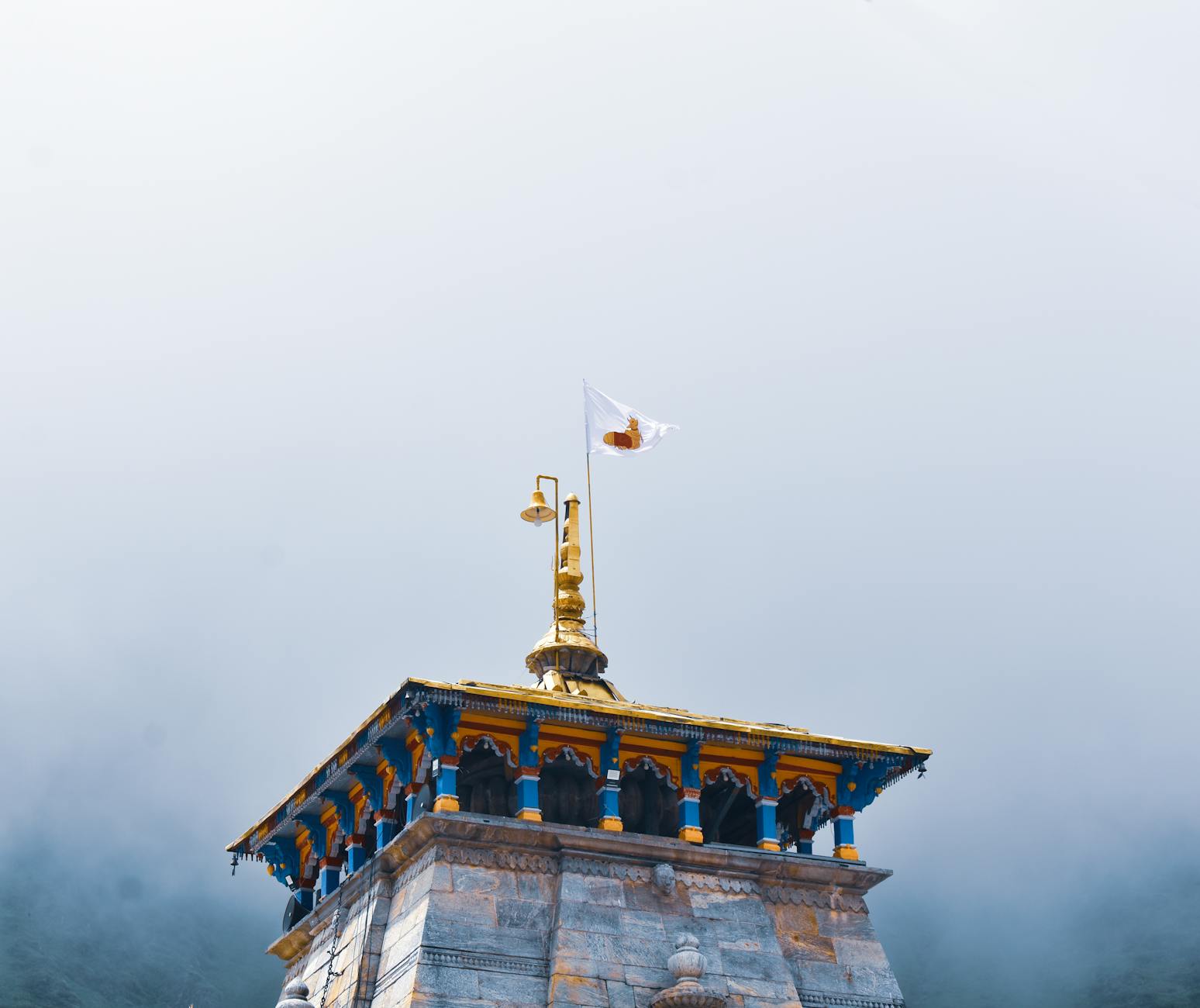
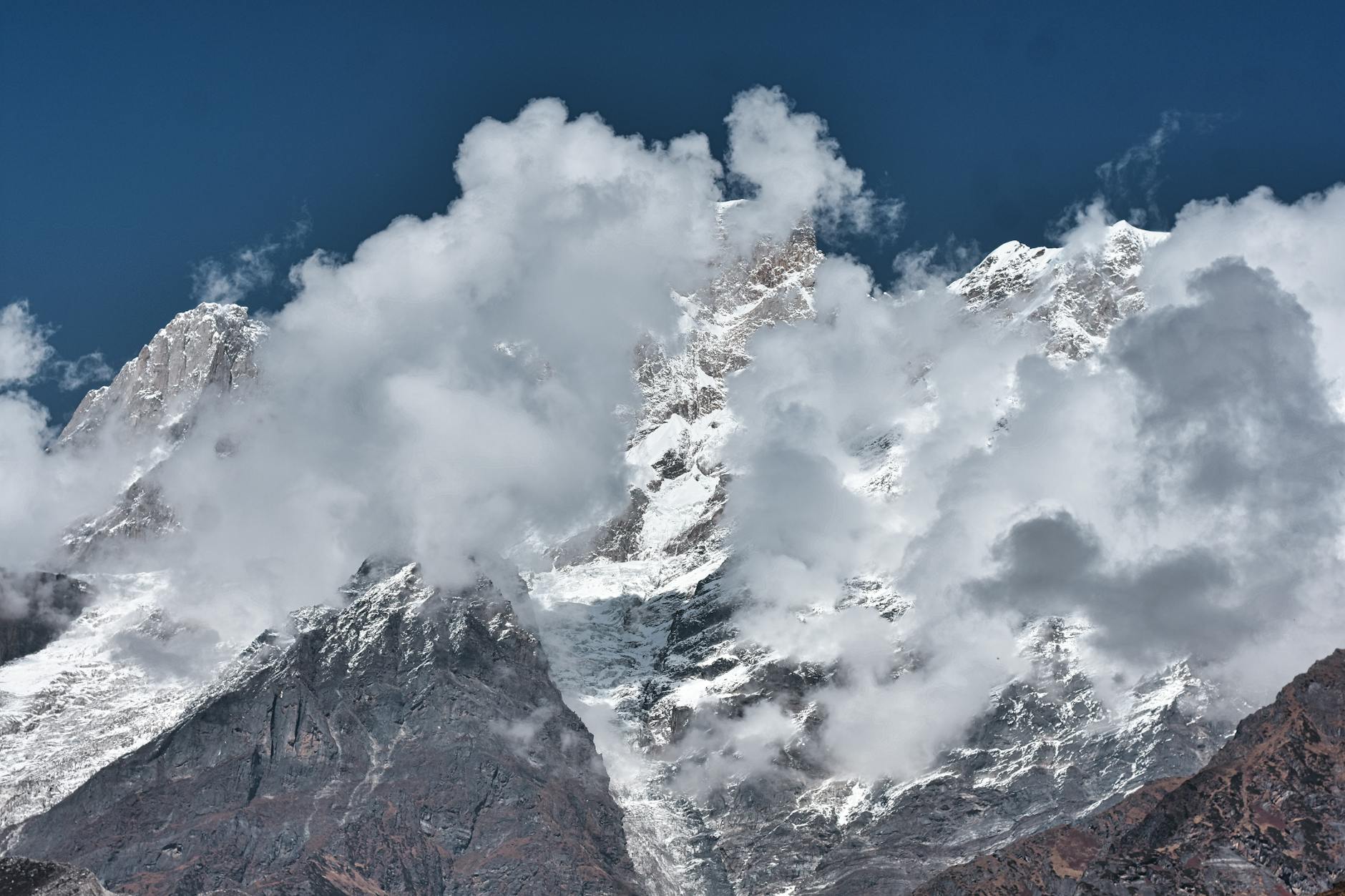
Kedarnath temple itself is the main event. The ancient stone structure has survived floods, earthquakes, centuries of snow. Behind it, the Kedarnath peak stands like a silent guardian. Bhairavnath temple is a 1km climb from the main temple – smaller but worth it for the view. Linchauli has a samadhi of Adi Shankaracharya. Hiking trails around if you’re adventurous and the weather’s cooperating.
What You’ll Spend
Budget around INR 15,000-25,000 from Delhi. Includes transport, registration, stay, food. Trekking is cheaper than helicopter obviously. Add INR 8000-12000 if flying copter.
Stuff I Learned the Hard Way
May-June is peak season. September-October is less crowded but colder. Carry thermals, rain gear, good shoes. AMS (altitude sickness) is real. Diamox helps but ask a doctor. Don’t ignore headaches or dizziness. Mobile network exists but barely. Jio works better than Airtel. Cash is king because ATMs run out.
Questions People Actually Ask
Can I do it in 3 days? From Delhi, yeah. Day 1 travel to Guptkashi. Day 2 trek up. Day 3 trek down and back. Tight but doable.
Helicopter or trek? Helicopter if money not issue. Trek if you want the real experience. Both valid.
Is it safe for solo? Very. Thousands of people doing same route daily.
Best time? May-June for peak season. September for peace. Avoid monsoon.
WiFi exists? LOL no. Enjoy the digital detox.
Can elderly go? Yes. Saw 70-year olds doing it. Take it slow. Helicopter is better if health concern.
Last Thing
Bottom line on Kedarnath? Just go. Figure it out when you get there. That’s half the point.
Real talk, real trips. Details change. Check before you go. May 2026.
DETAILED TREK GUIDE
Day 1: Delhi to Rishikesh
Board bus from ISBT Kashmere Gate around 10 PM. Reach Rishikesh by 5-6 AM. Cost: ₹400-600. Private taxis cost ₹3000-4000 if you’re in a group.
Day 2: Rishikesh to Sonprayag
Buses leave from Rishikesh bus stand at 5 AM and 7 AM. Shared taxis available too. Journey takes 10-12 hours. Roads are winding, mountainous. Carry motion sickness pills if needed. Stay overnight at Sonprayag.
Day 3: Sonprayag to Gaurikund to Kedarnath
Jeep from Sonprayag to Gaurikund (30 mins, ₹200). Then trek begins. 16km uphill. Start early, like 5-6 AM. Most people take 8-10 hours. Pony available for ₹3000-4000. Palki (carried by porters) for ₹8000-10000.
WHAT TO PACK
- Warm clothes: Thermals, fleece jacket, windcheater. Even May-June nights are cold at 12,000ft.
- Rain gear: Poncho or rain jacket. Weather changes fast in mountains.
- Good shoes: Trekking shoes with grip. Don’t use new shoes without breaking them in first.
- Medicines: Diamox for altitude sickness (consult doctor first). Painkillers, band-aids, antiseptic.
- Power bank: Electricity is unreliable. Carry 20000mAh minimum.
- Cash: ATMs often don’t work. Carry ₹5000-10000 depending on plans.
FOOD ALONG THE TREK
Small dhabas every 2-3km. Maggi, paratha, tea, biscuits. Prices increase as you go up (transport costs). A plate of Maggi that costs ₹50 at Gaurikund becomes ₹80-100 near Kedarnath. Carry energy bars, dry fruits, glucose for instant energy.
REGISTRATION PROCESS
Mandatory since 2022. Go to registrationandtourism.uttarakhand.gov.in. Upload ID proof, photo. Get QR code. Show at multiple checkpoints. Without it, you can’t proceed beyond Sonprayag. Register early – servers crash during peak season (May-June).
ACCOMMODATION OPTIONS
GMVN Guest Houses: Government-run. Basic but reliable. ₹800-1500/night. Book online in advance.
Private Hotels: ₹1200-3000/night during season. Quality varies. Some have attached bathrooms, others don’t.
Tents: ₹500-1000/night. Shared toilets. Good for budget travelers.
Free Dharamshalas: Run by trusts. Very basic. Donation-based. Often full during peak season.
HELICOPTER DETAILS
Operators: Pawan Hans, Himalayan Heli, Aryan Aviation, UTair.
Routes: Phata/Sersi/Guptkashi to Kedarnath.
Cost: ₹3500-5000 one way, ₹6500-9000 round trip.
Booking: Book 2-3 months ahead for peak season at their websites.
Weather: Flights cancel frequently if visibility is low. Keep buffer days.
SPIRITUAL SIGNIFICANCE
Kedarnath is one of the 12 Jyotirlingas. The temple survived the 2013 floods that destroyed most of the town. Many call it divine intervention. The lingam inside is naturally formed (svayambhu). During winter, the deity is moved to Omkareshwar Temple in Ukhimath where worship continues.
The aarti at 6:30 AM and 6:30 PM is powerful. Bells ringing, priests chanting, mountains surrounding you. Not a dry eye in the crowd, honestly. Even skeptics feel something.
FINAL VERDICT
Kedarnath is not just a destination. It’s an experience that tests your body and rewards your soul. Go prepared. Go humble. And maybe, just maybe, you’ll understand why people have been making this journey for centuries.