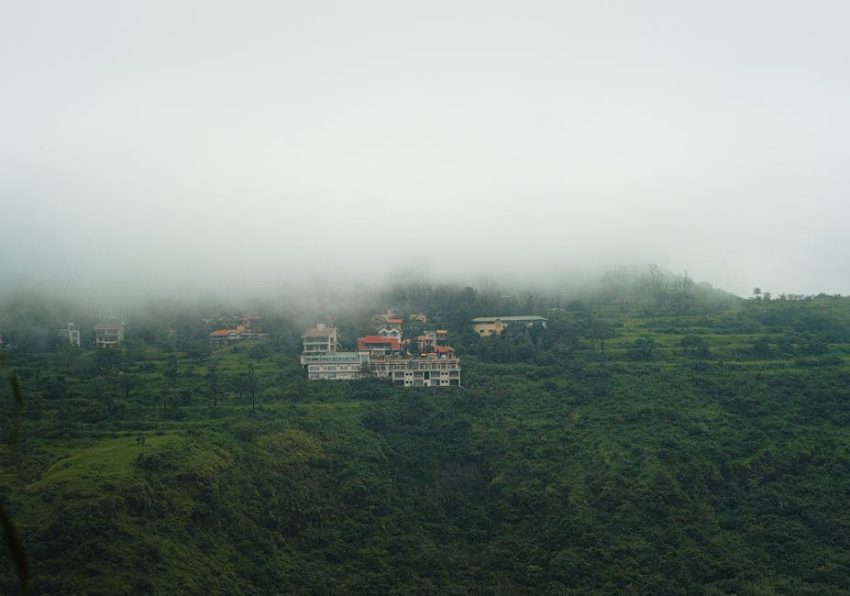
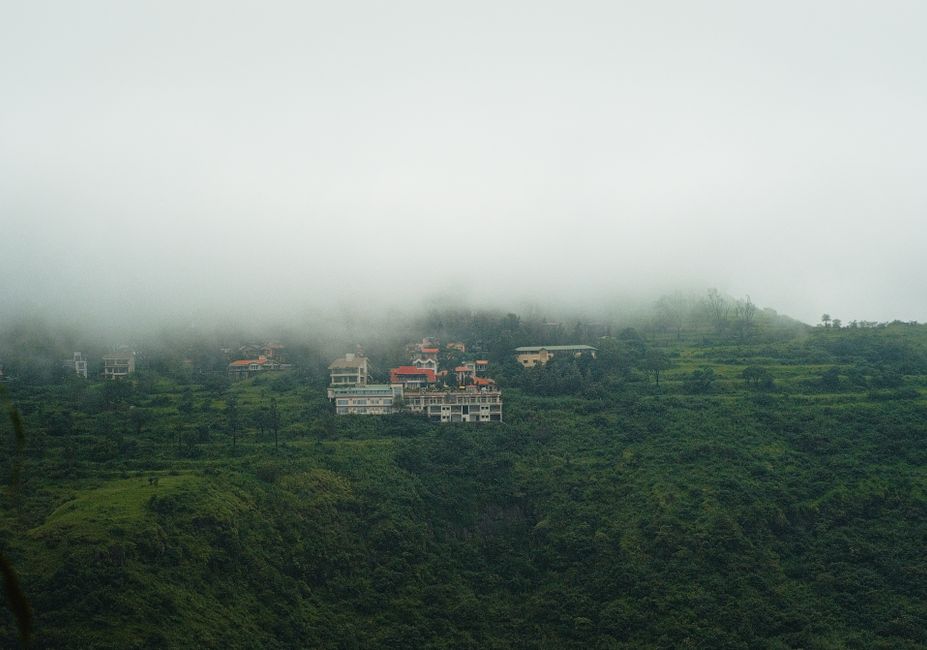
Photo by Aniket Suryawanshi on Pexels
Escape the Crowds: Discover India’s Hidden Hill Stations
When most travelers think of Indian hill stations, names like Shimla, Manali, or Ooty come to mind—beautiful places, yes, but often packed with tourists, traffic, and commercialization. But what if you could trade the bustling bazaars and crowded viewpoints for mist-laced valleys, whispering pines, and villages where life moves to the rhythm of nature?
Welcome to India’s hidden hill stations—underrated mountain escapes tucked into remote corners of the Himalayas, the Western Ghats, and beyond. These offbeat hill stations offer breathtaking views, cool climates, and authentic cultural experiences, all while maintaining a peaceful, eco-friendly charm. If you’re craving solitude, sustainable travel, and soul-stirring beauty, it’s time to venture off the beaten path.
Why Choose Offbeat Hill Stations?
India’s lesser-known hill stations aren’t just quieter—they’re gateways to deeper connections. With fewer tourists, you’re more likely to bond with local communities, savor homemade mountain cuisine, and explore unspoiled nature. Many of these destinations are also pioneers in eco-friendly hill station travel, relying on solar power, rainwater harvesting, and community-led tourism initiatives.
These serene hill stations are perfect for slow travelers, nature lovers, and anyone seeking a digital detox amid towering peaks and starlit skies.
Hidden Gems: India’s Best Underrated Mountain Escapes
1. Tawang, Arunachal Pradesh
Nestled in the eastern Himalayas at over 10,000 feet, Tawang is a mystical blend of Buddhist culture and raw natural beauty. Home to the second-largest monastery in the world, this remote hill station remains refreshingly untouched by mass tourism due to its protected border location.
Things to do: Visit the Tawang Monastery, trek to Gorichen Peak, explore the serene Sela Lake, and interact with Monpa tribes who still practice traditional weaving and butter tea ceremonies.
Best time to visit: May to October (winters are extremely cold and roads may close).
How to get there: Fly to Tezpur (Assam) or Lilabari, then take a scenic 6–8 hour drive.
2. Chopta, Uttarakhand
Often called the “Mini Switzerland of India,” Chopta is a quiet meadow village in the Kedarnath Wildlife Sanctuary. Unlike nearby Mussoorie or Nainital, Chopta sees only a trickle of travelers—making it one of the most peaceful hill stations in North India.
Things to do: Trek to Tungnath Temple (the world’s highest Shiva shrine) and Chandrashila Peak for panoramic Himalayan views. In winter, spot rare birds like the Himalayan monal.
Best time to visit: March to June and September to November.
How to get there: Drive from Haridwar (8 hours) or Rishikesh (7 hours). Shared jeeps are available from Devprayag.
3. Yelagiri, Tamil Nadu
Hidden in the Eastern Ghats, Yelagiri is a gentle, green hill station often overlooked for its flashier neighbor, Yercaud. With terraced farms, orchards, and colonial-era charm, it’s ideal for relaxed weekends and eco-friendly hill station travel.
Things to do: Paragliding at Swamimalai Hill, visit the Jalagamparai Waterfalls, explore fruit farms, and attend local flower and fruit festivals.
Best time to visit: October to March (pleasant and dry).
How to get there: Nearest railway station is Jolarpettai (15 km away). Buses and taxis run regularly from Vellore and Chennai.
4. Lohaghat, Uttarakhand
Perched on the India-Nepal border, Lohaghat is a tranquil town steeped in folklore and forested hills. Known as the “Gateway to Panchachuli Peaks,” it remains blissfully undiscovered.
Things to do: Visit the 1,000-year-old Bhimeshwara Temple, trek to Panchachuli Base Camp, and explore the Kali River trails. Don’t miss the local baari (stone fruit orchards) and homemade madua ke atta (finger millet flatbreads).
Best time to visit: March to June and September to December.
How to get there: Nearest railhead is Tanakpur (17 km). Buses from Delhi or Nainital available.
5. Dawki, Meghalaya
While Shillong and Cherrapunji attract most visitors, Dawki—on the border with Bangladesh—offers surreal beauty with its crystal-clear Umngot River. The water is so transparent, boats appear to float in mid-air.
Things to do: Take a Shillong boat ride on the Umngot, visit the Living Root Bridges nearby, and interact with the Khasi community, known for their matrilineal society.
Best time to visit: October to May.
How to get there: Drive from Shillong (80 km, 3 hours). Shared taxis available.
Practical Travel Tips for Hidden Hill Stations
- Best Time to Visit: Most hill stations are best enjoyed in spring (March–May) and autumn (September–November), when skies are clear and temperatures mild.
- How to Get There: Many offbeat destinations aren’t connected by air. Opt for overnight trains, shared jeeps, or self-drive road trips. Book in advance during peak seasons.
- Budget Tips: Stay in homestays or community-run guesthouses—they’re cheaper and more authentic. Eat local—thukpa in the Himalayas or koottu in the south—to save money and support small businesses.
- Pack Smart: Bring layers—nights can be chilly even in summer. Carry reusable water bottles, eco-friendly toiletries, and a good pair of hiking shoes.
- Leave No Trace: Respect nature. Avoid plastic, stick to marked trails, and support local conservation efforts.
Cultural Insights: Traveling with Respect
Many of these hidden hill stations are home to indigenous tribes—Monpa in Tawang, Khasi in Meghalaya, and Jaunsari in Uttarakhand. Their traditions, languages, and lifestyles are deeply tied to the mountains.
When visiting, be mindful: ask before taking photos, dress modestly near temples, and participate in rituals only if invited. In Lohaghat, I was welcomed into a local home for a roti dinner—simple, warm, and unforgettable. These moments of connection are why offbeat travel matters.
Why These Hidden Hill Stations Matter
In a world of over-tourism, these serene hill stations are sanctuaries—not just for travelers, but for fragile mountain ecosystems. By choosing eco-friendly hill station travel, you’re supporting sustainable livelihoods and helping preserve India’s natural and cultural heritage.
Each of these underrated Indian destinations offers something rare: space to breathe, time to reflect, and beauty that hasn’t been Instagrammed into oblivion.
Final Thoughts: Step Off the Beaten Path
The next time you dream of mountain air and starry skies, skip the crowded hill stations. Venture into India’s offbeat corners, where the air is crisp, the people are kind, and the mountains still whisper secrets.
These hidden hill stations aren’t just destinations—they’re invitations to travel slower, deeper, and more meaningfully. Pack your bag, follow the winding roads, and discover the India few ever see.