
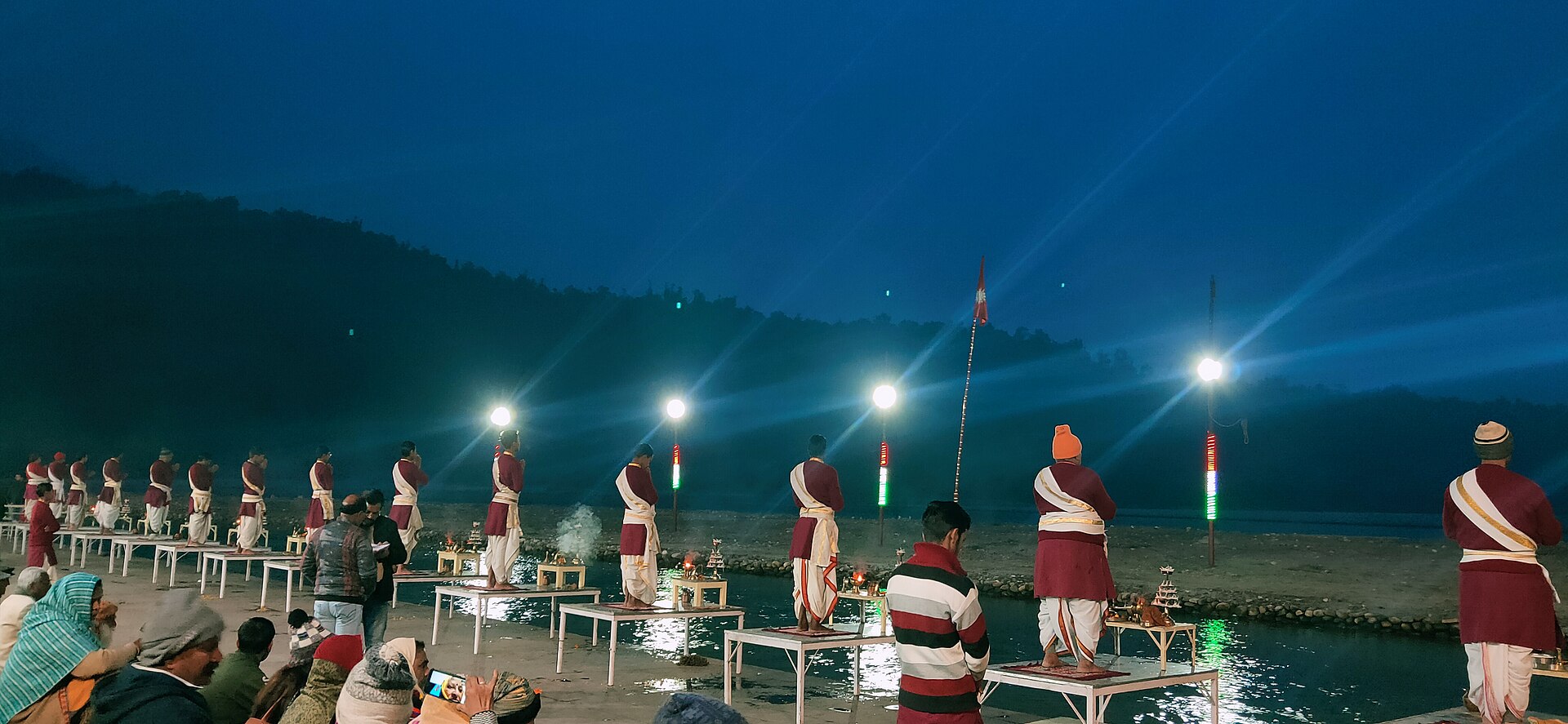
Photo: Wikimedia Commons
Yatra Guides
Rishikesh for International Visitors: An Honest First-Timer's Guide — the Yoga Capital Without the Yoga-Brochure Lies, the Aarti That Actually Matters, and the Bridges You Can't Cross Anymore
Rishikesh guide for foreign visitors: the three aartis compared, the closed bridges, the Beatles Ashram fee, rafting prices and yoga course costs, checked 24 Nov 2026.
Quick answer: Rishikesh is the easiest first week in India for a foreign visitor: a walkable river town where the aarti is free, the food is vegetarian by law, and the yoga schools are real. The two things that will actually trip you up are the bridges. The two famous ones are both closed, and nobody's blog has caught up. Then there is the Beatles Ashram fee, where the board says ₹600 and recent visitors report paying ₹1,200. Go between October and March, give it three days, and plan around the crossings, not the postcards.
Complete yatra blueprint
3-Day Rishikesh for International Visitors, Complete Blueprint
Built for a first-time visitor from the US, UK or EU who has never been to Rishikesh and wants the honest version: which aarti to attend, which bridges are closed, what the yoga course really costs, and where to sleep. Prices checked 24 November 2026; conversions at ₹93 to the dollar and ₹101 to the euro. Tonight, 24 November, is Kartik Purnima, the year's biggest aarti night at Triveni Ghat. This plan is for the season that starts tomorrow, not for tonight.
Delhi → Haridwar by Morning Train → Rishikesh by Evening Aarti
🛕 Temples & darshan
Har Ki Pauri, Haridwar, Evening Aarti (if you take the morning train) · Har Ki Pauri ghat, Haridwar, about 25 km before Rishikesh
If you arrive on the morning Shatabdi you have the whole afternoon in Haridwar, and the evening aarti here is the loudest, biggest version of the ceremony: thousands of people on the steps, the river running fast below them. It is a different animal from Rishikesh: more devotional, more crowded, more overwhelming. Worth one evening if you have it.
Triveni Ghat, Evening Aarti · Triveni Ghat, the main riverfront in the old town, about 1.5 km from the Rishikesh bus stand
Your first evening in Rishikesh should end here. The winter aarti runs 5:30 to 6:30 PM, the steps fill up half an hour before it starts, and the leaf lamps on the water are the image every Rishikesh postcard is trying to copy. Sit on the steps, take your shoes off before you step onto the ghat, and stay for the whole hour.
🏨 Where to stay
goSTOPS Rishikesh, Lakshman Jhula
Dorm beds from about ₹536/night (about $5.75); private rooms from about ₹2,508/night (about $27)
TripAdvisor 4.1/5 (92 reviews). Beside Chatsang Cafe on Laxman Jhula Road, a short walk from the bridge area. Rooftop with a view over the town, app-based check-in, and the safest-feeling budget base for a solo traveller. The walk in is steep in places, so travel light.
Hotel Ishan, A Riverside Retreat by Salvus
From about ₹5,905/night (about $63.50)
Google 4.4/5 (1,136 reviews); TripAdvisor 4.6/5 (512 reviews). Three-star, 0.1 km from Laxman Jhula on the river side, with a terrace over the Ganga. The practical pick if you want to walk to the bridges and the ghats without a taxi.
Lemon Tree Premier, Rishikesh
From about ₹8,830/night (about $95)
Four-star in Tapovan on Laxman Jhula Road, with a pool and a Ganga view from the upper floors. Trip.com 8.8/10. The calmest bed in town after a 4 AM start, and the best base if you are doing a yoga course in Tapovan.
🍽 Where to eat
Chotiwala Restaurant, Swarg Ashram
Thali about ₹300–400 (about $3.20–4.30)
Must try: The elaborate vegetarian thali the restaurant has served since 1958
Rishikesh's oldest restaurant, near Ram Jhula in Swarg Ashram. The Google rating looks modest because the place is old, crowded and unpolished, that is also why the thali is the real thing. Go for lunch, not dinner, when the kitchen is at its best.
Little Buddha Cafe, Laxman Jhula
About ₹400–600 per person (about $4.30–6.45)
Must try: Tibetan momos and thukpa on the treehouse terrace over the river
Google 4.0/5 (5,632 reviews). The terrace is the draw, and it fills up at sunset. Wood-fired pizza and shakshuka sit next to the momos on the menu, which tells you exactly who eats here.
- Stay on the bank you plan to spend your evenings on. With Ram Jhula closed, crossing the river means Janki Setu or Bajrang Setu, and the walk adds 15 to 20 minutes each way in the dark.
- Book the morning Shatabdi, not the evening Vande Bharat, if you want Haridwar on day one. The Vande Bharat gets you to Haridwar at 9:11 PM, when the town is shutting down.
- Carry cash in small notes on day one. The cafes take UPI and cards, but the auto drivers, the boatmen and the small shops around the ghats prefer it.
Beatles Ashram in the Morning → Swarg Ashram on Foot → Parmarth Aarti at Dusk
🛕 Temples & darshan
Beatles Ashram (Chaurasi Kutia) · East bank, inside the Rajaji Tiger Reserve periphery, about a 30-minute walk from Laxman Jhula or a short drive from Bairaj Dam
The abandoned ashram where the Beatles studied meditation with Maharishi Mahesh Yogi in February 1968 and wrote much of the White Album. Eighty-four stone meditation domes, a graffiti-covered satsang hall, and a photo gallery museum. Go in the morning, when the light is inside the domes and the heat has not arrived. Parts of the site were a construction site in spring 2026, so expect some fenced-off buildings.
Parmarth Niketan, Evening Aarti · Parmarth Niketan Ashram, Swarg Ashram, on the east bank near Ram Jhula
The ashram aarti, and the one to choose if you only attend one in Rishikesh. It starts about 30 minutes before Triveni, around 5:00 PM in winter, and it is more musical and more structured than the town aarti: resident students chanting, a smaller crowd, and the river right in front of you. It feels like a ceremony, not a show.
🏨 Where to stay
Same base, do not change hotels
One base for all three nights beats repacking
Stay where you are. Day two starts early and ends after dark, and the only thing that matters is that your bed is a short walk from Janki Setu or Bajrang Setu, not across a closed bridge from it.
🍽 Where to eat
The 60's Cafe (Beatles Cafe), Tapovan
About ₹500–700 per person (about $5.40–7.50)
Must try: Italian and Thai plates under the Beatles photos on the walls. The shakes and smoothies are the local favourite
Google 4.3/5 (3,880 reviews). The obvious lunch after the Beatles Ashram, and it knows it. Go for the food, not the memorabilia.
Kalsang Cafe and Restaurant, Laxman Jhula
About ₹400–600 per person (about $4.30–6.45)
Must try: Tibetan momos and thenthuk, the hand-pulled noodle soup
Google 4.3/5 (14,915 reviews), the highest-reviewed restaurant near the bridges. The most reliable dinner in the Laxman Jhula area when you want something that is not a thali.
- Do the Beatles Ashram in the morning. The light inside the meditation domes is gone by mid-afternoon, and the walk back in the heat is the least pleasant part of the day.
- Eat lunch in Swarg Ashram, not Tapovan, on day two. Chotiwala's thali is a five-minute walk from the ashram, and the afternoon walk along the east bank is the quietest hour in Rishikesh.
- Check your hotel room when you arrive: behind the television, at the smoke detector, at anything small facing the bed. If you want a tool for it, the Hidden Camera Detector: NoPeek app on Google Play does a Wi-Fi camera scan, a flashlight lens-glare test and an infrared check, and it works offline. It is a paid app with a lifetime option or a seven-day trip pass, no ads and no account. Two minutes on arrival, then forget about it.
Shivpuri Rafting in the Morning → Tapovan Cafes → Triveni Aarti → Night Train to Delhi
🛕 Temples & darshan
Triveni Ghat, Final Evening Aarti · Triveni Ghat, old town
Do the aarti twice, on purpose. The first night you are watching it. The third night you know where to sit, when the lamps come out, and which priest leads which chant. It is a different evening. If it is a weekday in November, you will get a step to yourself.
🏨 Where to stay
Same base, or one more night if you skip the night train
No new booking needed unless you stay the extra night
The night train from Haridwar works, but it is tight after a 5:30 PM aarti. If your flight is the next day, stay the extra night and take the morning train. A missed connection in Haridwar at 9 PM is a worse ending than one more morning in Rishikesh.
🍽 Where to eat
Bistro Nirvana, Tapovan
About ₹500–700 per person (about $5.40–7.50)
Must try: The cafe plates and the cakes at the long-stay travellers' canteen in Tapovan
Google 4.3/5 (3,308 reviews). The right brunch after rafting: slow, filling, and ten minutes from the take-out point by auto.
German Bakery (Devraj Coffee Corner), Laxman Jhula
About ₹300–500 per person (about $3.20–5.40)
Must try: The yak cheese sandwich and the fruit pancake, with fresh bread from the ovens
The 1990s icon at the bridge head, run since the backpacker days. No rating is quoted here because the listings disagree; the bakery is worth it for the bread alone, and it is the last stop before the bridges.
- Book rafting the day before, not the morning of. Weekend slots fill up, and the good operators will not take a walk-in at 8 AM on a Saturday.
- Carry ₹20 in cash for the forest department fee at the rafting checkpoint. It is cash only, separate from the operator's price, and nobody tells you until you are standing at the barrier.
- December to February rafting runs, but the water is cold enough to hurt after a splash. Ask the operator about winter wetsuits before you pay.
Rishikesh is the town every India itinerary promises and almost none describes honestly. The brochures call it the yoga capital of the world, and that part is true. The schools are real, the river is the Ganga at its cleanest, and the evenings genuinely stop you in your tracks. What the brochures skip is the part that decides whether your three days work or not: the two bridges in every photograph are both closed, the Beatles Ashram charges whatever the gate feels like charging that week, and the yoga course that costs $599 on one website costs $2,750 on another for the same 200 hours.
This guide is the version I wish someone had handed me before my first trip. Every price below was checked on 24 November 2026, and every conversion uses that day's rate: ₹93 to the dollar, ₹101 to the euro. Where two sources disagree, and they do, on the Beatles Ashram fee and the bridge reopening date, I say so, and I tell you what to carry so the disagreement does not ruin your day.
One honest note on timing, because today matters. This guide is published on Tuesday 24 November 2026, which is Kartik Purnima: the biggest, most crowded aarti night of the year at Triveni Ghat, with thousands of diyas on the water. If you are reading this on the day, you cannot still plan for tonight. The ghat fills by 4 PM. This guide is for the season that starts tomorrow, October to March, when the evenings are dry, the river runs clear, and you can actually get a step to sit on.
Who this town suits: first-timers who want India gently, yoga students, rafters, and anyone who wants a sacred town they can walk. Who should skip it: anyone looking for nightlife, meat, or alcohol. Rishikesh is dry and vegetarian by law, not by vibe, and anyone who wants a beach holiday with temples attached. Three days is the right length. Five is better if you are doing a yoga taster. A week is for the teacher training crowd.
Which Ganga Aarti should you actually attend?
There are three, and they are not the same ceremony three times. Picking the wrong one is the most common first-timer mistake in Rishikesh, because every blog lists all three and none of them tells you which to choose.
Triveni Ghat is the town aarti, and the one to attend first. It runs 5:30 to 6:30 PM from October to March, and 6:00 to 7:00 PM from April to September. The morning aarti is at 5:45 AM year-round. It is held on the open stone steps in the old town, it is free, and it draws several thousand people on a weekend evening. Arrive 30 minutes early on a normal evening, 45 minutes on a weekend, and by 4 PM on Kartik Purnima. Take your shoes off before you step onto the ghat. Shared boat rides at Triveni cost about ₹50–150 per person (about $0.55–1.60) if you want to watch from the water. Agree the price before you board.
Parmarth Niketan is the ashram aarti, and the one to attend if you only go once. It starts about 30 minutes earlier than Triveni in both seasons, so around 5:00 PM in winter, and it is more musical and more structured: resident students chanting in the ashram courtyard, a smaller crowd, and the river right in front of you. It feels like a ceremony rather than a show. Arrive by 4:30 PM for a seat near the front.
Har Ki Pauri, Haridwar, 25 km away, is the biggest and loudest of the three. The evening aarti runs around sunset, about 5:30 PM in winter, and you need to be on the steps 45 to 60 minutes early. It is more devotional and more overwhelming than either Rishikesh aarti: thousands of people, the river running fast below the steps, the whole town in the water at once. Do it on the day you pass through Haridwar, not as a separate evening trip from Rishikesh.
The rule is simple: Triveni on night one, Parmarth on night two, Har Ki Pauri on the day you arrive or leave. Do not try to do two in one evening. You will spend the evening in an auto-rickshaw instead of on the steps, and you will have seen neither properly.
The bridges: what you can't cross anymore
This is the section that makes this guide different from every other English Rishikesh guide on the first page of Google, because most of them are out of date on the one fact that decides where you sleep.
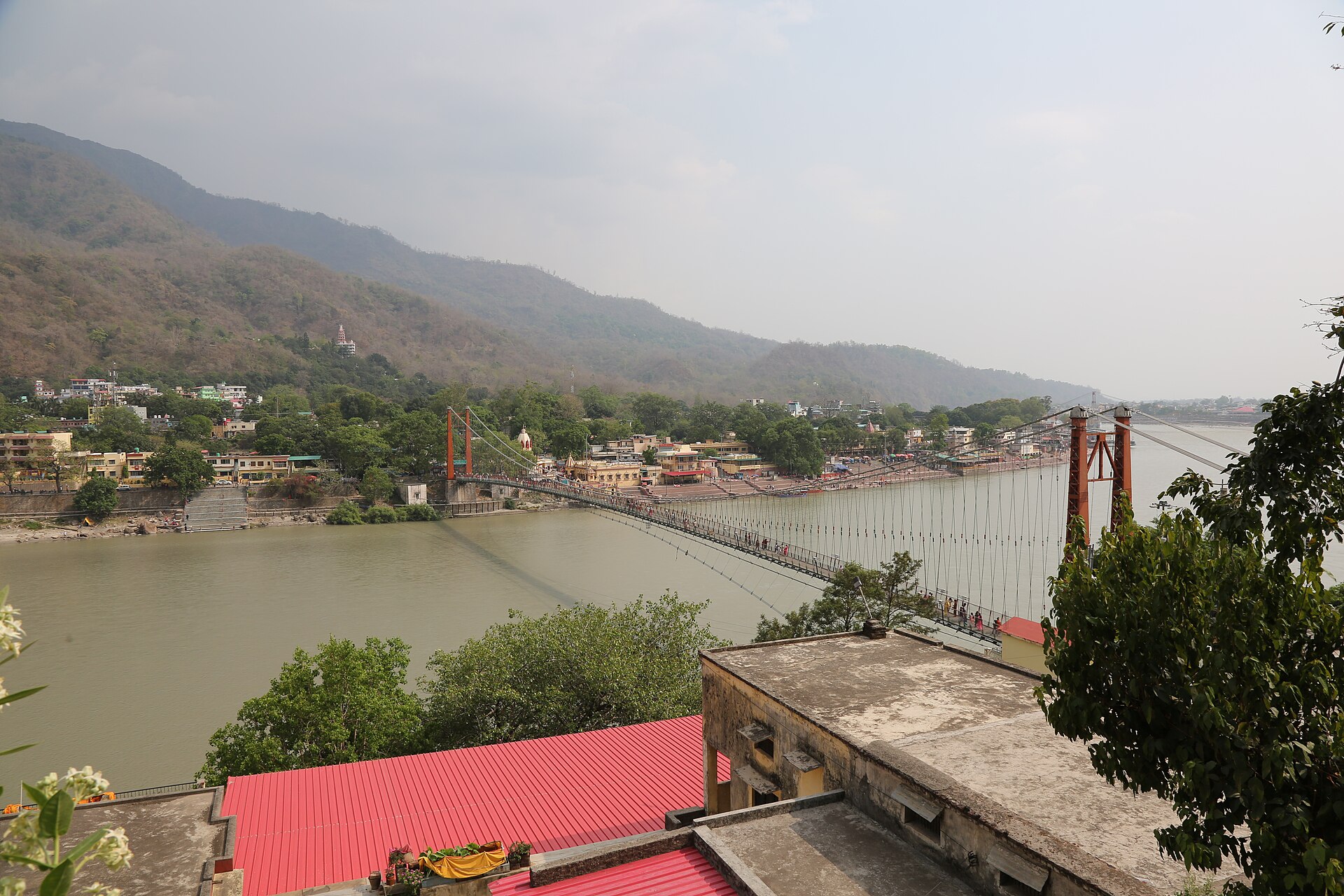
The old Laxman Jhula, the 1929 suspension bridge in every photograph of Rishikesh, has been closed since July 2019, when engineers found it unsafe. It is still closed. You can visit the bridge area and the market, but you cannot cross on it.
Ram Jhula, the 1986 suspension bridge linking Sivananda Nagar with Swarg Ashram, was shut completely, even to people on foot, on 25 July 2026, for repairs to its foundation and cables. The public works department aims to reopen it by the end of December 2026, but some reports put the reopening at February 2027, and about 55 percent of the work was done in mid-October, so treat December as a target, not a promise. Until it opens, the crossing is Janki Setu, the footbridge opened in November 2020 that links the Parmarth Niketan side with the Kailash Ashram side. There is also a short ferry near Ram Jhula for about ₹20–30 per person (about $0.22–0.32).
Beside Laxman Jhula, the new Bajrang Setu is open, 132 metres long with glass footpaths on both sides. Reports from July and August 2026 said the glass walkways were open from 6 AM to 10 PM and a fee had been approved for them. Ask at the bridge on the day, because the fee situation has moved before.
What this means in practice: the bank you sleep on is a real planning decision now. If your yoga school is in Tapovan and your evenings are at Triveni Ghat, you are crossing Janki Setu or Bajrang Setu in the dark every night, and that adds 15 to 20 minutes each way. Pick your stay for the bank you will spend your evenings on, not for the photo on the booking site. And if a guide, a video, or a driver tells you to "walk across Laxman Jhula" or "meet me at Ram Jhula", they are working from old information. Correct them gently and cross at Janki Setu.
How do you reach Rishikesh from Delhi?
There is no airport in Rishikesh and no direct train that a foreign visitor should rely on. The route is Delhi to Haridwar by train, then 25 km by road. It is simple once you know it, and the train is the part worth getting right.
| Option | Time | Cost | Who it suits |
|---|---|---|---|
| Vande Bharat 22457, Anand Vihar 17:50 → Haridwar 21:11 | 3 hours 21 minutes | Chair Car about ₹975 (about $10.50 / €9.65); Executive about ₹1,705 (about $18.35 / €16.90) | The fastest option, and the best one if you land in Delhi in the afternoon |
| Shatabdi 12017, New Delhi 06:45 → Haridwar 11:35 | About 4 hours 50 minutes | Chair Car about ₹830 (about $8.90 / €8.20) | The best option if you want Haridwar in the afternoon and Rishikesh by evening |
| Jan Shatabdi 12055, New Delhi 15:20 → Haridwar 19:35 | About 4 hours 15 minutes | Second sitting about ₹150 (about $1.60 / €1.50) | The budget option, and the one with the most legroom complaints |
| Private taxi, Delhi → Rishikesh direct | 4.5 to 6 hours, about 250 km | Sedan ₹3,300–4,300 one way (about $35–46 / €33–43), tolls and state tax extra | Families, groups, and anyone landing after dark |
| Flight Delhi → Dehradun, then taxi | About 1 hour in the air, 45 minutes by road | Flight varies; airport taxi about ₹1,000–1,500 (about $10.75–16 / €9.90–14.85) | The fastest door-to-door option if the flight times line up |
Two things to get right. First, the Vande Bharat does not run on Thursdays, and it leaves from Anand Vihar Terminal, not New Delhi station. The two stations are on opposite sides of the city, and the number of travellers who have gone to the wrong one is not small. Second, the fare you actually pay moves: the ₹975 Chair Car figure is the November 2026 published fare, and dynamic pricing pushes it up on busy days, so check IRCTC before you book rather than trusting a blog's number, including this one.
From Haridwar to Rishikesh is 25 km and about 45 minutes. A shared bus costs about ₹50–100, a private taxi about ₹600–1,000 (about $6.50–10.75). The Rishikesh station that matters is Yoga Nagari Rishikesh, 5 km from town, but Haridwar Junction has far more trains and is the sensible railhead for almost everyone.
The e-visa is the other piece of paperwork, and it is straightforward: most US, UK and EU passport holders need an Indian e-Tourist Visa, applied for at indianvisaonline.gov.in between 4 and 120 days before travel, with a passport valid for at least six months. The 30-day visa costs $25 from July to March and $10 from April to June, plus a 3 percent bank charge. The five-year visa is where the trap is: most sites quote $80 for everyone, but the fee is reciprocal by passport, and the official fee table dated 8 September 2026 puts the five-year visa at $160 for a US passport and $484 for a UK passport. If you are a British citizen of Indian origin who visits often, an OCI card at about £248 is cheaper than a single five-year visa. Check your own fee on the portal before you pay, because the number on the blog is probably not your number.
Where should you stay: Tapovan, Swarg Ashram, or the old town?
Rishikesh is three towns pretending to be one, and where you sleep decides what your days feel like.
Tapovan, up the hill on the west bank, is where most foreign visitors actually stay: cafes, yoga schools, hostels, and the easiest walking. It is the loudest at night and the most convenient in the day. Swarg Ashram, on the east bank around Ram Jhula, is quieter, more ashram than backpacker, and the best base for the morning aarti and the Beatles Ashram, but with Ram Jhula closed, you are crossing at Janki Setu every time you want the other bank. The old town, around Triveni Ghat, is where the pilgrims stay: noisier, cheaper, and the closest to the evening aarti.
For a first trip, stay in Tapovan or near Laxman Jhula, within a ten-minute walk of Janki Setu or Bajrang Setu. The blueprint at the top of this guide lists three verified bases: goSTOPS Rishikesh at Laxman Jhula (TripAdvisor 4.1/5, dorms from about ₹536 a night, about $5.75), Hotel Ishan by the river (Google 4.4/5 from 1,136 reviews, from about ₹5,905 a night, about $63.50), and Lemon Tree Premier in Tapovan (four-star, with a pool, from about ₹8,830 a night, about $95). If money is no object, Aloha on the Ganges is the riverside splurge at about ₹18,302 a night (about $197). Parmarth Niketan and Sivananda Ashram both offer simple rooms to visitors, but no verified 2026 price could be found for either, so no price is quoted here. Ask at the ashram office on arrival.
One small thing worth doing in any hotel room, in Rishikesh or anywhere else on a trip: take two minutes to check the room when you arrive. A quick look behind the television, at the smoke detector and at any small device facing the bed costs nothing and catches the one thing nobody wants to find later. If you want a tool for it, the Hidden Camera Detector: NoPeek app on Google Play does a Wi-Fi camera scan, a flashlight lens-glare test and an infrared check, and it works offline. It is a paid app with a lifetime option or a seven-day trip pass, no ads and no account. Use it once on arrival and forget about it.
Two practical notes. First, the Marriott-signed Le Méridien Rishikesh Resort and Spa, 120 rooms near Laxman Jhula, was announced on 28 October 2026 and opens in late 2028, it is not bookable, and any site listing it as a stay option is selling a future. Second, November is peak season. The good rooms in Tapovan go first, and the price you see in September is not the price you pay in November, so book the bed before you book the train.
What does a 200-hour yoga course really cost?
This is the question every foreigner in Rishikesh asks, and the answer is a range so wide it looks like a mistake. It is not a mistake. A 200-hour Yoga Alliance residential teacher training course in Rishikesh in 2026 costs anywhere from $599 to $2,750, and the difference is not the yoga. It is the room, the food, the group size, and how honest the school is about what "all-inclusive" covers.
| School (2026 published prices, checked October 2026) | Price, shared room | Length | Notes |
|---|---|---|---|
| Arogya Yoga School | From $599 triple-share to $1,099 private | 24 days, batches 2nd–25th monthly | The cheapest reputable option on the list |
| Swaastik Yog School | $440 dorm / $880 shared / $1,100 private | 22 days, batches 5th and 15th monthly | The dorm price is the lowest in town; check what it includes |
| Rishikesh Yog Nirvana | $899 shared / $999 private | 25 days, 1st–25th monthly | Mid-range, and the one most often recommended by past students |
| Yoga Vedanta Trust | $1,050 shared | 28 days, maximum 15 students | Small groups, and the longest course on the list |
| Mira Yogashala | $1,150 twin / $1,350 private | 24 days | November 2026 batch fully booked |
| Rishikesh Yogpeeth | About $2,100–$2,750 | 24–28 days | The premium end, and the one with the most polished marketing |
Most shared-room packages land between $900 and $1,500 all-inclusive: tuition, room, three sattvic meals, materials and the certificate. Three warnings, all earned the hard way by other travellers. First, the price on the website is not always the price you pay. Get the final number in writing, with everything it covers listed, before you transfer any money. Second, confirm the school's Yoga Alliance registered-school status yourself, on the Yoga Alliance site, and ask what "all-inclusive" actually excludes: airport transfers, weekend excursions and the certificate fee are the three usual surprises. Third, the cheapest course is not the safest choice for a three-week residential stay. A dorm bed at $440 for 22 days is a price that has to cut corners somewhere, and the corners are usually the food and the room.
If you are not ready for 200 hours, do not buy 200 hours. Drop-in classes at Parmarth Niketan and Sivananda Ashram are open to visitors for about ₹200–500 a class (about $2.15–5.40), usually without advance booking, and a week of drop-ins will tell you more about whether you want the full course than any brochure will.
Is the Beatles Ashram worth ₹600 or ₹1,200?
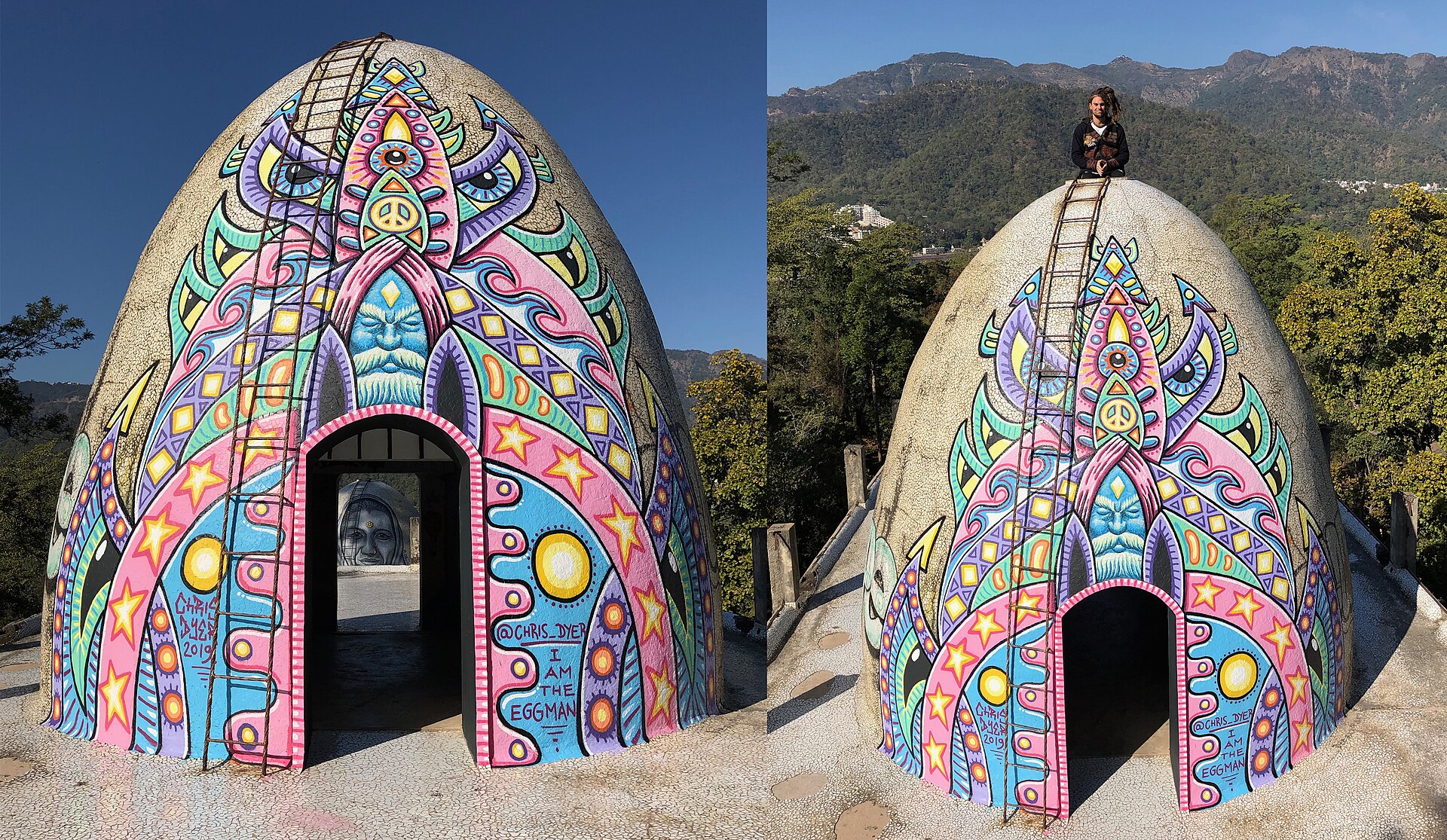
The Beatles Ashram, officially Chaurasi Kutia, is the abandoned ashram where the four Beatles studied transcendental meditation with Maharishi Mahesh Yogi in February 1968 and wrote much of the White Album. Eighty-four stone meditation domes, a graffiti-covered satsang hall, a photo gallery museum, and the forest closing in around all of it. It is worth going. The question is what you will pay at the gate, and the honest answer is that nobody agrees.
The official Rajaji Tiger Reserve tariff lists ₹150 for Indian nationals and ₹600 for foreign visitors, with lower rates for students and seniors, and the gate is open 10 AM to 4 PM with last entry around 3:30 PM in winter. But several 2026 guides list ₹200 for Indians and ₹1,200 for foreigners, and TripAdvisor reviews from February to April 2026 report foreigners charged ₹1,200, with one visitor noting that almost every building except the meeting hall was a construction site in March 2026, with "Danger do not enter" signs. The most recent dedicated guide, updated in September 2026, still lists the ₹600 tariff and warns in the same paragraph that recent guides quote ₹1,200 and the gate price may differ.
So: carry ₹1,200 in cash and your passport, and treat ₹600 as the price you hope for. If the gate charges ₹600, you have saved ₹600. If it charges ₹1,200, you are not standing at the ticket window counting out notes while a queue forms behind you. Carry ID either way. The foreigner rate is charged on nationality, and the gate will ask.
Getting there is half the visit. The ashram sits on the east bank, about a 30-minute walk from Laxman Jhula, or a short drive from Bairaj Dam, or a walk across Janki Setu and then right. Plan 1.5 to 2 hours inside, go in the morning when the light is inside the domes, and carry water. There are no shops inside. The canteen on site is the only food, and it is basic.
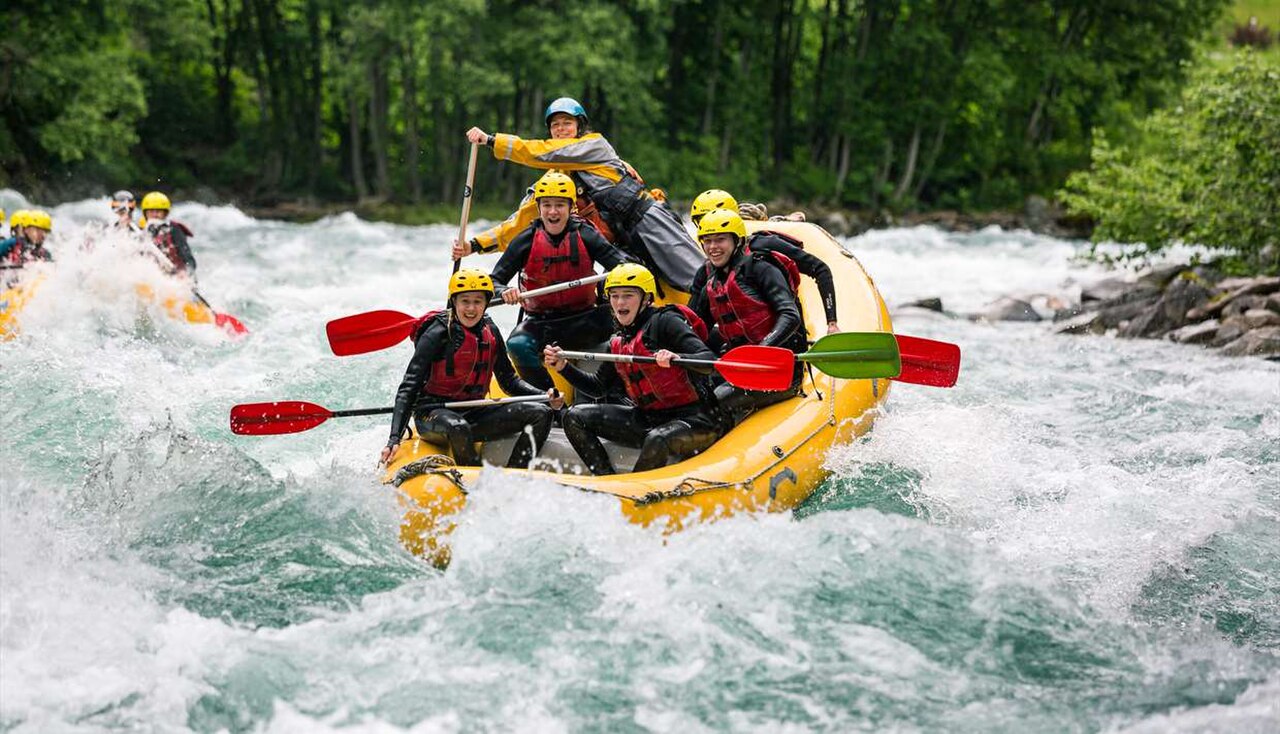
Should you go rafting, and which stretch?
Yes, if you are here between late September and June. The 2026–27 rafting season opened on 23 September 2026 and runs until 30 June 2027, and November is the best month for it: the river is clear, the rapids are lively but not frightening, and the mornings are cool enough that the splash feels good rather than punishing. Rafting closes every year from 1 July to mid-September for the monsoon, and it can stop on any day the water rises too high, so confirm on the morning of your trip.
| Stretch | Distance | Grade | Time on the river | Price per person, November 2026 |
|---|---|---|---|---|
| Brahmpuri | 9 km | I–II | 1.5 hours | ₹600 (about $6.45 / €5.95) |
| Phool Chatti | 12 km | II | About 2 hours | ₹800 (about $8.60 / €7.90) |
| Shivpuri | 16 km | II–III+ | 2.5–3 hours | ₹1,000 (about $10.75 / €9.90) |
| Marine Drive | 24–26 km | III–IV | 4–4.5 hours | ₹1,500 (about $16 / €14.85) |
| Kaudiyala | 30–36 km | IV–IV+ | 6–7 hours | ₹2,500 (about $27 / €24.75) |
Prices are per person and some operators add 5 percent GST. All stretches end at NIM Beach. Shivpuri, the 16 km run, is the one to book: moderate rapids with names like Roller Coaster and Golf Course, a cliff-jumping stop when the river and the guide allow it, and the best ratio of excitement to time. Brahmpuri is the right choice if you have children over 12 or you just want to float. Kaudiyala is a full day and genuinely hard, minimum age 18, and not a first-timer's run.
Two things nobody mentions until you are standing at the barrier. First, the ₹20 forest department fee per person (about $0.22) is cash only, separate from the operator's price, and payable at the checkpoint. Carry a ₹20 note. Second, the safety rule: most established operators charge ₹1,000 for Shivpuri in November 2026, so a quote far below that usually means corners cut on safety gear, and one operator's own advice is blunt about it. From the 2026–27 season every rafting firm must hold a licence under the Uttarakhand River Rafting and Kayaking Rules, so ask to see it before you pay, and check that the trip includes a rescue-trained guide, a high-buoyancy life jacket, a helmet, and a safety kayaker. In April 2025 a 28-year-old died on a Shivpuri rafting trip, and the detail that matters is not the headline but the lesson: the river is not a theme park, and the cheapest boat is the one to walk away from. Book weekends a day ahead; weekday walk-ins are usually fine. Minimum ages are 12 and over for Brahmpuri, 14 and over for Shivpuri and Marine Drive. Non-swimmers are fine on Brahmpuri, Shivpuri and Marine Drive with a reputable operator. Tell them before you get in the boat, not after.
What do you actually eat here?
Rishikesh is a dry town, and that is a law, not a vibe. Alcohol and non-vegetarian food are banned within the main town limits, so every cafe and restaurant is vegetarian and alcohol-free. Nobody will offer you a beer with dinner, and nobody will apologise for it. The food is better for the rule, not worse: the town's kitchens have spent decades getting good at the one thing they are allowed to cook.
Chotiwala Restaurant in Swarg Ashram has served its elaborate vegetarian thali since 1958, and it is still the most Rishikesh meal in Rishikesh, at about ₹300–400 (about $3.20–4.30). Go for lunch, when the kitchen is at its best. Little Buddha Cafe at Laxman Jhula is the treehouse terrace over the river: Tibetan momos and thukpa, wood-fired pizza, shakshuka, about ₹400–600 a head (Google 4.0/5 from 5,632 reviews). The 60's Cafe, the Beatles Cafe in Tapovan, does Italian and Thai under the Beatles photos on the walls, about ₹500–700 a head (Google 4.3/5 from 3,880 reviews). Kalsang Cafe near Laxman Jhula is the highest-reviewed restaurant near the bridges (Google 4.3/5 from 14,915 reviews) and the place for momos and thenthuk, the hand-pulled noodle soup. Bistro Nirvana in Tapovan is the long-stay travellers' canteen (Google 4.3/5 from 3,308 reviews). And the German Bakery, Devraj Coffee Corner at the Laxman Jhula bridge head, has baked its bread since the 1990s. The yak cheese sandwich and the fruit pancake, about ₹300–500 a head, are the right last meal before you cross the river.
What to actually order: a thali at Chotiwala, momos at Kalsang or Little Buddha, and whatever is fresh-baked at the German Bakery. What to skip: the "continental" dishes at the cheapest cafes, which are usually the weakest thing on the menu, and any restaurant that promises meat or alcohol. It is either outside the town limits or lying to you.
Is Rishikesh safe for a solo woman?
The short answer is yes, with the precautions that apply to any Indian town, and the longer answer is worth reading because the two halves of it are both true.
Rishikesh is one of the safer towns in India for foreign travellers. Violent crime against tourists is rare. Solo women arriving for yoga are normal here, not a novelty. Thousands come every year, many of them alone, and the yoga schools, hostels and cafes are built around them. Ram Jhula and Swarg Ashram feel the safest after dark: well-lit, populated until about 10 PM, with visible tourist police. The Tapovan lanes are busy too, but some are unlit, so carry a torch.
The other half: the UK Foreign Office, the US State Department, Canada and Germany all warn of sexual-assault risk in tourist areas in India, and none of the four names Uttarakhand as an area to avoid. The US advisory is Level 2 and advises women not to travel alone and to take care in taxis at night; Canada lists yoga centres, ashrams and retreats among the places where assaults have happened; Germany warns of drinks being spiked. Those advisories are written for the whole country, and Rishikesh is at the safe end of it, but they are not wrong to exist.
The practical rules, from women who live and teach here: dress modestly, shoulders and knees covered, loose cotton; pre-book your first nights and share your arrival time with the school or guesthouse; avoid empty riverbanks, forest paths and quiet ghats after dark; keep your drink in sight and refuse food or drinks from strangers; use registered taxis or app cabs at night and agree the fare first; arrive in daylight. Emergency numbers: 112 for the national emergency line, 1091 for the women's helpline.
What nobody tells you before you go
Do not swim in the Ganga near the main ghats. The water looks calm and the current is deceptively fast, and people drown here who misjudge it. The barricaded bathing steps at Triveni Ghat exist for a reason. Use them, hold the chains, and do not go past them.
The monkeys will take food from your hands. Eat indoors, keep snacks in your bag, and do not hold a banana up for a photograph. The monkeys around Ram Jhula and Swarg Ashram are bold, fast, and completely unbothered by you.
The "Ganga snan with a guide" tout is a job, not a service. Men near the ghats offer to guide your holy dip, your aarti seat, your flower offering. The dip needs no guide, the aarti seat is free, and the leaf lamps cost a few rupees from the sellers on the steps. Smile, say no, and keep walking.
Ashram donation pressure is real and polite. Some ashrams will ask for a donation after a free session, a free meal, or a free talk. There is nothing wrong with giving, and nothing wrong with declining. Decide before you go in, so you are not deciding under a smile.
Cash and UPI both work, until they don't. The cafes, hotels and bigger shops take UPI and cards. The auto drivers, the boatmen, the ₹20 rafting fee and the small shops around the ghats want cash in small notes. Carry both, and carry the cash in tens and twenties.
Get your SIM at the airport, not in Rishikesh. An Indian SIM takes a passport, a photo and a local address, and the airport counters do it in minutes. The shops in town can do it too, but they will take longer and ask more questions.
The Triveni Ghat revamp is coming, slowly. The state government sanctioned ₹115 crore for the Triveni Ghat redevelopment under the Rishikesh Ganga Corridor Project on 18 July 2026, covering beautification and modern amenities for pilgrims. The next step is tendering and a project timeline, and there is no closure or diversion reported at the ghat as of 24 November 2026. Expect construction and changed layouts in 2027, not this winter.
Uttarakhand is booming, and Rishikesh is its front door. The state welcomed a record 6.03 crore tourists in 2025, and the Marriott signing of Le Méridien Rishikesh in October 2026 is the strongest signal yet that international demand here is rising, not falling. Book early, because the town is not getting quieter.
The scams to avoid
Rishikesh has fewer scams than most Indian tourist towns, and the ones it has are specific. First, the fake yoga school agent: men near the bus stand and the bridges who offer to take you to "the best yoga school" for a commission. The schools have their own websites and their own offices. Walk to the school yourself. Second, the unlicensed rafting operator: no licence under the 2026–27 rules, no safety kayaker, a price far below ₹1,000 for Shivpuri. Walk away. Third, the taxi trap at Haridwar station: use the prepaid counter inside the station, and agree the Haridwar–Rishikesh fare (about ₹600–1,000) before you get in. Fourth, paid "VIP aarti" seats: there are none. The aarti is free, the steps are free, and anyone selling you a reserved seat is selling you a step you could sit on for nothing. Fifth, the fake hotel booking site: book through the hotel's own site or a major platform, and be suspicious of any site that asks for payment by UPI to a personal number.
What does it cost?
Prices checked 24 November 2026, conversions at ₹93 to the dollar and ₹101 to the euro. International flights are not included, because they vary too much to be useful. This is the cost on the ground in Rishikesh, per person, for three days.
| Item | Budget | Comfort |
|---|---|---|
| e-Visa, 30-day | $25 (about ₹2,325) | $25 (about ₹2,325) |
| Delhi–Haridwar return by train | About ₹1,660 by Shatabdi Chair Car (about $18) | About ₹1,950 by Vande Bharat Chair Car (about $21) |
| Delhi–Rishikesh return by taxi (if you skip the train) | About ₹6,600–8,600 sedan (about $71–92) | About ₹6,600–8,600 sedan (about $71–92) |
| Hotel, 3 nights | About ₹1,600 in a goSTOPS dorm (about $17) | About ₹17,700 at Hotel Ishan (about $190) |
| Beatles Ashram | ₹600–1,200 (about $6.45–12.90) | ₹600–1,200 (about $6.45–12.90) |
| Rafting, Shivpuri 16 km | ₹1,000 + ₹20 cash fee (about $11) | ₹1,000 + ₹20 cash fee (about $11) |
| Ganga Aarti, all three | Free, ₹0 | Free, ₹0 |
| Food, 3 days | About ₹2,400 (about $26), thalis and cafes | About ₹5,000 (about $54), cafes and restaurants |
| Yoga drop-ins, 2 classes | About ₹400–1,000 (about $4.30–10.75) | About ₹400–1,000 (about $4.30–10.75) |
| Local transport, 3 days | About ₹600 in autos (about $6.45) | About ₹1,500 in autos and taxis (about $16) |
| Total on the ground | About ₹8,300 (about $89) | About ₹29,300 (about $315) |
The budget column is not a trick. Rishikesh is one of the cheapest proper holidays in India for a foreign visitor, because the two things that cost money everywhere else, the aarti and the river, are free here. The comfort column is not a trick either: it is what the same three days cost when you sleep by the river and eat in cafes instead of dhabas. The difference is about $226, and almost all of it is the hotel.
What else is worth a day?
If you have a fourth day, spend the morning at Neelkanth Mahadev Temple, about 22 km from Rishikesh on the forest road: the Shiva temple where, the story goes, Shiva drank the poison from the churning of the ocean. Go early, because the road fills with pilgrims by mid-morning and the monkeys own the temple steps. For sunrise, Kunjapuri Devi Temple is the climb: about 1,676 metres, an hour's drive and a short walk, and the Himalayas laid out in front of you on a clear winter morning.
Haridwar deserves a full day, not a drive-through, and the reason to plan it now is the calendar: the Haridwar Ardh Kumbh runs from 14 January to 20 April 2027, with the main bathing days on 6 March (Mahashivratri), 8 March and 14 April. If your Rishikesh trip falls in that window, Haridwar will be a different city, bigger, louder, and worth seeing at least once. Our Kedarnath guide for international visitors picks up where this one ends: Rishikesh is the gateway town for the Char Dham road, and Kedarnath is the yatra it leads to. For the other Ganga aarti, compared honestly, see our Varanasi guide for international visitors, and if you are here on 24 November, our Dev Deepawali guide covers the night Varanasi lights up for Kartik Purnima, the same festival night as Triveni Ghat.
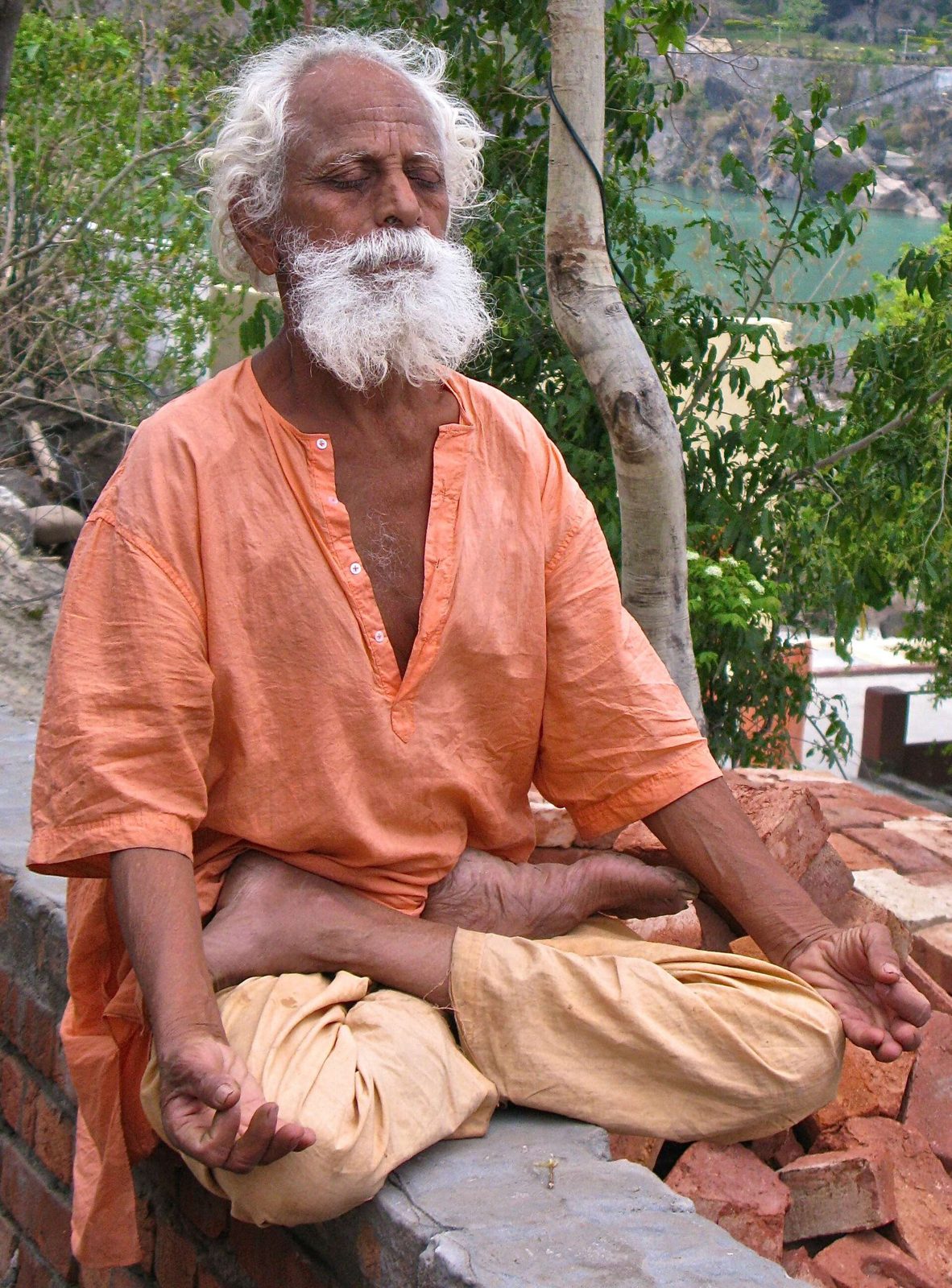
Prices, timings and ticket rules checked on 24 November 2026 against the Rajaji Tiger Reserve tariff and recent visitor reports for the Beatles Ashram (rishikesh.info, traveliac.com, rishikeshdaytour.com), the StayVista 2026–27 Ganga Aarti guide, Uttarakhand PWD reporting on the Ram Jhula closure, IRCTC fares via vandebharatexpress.co.in (updated 12 November 2026) and TravelTriangle (NTES check 16 November 2026), rafting prices from White World Expeditions, Manchala Mushafir and Feel Tourism (updated 17 November 2026), the Government of India e-Tourist Visa fee table dated 8 September 2026, the ₹115 crore Triveni Ghat sanction (Nation Press, 18 July 2026), and Google and TripAdvisor ratings. The Ram Jhula reopening date and the Beatles Ashram fee both vary by source, so confirm both on the day you go. Photos: Ganga Aarti at Triveni Ghat by Bhuvi Uniyal, Beatles Ashram graffiti by Chris Dyer, Ram Jhula by Paradise Chronicle, rafting and meditation photos via Wikimedia Commons, all freely licensed (CC BY-SA).
Frequently asked questions
What is the best time to visit Rishikesh?
October to March. November is the sweet spot: post-monsoon, the river running clear, rafting open, yoga schools in full session, and the evenings cool enough to sit on the ghat steps. December to February is colder at night, down to about 5°C, and the river water is icy after a rafting splash. Avoid July, the Kanwar Yatra month, when crowds run into the tens of millions and the Haridwar–Rishikesh road is restricted for days.
What time is the Ganga Aarti in Rishikesh?
At Triveni Ghat the evening aarti runs 5:30 to 6:30 PM from October to March, and 6:00 to 7:00 PM from April to September. Parmarth Niketan starts about 30 minutes earlier in both seasons, so around 5:00 PM in winter. There is a smaller morning aarti at 5:45 AM year-round. Entry is free everywhere. Arrive 30 minutes early on a normal evening and 60 to 90 minutes early on a festival night.
How much is the Beatles Ashram entry fee for foreigners?
The official Rajaji Tiger Reserve tariff lists ₹600 for foreign visitors and ₹150 for Indian nationals, and the gate is open 10 AM to 4 PM. But several 2026 guides and recent visitors report foreigners being charged ₹1,200 at the gate, so carry ₹1,200 in cash plus your passport and treat ₹600 as the price you hope for, not the price you are promised. Timings and the fee have both moved before, so check at the gate on the day.
Can you walk across Ram Jhula or Laxman Jhula in Rishikesh?
No, not in November 2026. The old Laxman Jhula has been closed since July 2019, and Ram Jhula was shut completely, even to walkers, on 25 July 2026 for repairs to its foundation and cables, with reopening targeted for December 2026 and some reports saying February 2027. Cross on Janki Setu, the footbridge near Ram Jhula, or on Bajrang Setu, the new bridge with glass walkways beside Laxman Jhula. There is also a short ferry near Ram Jhula for about ₹20 to ₹30.
Is Rishikesh safe for solo female travellers?
By Indian standards, yes, it is one of the safer towns in the country for foreign travellers, violent crime against tourists is rare, and solo women arriving for yoga are normal here, not a novelty. That is not the same as no risk: the UK, US, Canadian and German advisories all warn of sexual-assault risk in tourist areas in India, and none of them names Uttarakhand as an area to avoid. Dress modestly, pre-book your first nights, avoid empty riverbanks and forest paths after dark, keep your drink in sight, and use registered taxis at night. The full practical list is in the safety section below.
Do I need a visa for Rishikesh, and how many days should I plan?
Most US, UK and EU passport holders need an Indian e-Tourist Visa, applied for at indianvisaonline.gov.in between 4 and 120 days before travel. The 30-day visa costs $25 from July to March and $10 from April to June, plus a 3 percent bank charge, and your passport needs six months of validity. Three days covers Rishikesh properly: one day for the old town and the Beatles Ashram, one for rafting or a yoga deep-dive, and the evenings for the aarti. Add two more days if you are doing a yoga course taster or a day trip to Haridwar.
Keep exploring
 Yatra Guides
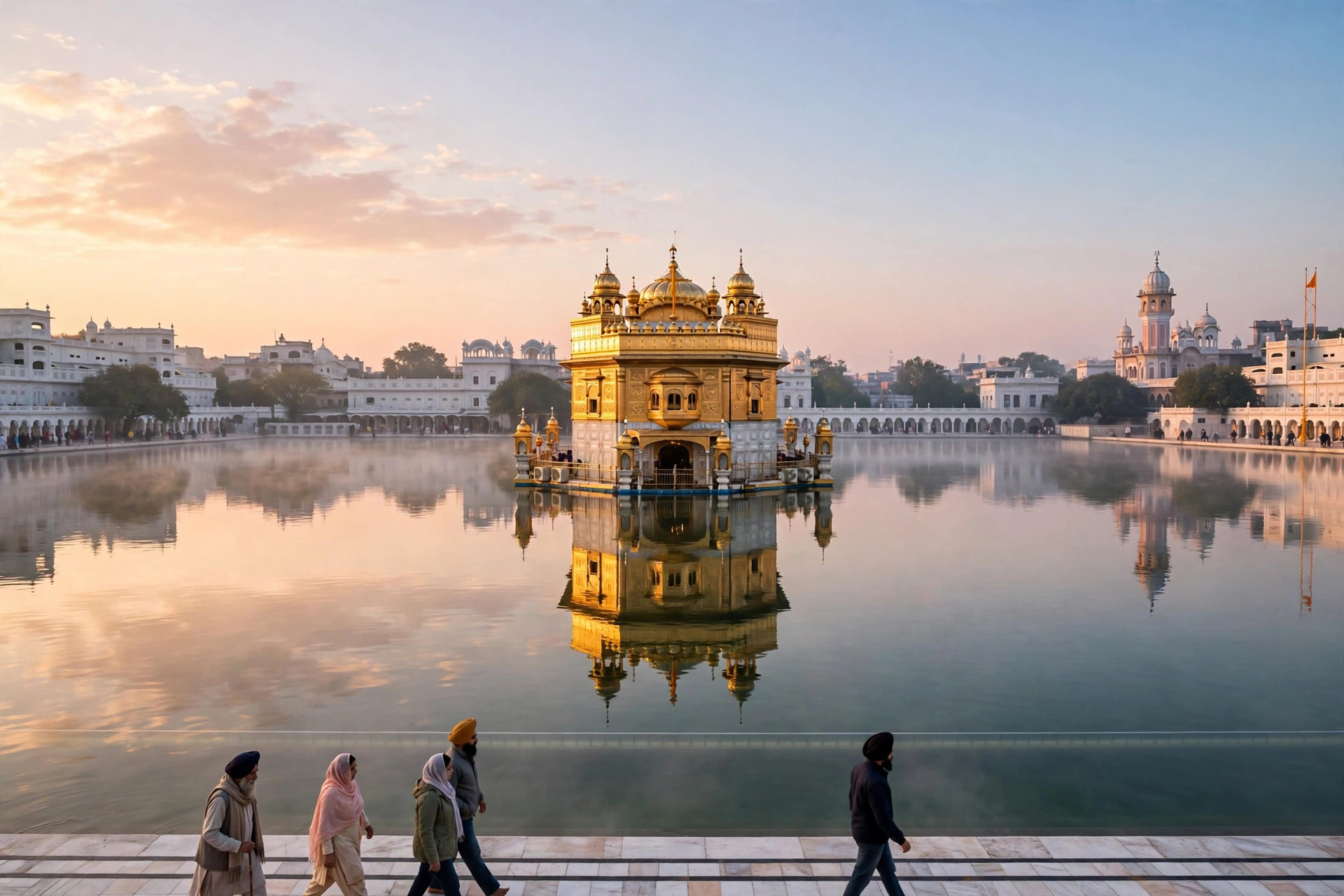
Golden Temple Amritsar for International Visitors: An Honest First-Timer's Guide — Guru Nanak Jayanti in Three Days, the Kitchen That Feeds 100,000 Free, and the Queue That Triples by 10 AM
Golden Temple guide for foreign visitors: the 5 AM queue, free SGPC stay, langar, Wagah timing and Guru Nanak Jayanti 2026 — checked 21 Nov 2026.
 Yatra Guides
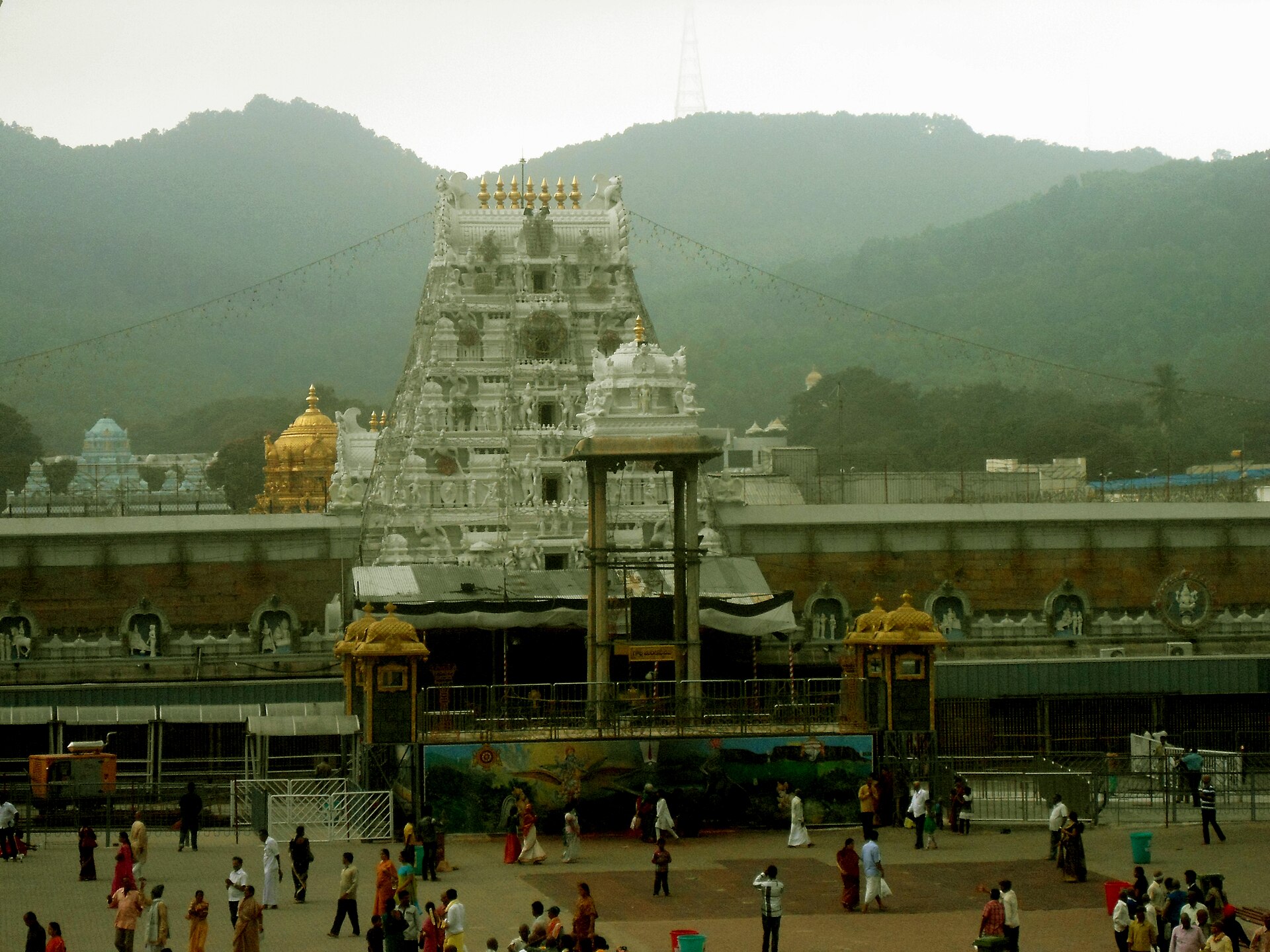
Tirupati for International Visitors: An Honest First-Timer's Guide — the NRI Darshan Maze, the Two-Minute Declaration, and Vaikunta Ekadasi in Four Weeks
First-timer's Tirupati guide for foreign visitors: NRI darshan, the declaration form, real costs, and Vaikunta Ekadasi tickets — checked 19 Nov 2026.
 Yatra Guides
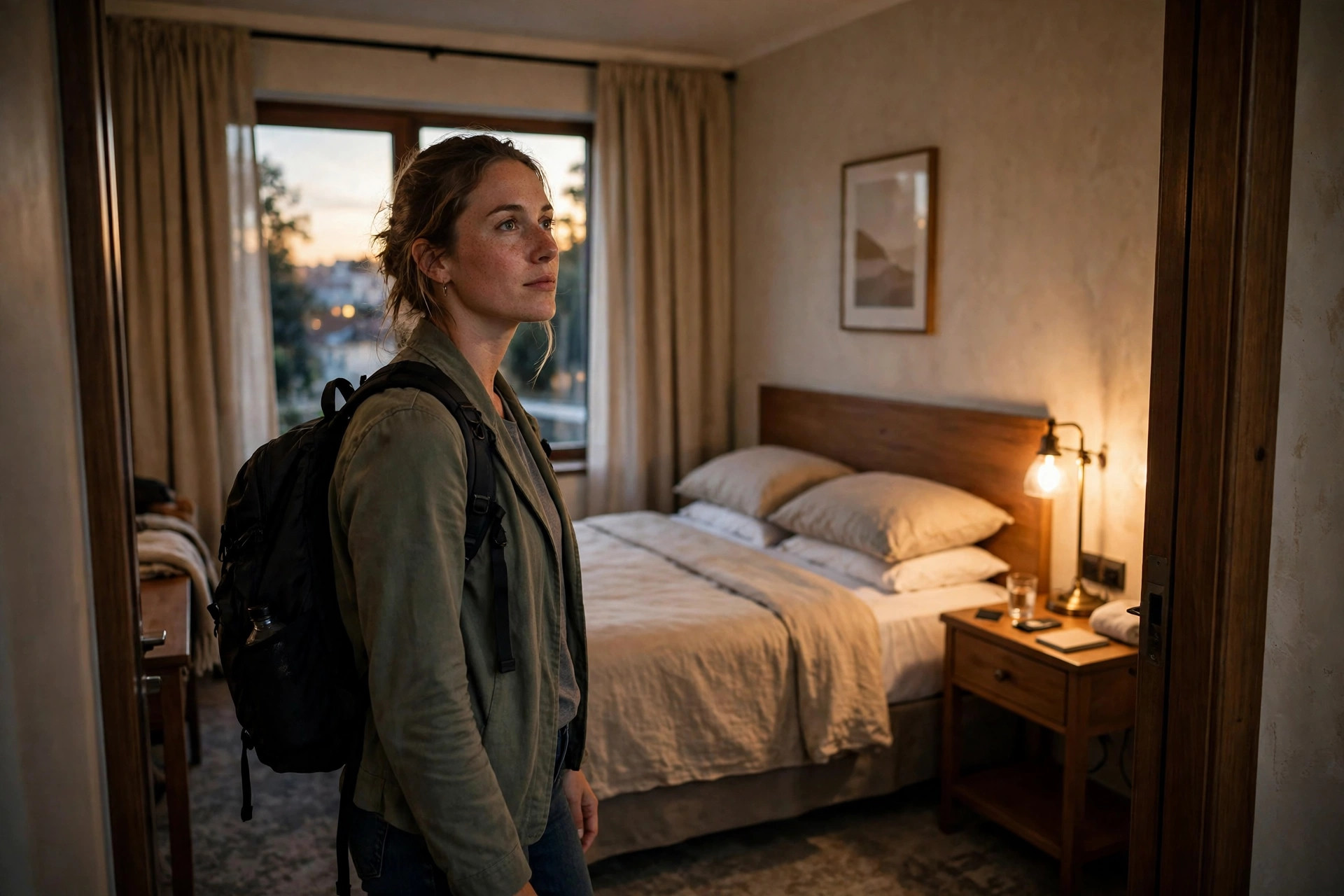
Hidden Camera Safety for Solo Women Travellers: Stays, Changing Rooms and Cabs
Privacy checks for women travelling alone: choosing a stay, a 2-minute arrival routine, the 30-second changing-room check, cabs, and trackers — plus what to do in India.