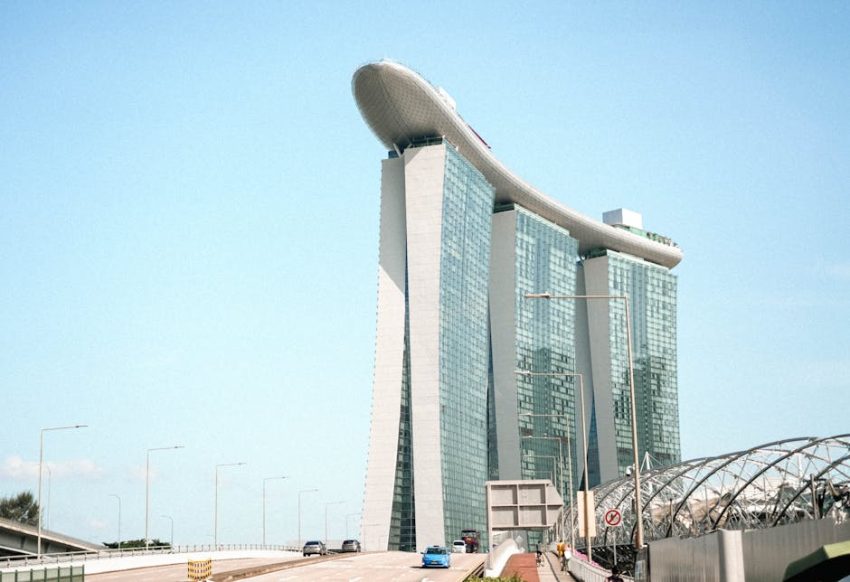
Singapore — it’s small, it’s clean, and honestly, it’s one of the easiest places to travel in Asia. Whether you’re here for the food, the architecture, or just to escape winter for a bit, this city-state delivers. I went in with average expectations and left genuinely impressed. Here’s my honest take — the good, the bad, and everything in between.
How to Reach?
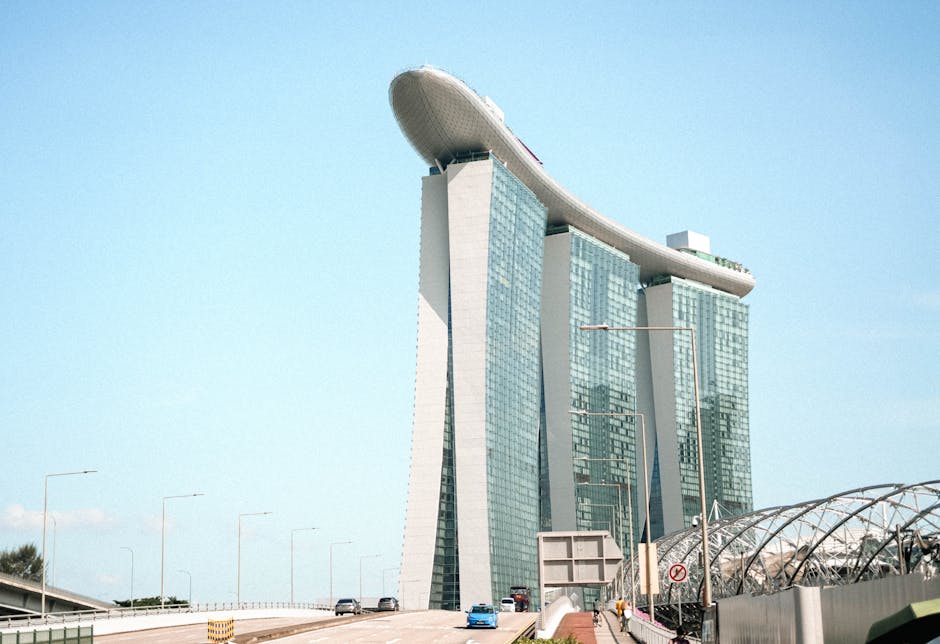
Getting to Singapore is pretty easy. That’s one of the best things about it, honestly. Changi Airport is the main airport, and it’s one of the smoothest airports I’ve used. Immigration is usually quick. The airport itself is clean, efficient, and actually pleasant. I don’t say that about airports often.
From India, you’ll find direct flights from cities like Delhi, Mumbai, Chennai, Bengaluru, and Kolkata. Airlines like Singapore Airlines, Scoot, Air India, and IndiGo usually have routes. If you book early, you can snag decent fares. If you book late, yeah, it gets expensive fast. Singapore isn’t a cheap destination, so flights can take a big chunk of your budget.
If you’re coming from nearby Southeast Asian countries, flying is still the easiest option. Ferries exist in some cases, but flights are usually faster and simpler. To be fair, Singapore is small, so once you land, everything else feels easy too.
A quick heads-up. Make sure your passport has enough validity left. Check visa rules before booking. Indian passport holders usually need to apply for a visa in advance unless they qualify under some special transit rules. Don’t assume you can sort it out at the airport. You probably can’t.
Where to Stay?
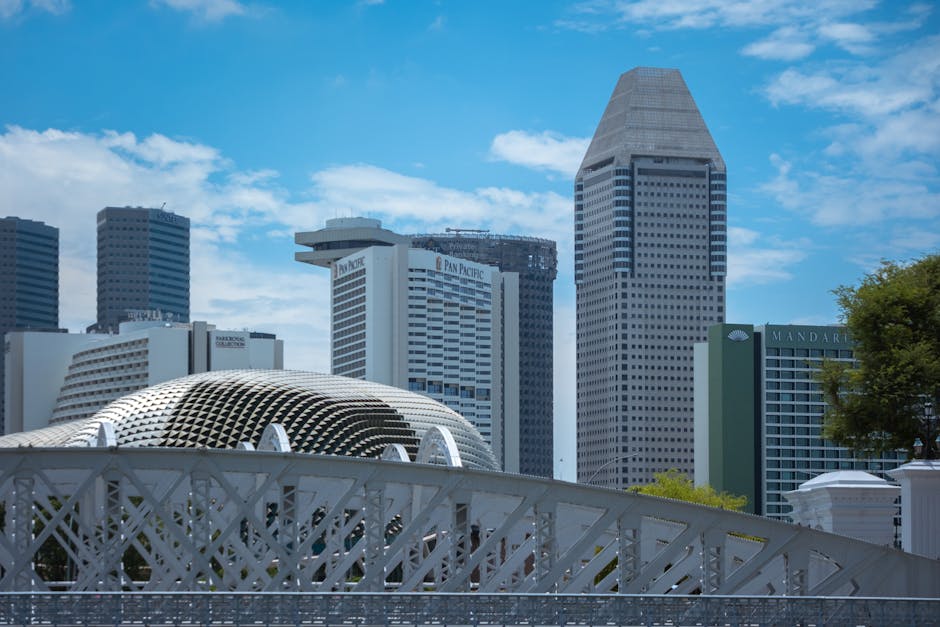
Singapore has a lot of stay options, but cheap and Singapore don’t always go together. That’s the honest truth. If you want to save money, stay in areas with good MRT access. That way, you won’t waste cash on taxis.
For budget travelers, Little India is a solid choice. It’s easy on the wallet, has lots of hostels and budget hotels, and food is cheap nearby. The area feels lively, but not in a fake tourist way. You’ll see real everyday life there.
Bugis is another good area. It’s central, well connected, and has a mix of hostels, mid-range hotels, and simple stays. I liked that it’s convenient without being ridiculously pricey. Chinatown is also practical. You’ll find lots of budget stays there too, and it’s easy to get around.
If you want a little more comfort, choose a mid-range hotel in Lavender, City Hall, or near Clarke Quay. These areas can cost more, but they save time. And in Singapore, time matters because transport is efficient and walking in the heat can get tiring fast.
For hostels, expect shared dorm beds from around SGD 25–50 per night, depending on season. Budget hotels usually start around SGD 80–150. Mid-range stays can jump to SGD 150–300 pretty quickly. Honestly, rooms in Singapore are often smaller than what you’d expect for the price. So read reviews carefully before booking. Some places look fine online, then the room feels like a storage closet. Been there.
If you’re traveling as a couple or with friends, an apartment-style stay can sometimes be better value. Just make sure it’s close to an MRT station. That makes life way easier.
What to Eat?
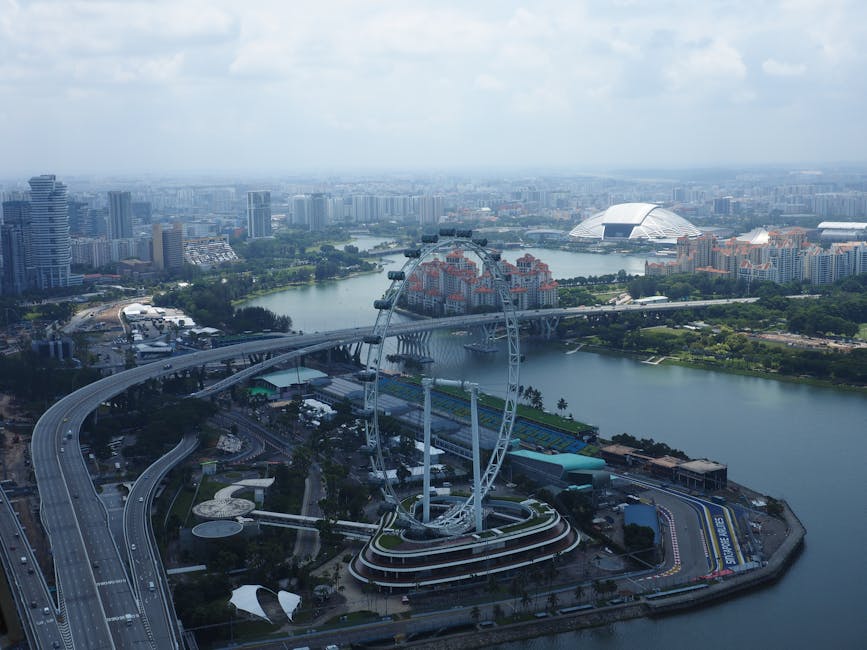
Food in Singapore is a big deal. Seriously, it’s one of the best parts of the trip. You don’t need fancy restaurants to eat well here. In fact, hawker centres are where the good stuff usually is.
Start with chicken rice. It’s simple, cheap, and everywhere. Some people hype it up too much, but honestly, when it’s good, it’s really good. Try Hainanese chicken rice at a hawker stall and compare a few places if you can.
Next up is laksa. It’s spicy, creamy, and comforting. I’d say it’s one of the best bowls you can get in Singapore. If you like noodles with coconut milk and a bit of heat, you’ll probably love it.
Chili crab is famous, but I’m being real here, it’s not budget food. It’s tasty, sure, but it can get expensive quickly. If you want to try it without spending too much, go with a smaller portion or split it with friends. Same goes for black pepper crab.
Satay is another easy win. Grilled meat, peanut sauce, and smoky flavour. Simple and good. I’d also recommend char kway teow, roti prata, fishball noodles, and wanton mee. These are cheap enough and easy to find at hawker centres.
Don’t skip kaya toast and soft-boiled eggs for breakfast. It’s old-school Singapore food, and it hits the spot with coffee or tea. Ya Kun and Toast Box are popular chains, but local coffee shops can be cheaper.
If you want a dessert, try chendol or ice kachang. They’re sweet, icy, and perfect when the weather feels like a sauna. Singapore is hot and humid most of the year, so cold desserts are not optional. They’re survival.
For budget eating, hawker centres are your best friend. Meals usually cost SGD 4–8. Food courts in malls are a bit pricier, but still manageable. Restaurant meals can go up quickly, so save those for one or two special meals if you want.
Best Time to Visit
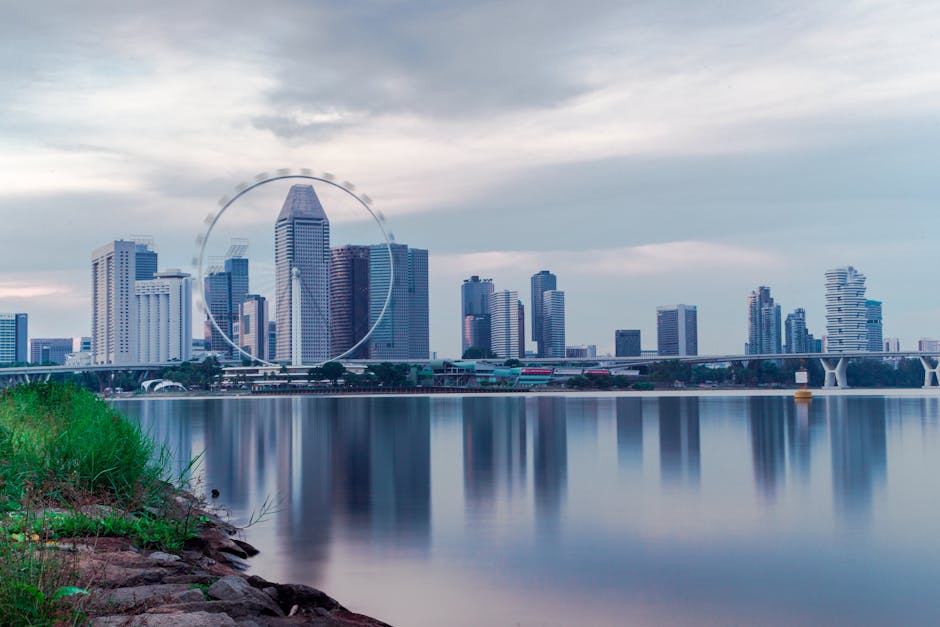
Singapore is warm all year. There’s no real winter. So when should you go? Honestly, it depends on what you can handle.
The best months are usually February to April. Rain is a bit lighter compared to some other months, and walking around feels slightly less annoying. That said, Singapore can rain at any time, so carry an umbrella anyway. The weather changes fast. One minute it’s sunny, then it’s pouring. Seriously.
June to August is also popular. Shopping festivals happen around then, and there are some events too. But it can feel hotter and more crowded. December is another busy time because of holidays and year-end travel.
If you want lower hotel rates, try going during shoulder months or outside major holiday periods. Avoid school holidays if you can. Prices jump. Attractions also get busier. To be fair, Singapore is well organized, so crowds are still manageable compared to many other places. But you’ll still notice them.
If you hate humidity, Singapore may test you. It’s not the kind of place where you can just stroll around for hours without sweating. Plan indoor breaks. Malls, museums, and MRT rides are your friends.
Budget (Indian Rupees)
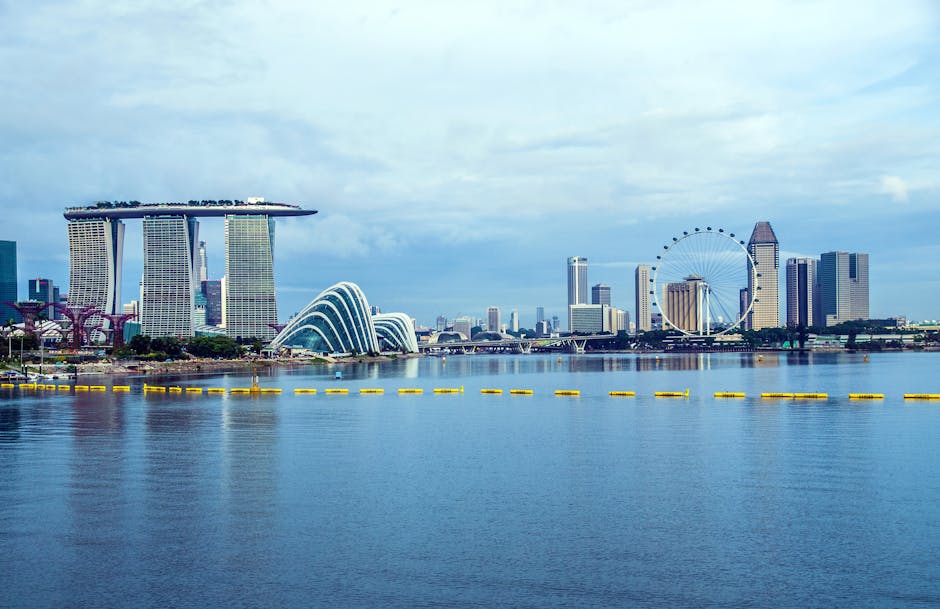
Singapore can be done on a budget, but you need to keep your expectations realistic. It’s not Thailand-cheap. It’s more like “smart planning or pain” territory.
Here’s a rough budget for an Indian traveler for 4 days and 3 nights:
Budget Traveler
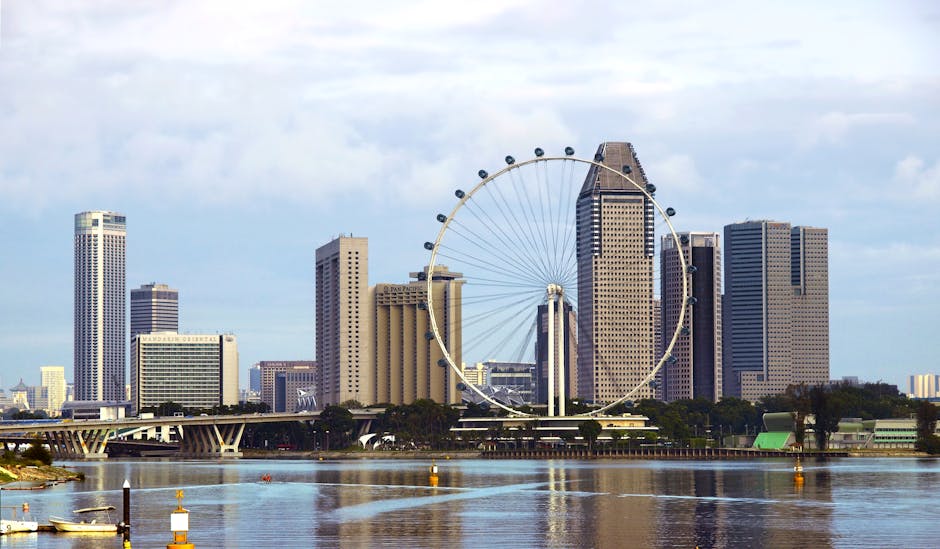
– Flights: ₹18,000–₹30,000 if booked early, sometimes more
– Stay: ₹2,500–₹5,000 per night in hostels or basic budget hotels
– Food: ₹800–₹1,500 per day if you mostly eat at hawker centres
– Transport: ₹300–₹700 per day using MRT and buses
– Sightseeing: ₹2,000–₹6,000 total depending on what you do
Total: Around ₹35,000–₹60,000 per person, excluding shopping
Mid-Range Traveler
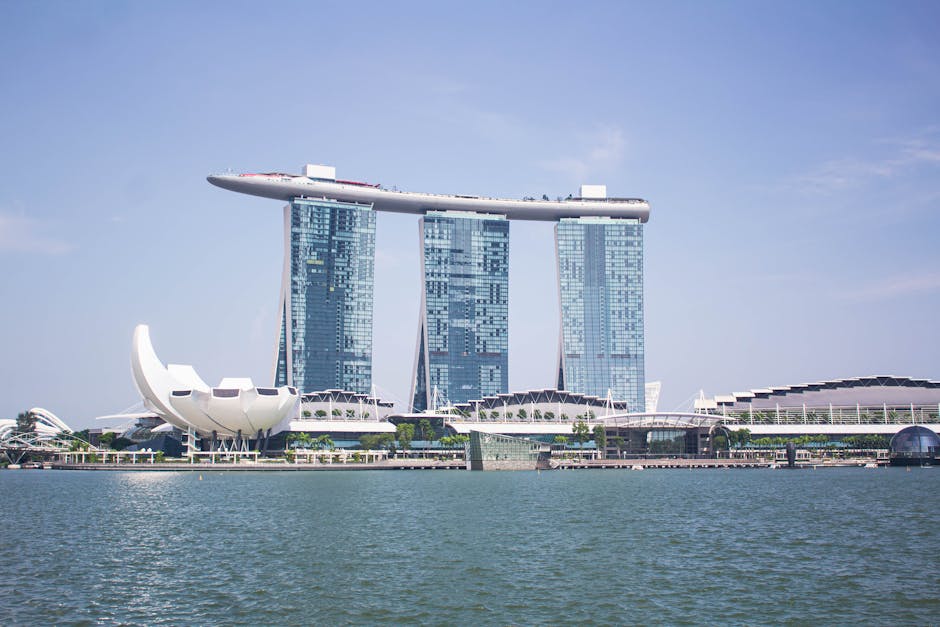
– Flights: ₹20,000–₹35,000
– Stay: ₹6,000–₹12,000 per night
– Food: ₹1,500–₹3,000 per day
– Transport: ₹500–₹1,000 per day
– Sightseeing: ₹5,000–₹12,000 total
Total: Around ₹70,000–₹1,20,000 per person
A few money-saving tips. Use the MRT instead of taxis. Taxis and ride-hailing are convenient, but they add up fast. Buy water from convenience stores instead of cafes. Eat at hawker centres. And don’t overpack your itinerary with paid attractions if you’re trying to stay on budget. Singapore has enough free things to keep you busy too.
Also, shopping can wreck your budget if you’re not careful. Orchard Road is tempting. Very tempting. If you’re the kind of person who says “I’ll just look,” be careful. That’s how budgets die.
Tips for First-Timers
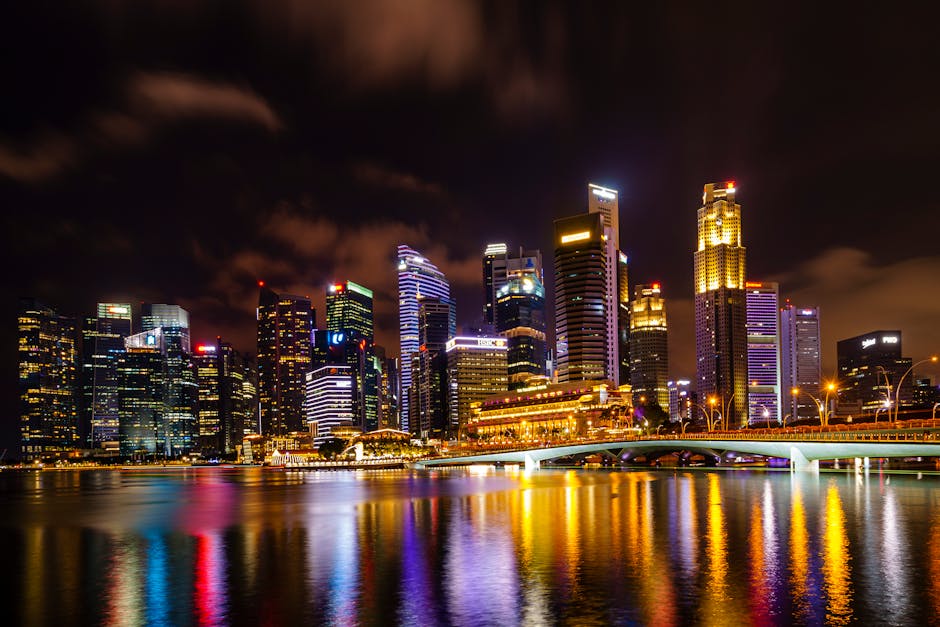
1. Use public transport. The MRT is clean, fast, and easy to figure out. Honestly, it’s one of the best parts of traveling here. Get an EZ-Link card or just use contactless payment if it works for your card.
2. Carry a bottle of water. The heat is no joke. You’ll be sweating more than you expect.
3. Dress light, but modestly for certain places. Singapore is casual, but some religious sites ask for covered shoulders or legs. Keep a scarf or light layer in your bag.
4. Don’t litter or eat in the wrong places. Singapore takes rules seriously. Fines are real. Don’t chew gum in weird ways, don’t litter, and don’t assume the city will be relaxed about everything.
5. Plan indoor and outdoor time together. Too much walking outside can get tiring. Mix in malls, museums, and food breaks.
6. Carry some cash, but not too much. Cards work in many places, but small stalls may prefer cash or local payment methods. Still, you won’t need a huge amount.
7. Book attractions in advance if you can. Popular spots can sell out or get pricier last minute.
8. Don’t overdo taxis. I’m saying this again because it matters. Taxis are fine, but they can quietly eat your budget.
9. Try local food, not just chain restaurants. The hawker centre experience is a big part of Singapore. If you skip it, you’re missing out.
10. Keep expectations real. Singapore is clean, efficient, and easy to travel in. But it’s also expensive, hot, and sometimes feels a bit too polished. That’s not a bad thing. It just is what it is.
FAQ
Is Singapore expensive for Indian travelers?
Yes, it can be. Flights and hotels are the biggest costs. But if you stay in budget areas and eat at hawker centres, you can manage it.
How many days are enough for Singapore?
3 to 5 days is a good amount. You can cover the main areas without rushing too much. If you want to shop a lot or do more day trips, stay longer.
Is Singapore safe?
Yes, very safe. It’s one of the easiest cities to travel in, especially for first-timers. Still, keep normal travel caution like you would anywhere else.
Can I visit Singapore on a low budget?
You can, but you’ll need to plan well. Use MRT, eat at hawker centres, and choose budget stays in areas like Little India or Bugis.
What’s the best way to get around?
MRT and buses. They’re reliable and cheap. Taxis are okay for late nights or when you’re tired, but don’t rely on them too much.
Is Singapore good for solo travelers?
Absolutely. It’s very easy to navigate alone. The city feels safe, and public transport is simple.
Do I need to book attractions in advance?
For some popular spots, yes. Gardens by the Bay, Sentosa activities, and some observation decks can be easier if booked ahead.
Singapore is one of those places that feels easy to visit but tricky on the wallet. That’s the honest version. If you plan well, eat smart, and use public transport, you can have a great trip without spending a fortune. And ngl, even the budget version of Singapore still feels smooth and well put together.
Plan Your Trip
Disclosure: This post contains affiliate links. If you book through them, we may earn a small commission at no extra cost to you.