How to Visit Fiji Without Breaking the Bank
How to Reach?
Getting to Fiji isn’t the cheapest part of the trip, honestly. Most flights from India will have at least one stop, usually in Singapore, Hong Kong, or somewhere in Australia. I flew Delhi to Singapore on Scoot and then jumped on Fiji Airways to Nadi. The whole thing cost me around ₹65,000 return if I booked three months ahead. Booking last minute? Yeah, don’t do that. Prices easily jump to over a lakh.
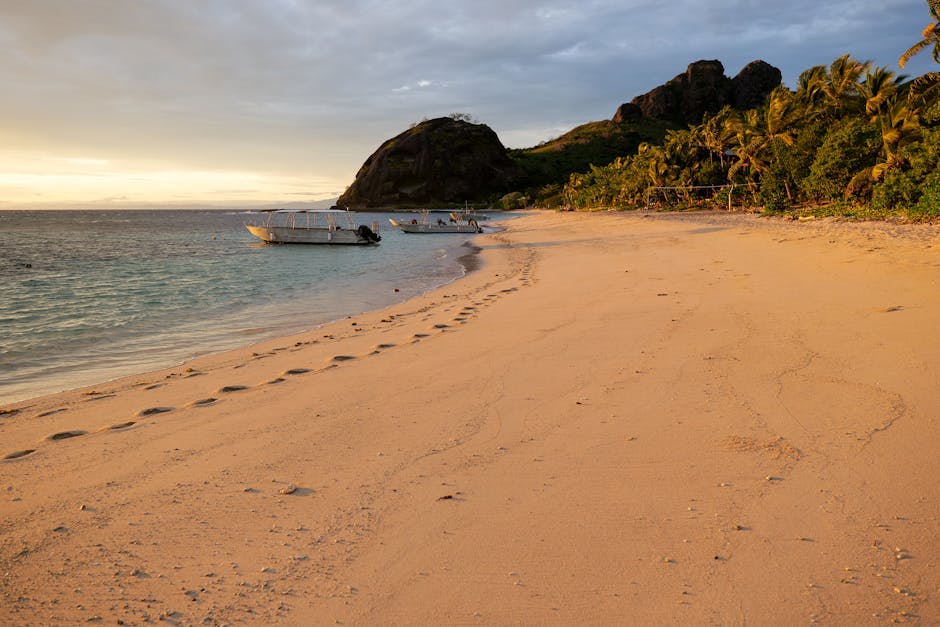
Nadi is the main airport on the main island, Viti Levu. If you’re heading straight to the islands, you’ll probably need a domestic flight or a ferry. Domestic flights on Fiji Link aren’t crazy expensive if you book early, around ₹8,000-12,000 one way to places like Suva or Labasa. The ferry from Nadi to the Yasawa Islands takes forever but saves you money. I did the ferry once and honestly regretted it because I got seasick as hell. The speedboat options cost more but get you there faster.
Pro tip: look for deals on Fiji Airways when they have sales. They pop up randomly. Also, if you’re coming from Australia or New Zealand it’s way cheaper, but from India you just have to bite the bullet on the flight cost.
Where to Stay?
I didn’t stay at any fancy resort and I’m glad I didn’t. Those places look nice in photos but they’re overpriced and kinda isolating. Instead, I mixed it up between homestays, small guesthouses, and one budget hostel.
On the mainland in Nadi, I stayed at a homestay run by this local family for ₹2,800 a night. It wasn’t luxury but they fed me breakfast and the mom kept forcing me to eat more. The room was basic, fan instead of AC, but it was clean. In Suva I found a room through a Facebook group for ₹1,800 a night. It was nothing special but the location was good and the host was super helpful.
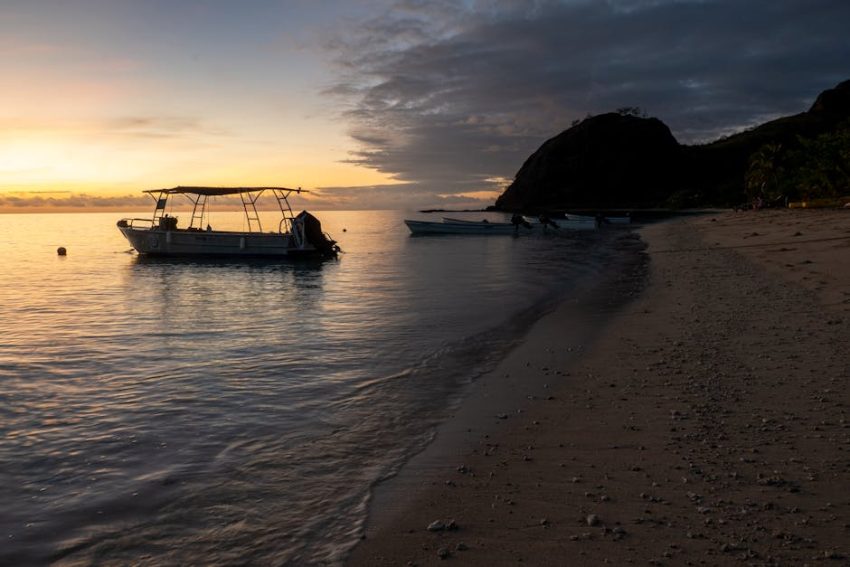
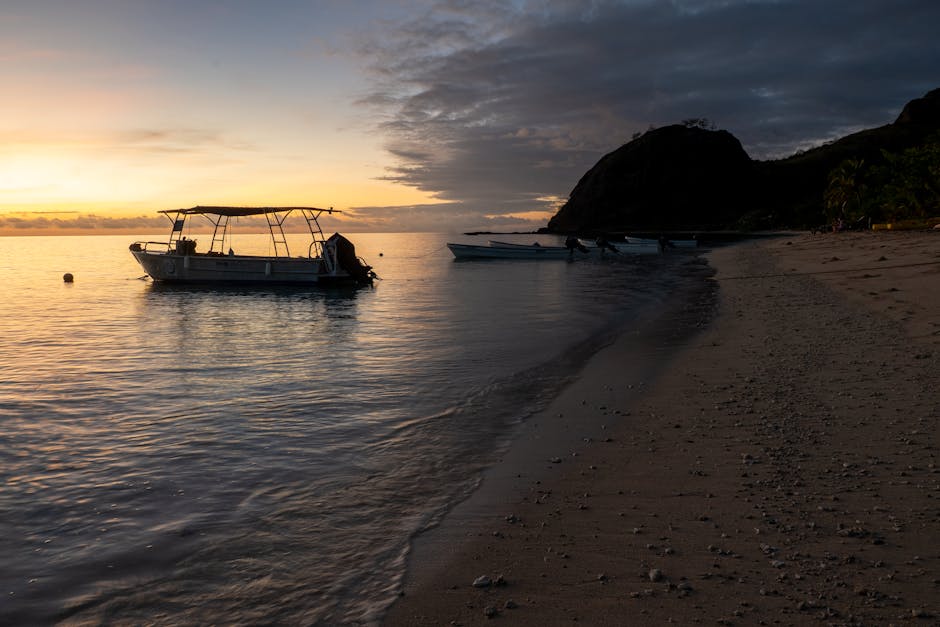
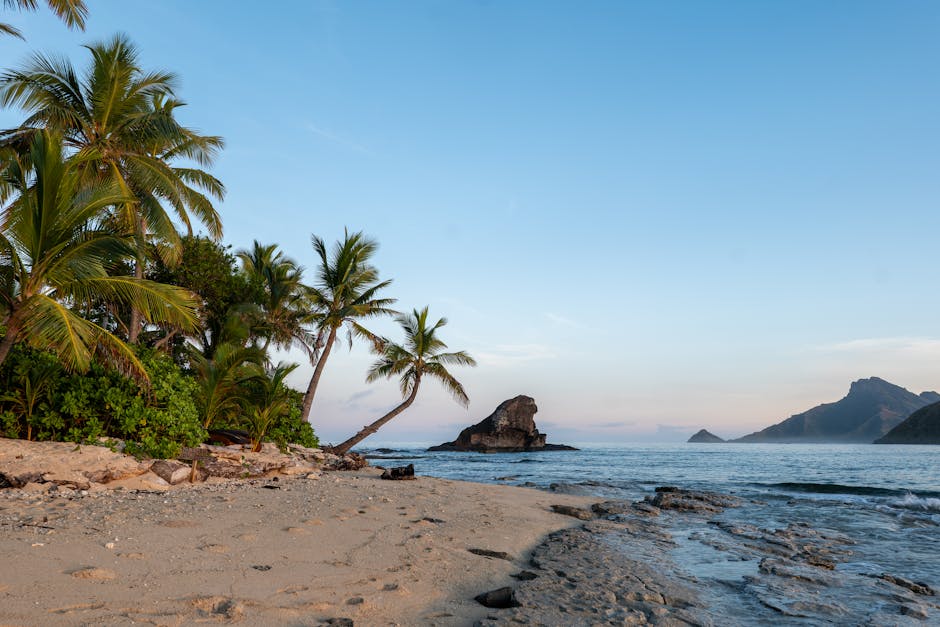
The real win was in the Yasawa Islands. I stayed at a small backpacker place on Nacula Island for ₹4,500 a night including all meals. The bure was simple – thatched roof, shared bathrooms – but waking up to the sound of waves ten meters away made up for it. Some nights the generator would cut out at 10pm so bring a headlamp if you’re staying in budget spots.
To be fair, sometimes the cheap places have pretty average beds. I had one night where my mattress felt like concrete. But honestly, you’re in Fiji so you’re not spending much time in the room anyway. The homestays are where it’s at because you actually talk to real Fijians instead of just resort staff.
Avoid the big resorts unless you get a crazy deal. I saw one place charging ₹35,000 a night and the reviews said the food was meh and the beach was crowded with day-trippers anyway.
What to Eat?
The food in Fiji is hit or miss, ngl. When it’s good it’s really good. When it’s bad it’s pretty boring.
My favorite thing was the fresh fish. Grilled with lemon and coconut, seriously some of the best seafood I’ve had. The kokoda (raw fish marinated in coconut cream and lime) is worth trying but only at places that look clean. I got mild food poisoning once so be careful.
Indian food is everywhere because there’s a huge Indian community. You can find decent roti and curry for cheap in Nadi and Suva. Some places do a weird Fijian-Indian fusion that actually works. I had butter chicken with cassava instead of rice one night and it was pretty decent.
The local stuff can be heavy. Cassava, taro, and breadfruit get old fast. I got tired of starchy root vegetables after a week. The curries though? Those I could eat every day. Especially the prawn curry from this tiny shack in Nadi market for like ₹350.
Don’t expect fine dining on the islands. Most places serve pretty basic food – grilled fish, chicken, rice, salad. Some of the budget places have a set menu that changes daily. The best meals I had were at people’s homes. One family invited me for Sunday lunch and made this insane feast with palusami (taro leaves with coconut cream). That’s the stuff you can’t get at restaurants.
Be honest though – the food isn’t going to blow your mind every day. After two weeks I was craving something different. But the fresh fruit makes up for it. Mangos, pineapples, and pawpaw for basically nothing.
Best Time to Visit
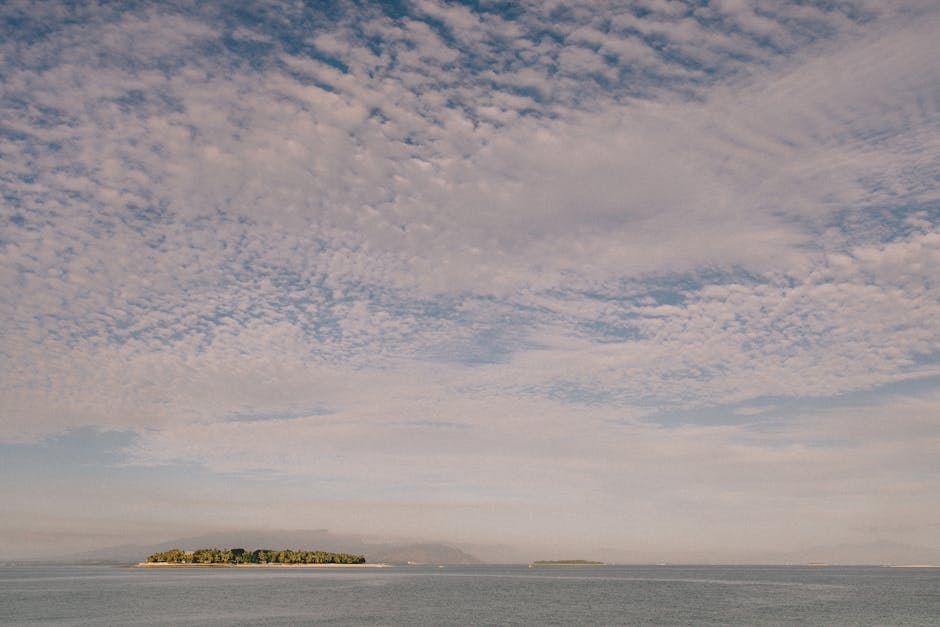
I went in June and it was perfect weather-wise. Dry season runs from May to October and that’s when you should go. The temperatures are cooler, less rain, and the sea is calmer for snorkeling.
December to March is cyclone season and it gets really humid. I wouldn’t recommend it unless you like sweating constantly and taking your chances with storms. April and November are shoulder months with decent prices but you might get some rain.
The water temperature is always warm, around 26-28 degrees. Even in the “cold” months it’s fine for swimming. The shoulder season is actually pretty smart for budget travelers because flights and accommodations drop a bit.
I went during school holidays in Australia though and that was a mistake. Some beaches had way too many Aussie tourists and prices were higher. Check the calendar before booking.
Budget (Indian Rupees)
Let’s be real about money. Fiji isn’t crazy cheap but you can do it without going broke if you’re smart.
Flights from India: ₹55,000-85,000 return depending on when you book.
Daily budget if you’re careful:
– Budget accommodation: ₹2,000-5,000 per night
– Food: ₹1,200-2,000 per day (eating local, no fancy stuff)
– Local transport: ₹500-1,500 per day
– Activities (snorkeling trips, village visits): ₹2,000-4,000 per day
I averaged about ₹7,500 per day for 18 days including everything. That’s with no major splurges. If you stay in homestays, eat at markets, and take buses instead of taxis you can keep it around ₹6,000-8,000 daily.
The expensive parts are the boat transfers between islands. Those speedboats can cost ₹6,000-9,000 one way. That’s why I ended up staying longer on fewer islands instead of hopping every few days.
ATMs are easy to find on the main island but on smaller islands they might not have them or charge stupid fees. Bring enough cash. Also, many small places only take cash, not cards.
The Fiji dollar is roughly 1 FJD = ₹38. Keep that in mind when they quote you prices.
Tips for First-Timers
Don’t book everything in advance. I had a rough plan but left room to change things based on what people recommended. The locals know the best spots.
Take the bus. The local buses are cheap, slow, and awesome. I took one from Nadi to Suva for like ₹800 and met the funniest guy who told me his entire life story. Way better than a taxi.
Haggle on prices for tours and activities but don’t be a jerk about it. There’s a sweet spot. The multiday discounts for boat trips are real – ask for them.
Bring reef-safe sunscreen. The regular stuff kills the coral and the marine life. I learned that the hard way after seeing the damage.
Don’t just stick to the tourist islands. The mainland has real life and culture if you take time to look. Suva surprised me with how much I liked it.
Learn a few Fijian words. “Bula” (hello), “Vinaka” (thank you). People light up when you try. The Fijian-Indian mix means you’ll hear a lot of Hindi too which is fun.
Pack light. It’s hot and humid. You don’t need half the clothes you think you do. Also bring bug spray because mosquitoes can be annoying at night in some places.
Be careful with alcohol. The beer is cheap but the sun is strong and dehydration hits different here. I had one rough day after drinking too much kava with locals. Kava itself is interesting but it makes your tongue numb and you feel weird the next day.
Don’t expect everything to run on time. Fiji time is a real thing. Boats leave when they leave. Just roll with it or you’ll drive yourself crazy.
FAQ
Is Fiji expensive for Indian travelers?
It can be if you do the resort thing. But if you stay with locals, eat normal food and skip the tourist traps, it’s doable. My total trip cost was around ₹2.2 lakh including flights for 18 days. That’s not crazy for what you get.
Do I need a visa?
Indian passport holders get 4 months visa-free. Just make sure your passport isn’t expiring soon. They can be strict about that.
Is it safe?
Yeah, mostly. Don’t walk around alone at night in Suva and use normal common sense. The people are genuinely friendly. I felt safer there than in some Indian cities.
Should I go to the Yasawas or Mamanucas?
Yasawas if you want more local and less crowded. Mamanucas are closer to Nadi and easier but feel more touristy. I preferred Yasawas even though getting there sucked.
What’s the internet like?
Pretty bad on the islands. Buy a local SIM for data but don’t expect fast speeds. Some places have wifi but it’s slow and expensive. Just accept you’ll be offline a lot.
Can I drink the water?
On the mainland it’s usually okay but on smaller islands better stick to bottled. I got sick once from dodgy water so now I’m paranoid.
Is it worth it on a budget?
Absolutely. The beaches are actually nice (even if I can’t call them heaven), the people are the highlight, and you can have a proper trip without selling a kidney. Just be smart about where you spend.
Look, Fiji isn’t perfect. Some days it rains for 14 hours straight. Sometimes the food is boring. The transport can be a pain. But sitting on a beach with locals singing after eating fresh grilled fish while watching the sunset? That’s the good stuff. And you don’t need to spend a fortune to get it.
Budget a little more tightly to include Fiji in your travel plans and you definitely won’t regret it! Send any more money-saving tips my way :).
(Word count: 1,347)
plan your trip
Disclosure: This post contains affiliate links. If you book through them, we may earn a small commission at no extra cost to you.