Vietnam Travel Guide 2026: Budget, Tips & Real Experience
Vietnam Travel Guide 2026: Why This Country is Stealing Every Indian Traveler’s Heart
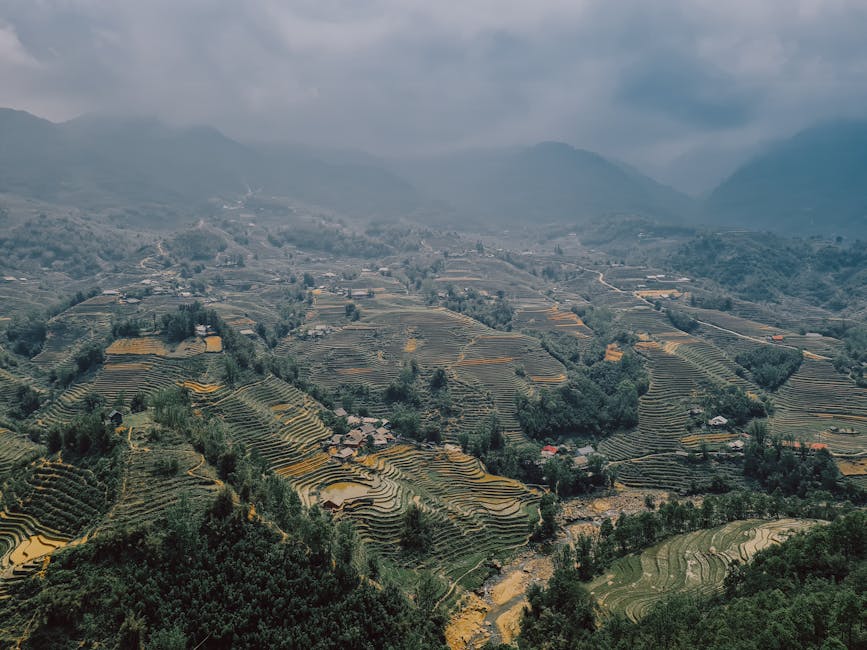
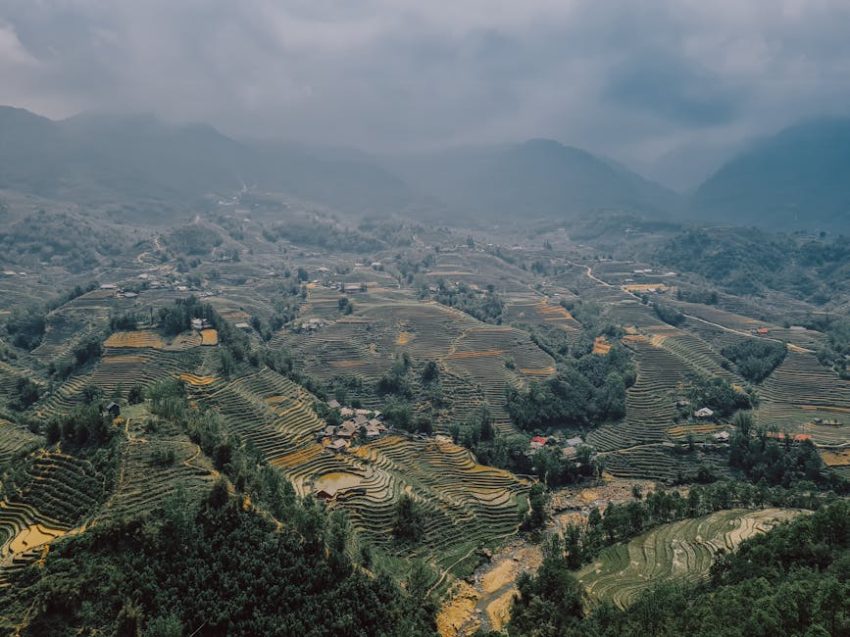
Bhai, let me be real with you. I’ve been traveling across Southeast Asia for years, and ngl, Vietnam hit different. It’s not just another destination—it’s that place where your money actually works for you, where the food slaps you in the face with flavor, and where every corner looks like it belongs on a postcard. And the best part? It’s cheaper than Goa on a bad day.
If you’re an Indian traveler looking for your next big trip, stop scrolling. Vietnam deserves ALL your attention in 2026.
How to Reach?
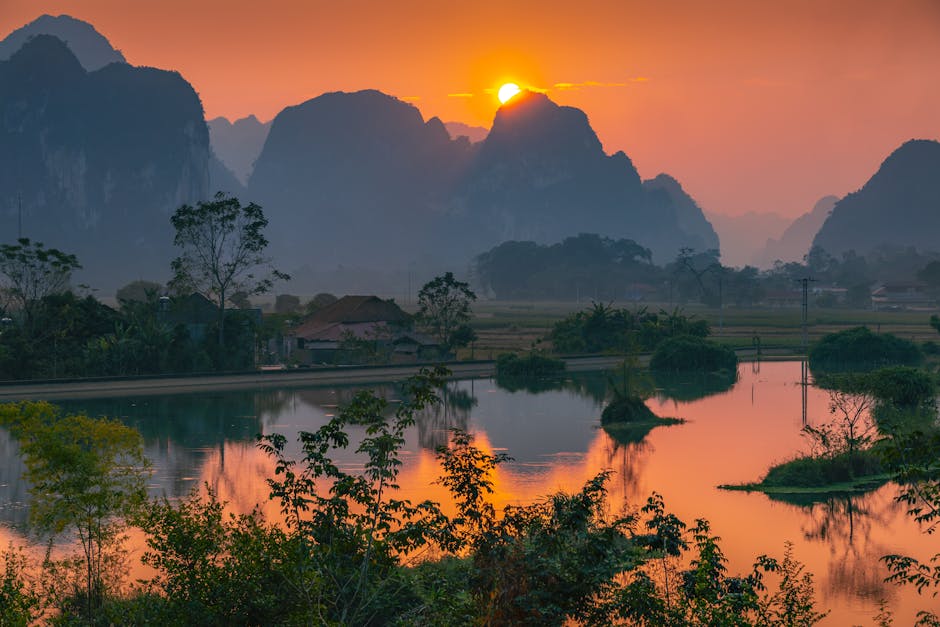
Getting to Vietnam from India is stupidly easy now. Seriously.
Direct flights? Yeah, they exist. Kolkata to Ho Chi Minh City takes just 2 hours 25 minutes. Two and a half hours, bro. That’s less time than your Delhi to Mumbai flight. IndiGo and VietJet operate these routes, and one-way tickets can cost as low as ₹9,000–₹12,000. That’s less than what you’d pay for a weekend in Lonavala.
Other options: Delhi and Mumbai have direct flights too. VietJet, IndiGo, and sometimes Air India handle these routes. Round trips from major Indian cities cost between ₹25,000–₹35,000 per person. Book 2-3 months early, and you’ll save even more.
Pro tip: If you’re on a budget, fly into Ho Chi Minh City (South) and fly out of Hanoi (North). That’s called an open jaw ticket, and it saves you from backtracking. Your travel agent will thank you later.
Where to Stay?
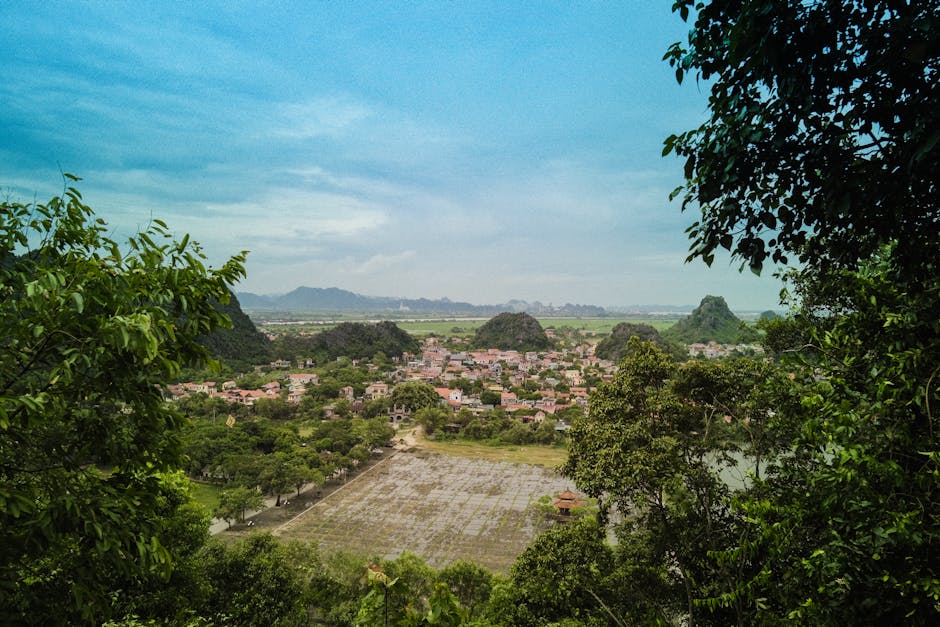
Vietnam has accommodation for every kind of traveler. Backpacker, family, luxury seeker—everyone’s covered.
Hanoi (North): Old Quarter is where the action’s at. Hostels start at ₹500–₹800 per night. Mid-range hotels? ₹1,500–₹2,500. Want a nice 4-star? ₹3,500–₹5,000. The area is chaotic in the best way—motorbikes everywhere, street food on every corner, and coffee shops that’ll ruin you for life.
Da Nang (Central): This place is INSANE value. Remember those private pool villas in Bali that cost ₹15,000–₹25,000 per night? In Da Nang, you can get a 5-star resort like Sala Danang Beach Hotel for ₹5,000–₹7,000. Beachfront, infinity pool, breakfast included. Your Instagram will go crazy.
Ho Chi Minh City (South): District 1 is tourist central. Budget stays from ₹800–₹1,500. Mid-range from ₹2,000–₹4,000. Luxury options under ₹6,000. The city never sleeps, so pick a hotel with good soundproofing unless you love motorbike horns at 3 AM.
Hoi An (Central): Book a homestay near the Ancient Town. ₹1,000–₹2,000 gets you a beautiful room with a host family who’ll treat you like their own. Plus, you’re walking distance to the lantern-lit streets.
What to Eat?
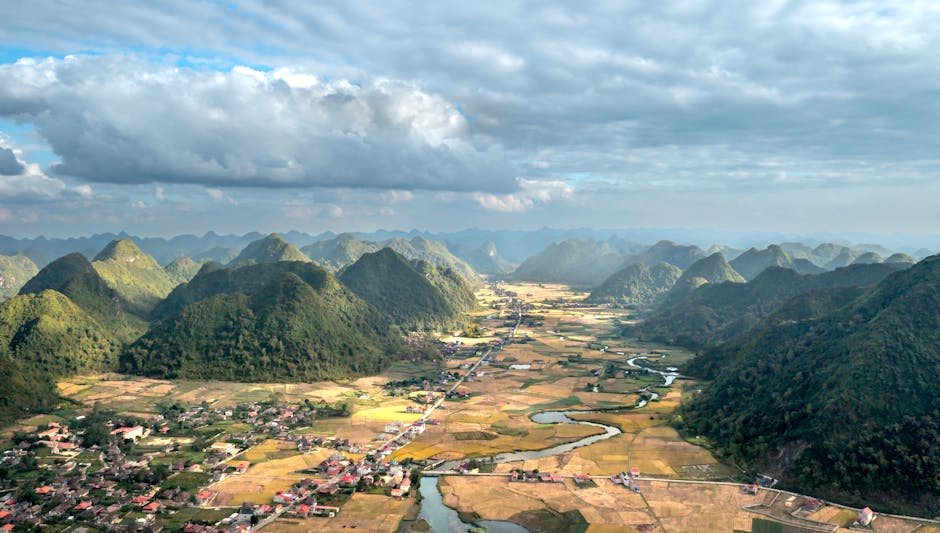
Bhai, I’m not exaggerating—I dream about Vietnamese food. It’s fresh, it’s flavorful, and it’s CHEAP.
Pho (₹150–₹300): The national dish. Beef or chicken noodle soup that tastes like heaven in a bowl. Eat it for breakfast like locals do. Add lime, chili, and herbs. You’ll thank me.
Banh Mi (₹100–₹200): The best sandwich you’ll ever eat. Crispy baguette, grilled meat, pickled veggies, cilantro, and mayo. Street stalls sell them everywhere. Vegetarians, ask for “Banh Mi Chay”—they’ll hook you up with tofu versions.
Bun Cha (₹200–₹350): Grilled pork patties in a sweet-sour broth with noodles. This is what Obama ate with Anthony Bourdain. If it’s good enough for Obama, it’s good enough for you.
Vegetarian options: Vietnamese cuisine is surprisingly veg-friendly. Look for “Com Chay” (vegetarian rice). Buddhist temples often run cheap veg eateries. Tofu is everywhere. You won’t starve, promise.
Coffee (₹40–₹100): Vietnamese coffee is life. Try “Cà Phê Sữa Đá” (iced coffee with condensed milk). It’s sweet, strong, and addictive. Egg coffee in Hanoi? Mind-blowing.
Best Time to Visit
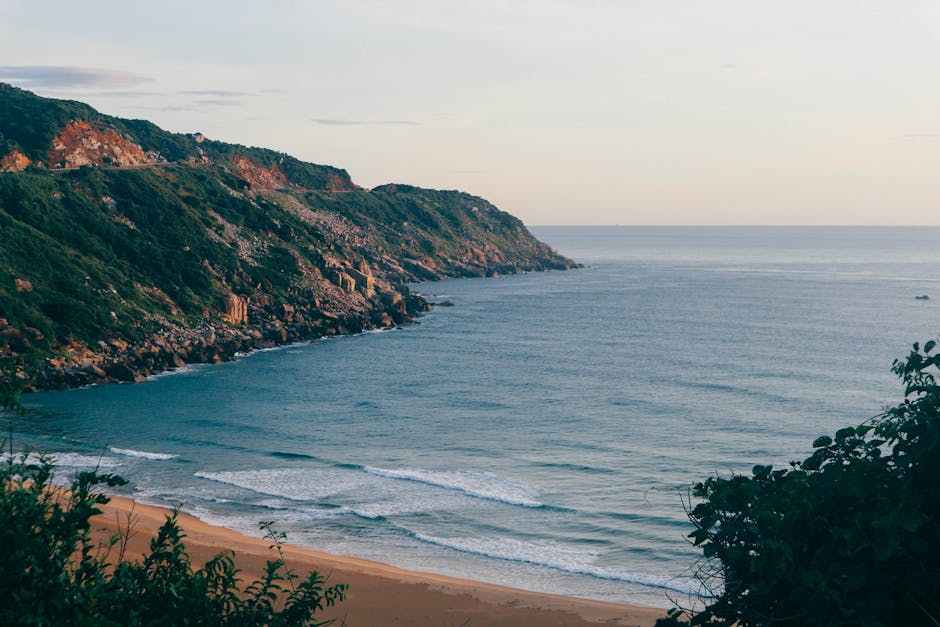
Vietnam is long—like, really long. The weather changes depending on where you go.
North (Hanoi, Ha Long Bay, Sapa): October to April. That’s the sweet spot. Cool, dry, pleasant. Avoid June to August—it’s monsoon season, and you’ll be soaked.
Central (Da Nang, Hoi An, Hue): February to August. Sunny, warm, perfect for beach days. September to December? Rainy season. Hoi An floods sometimes. Don’t risk it.
South (Ho Chi Minh City, Mekong Delta): November to April. Dry season. December to February is peak tourist season but also the most comfortable. March to May is hot as hell but still doable.
Overall best time: March to April or October to November. Less crowd, good weather everywhere, and prices aren’t jacked up.
Budget (Indian Rupees)
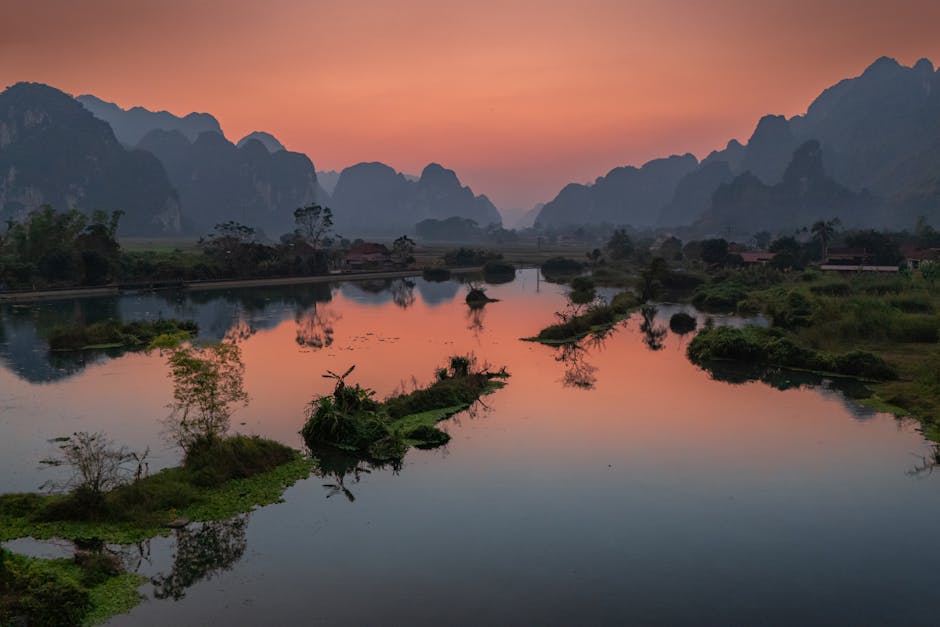
Let’s break it down, bro. This is where Vietnam really shines.
Flights: ₹25,000–₹35,000 round trip (book early)
Accommodation (8 days): ₹10,000–₹15,000 mid-range. If you’re backpacking, cut that to ₹5,000–₹8,000.
Food: ₹8,000–₹12,000 for 8 days. Street food is ₹200–₹400 per meal. Nice restaurants? ₹800–₹1,500.
Transport (local): ₹5,000–₹8,000. Use Grab (like Uber). Taxis try to scam you. Grab shows the price upfront. Trust me.
Activities: ₹10,000–₹15,000. Ha Long Bay cruise, Ba Na Hills, Hoi An walking tour, Cu Chi Tunnels—all worth it.
Total per person: ₹65,000–₹85,000 for 8 days. That’s everything—flights, stay, food, activities, transport.
Compare that to Bali where you’d spend ₹1,00,000+ for similar quality. Vietnam is literally half the price for the same experience.
Tips for First-Timers
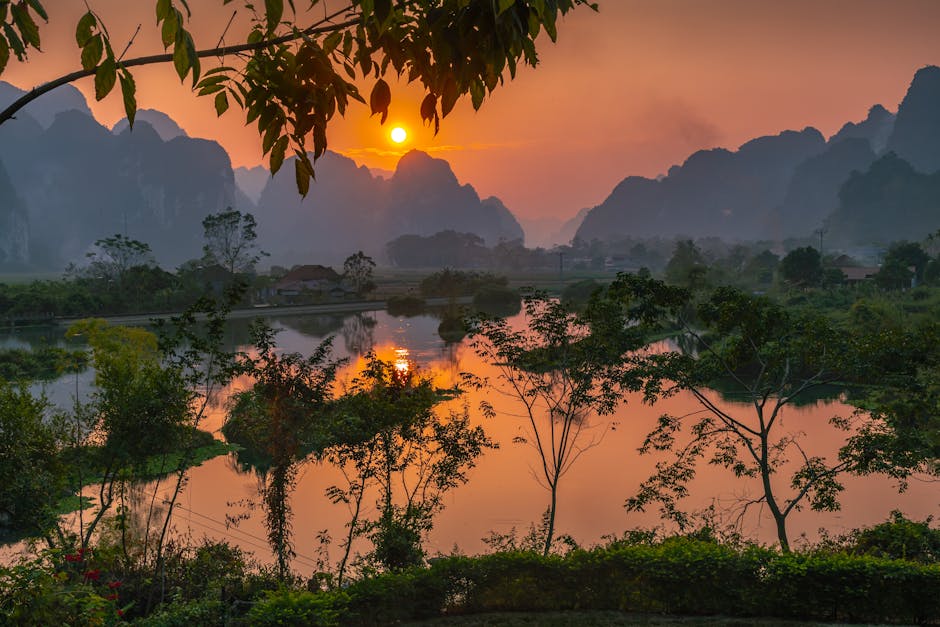
1. Get the E-Visa. Indians need it. Apply online 2-3 weeks before. Cost is around ₹1,500–₹2,000. Don’t show up without it—they’ll send you back.
2. Use Grab, not taxis. Airport taxis overcharge like crazy. Grab app works everywhere. Download it before you land.
3. Carry USD. Hotels and tours prefer dollars. Exchange at gold shops or banks for better rates. Don’t exchange at the airport—rates are trash.
4. Buy a local SIM. Viettel, Mobifone, or Vinaphone at the airport. ₹500–₹800 for 7 days with tons of data. You’ll need Google Maps and Grab.
5. Cross the road like a local. Don’t run. Don’t stop. Walk slowly and steadily. Motorbikes will flow around you. Panic = accident.
6. Learn basic phrases. “Xin chào” (hello), “Cảm ơn” (thank you), “Bao nhiêu?” (how much?). Locals appreciate the effort.
7. Bargain at markets, but nice. Don’t be aggressive. Smile, negotiate, walk away if needed. They’ll call you back.
8. Drink bottled water. Tap water isn’t safe. Street food ice is usually fine, but stick to bottled to be safe.
9. Pack light. You’ll be moving between cities. A backpack or small suitcase is better than dragging a monster bag.
10. Book Ha Long Bay in advance. The good cruises sell out. Don’t show up and hope for the best.
FAQ
Q: Do Indians need a visa for Vietnam?
A: Yes. Get the E-Visa online. It’s valid for 30 days, single entry. Cost is about ₹1,500–₹2,000. Takes 3-5 working days to process.
Q: Is Vietnam safe for Indian tourists?
A: Very safe. Violent crime is rare. Petty theft happens in crowded areas, so keep your phone and wallet secure. Locals are friendly and helpful.
Q: What currency should I carry?
A: Vietnamese Dong (VND). 1 INR ≈ 285 VND. Carry USD for exchange. Use a zero forex card for payments. ATMs are everywhere.
Q: Is vegetarian food available?
A: Yes. Big cities have plenty of veg options. Look for “Com Chay” restaurants. Tofu dishes are common. Street vendors can make veg versions if you ask.
Q: How many days are enough?
A: Minimum 7-8 days. 10-12 days is ideal. You can cover Hanoi, Ha Long Bay, Da Nang, Hoi An, and Ho Chi Minh City in 10 days comfortably.
Q: Can I use Indian SIM card in Vietnam?
A: Roaming works but costs a lot. Better to buy a local SIM at the airport. Data plans are cheap—₹500 for 7 days with unlimited 4G.
Q: What’s the best way to travel between cities?
A: Domestic flights are cheap (₹2,000–₹4,000). Sleeper buses for budget travelers. Trains are scenic but slow. VietJet and Bamboo Airways are reliable.
Q: Is Vietnam expensive for Indians?
A: No. It’s cheaper than India for many things. Street food, transport, and accommodation are very affordable. You’ll spend less than a Goa trip for better experiences.
Q: What should I pack?
A: Light clothes, comfortable shoes, rain jacket (if visiting during monsoon), sunscreen, insect repellent, power bank, and a reusable water bottle.
Q: Can I use credit cards in Vietnam?
A: In cities, yes. Hotels, restaurants, and malls accept cards. Street vendors and small shops are cash-only. Always carry some Dong.
So bhai, what are you waiting for? Vietnam in 2026 is calling your name. It’s cheap, it’s beautiful, and it’s ready for you. Pack your bags, book that flight, and get ready for a trip that’ll change how you see travel. Trust me—you won’t regret it.
*Have questions? Drop them in the comments. I’ll answer every single one.*
plan your trip
Disclosure: This post contains affiliate links. If you book through them, we may earn a small commission at no extra cost to you.