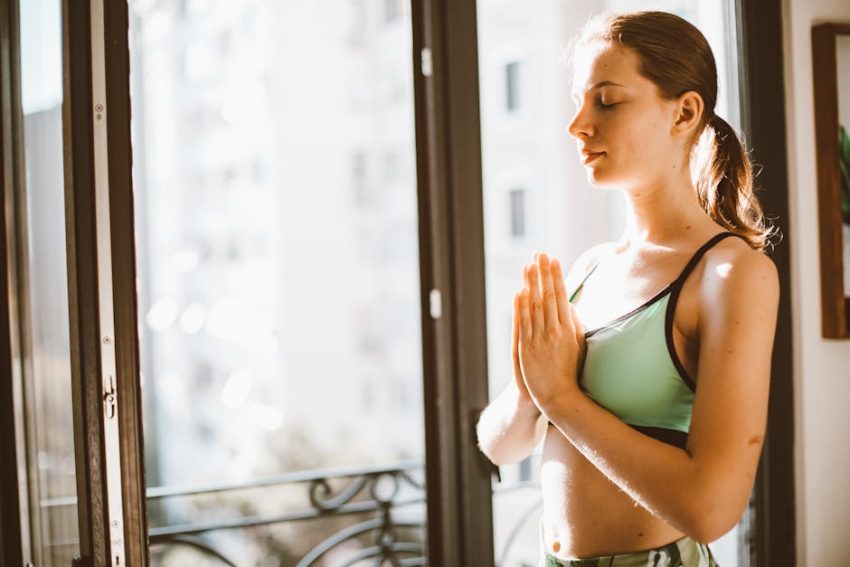
There’s this moment—just before sleep takes you, or right when you’re coming back from it, still half in a dream—when your breath doesn’t feel like your own. It moves through you like something wild that never learned how to sit still. You’re not doing it. It’s doing you. And in that tiny slip, that quiet surrender, something old—older than your bones—wakes up. I spent years chasing stillness. Meditating like I was training for a marathon. Praying like someone up there might answer. Walking through quiet woods, hoping silence could patch me up. But it wasn’t until I stopped trying to quiet my mind and just… listened to my breath… that I felt it. A whisper. Not in my ears. Deeper. In the bones. Like walking into a house you didn’t even know you’d left.
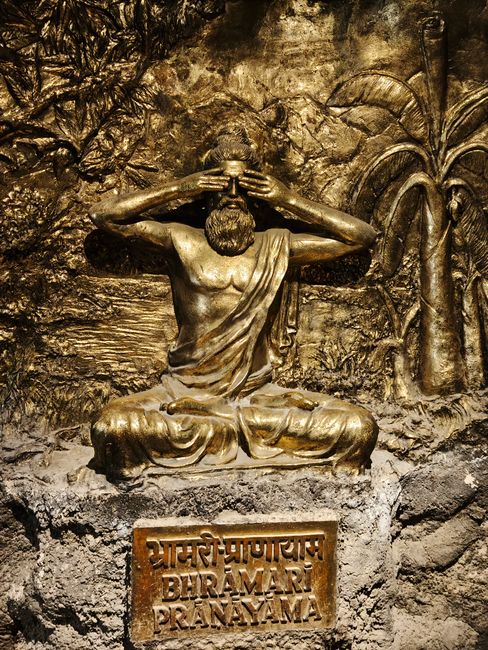
We talk about breath like it’s just air in, air out. Oxygen. Biology. Sure. But what if it’s also memory? Not just the memory of your first cry when you came into the world, or your mom humming between breaths when you were little. But something wider. A hum that runs under everything alive—a language before words. I’m not trying to sound poetic. I mean it: when you really pay attention to your breath, you’re speaking a dialect the universe already knows. It recognizes your voice.
The Body Remembers Before the Mind Catches On
I learned this the messy way. A few winters ago, grief moved into my chest. Not with fanfare. No tears, no breakdowns. Just… a slow thickening. Like my ribs were turning to stone. Doctors checked everything. Said I was fine. I tried therapy. Journals full of scribbles. Even drank those bitter herbal tinctures that taste like dirt and good intentions. Nothing touched the weight. Then one night, at a silent retreat in northern New Mexico—no electricity, just stars and cold wooden floors—a teacher said, quiet as anything: ‘Let your breath say what you can’t.’
I sat on a splintery bench, eyes shut, and tried. At first, it was stiff. Inhale four. Hold four. Exhale six. Robot stuff. But after a while… something shifted. My exhale got longer. Shaky. Uneven. Then—out of nowhere—a sob rose. Not from my throat. From deep in my gut, like the breath had pulled it up from some dark well I didn’t know I was carrying. I didn’t plan it. Didn’t invite it. The breath brought it. And I realized: my body had been holding grief my mind wouldn’t name. The breath wasn’t just moving air. It was translating.
That’s what I mean when I say breath is a language. Not with words. With rhythm. With depth. With the tiny pause between breaths—where nothing moves, and everything’s listening. When you slow down enough to feel that gap, you touch a silence that isn’t empty. It’s full. Full of presence.
The Pulse That Runs Under Everything
After that night, I started reading about pranayama. Not because I wanted to ‘hack’ my breathing for focus or calm—though, yeah, those help—but because I sensed there was a grammar to it. In yoga, prana isn’t just breath. It’s life-force. The hum under everything. And ayama means extension. Or mastery. But I don’t think mastery here means control. It means alignment. Like, when you shape your breath, you’re not bossing it around. You’re tuning in. Matching a frequency that’s been playing all along.
There’s this breath I keep coming back to: ujjayi. The ocean breath. You tighten the back of your throat just a little, so the breath sounds like waves pulling back over stones. When I do this, especially in the dark before dawn, I don’t feel alone. I feel… connected. Not in some vague ‘we are one’ way. But like when you’re in separate rooms, and you and someone else start humming the same tune without realizing it. The rhythm becomes a thread. And if you follow it far enough, you realize it’s not yours. It’s the rhythm of trees swaying. Of blood moving. Of continents shifting over ages. It’s the same pulse that drags the moon toward the sea.
Scientists might call it resonance. Mystics might call it oneness. I call it home.
Breathing Back
I used to think spiritual stuff was about receiving—peace, clarity, grace. But breath taught me it’s also about giving. Every time I exhale, I give carbon dioxide to the trees. They give me oxygen in return. It’s a quiet pact, written in molecules and moments. When I remember this—when I thank the air as I inhale, when I offer my breath back on the exhale with real intention—I’m not just surviving. I’m part of it. I’m in the dance.
And that changes everything. Suddenly, breath isn’t private. It’s shared. It’s political, even. How can I hurt the air, knowing it carried my grandmother’s last breath, or the first breath of a child not yet born? How can I ignore the wildfires, the smog, the kids in cities coughing through the night, when I know my breath is borrowed from the same sky?
I’ve started a tiny ritual: every morning, before I speak, before I touch my phone, I stand at the open window and breathe with the world. I imagine my exhale weaving into the wind—carrying my thanks, my sadness, my hope. I don’t know where it goes. I just know that when I do this, I feel less like a separate ‘me’ and more like a syllable in a long, long sentence.
That’s the thing about language—it only lives when it’s shared. And breath, at its root, might be the first language. Before speech. Before names. It’s the first sound we make, and the last. And if you listen—really listen—it might be whispering who you’ve always been.
For more on how breath shapes the way we feel and think, there’s a solid write-up in the Stanford Encyclopedia of Philosophy on embodied cognition. And if you’re curious about weaving breath into the small seams of daily life, I’ve written about gentle, real-world practices at Punyapaths.com.
You might be thinking: Can breath really connect us to something bigger? I don’t know. But here’s what happened last week: my neighbor—this woman I’ve barely spoken to in ten years—knocked on my door. She’d seen me at the window, eyes closed, hands on my belly, breathing slow. She said, ‘I don’t know why, but I felt calmer just watching you. Like I could breathe again.’
Maybe that’s enough proof.
What if you tried it? Just five breaths. Really felt. Not to fix anything. Not to ‘be peaceful.’ Just to remember: the air remembers your name.