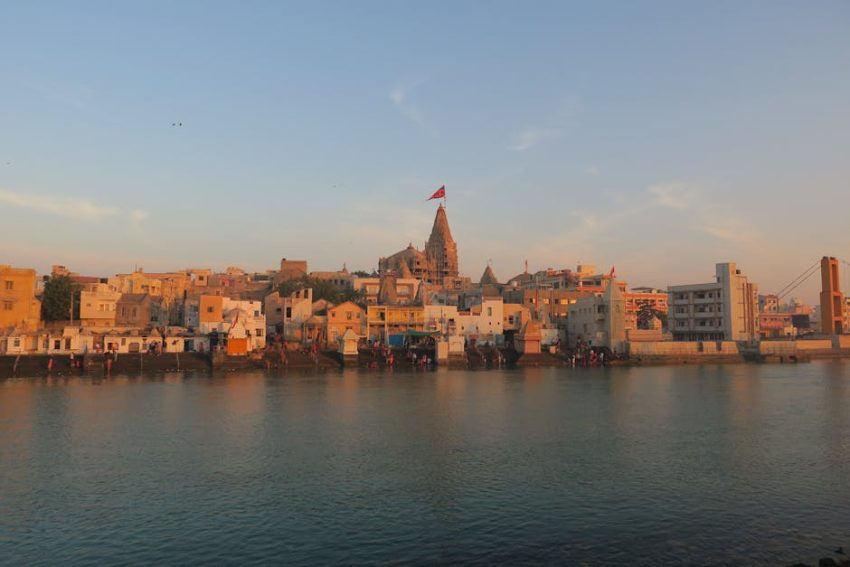
Okay, so. Dwarka. Lord Krishna’s actual city. I finally went. And honestly? It was equal parts chaotic, holy, and surprisingly chill. Let me just dump my brain here before I forget everything.
Pehle, kaise pahuncha? (The “How I Got There” Saga)
I took the train from Ahmedabad. Shatabdi. Super comfortable, AC, chai wallah comes by every 20 minutes. But here’s the thing – the train doesn’t go into Dwarka. It stops at Dwarka station, which is like, 2-3 km from the main temple. Half the train empties out, and suddenly it’s a sea of pilgrims, everyone carrying little steel containers of prasad and looking very serious. You can also fly to Jamnagar (closest airport, 2.5 hours drive) or take a bus. But train is the vibe. The moment you step out, the air changes. It’s salty, slightly fishy (because of the nearby sea), and thick with the smell of incense and fried stuff. My phone signal died for a solid 10 minutes. I think that’s the city’s way of saying “Chill, you’re here now.”
Dwarkadhish Temple – The Main Event (And The Queue)
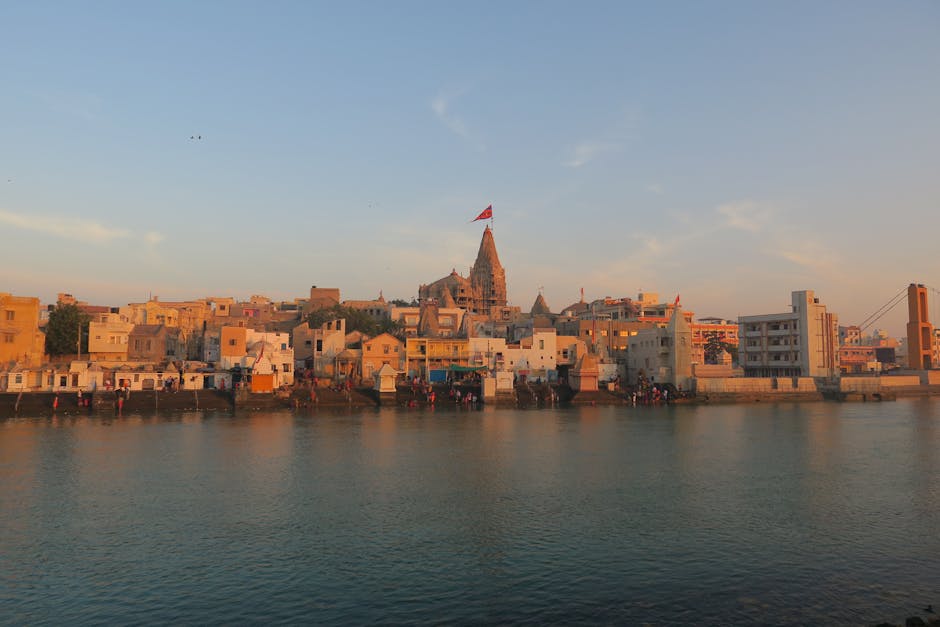
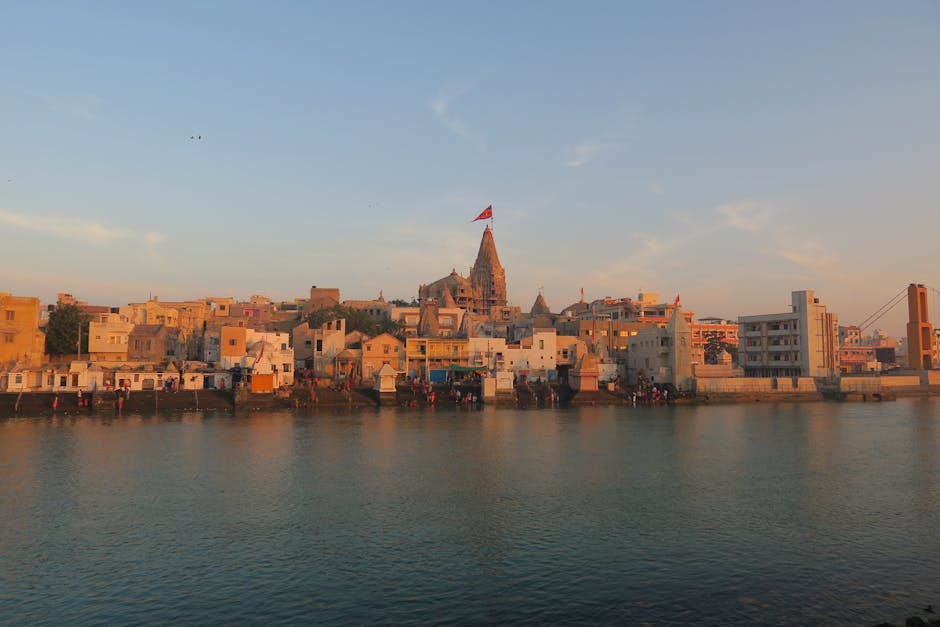
Okay, so this temple. It’s not a single building. It’s a whole complex. Jagmandir (the main sanctum) is this 5-storey structure with a huge flag on top. That flag? It’s changed multiple times a day. Apparently, it’s a tradition that’s been going on for centuries. The spire is called the Shikhar, and it’s covered in carvings. I tried to count the figures, gave up after 12. Too many gods, too many stories. Now, the queue. Haan bhai, woh queue. It’s legendary. I went on a random Wednesday (not even a festival day), and I still waited 1.5 hours. No shade. Just standing in a winding line of sweaty uncles, crying babies, and old ladies who walk faster than me. Pro tip: Keep your shoes in a bag. The shoe stand outside is a black hole – you’ll never find your chappals again. But then, you finally get inside. The main deity – Lord Krishna as the King of Dwarka – is this small, dark idol. He’s got a moustache. I don’t know why, but it threw me off. I expected a flute-playing, butter-stealing kid. Instead, I got a serious-looking king. The priests are fast. Chalo, chalo, aage badho. 2 seconds of darshan, and you’re pushed out. But for those 2 seconds, my mind went completely blank. No thoughts. Just “Okay, I’m looking at Krishna.” It felt real. Raw. No Instagram filter.
Bet Dwarka – The Ferry Ride From Hell (And Heaven)
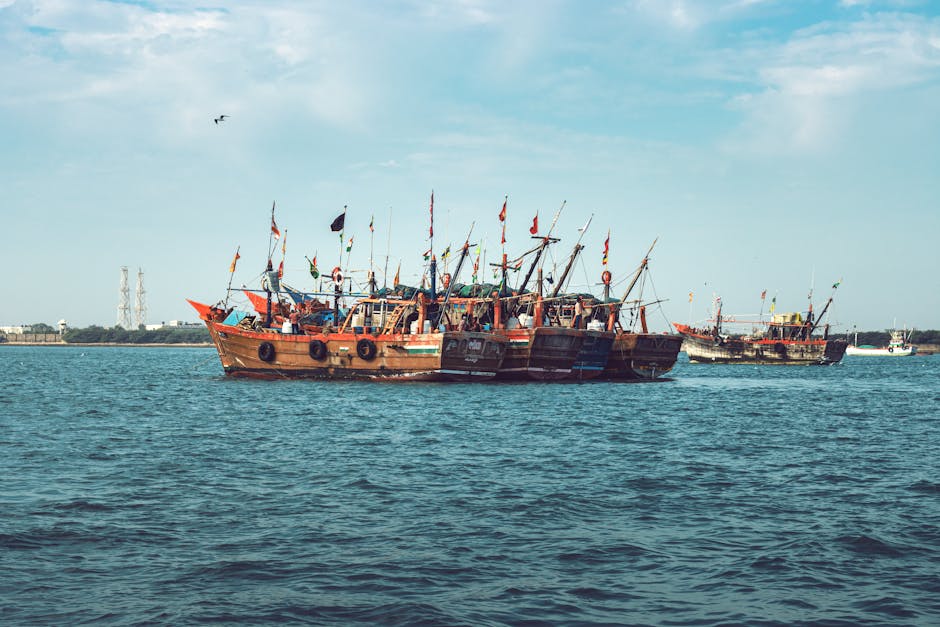
Next day, I decided to visit Bet Dwarka. It’s an island about 30 minutes by ferry. The boat wallahs are aggressive. “Sir! Rs. 200! 300! Best price!” I bargained like a pro – got it for Rs. 150 per person. But the ride? Rough. The sea was choppy. I was hanging onto the railing, praying to Krishna that I don’t throw up. A little girl next to me was laughing. I was green. But once you land, it’s worth it. The islet has a temple dedicated to Krishna’s son, Pradyumna. And another one for Krishna himself. It’s quieter here. Fewer crowds. I sat by the water for 20 minutes, just watching the waves. A local guy told me that Krishna actually lived here after leaving Mathura. I don’t know if that’s true, but it felt true in that moment.
Nageshwar Jyotirlinga – The Loud Shiva
This is about 20 km from Dwarka. One of the 12 Jyotirlingas. The temple itself is modern-ish, but the deity is ancient. The linga is huge, and you can walk around it. There’s also a giant statue of Shiva doing meditation. It’s not subtle. It’s very “I am here, deal with it.” The vibe is different from Dwarkadhish – more intense, less peaceful. People are shouting bhajans. Aunties are dancing. It felt like a very loud, very honest prayer.
Rukmini Temple – The Abandoned Queen
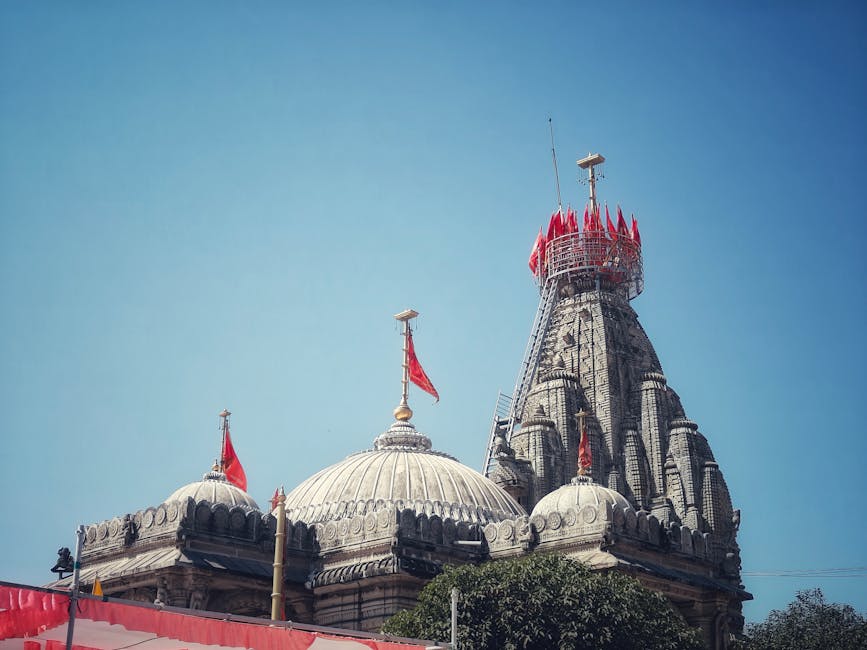
This one is a 10-minute drive from Dwarkadhish. It’s smaller, older, and honestly, neglected. The story is that Rukmini (Krishna’s main wife) was cursed by the sage Durvasa, so the temple is in a weird location. It’s quiet. Almost sad. I liked it. There were only 3 other people when I went. You can touch the walls. They’re carved with flowers and scenes from the Mahabharata. It felt real – not like a tourist spot, but like a place that has seen thousands of years of people coming and going.
Gomti Ghat and the Aarti – The Sea Meets the Sky
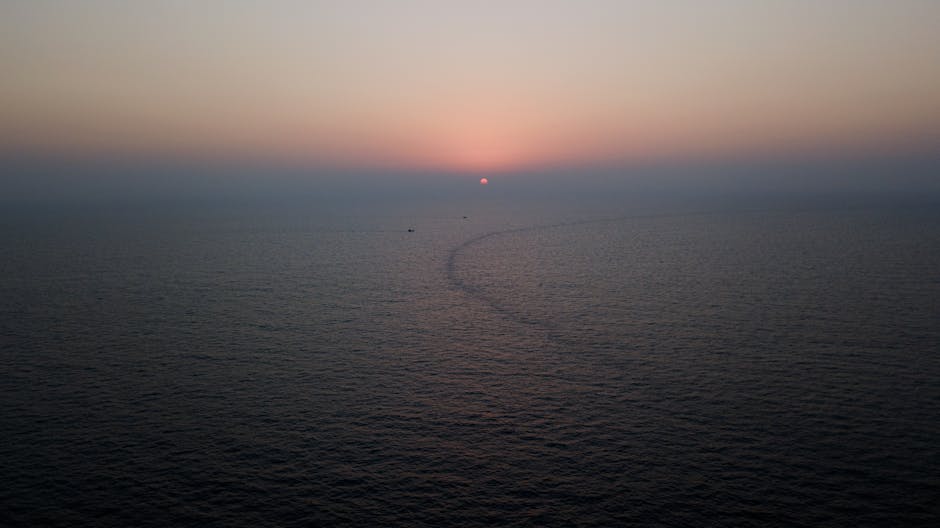
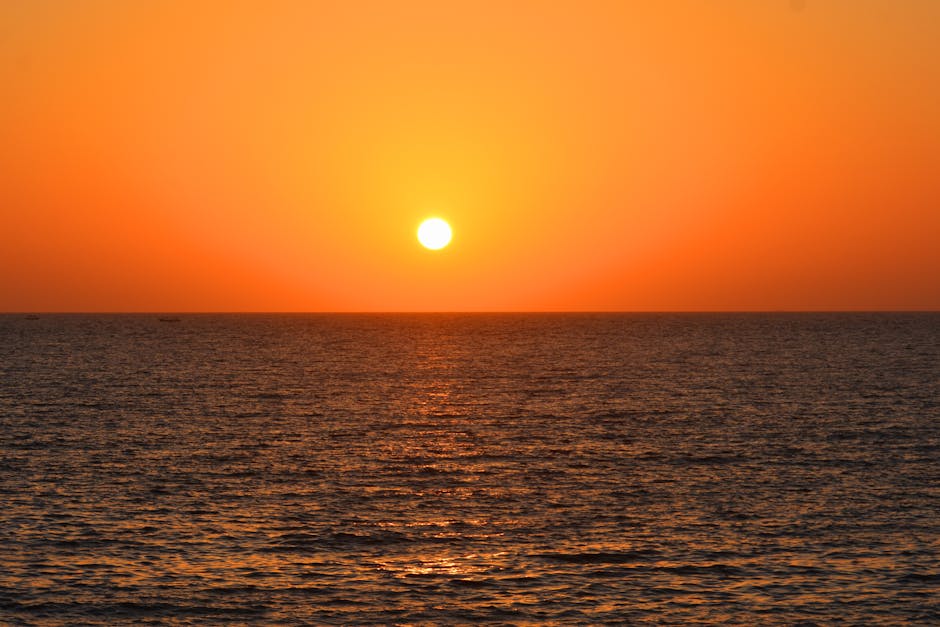
Gomti Ghat is where the Gomti River meets the Arabian Sea. The aarti happens every evening at sunset. I reached an hour early, but people had already claimed spots. I ended up sitting on a wall, watching the sun set behind the temple’s spire. The aarti itself is loud – bells, conch shells, chants. The priests wave lamps in circles. It’s a full sensory assault. I cried a little. Not because I’m religious, but because it was just… too much. The sound, the smell of ghee, the sea breeze, the kids selling diyas. I bought one, lit it, put it in the river. It floated for 2 seconds before a wave knocked it over. Classic.
Local Food – Fafda-Jalebi is Not a Myth
Okay, real talk. The food here is simple but deadly. I had fafda-jalebi for breakfast. Fafda is crispy, salty gram flour ribbons. Jalebi is syrupy, sweet orange swirls. Together? Perfect. The combo is a Gujarati morning staple. Also had gathiya (spicy fried chickpea flour snacks) with chai at a roadside stall. The chai was so sweet it made my teeth hurt, but the guy poured it from a height of 2 feet, so it was aerated to perfection. And the water? Don’t drink it straight. I made that mistake. Spent 3 hours in a very uncomfortable bathroom situation. Lesson learned: stick to packaged water.
Best Time to Visit – Don’t Be a Fool Like Me
October to March. Full stop. I went in late March, and it was already hot (35°C). Monsoon? Avoid. The sea gets rough, ferries stop, and the narrow galis near the temple become ankle-deep in mud. You don’t want to be stuck in a gali with a cow and a puddle of unknown liquid. Trust me.
Budget Breakdown (Rough, in Rupees)
– Train from Ahmedabad (Shatabdi): ~800 (sleeper) to 1,500 (AC)
– Auto from station to temple: 50-100
– Room near temple (basic): 1,000-1,500/night
– Ferry to Bet Dwarka: 150 (after bargaining)
– Temple donations: 20-50 (optional, but they’ll ask)
– Food per day: 300-500 (street food + basic thali)
– Chai at stall: 10-15 per cup Total for 3 days: ~5,000-7,000 per person if you’re not fancy. If you want a hotel with AC and hot water, add 2,000 more.
Honest FAQ (The Questions I Wish I’d Asked)
1. Can women do the full darshan?
Yes. But be ready for crowds. There’s a separate queue for women at Dwarkadhish, but it’s not faster. Wear comfortable clothes. No shorts, no sleeveless. Also, if you have long hair, tie it. The incense smoke gets into everything. 2. Is Bet Dwarka worth it if I’m scared of boats?
If you get seasick, take a motion sickness pill 30 minutes before. The ferry is bumpy, but it’s only 30 minutes. The island is peaceful. If you can’t handle the boat, skip it – the vibe is similar to Dwarkadhish. 3. How long should I stay?
2 days minimum. 3 if you want to do Bet Dwarka, Nageshwar, and Rukmini Temple without rushing. 1 day is for people who only want a selfie with the temple. 4. Is it safe for solo female travelers?
Yes, but be cautious. Stick to main areas, don’t walk alone in narrow galis after 9 PM. The temple area is safe because it’s crowded. Auto drivers will try to overcharge you – negotiate upfront. 5. Can I bring my dog?
No. The temple doesn’t allow animals. But you can leave your dog at a pet boarding place in Jamnagar. I saw a guy trying to sneak his pomeranian in a bag. The security guard was not amused. — So yeah. Dwarka is not a vacation. It’s a pilgrimage. It’s hot, it’s loud, it’s messy. But when you stand in front of that 2,500-year-old deity, and you hear the bells, and you smell the sea… you get it. You really do. I’m still not super religious, but I get it. Now I’m back home, and my mom is asking if I brought her a flag from the temple. I forgot. Chalo, agle baar.
plan your trip
Disclosure: This post contains affiliate links. If you book through them, we may earn a small commission.