Philippines Travel: What Actually Matters
Okay, bhai, chai le ke baith. I’m going to tell you about the Philippines. Not the Instagram version with perfect sunsets and zero traffic. The real one. The one that smells like diesel, sounds like karaoke at 3 AM, and leaves you both exhausted and weirdly full.
I went for three weeks. I came back with a sunburn, a mild case of food poisoning, and a genuine love for a country that feels like it’s constantly on the edge of chaos but somehow always smiling. Let’s get into it.
How to Reach?
Manila is the main gate. Most international flights land at Ninoy Aquino International Airport (NAIA). It’s old. It’s crowded. The air conditioning works about 60% of the time. But it gets the job done.
From India, you have direct flights from Manila via Cebu Pacific or Philippine Airlines. Or you can fly via Singapore, Bangkok, or Hong Kong—usually cheaper if you book ahead. I flew via Singapore. 4 hours to Singapore, 3.5 to Manila. Not terrible.
But listen. Don’t stay in Manila. I repeat. Do not stay in Manila. It’s a necessary evil. Land, get out. Your real trip starts when you take a domestic flight to Cebu, Palawan, or Siargao. The domestic airports are small, chaotic, but functional. Just keep your patience handy. Flights get delayed. Bags get lost. It’s part of the deal.
If you’re going to Palawan, fly into Puerto Princesa or El Nido. If Siargao, fly into Sayak Airport (IAO). If Cebu, Mactan-Cebu International Airport. Book domestic flights in advance—last minute prices are painful.
Where to Stay?
Here’s the truth: accommodation in the Philippines is hit or miss. You can get a nice resort for ₹5,000 a night in Palawan. Or you can get a mouldy room with a broken fan for ₹2,000 in Manila.
El Nido, Palawan: Stay in the town proper if you want convenience. It’s loud, dusty, and full of tourists. But everything is walkable. If you want peace, stay in Lio Beach—a bit far from town but quiet and clean. Resorts like Huni or Seda are good but expensive. For budget, try a hostel like Spin Designer Hostel.
Siargao: General Luna is the hub. Stay near Cloud 9 if you surf. Stay near the town center if you want food and nightlife. I stayed at a place called Bahay Tektek—basic, clean, great owner. Costs about ₹1,500 a night.
Cebu City: Hotels are cheap. I stayed at a place near IT Park for ₹1,800 a night. Clean, fast wifi, good AC. But Cebu City itself is loud and traffic-heavy. Don’t expect a vacation vibe here. It’s a working city.
Coron, Palawan: Stay near the waterfront. The views are insane. But the rooms are often damp. Pack a dehumidifier if you can. Seriously. Everything feels wet.
What to Eat?
Okay, food. Let’s be real. Filipino food is not fancy. It’s not Instagrammable. But it’s honest.
Adobo is the national dish. Chicken or pork cooked in soy sauce, vinegar, garlic. Simple. Comforting. Eat it with rice. Everything comes with rice. Even breakfast comes with rice. You will eat rice for every meal. Accept it.
Sinigang is a sour soup. Tamarind base, pork or shrimp, vegetables. It’s tangy, warm, and perfect after a long day in humidity. I had it in a small eatery in El Nido. Cost ₹150. Best meal of my trip.
Lechon is roasted pig. Crispy skin, juicy meat. Cebu is famous for it. If you’re in Cebu, go to Rico’s or Zubuchon. Don’t think about calories. Just eat.
Balut is a boiled duck embryo. Yes, it’s a thing. I tried it. It tastes like soup with a crunch. Not bad. But I won’t order it again. Try it for the story.
Street food is everywhere. Fish balls, kikiam, isaw (chicken intestines). Cheap. ₹10-20 per stick. Just make sure it’s cooked in front of you. Don’t eat from a cart that’s been sitting out.
Best Time to Visit
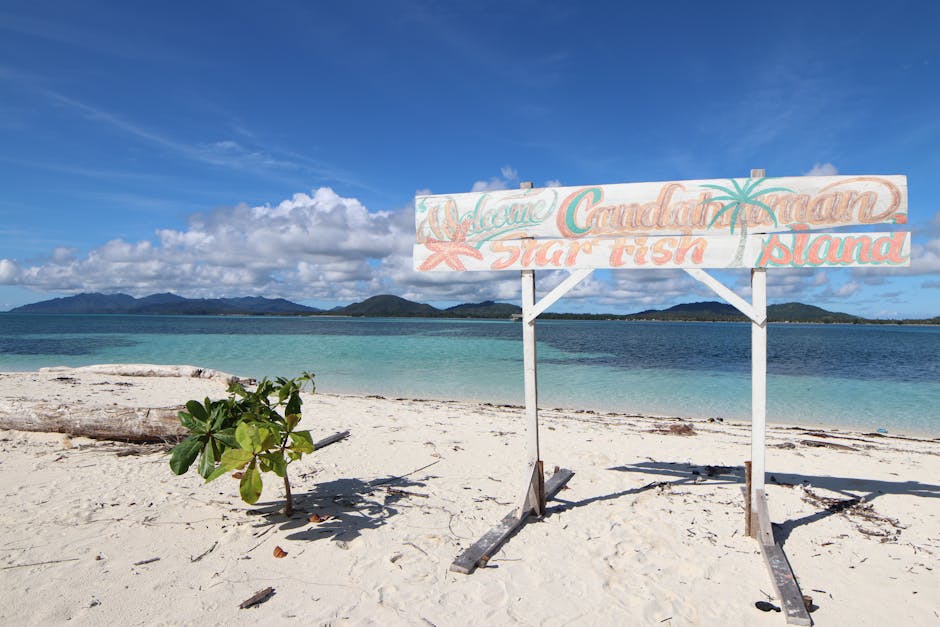
December to May is the dry season. This is your window. March to May is the hottest. Think 35°C with 80% humidity. You will sweat through your clothes in 10 minutes. But the beaches are clear, the sunsets are real, and the rains stay away.
June to November is rainy season. Typhoons happen. Especially in northern Luzon. If you’re going to Palawan or Siargao, you can still go, but expect sudden downpours. Flights get cancelled. Roads flood. Not ideal for first-timers.
I went in February. Perfect. Warm but not crazy. No rain. Less crowd than March. If you can, go in January-February.
Budget
This is where the Philippines surprises you. It’s not as cheap as Vietnam or Thailand, but it’s not as expensive as Japan.
For a comfortable trip (not luxury, not backpacker):
– Flights: ₹30,000-₹50,000 round trip from India.
– Domestic flights: ₹5,000-₹10,000 per flight.
– Accommodation: ₹1,500-₹3,000 per night for decent hotel/hostel.
– Food: ₹500-₹1,000 per day for local food. ₹1,500+ for nice restaurants.
– Activities: Island hopping tours cost ₹1,500-₹2,500 per person per day. Surf lessons ₹500 per hour.
– Transport: Tricycles (auto-rickshaws) cost ₹50-₹150 per ride. Taxis in Manila start at ₹200.
Total for 10-12 days: ₹60,000-₹80,000 per person including flights. If you’re careful, ₹50,000 is doable.
Tips for First-Timers
1. Cash is king. Cards work in big hotels and malls, but in small islands, cash is all they take. ATMs charge ₹200-₹300 per withdrawal. Carry enough.
2. Learn one word: “Salamat” (thank you). Filipinos speak English well, but a little Tagalog goes a long way. They appreciate the effort.
3. Be ready for traffic. Manila to airport can take 2 hours for 15 km. Plan accordingly. Leave 4 hours before your flight.
4. Don’t drink tap water. Even locals don’t. Buy bottled water. Brush your teeth with bottled water too. Trust me.
5. Island hopping is exhausting. It looks like fun in photos. It is fun. But you’ll be on a small boat for 6 hours. Sun, salt, waves. Bring sunscreen, a hat, and motion sickness pills if you’re prone.
6. Internet is slow. In Palawan and Siargao, expect 3G at best. Download your maps and shows before you go. Don’t plan to work remotely unless you’re in Manila or Cebu City.
7. Respect local customs. When entering a home or some shops, take off your flip-flops. Don’t point your feet at people. Smile a lot. It’s not fake—it’s how they survive the chaos.
8. Don’t overplan. The weather changes. Boats get cancelled. Buses break down. Leave buffer days. The best moments happen when you’re stuck somewhere and a local invites you for coffee.
FAQ
Is the Philippines safe for solo travelers?
Yes, mostly. Petty theft happens in crowded areas. Keep your phone in your front pocket. Don’t walk alone in dark alleys at night. But generally, people are warm and helpful. I felt safe as a solo male. Female friends have said they felt safe in tourist areas but got stares in remote places.
Do I need a visa?
Indian passport holders get 30 days visa-free. Just show your return ticket and hotel booking at immigration. They might ask for proof of funds. Have ₹30,000+ in cash or bank statement.
Which island is best for first-timers?
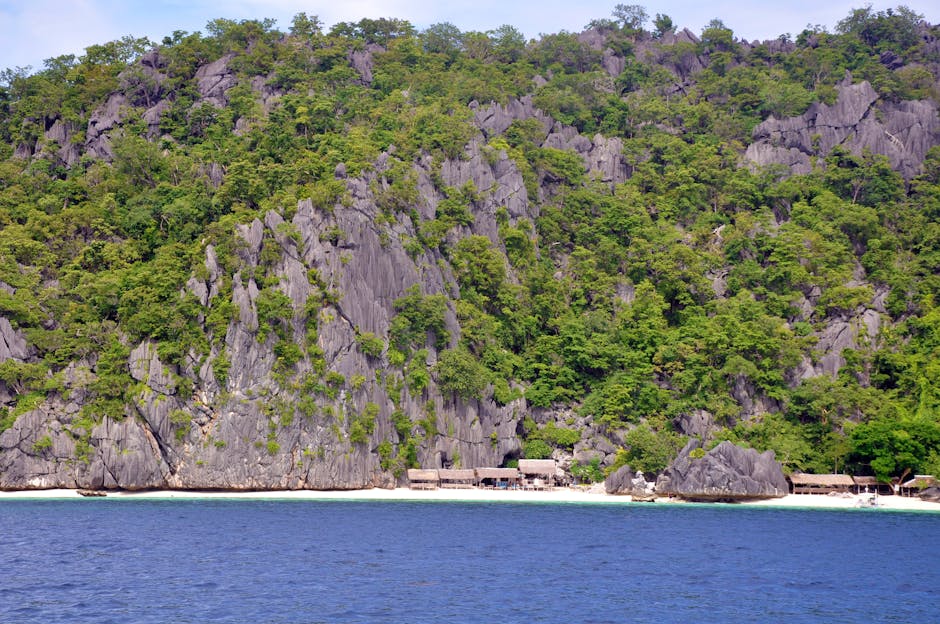
Palawan. Specifically El Nido and Coron. The lagoons, the limestone cliffs, the clear water. It’s touristy but for a reason. Siargao is for surfers and party people. Cebu is for history and diving. Bohol is for the Chocolate Hills and tarsiers. Pick one region. Don’t try to do everything in one trip.
What should I pack?
Light clothes. Quick-dry everything. A light jacket for air-conditioned buses and planes. Reef-safe sunscreen (they’re strict in Palawan). Mosquito repellent. A power bank. Flip-flops. Water shoes for rocky beaches. A rain poncho if you’re going in rainy season.
Is the food spicy?
Not really. Filipino food is savory and sour, not spicy. If you want heat, ask for “sili” (chili) on the side. They’ll give you chopped raw chili or chili vinegar.
Can I use my phone?
Buy a local SIM at the airport. Globe or Smart. ₹500 for 7 days of data. Works well in cities, spotty in islands. Don’t rely on it for navigation in remote areas.
One thing I wish I knew before going?
The humidity is no joke. I’m from Mumbai, I thought I knew humidity. I did not. You will shower twice a day. You will change clothes three times. You will smell like salt and sunscreen. Embrace it. It’s part of the deal.
So yeah. Philippines is messy. It’s loud. It’s hot. But there’s a moment—maybe on a boat in the middle of a turquoise lagoon, or eating a bowl of sinigang while rain pours outside—when you think, “This is exactly where I need to be.”
Go with an open mind. Don’t expect luxury. Expect reality. And you’ll love it.
Now finish your chai.
plan your trip
Disclosure: This post contains affiliate links. If you book through them, we may earn a small commission at no extra cost to you.