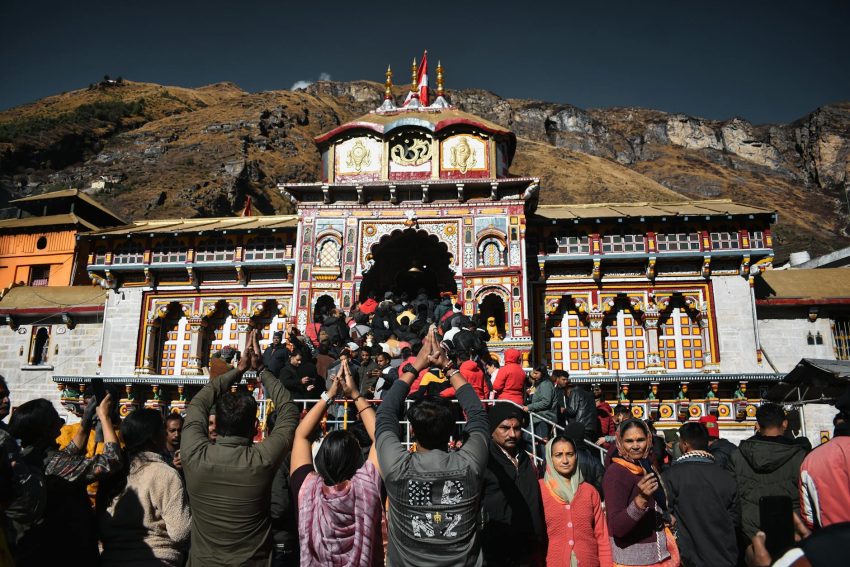
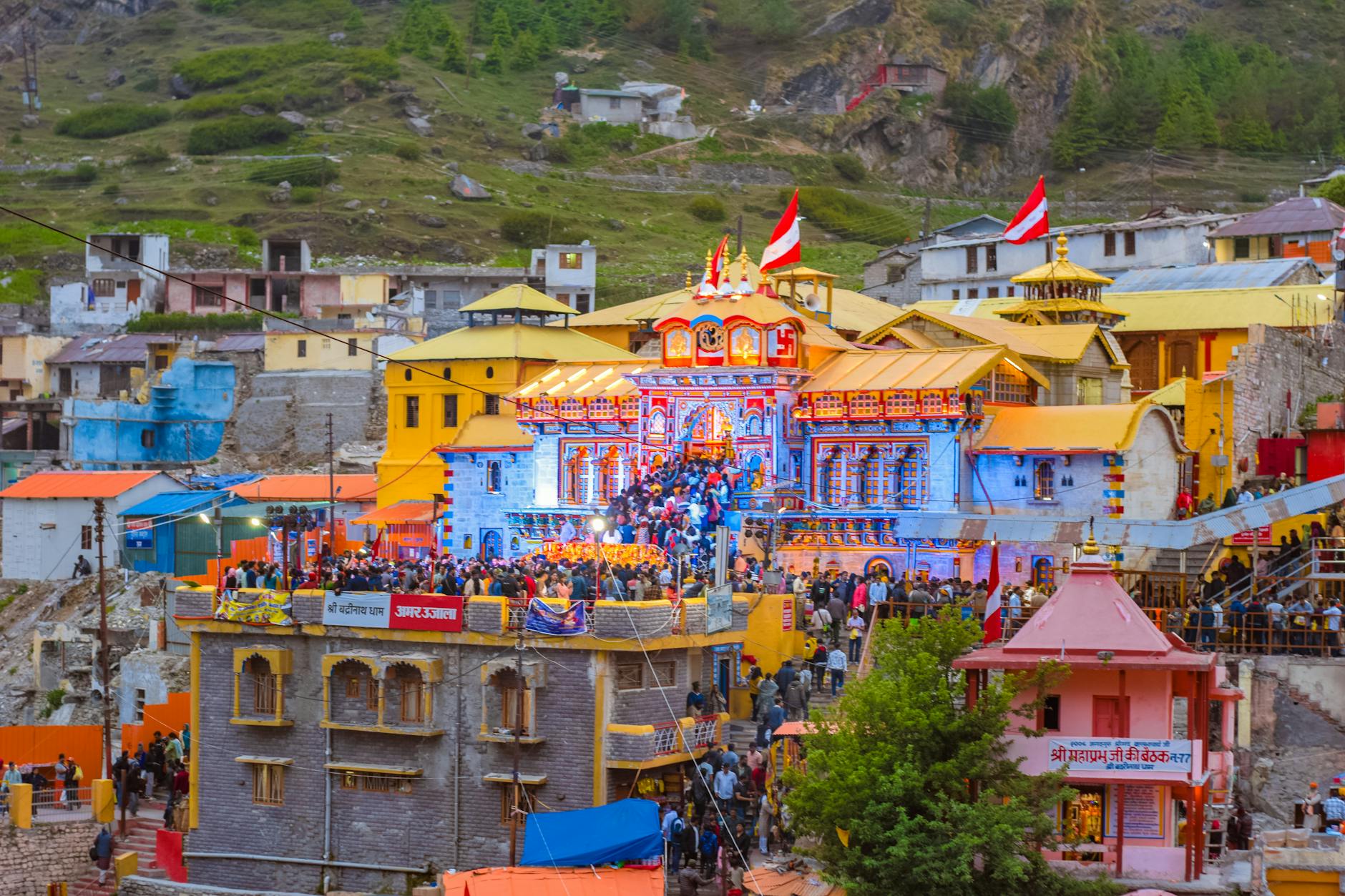
Badrinath is the kind of place that feels like it was built specifically to make you feel small in a good way. Sitting at 10,000 feet, surrounded by mountains on all sides, colored in shades of grey, white and saffron. You enter through these gates and suddenly the chaos of the world below feels far away. The temple glows during aarti. And when they say it’s one of the Char Dham, you understand why. It’s not just religion. It’s something older. Something that pulls you whether you believe or not.
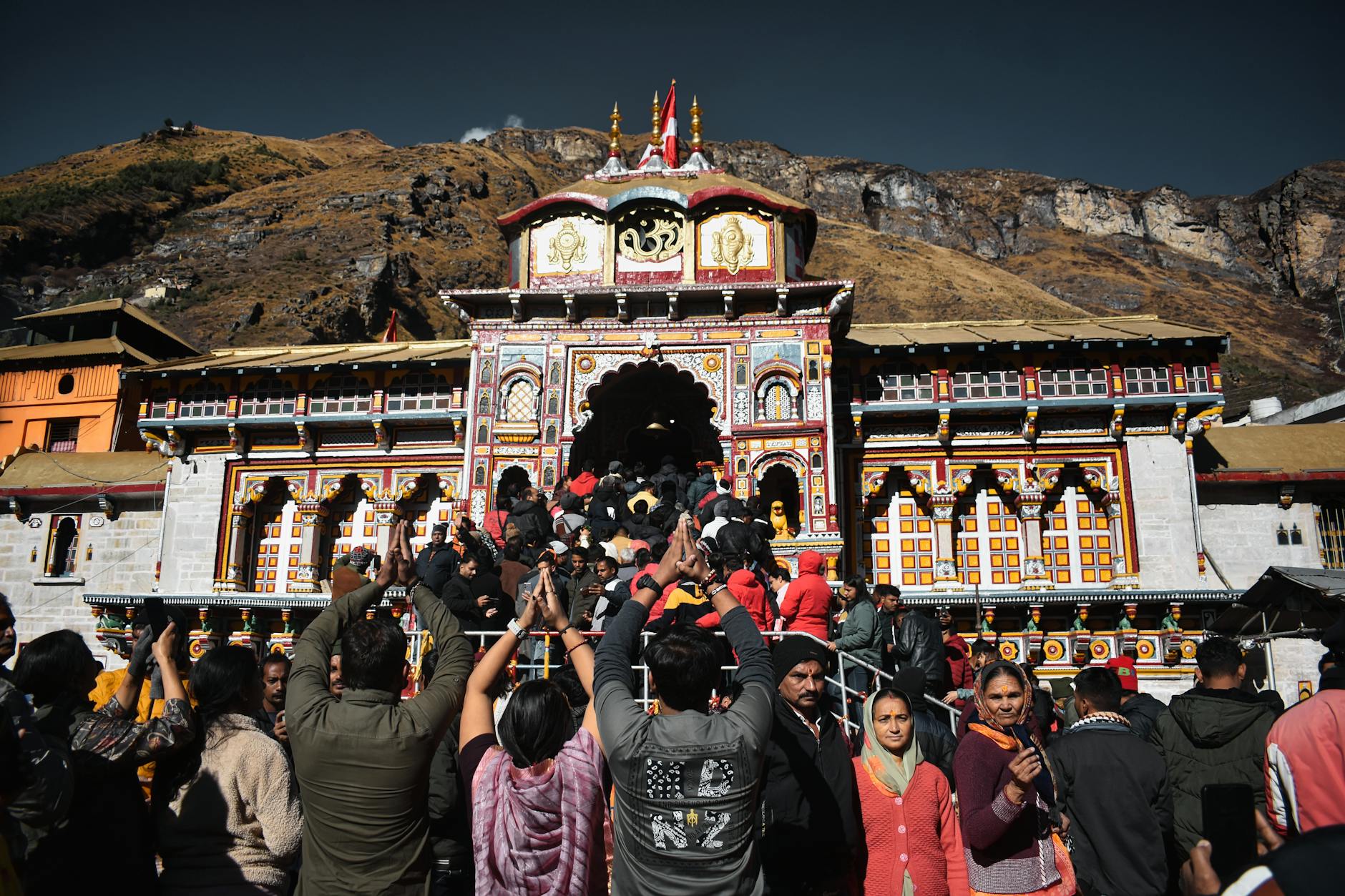
Why It Hits Different
Because the Char Dham circuit isn’t complete without it. Because sitting on the banks of the Alaknanda, watching the water flow, thinking about nothing and everything, is therapy. Because the vibe is unlike any other temple I’ve been to. Hot springs at Tapt Kund right next to ice cold river. How? Science, probably. Feels magical though.
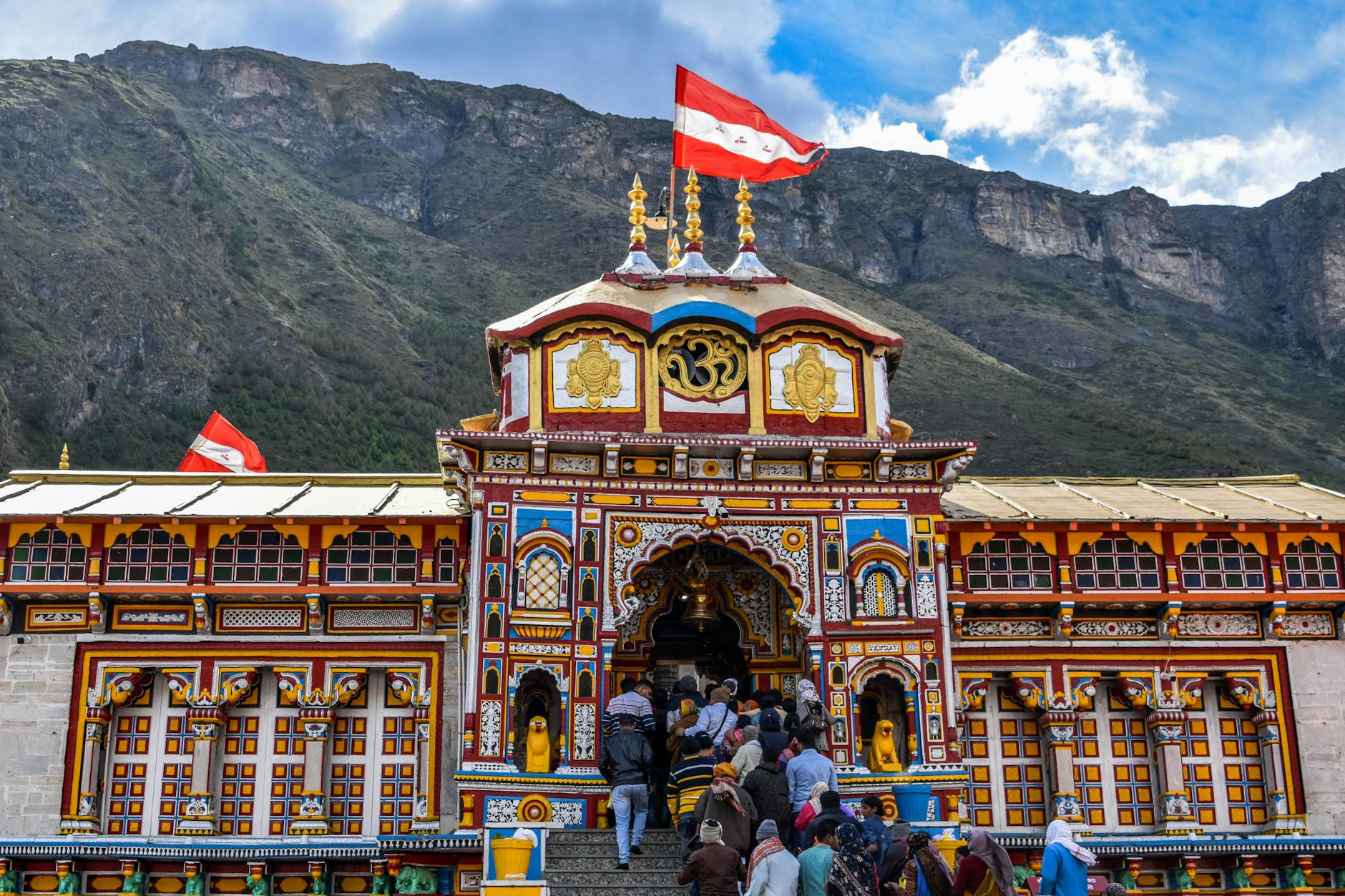
Getting There
From Delhi, it’s roughly a 12-14 hour drive via Rishikesh-Devprayag-Joshimath route. Roads are mostly okay but landslide prone during monsoon. Best time April-June and September-October. Regular buses from Rishikesh. Shared taxis from Haridwar. Helicopter from Dehradun costs ₹18-25k round trip.
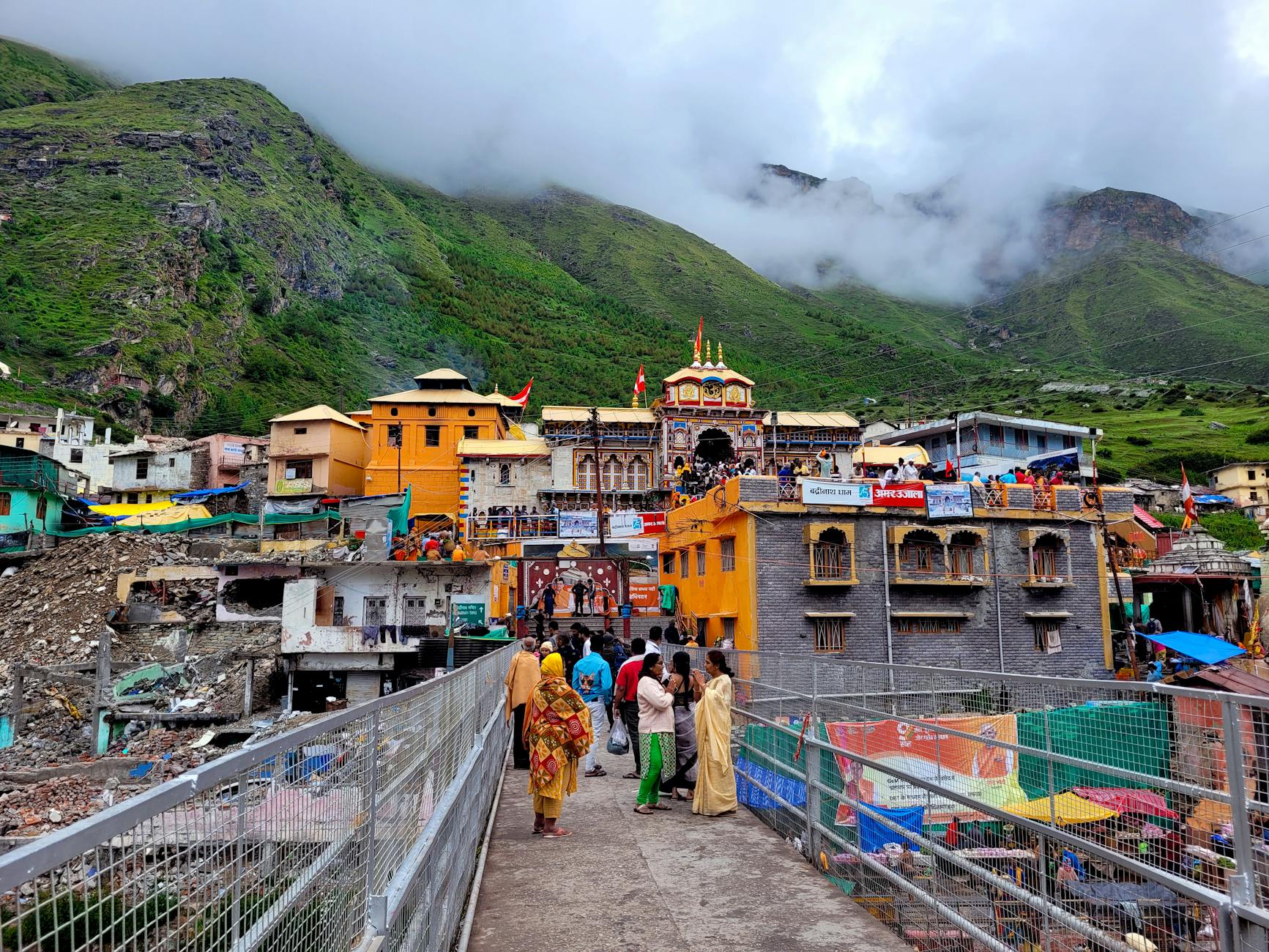
Getting Around
Local taxis and shared jeeps from Haridwar/Rishikesh to Badrinath. Roads are decent compared to other pilgrimage routes. GMVN buses run regularly during season. Private cabs charge ₹500-1000 per person sharing. Helicopter from Dehradun if budget allows.
Where to Crash
GMVN tourist bungalow is reliable. Private hotels everywhere but quality varies. Don’t expect luxury. Room heaters are essential because nights are freezing even in summer. Book early because season is short and everything fills up.
Eats
Lots of dhabas on the way. Parathas, dal rice, chai. Nothing fancy but hits the spot. Tapt Kund area has food stalls. GMVN attached restaurant does meal thalis. Bring snacks from Joshimath stopover.
Spots That Matter
Temple obviously. Mana village is the last Indian village before Tibet border. 5km from Badrinath. Worth visiting. Bheem Pul where Pandavas supposedly crossed. Vyas Gufa where Mahabharata was written. Tapt Kund hot spring right outside temple. Believe me you’ll need that soak after the cold.
What You’ll Spend
From Delhi, budget ₹20,000-35,000 for comfortable trip. Cheaper if you bus it, more if you fly or take helicopter.
Stuff I Learned the Hard Way
Avoid monsoon July-August. Roads get washed out. September-October is sweet spot – less crowd, cleaner air. Carry warm clothes. Night temps drop below 10°C. Mobile network is decent. ATM exists but depletes fast. Carry cash.
Questions People Actually Ask
Best time? May-June or Sep-Oct. Avoid monsoon.
How many days? At least 3-4 days from Delhi.
Hotels good? Basic. Don’t expect luxury.
Network? Jio works. Others hit or miss.
Tapt Kund? Hot spring outside temple. Soak before visiting.
Can I skip trek? No trek. Road goes right up. Helicopter from Dehradun.
Last Thing
Bottom line on Badrinath? Just go. Figure it out when you get there. That’s half the point.
Real talk, real trips. Details change. Check before you go. May 2026.
Badrinath Travel Guide – Complete Info
Badrinath is one of those places that stays with you long after you leave. The morning aarti at the temple is something else. Standing there with hundreds of pilgrims as the sun hits the mountains. Can’t describe it in words honestly.
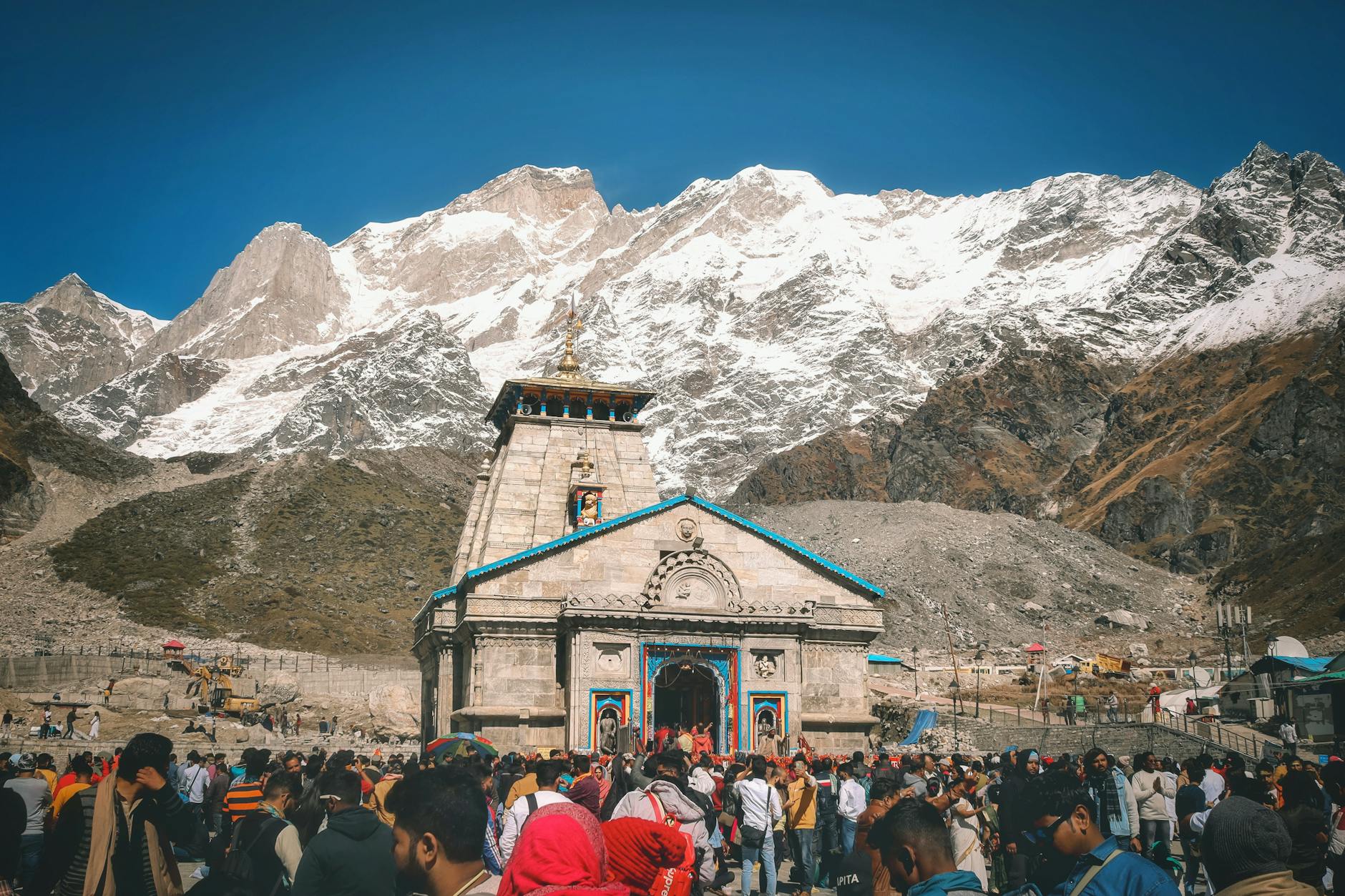
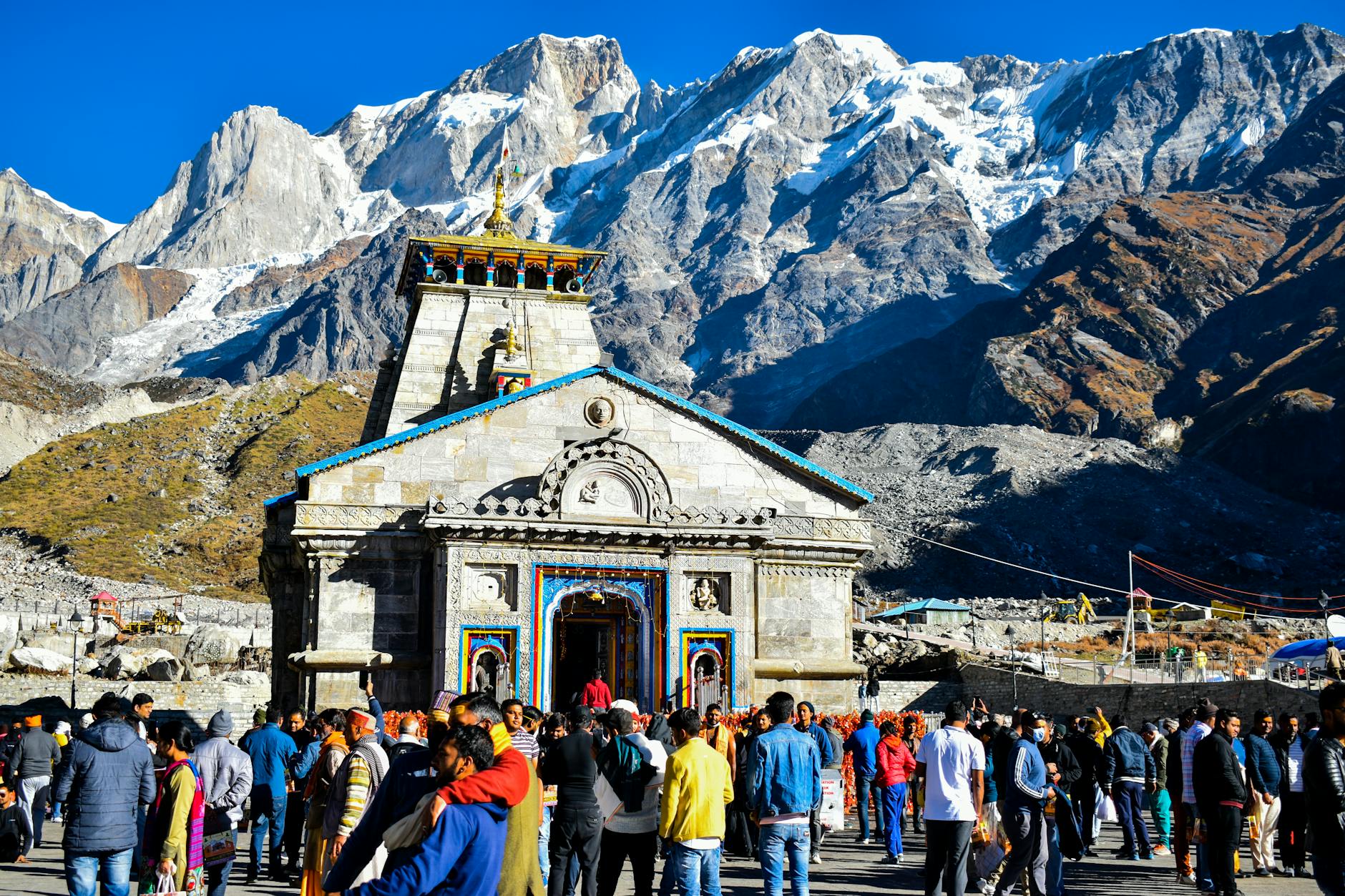
The temple opens at 4am for darshan. Get there early. The queue gets insane after 8am. Winter clothes are must even in summer. The temple is at 10300 feet and morning temperatures drop to single digits. You’ll thank me later.
Nearest airport is Dehradun (Jolly Grant) about 320km. From there buses and taxis go regularly. The drive takes about 8-9 hours but the scenery makes up for it. River Alaknanda follows you most of the way. Joshimath is the last major town before Badrinath. You can stay there if Badrinath hotels are full.
Hotels range from basic to comfortable. Budget options start at ₹1000-1500. Mid range ₹2000-4000. GMVN guesthouses are reliable and affordable. Book ahead during peak season (May-June).
The hot spring near the temple is a must. Tapt Kund they call it. Natural sulfur water. Feels amazing after traveling all day. Take a dip before darshan if you can handle the cold.
Mana village is 3km from Badrinath. Last village before Tibet border. Interesting place with very different culture. Bhim Pul and Saraswati river origin are worth visiting. The military presence here reminds you how close the border really is.
Food options are limited but decent. Mostly vegetarian obviously. Langar at the temple serves free meals. Outside there are small restaurants with basic north Indian food. Don’t expect fancy. Prices are higher than plains because everything is transported up the mountains.
Best time to visit is May to October. Monsoon (July-August) can cause landslides and road closures. Check weather before going. Winter (Nov-Apr) the temple is closed due to snow. The opening and closing dates change yearly based on auspicious timings.
Budget wise expect ₹15000-25000 from Delhi for a comfortable trip. Includes bus/train, accommodation, food, and some spare. More if you want helicopter or private taxi. Less if you go by government bus and stay in cheaper places.
Badrinath is not just a temple visit. It’s a journey. The road itself is an experience. The mountains teach you patience. The cold teaches you humility. And that darshan moment makes everything worth it.
Disclaimer: This article reflects personal travel experiences and is for informational purposes only. Always check government travel advisories and local guidelines before planning your trip.
Planning Your Trip
When you’re planning a trip to this incredible destination, there are several important factors to consider that can make the difference between an average experience and an absolutely unforgettable journey. The best time to visit depends largely on what you’re looking for – whether that’s perfect weather for outdoor activities, fewer crowds for a more intimate experience, or specific seasonal events that only happen once a year.
Transportation is another crucial aspect that many travelers underestimate until they’re standing at a bus station wondering where their ride went. Understanding the local transit system, knowing which taxi apps work, and having a rough idea of distances between attractions will save you both time and money during your stay.