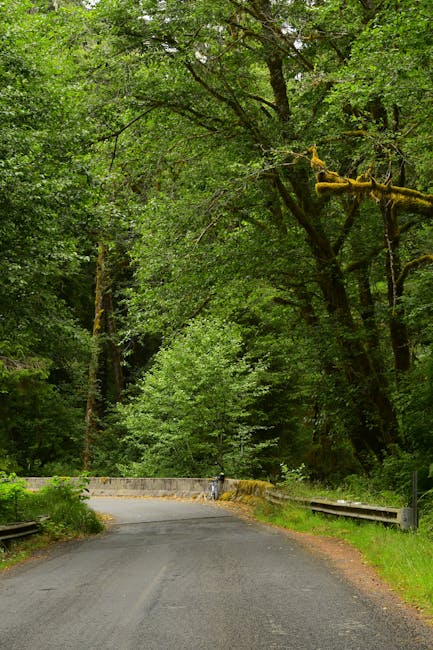
I got to Cottage Grove in that dreary, washed-out light that Oregon does so well—the sky all gunmetal gray, everything damp before you even touch it. My boots were already soaked through from cutting through the huckleberry tangles near Row River Road, not because I was in a hurry, just because I’ve never been good at staying on marked paths. I wasn’t here for the postcard stuff—the waterfalls, the old bridges with their creaky wooden roofs. I came to see what’s underneath. Not in a spy movie way. In the weird, quiet, barely-believed-in way: the fungi. The threads. The things that actually hold the forest together, even though no one talks about them.

A friend of a friend—I can’t even remember how many degrees of separation—connected me with this thing. Low-key. Unofficial. A few people, pulled in through whispers, get to tag along with forest ecologists who work on mycorrhizal networks at U of O. Not a tourist trap. No fairy lights or fake mushrooms glued to rocks. This was real. Crawling through dirt tunnels with fiber-optic scopes. Listening to translated electrical pulses between roots. Trying—actually, stupidly, earnestly—trying to feel what the trees are saying.
We met before dawn at the skeleton of an old sawmill. Gravel underfoot, breath fogging. Six of us. Lorna, the guide, showed up in a beat-up field jacket with patches on the elbows like she’d been cast for a National Geographic special. She carried this wooden box that looked like it should’ve had dried herbs and leeches inside. Instead: coiled cables, soil mics, vials of spores that glowed under UV like alien jellyfish.
“You know about the Wood Wide Web,” she said. It wasn’t really a question. We all nodded, because who hasn’t heard that phrase by now? She gave a half-smile. “Most people think it’s a metaphor. It’s not. It’s literal. Fungi are the forest’s nervous system. Today, we’re eavesdropping.”
Single file through a stand of old-growth ponderosas. Bark like dragon hide. Warm, even in the cold. Lorna stopped at a dip in the land, nothing special—just some faded plastic tags fluttering like rags. She knelt, brushed away the leaves, and there it was: a small metal hatch. Like something from a bunker, but for hobbits. She unlocked it with a key on a leather strap, and we looked down into the dark.
The tunnels were hand-dug, sealed with clear acrylic, barely tall enough to crawl through. The air inside was thick. Smelled like wet walnuts and rain-soaked stone. We moved slow, heads grazing the ceiling, hands in the dirt.
After a minute, your eyes adjust. And then—wow. The soil isn’t dirt. It’s alive. A web of threads—hyphae, she called them—fine as hair, wrapping around roots, connecting everything. Some glowed green under blacklight. Others pulsed, slow, like they were breathing.
“That’s Rhizopogon roseolus,” she whispered, pointing to a coral-knit cluster hugging a fir root. “Trade system. Fungus gives the tree nitrogen, tree gives sugar in return. But it’s not just barter. It’s conversation. Warnings. Sharing. Family stuff.”
She pulled out this little box—myco-auditor, she called it—and pressed a sensor to the wall. Handed me earbuds. I heard it: crackling static, then a rhythm. A pulse. Like someone tapping Morse code through a wall.
“Distress signal,” she said. “Alders up slope got hit by beetles last night. Fungi picked it up. Network spread the word. Trees 300 feet away are already making more tannins to protect themselves.”
I just sat back on my heels. I’d read Simard’s papers. I’d skimmed the studies on Paxillus, Suillus, all that. But hearing it? That wrecked me. It made the whole forest feel like one huge, hidden organism—talking, helping, surviving. Not a bunch of lonely trees pretending to be stoic.
One of the kids—maybe ten, the only one under forty—pressed her palm to the dirt wall and asked, “Can they feel us?” Lorna didn’t laugh. She said, “We don’t know. But they feel vibration. Chemistry. When you walk through the woods, you’re changing the conversation down here.”
That sat with me.
These tours aren’t advertised. No website. No Instagram ads. Invitation only. Twelve people a month, max. Funded by some ethics grant from Cascadia. The idea isn’t to gawk—it’s to learn how small you are. How much we don’t know. How maybe complexity isn’t just a human thing. Maybe community isn’t either.
I thought about all the times I’ve trampled through forests like I owned them. Boots crushing soil. Hyphae snapping like wires. We name mountains after explorers and loggers, but never after the fungus that keeps the whole damn thing from falling apart.
One guy—an old sound engineer from Portland—recorded the pulses. He’s making an album now: Subterranea: Field Recordings from the Wood Wide Web. Donating the money to fungal conservation. Another woman’s writing a kids’ book about a secret network of fungi friends helping trees get through winter.
I didn’t make anything. But I stopped buying bottled water. Started composting. Now, when I walk in the woods, I try to step carefully. I press my hand to a tree’s base, close my eyes. I don’t hear anything—honestly, I don’t. But I like to think I feel something. A hum. A whisper. Like the forest is holding still, just for a second, saying: We’re here. We’ve been here all along.
If you want to dig deeper, check out Dr. Suzanne Simard’s work on Wikipedia. And if the idea of walking slowly, paying attention, feels like it might matter, there’s a quiet little site called Punyapaths.com that gets it.
Did the mushrooms talk to me?
Not in words. But the silence changed. Filled up. Like the woods were breathing—and waiting for me to listen.