I wasn’t looking for some life-changing revelation when that old mushroom guy shoved a map into my hand. He was hunched outside a library in Cardiff, smoke curling off a hand-rolled cigarette, eyes all lit up like he’d found God in a petri dish. Said the abandoned mushroom farms weren’t dead—just sleeping. ‘The walls still breathe,’ he mumbled. Sounded like nonsense at the time. Then I went. Doesn’t anymore.
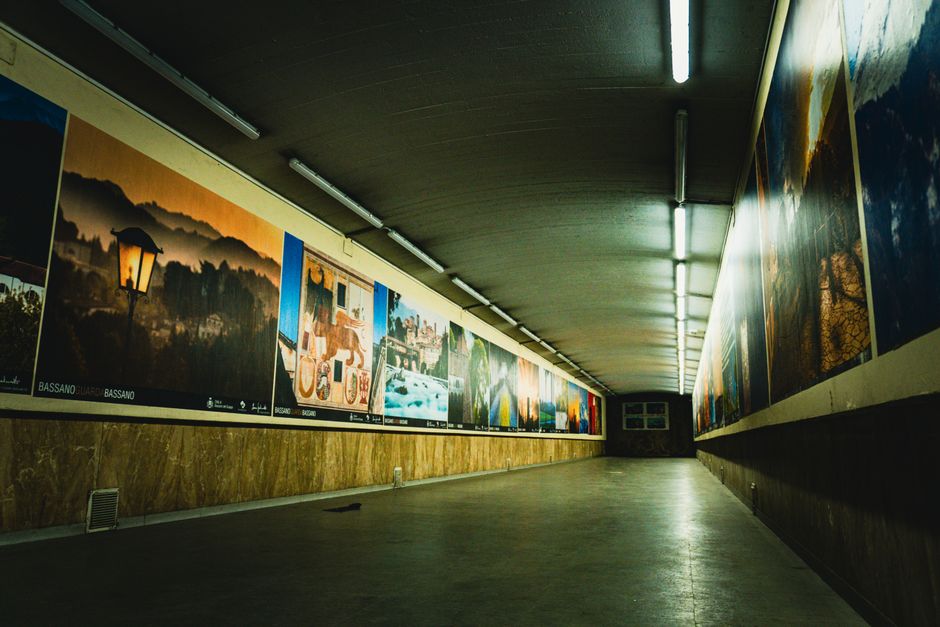
Three months later, I’m in a tunnel under the Mendips, soaked through, staring up at this drone made of dried shiitake stalks. Looks like something the sea spat out. It’s buzzing—low, crooked notes, like a synth with a hangover. Not music. Not silence either. Something in between.
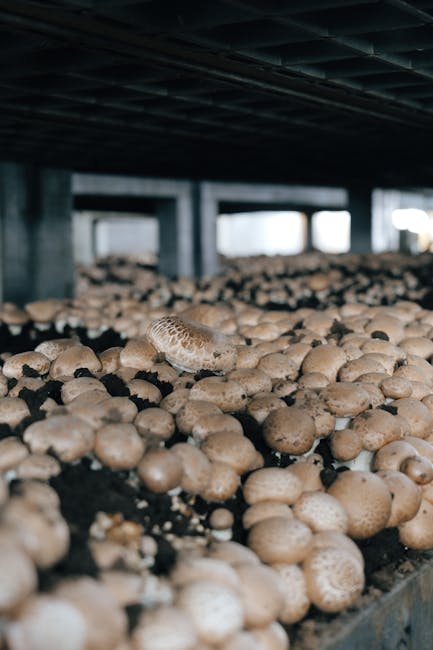
This place used to be a mushroom factory. Post-war Britain needed filling, not flavor, so they dug into the limestone, carved out these wide, cool tunnels perfect for growing fungus. Oysters, buttons, shiitakes—grown in the dark, shipped out before sunrise. The rock held moisture like a damp cellar. Then the ’90s hit. Big surface farms, cheap imports from nowhere specific. These underground spots got stripped. Farmers left. Lights died. Rust ate through the trays. And the quiet settled in—not empty, but full. Heavy.
Then artists started showing up. Not tourists. Not developers. Just people with dirt under their nails and stubborn, weird ideas.
The Quiet That Gets in Your Bones
You feel it before you hear it—the hush. It doesn’t echo. Your voice just… disappears. Like the air’s already said what it needed to. I found Elina in what used to be a spawn room, crouched beside a mess of wires feeding into compost. She’d lugged a Buchla synth all the way from Sheffield—some art school’s trash, now humming off electrical currents in the soil. Says it picks up whispers from the mycelium. Dormant. Waiting.
‘The ground remembers,’ she said, not looking up. ‘So does your gut. We’re not making art. We’re just listening in.’
Then—drip. Pause. Another drip. Not enough to annoy you. Just enough to mess with your head. Seven seconds apart. Or maybe eight. Hard to tell when time starts to smear.
Walls That Live
The stone down here isn’t just rock. It’s layers—plaster, mold, decades of grime, spores nobody’s bothered to name. Shine a UV light, and it’s like a crime scene: blue-green threads spreading like ink. Masood’s been feeding them, injecting strains that glow under blacklight. Changes every week. Most of it rots out of sight. Doesn’t matter. It’s not for likes. It’s for the rot.
One room’s got a tapestry—twenty feet tall, woven from hemp grown on mycelium, dyed black with rust water from busted pipes. Hangs like a shroud. Feels like you’re standing at a funeral for something you never knew. Next to it: a record made of compressed mushroom waste. Plays a poet’s last breath—recorded straight from her throat. Needle melts after about 150 plays. Poetic? Sure. Also kind of brutal. Which feels right.
No grid power. Just solar juice trickling down from the surface and floor tiles that charge when you walk on ’em. Rules are simple: take nothing but photos, leave nothing but footprints, build nothing that lasts. Permanence? That’s the enemy. This place runs on decay.
The Kind of Quiet That Haunts
Down here, time stretches and snaps. Ten minutes feel like an hour. You start noticing dumb stuff—how the plaster peels like sunburn, how some lichen looks exactly like brain matter, how there’s still a hint of ammonia in the air, like the ghost of fertilizer working its way out.
I sat in the old packing room. Floor cracked. Pallets rotting. In the corner, a glass case: Spore Archive. Vials labeled in shaky handwriting. Bristol, 1963, Agaricus bisporus (First Frost Strain). Kraków, 1987, Pleurotus ostreatus (Chernobyl Bloom). Felt like a shrine some mad scientist never finished. Half science, half sorrow.
It’s weird, right? These tunnels were built to hide—grow food in darkness, ship it out before light touched the fields. No one was meant to see the guts. Now they’re full of art barely meant to be seen at all. The dark that once hid the work now holds it up.
Not Dead. Not Preserved.
Ruins want monuments. These tunnels don’t care. They want to be used—to leak, to hum, to change.
No one officially owns the place. Just a nod from some quarry outfit that ignores the lower levels. The crew running it call themselves Subterra Flux. No website. No socials. You hear about events through word-of-mouth, or if you show up to a talk at Tate Modern and keep your questions polite.
I climbed out at dusk. Sun hit my eyes like a punch. Jacket stank of wet stone and something sour—like forgotten laundry in a basement. Up here, everything felt too loud, too fast. Kept turning, like I could still hear that hum in my teeth.
That night, I dreamed in spores. Not symbolic. Real ones. Floating through black air. Sticking to my ribs. My lungs.
If you catch wind of a ‘listening session beneath the hill,’ don’t overthink it. Bring a torch that works. Wear boots you don’t care about. Leave nothing but spit and footprints. And if you’re the kind who wonders about the quiet revolutions under your feet, you might like this piece on the threads tying forests together.
Why’d I go?
Honestly? I was sick of art that sits quiet behind glass, asking to be admired. I wanted something that rattled my teeth. This did.
Is it legal?
Not illegal. But not exactly welcomed, either. They keep it small. Protects the work. Protects the dark.
See anything that scared you?
Not scared. But once—deep in, alone—I heard singing. No one else down there. Could’ve been water in the pipes. Could’ve been a voice from miles off. Or maybe the walls really do remember how to sing.”