Why spiritual travel feels different
Not every journey is just about crossing miles. Some journeys quietly change the way we breathe, think, and look at life. In today’s world, where routines are fast and minds are restless, travel has become more than leisure. For many people, it is becoming a way to reset emotionally and spiritually.
There is something deeply healing about leaving behind noise and stepping into a place where the air feels slower, the heart feels lighter, and the mind finally gets space to listen to itself. This is why spiritual travel is gaining importance. It is not simply about visiting temples, monasteries, ghats, or mountains. It is about what happens inside us while we are there.
Sacred places and inner stillness
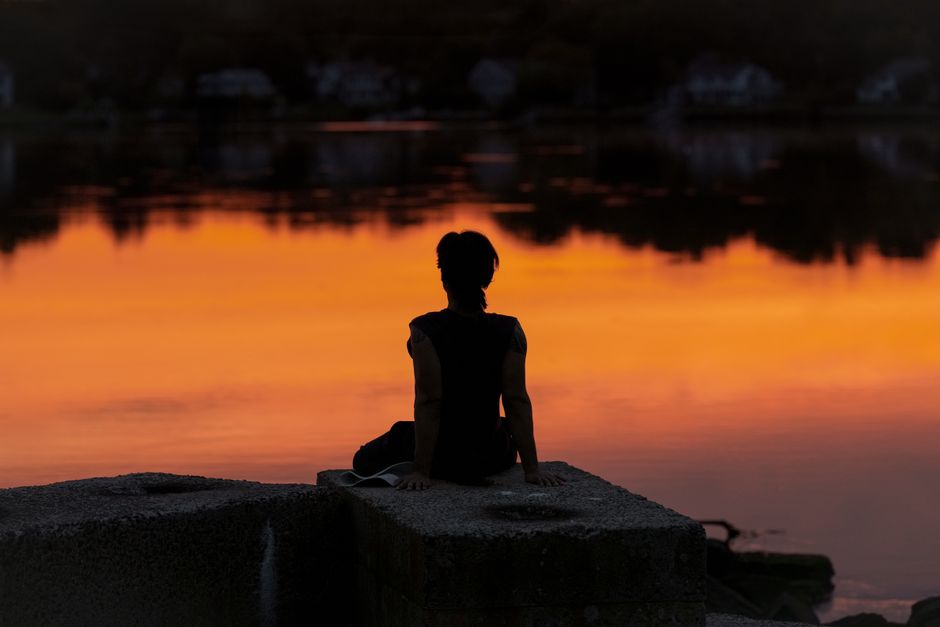
Some places carry a strange calmness that cannot be fully explained. A riverbank at sunrise, an old temple courtyard, the bells in a quiet shrine, the fragrance of incense, the rhythm of chanting, the silence of a hill path, all these things can do what motivational speeches often cannot. They bring us back to ourselves.

When people travel to sacred destinations, they are often searching for more than blessings. They are searching for relief, clarity, meaning, and emotional balance. In many cases, they may not even realize that is what they are seeking. But once they arrive, something softens. The pressure eases. The mind becomes less aggressive.
The emotional power of leaving routine behind
Routine is useful, but it can also become heavy. Many of us live by alarms, deadlines, endless messages, and responsibilities that rarely pause. Over time, this creates emotional tiredness. We may still function well, but inside we feel drained.
Travel helps by breaking patterns. Spiritual travel does this even more powerfully because it replaces routine with reflection. Instead of rushing, we observe. Instead of reacting, we feel. Instead of performing, we simply exist.
What makes a journey spiritual
A spiritual journey is not defined only by destination. It is defined by intention. A person can travel to Varanasi, Rishikesh, Bodh Gaya, Kedarnath, Pushkar, Amritsar, or a quiet monastery in the hills. But the real shift begins when the traveler chooses to slow down and be present.
That may mean sitting near a river without touching the phone. It may mean listening to evening aarti with full attention. It may mean walking barefoot in silence, keeping a gratitude journal, meditating in the morning, or simply watching people pray with humility.
How spiritual travel supports mental wellness
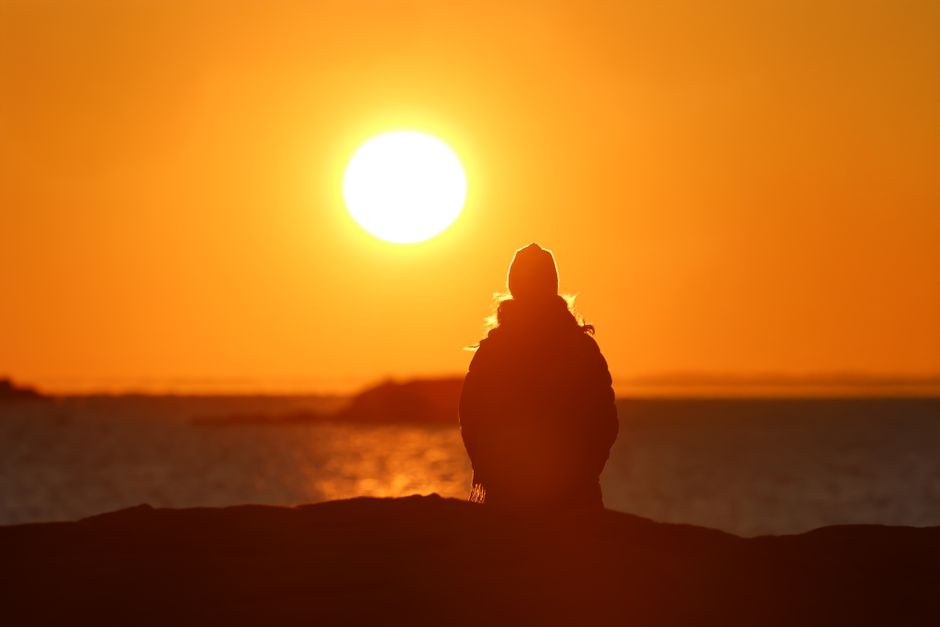
Modern psychology increasingly acknowledges the importance of silence, nature, ritual, gratitude, and mindful reflection. Spiritual travel naturally combines these elements. It reduces overstimulation. It creates emotional distance from daily tension. It gives us a healthier perspective on our problems.
Many travelers return from sacred journeys feeling calmer, even if their life circumstances have not changed. Why? Because their inner state has changed. They stop feeling trapped inside urgency. They feel more connected to something larger than daily stress.
Small practices that deepen the experience
- Wake up early and sit in silence for ten minutes.
- Visit one sacred place without rushing for photos.
- Write down three things you feel grateful for during the journey.
- Choose one prayer, mantra, or affirmation to repeat mindfully.
- Spend time in nature without music or distraction.
These small habits can turn an ordinary trip into a deeply restorative one.
Travel, faith, and personal transformation
One of the most beautiful things about spiritual travel is that it does not demand perfection. You do not have to be deeply religious. You do not need to know every ritual. You only need openness. Sacred places often meet people exactly where they are. A tired mind finds rest. A confused person finds direction. A grieving heart finds softness. A restless spirit finds pause.
This is why such journeys remain memorable for years. They do not just fill a gallery. They leave a mark on the personality. They make people kinder, quieter, and more aware of what truly matters.
Final thoughts
In an age where most people are overstimulated and emotionally tired, spiritual travel offers something rare, a return to depth. It reminds us that peace is not always found in escape, luxury, or speed. Sometimes it is found in prayer halls, mountain paths, sunrise rituals, riverside silence, and the courage to slow down.
If you have been feeling mentally exhausted, spiritually disconnected, or emotionally overloaded, perhaps your next trip does not need to be louder. Perhaps it needs to be more meaningful. Sometimes a sacred journey is not about reaching a holy place. It is about remembering the holy space within.